
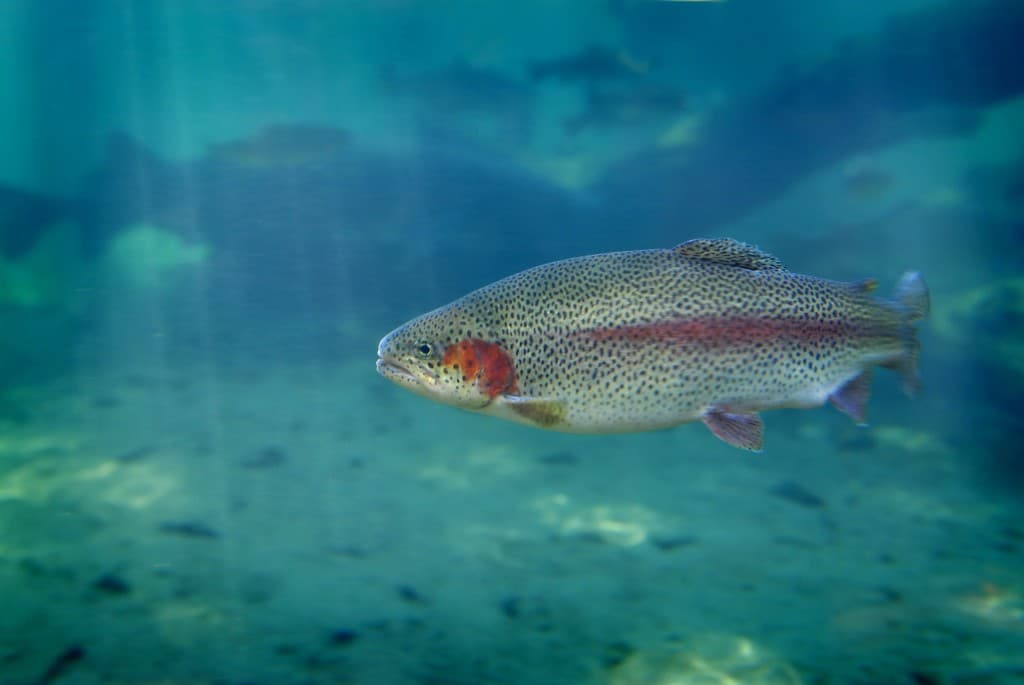
Connecticut Fishing 2026: Licenses, Long Island Sound, and Inland Trout
Connecticut fishing 2026—license options, DEEP inland and marine regulations, trout-stamp checks, Long Island Sound planning, and official rule links.
2026 seasons & limits
Verify rules with Connecticut fish & wildlife
- Confirm open seasons, daily bag, and possession limits for each species and water you fish.
- Check length and slot rules—many lakes, rivers, and bays have special tables beyond statewide defaults.
- Review 2026 summaries and any emergency orders (closures, health notices, gear rules) before you go.
The Inside Spread orients you for trip planning only. Conservation officers enforce the official published regulations—not articles or forum posts.
Need a Connecticut fishing license, the current inland or marine regulations, or the right trout-water page before your trip? Start with DEEP Fishing and decide whether your day is marine, inland freshwater, or a special-rule trout stream. That first split usually answers most of the license, stamp, and harvest-rule questions.
Connecticut is compact on a map, but its fishing geography is not. Long Island Sound, tidal marshes, Candlewood Lake, and the Farmington or Housatonic do not share the same planning assumptions, and DEEP layers statewide defaults with trout management areas and water-specific rules. If you define the exact water first, the regulations get much easier to sort.
2026 Seasons, Limits, and Rule Changes
This article is not the law. Your state's fish and wildlife agency publishes the official rules—online digests, mobile apps, and emergency notices—and those sources control what you can keep, when you can fish, and where.
Connecticut layers freshwater and saltwater rules differently; named lakes, rivers, and bays often have special regulations beyond statewide defaults; border waters and stocks shared with neighboring states or federal waters can add more rules. Always match the species, water body, and date you plan to fish to the correct table.
What to verify before every trip
- Seasons and closures for each species you target (game fish, panfish, trout, salmon, steelhead, or saltwater species)
- Daily and possession limits (creel limits) and whether aggregate caps apply across similar species
- Minimum and maximum length and slot limits, plus how length is measured (total length vs. fork length)
- Gear restrictions (bait, hooks, tackle) where they apply
- Special rules for WMAs, community fishing waters, trophy waters, and border waters
2026 updates and mid-season changes
Agencies publish annual summaries and sometimes emergency orders (water quality, fish health, stock changes, or temporary closures). Before you plan 2026 trips:
- open the current regulations for the license year that covers your dates
- check your agency's news or rule change page for new limits, stamps, or reporting rules
- read invasive species and bait movement notices if you move boats or gear between waters
If a forum or social post disagrees with the agency PDF, trust the agency and walk away from edge cases.
Popular species: what to look up in the digest
Use the index or online tools to find limits for the fish you actually plan to catch—black bass (largemouth, smallmouth, spotted), panfish (crappie, bluegill, perch, sunfish), catfish, trout and salmon (including steelhead where present), walleye and sauger, muskies and pike, and—if your trip includes coastal or estuary water—saltwater species such as red drum, spotted seatrout, snapper, groupers, striped bass, and flounder. Do not keep fish until you match the species to the exact rule line for that water body and date.
| Topic | Verify in the official digest |
|---|---|
| Daily bag | Per-day harvest limit per species or aggregate groups |
| Possession | Fish you may have in camp, cooler, or vehicle combined |
| Length / slot | Minimum, maximum, or protected length bands |
| Season | Opening and closing dates, catch-and-release-only windows, closures |
Connecticut official source: Connecticut Department of Energy and Environmental Protection — Fishing
Species-specific guides (2026)
Deeper dives on Connecticut’s top game fish—history, where they live, 2026 regulations, and how to fish for them:
Marine versus inland: how to think about Connecticut waters
Connecticut’s angling split is not just “Sound versus everything else.” Tidal influence, access type, and species assemblage change how you should read the regulations. Long Island Sound trips often emphasize migratory fish—striped bass, bluefish, summer flounder, scup, black sea bass, and tautog are common planning anchors—while inland trips may pivot around trout, landlocked salmon where present, black bass, northern pike, and panfish. The practical habit is to decide your primary water body first, then look up the rule lines for each species you intend to target, including incidental catch you might keep by mistake if identification is sloppy.
Striped bass deserve extra attention because management can shift quickly when coastwide conservation triggers change. Even experienced anglers should refresh identification skills: similar silhouettes at the rail can lead to honest mistakes under pressure. If you are new to marine fishing, spend time with DEEP’s species information and practice measuring fish with the method specified in regulations. A “close enough” measurement at the dock is not a defense if enforcement uses a different standard.
Trout, salmon, and coldwater rivers: TMAs, gear, and ethics
Connecticut’s trout culture runs through major river corridors and reservoir tailwaters. Trout Management Areas and special regulations can change catch-and-release windows, gear restrictions, and harvest rules by river reach. Wild trout streams reward quiet wading, careful drifts, and respect for redds during spawning periods. Stocked put-and-take fisheries can be busy on opening weekends; plan for courtesy at access points and remember that posted signs exist to protect both fish and anglers.
Atlantic salmon restoration and protective measures can affect where you may fish and what you must release. If you encounter anadromous salmonids in waters where protections apply, assume release unless you have verified a harvest rule line for that exact location and date. When regulations emphasize conservation, treat catch-and-release as a skill: minimize air exposure, avoid dragging fish across dry surfaces, and use nets with fish-friendly mesh when appropriate.
Warmwater inland: bass, pike, and panfish
Stillwaters such as Candlewood Lake and other large impoundments support black bass fisheries that draw heavy weekend traffic. Boat lanes get crowded, wakes matter for small craft, and tournaments can concentrate pressure on predictable structure. Panfish anglers often target crappie and sunfish in brush and docks; northern pike fisheries exist where regulations and habitat align. For each water, verify special regulations that can differ from statewide defaults—Connecticut’s rule set is not always “one size fits all lakes.”
Long Island Sound access, weather, and seamanship
Sound fishing is rewarding and unforgiving. Fog, wind chop, and fast-building summer thunderstorms can turn a calm morning into a rough ride. File a float plan for longer runs, carry signaling and safety gear appropriate for the distance offshore you intend to cover, and monitor marine forecasts. Kayak and small-craft anglers should pay special attention to commercial traffic lanes and ferry routes; large vessels do not maneuver like bass boats.
Tidal timing influences where fish stack on structure and how comfortable beginners feel on their first trips. Pair tide knowledge with a conservative approach to keeping fish: if you are unsure about a measurement or a season line, release and photograph rather than risking a violation. Shore anglers should watch surf conditions and footing on jetties; wet rocks are slippery and waves can surprise you.
Public access, ramps, and respectful use
Connecticut packs a lot of anglers into a small state, which makes ramp etiquette and parking courtesy part of safety. Stage gear before you block the lane, help newcomers when it is safe to do so, and pick up monofilament and soft-plastic trash when you see it. State parks and coastal access areas may have hours, fees, or seasonal closures; read posted rules at the trailhead or ramp before you launch. If you fish from a canoe or kayak, scout takeouts and avoid trespassing across private shoreline to portage.
Invasive species, bait, and moving boats
Invasive aquatic plants and animals can spread when boats, bilges, livewells, and trailers move between watersheds. Treat “clean, drain, dry” as a trip ritual, not a slogan. Bait rules can be specific about species and collection areas; if you import bait or collect your own, verify the current pamphlet language rather than relying on what worked last season. When you see unusual vegetation or odd fish captures, use official reporting pathways described by DEEP so biologists can respond quickly.
Ice fishing and cold-water safety
When hard water forms, ice safety is non-negotiable. Thickness varies with springs, currents, and recent weather; local knowledge helps, but there is no substitute for caution. Carry ice picks, a throw rope, and spare dry layers; avoid solo trips on early ice. Ice shanty rules, tip-up limits, and species rules still require reading the current guide—ice does not suspend regulations.
Reading the regulations like a local
Experienced Connecticut anglers develop a rhythm: identify the water body, list target species, then look up seasons, size limits, bag limits, and gear restrictions in that order. Screenshot or PDF the relevant pages before you lose cell service on remote reaches. If you fish multiple states in the same month—New York border waters are a common example—verify reciprocal license privileges and border rules rather than assuming continuity.
Documentation and enforcement contacts
Keep proof of license and any required stamps available in waterproof storage. Organize photos of regulation pages for the waters you fish; officers appreciate anglers who show good-faith effort to comply. If you receive a warning or citation, remain calm and sort questions through proper channels—arguments at the ramp rarely help and often escalate risk.
Youth, mentorship, and the next generation
Family fishing is part of Connecticut’s outdoor culture. When you introduce kids, prioritize life jackets, shade, hydration, and short sessions that end on a high note. Teach identification before celebration, and show respectful release on fish you do not plan to keep. Good mentors model courtesy, safety, and stewardship; regulations set the floor, not the ceiling, for ethical angling.
What Connecticut Fishing License Do I Need?
Most recreational anglers need the correct Connecticut fishing credentials for the waters they fish, and many trips require you to think in two lanes at once: marine versus inland. DEEP publishes clear guidance on freshwater licenses, marine registry or license requirements, and any additional trout or salmon stamp obligations on designated waters. Purchase through official online systems or authorized agents, and keep digital or printed proof where you can show it quickly at the ramp or shore.
If you fish tidal waters and inland lakes in the same week, do not assume one credential covers every scenario. Read the fee schedule each year; categories for residents, non-residents, youth, and seniors can shift. Short-term licenses can make sense for visitors, while frequent anglers often save money with annual options—run the math against your realistic trip count before you buy.
Anglers with disabilities should review access information for specific sites; not every launch offers improved surfaces, but many popular areas continue to upgrade parking and paths. When you plan remote wading, consider mobility needs on uneven cobble and slick ledges—gear weight adds up fast when you are far from the vehicle.
Where Are Connecticut’s Top Marine and Freshwater Fisheries?
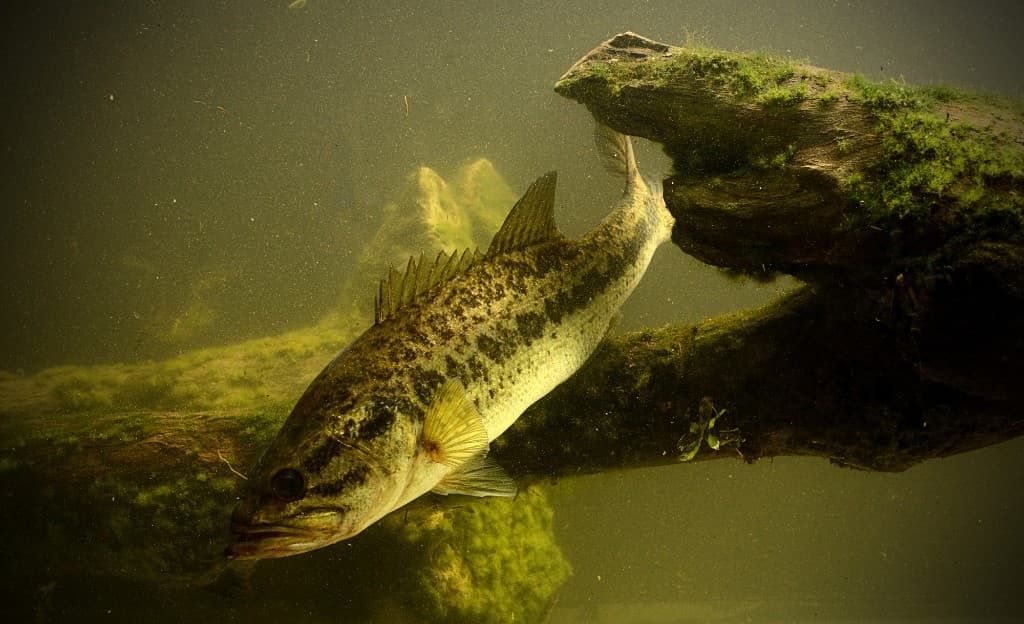
- Long Island Sound: Striped bass, bluefish, and summer flounder anchor many saltwater plans; watch wind, tide, and seasonal closures before you run offshore. Identify fish carefully and measure with the method defined in marine regulations.
- Farmington River corridor: Trout management and special regulations can vary by reach—match your section to posted rules, respect catch-and-release stretches, and plan wading for safe flows.
- Housatonic River: Coldwater and warmwater opportunities can exist along different segments; smallmouth bass fisheries attract inland anglers while upstream reaches may behave like mountain trout streams depending on season and flow.
- Candlewood Lake and large impoundments: Black bass and panfish fisheries draw heavy boat traffic; weekends mean wakes, jet skis, and shared ramps—rig efficiently and keep a courteous line at launches.
- Highland Lake and northwest stillwaters: Popular family destinations for bass and panfish; verify special regulations that can differ from nearby waters.
Plan Your Connecticut Fishing Trip
Use our Connecticut outdoors guide with the Connecticut fishing hub. More: fishing articles. Build buffer time for Hartford-area traffic if you are crossing the state on a Friday evening, and reserve launches near popular ramps on holiday weekends when parking fills early. Pack rain layers even when the forecast looks perfect—Sound fog and sudden thunderstorms have humbled many confident forecasts.
For multi-day trips, stage tackle by mission: a salt bag with pliers, dehookers, and measuring tools sized for marine fish, and a freshwater bag with wading boots, indicators, and trout leaders if you head inland. Keep a small first-aid kit in the boat or pack, including cut protection for braided line and sharp gill plates. If you fish with kids, plan shorter sessions, frequent snacks, and shade; heat exhaustion sneaks up on shore anglers who stand on sun-baked rocks all afternoon.
End your trip with a quick gear rinse and inspection for invasive material; the next watershed will thank you. When you post photos online, consider leaving exact GPS pins for rare wild trout streams private—good stewardship often means not turning fragile places into overcrowded destinations overnight.
Frequently Asked Questions
Do I need a Connecticut fishing license?
Most anglers need valid Connecticut fishing credentials for the waters they fish; marine anglers should confirm current marine registry or license requirements, and inland anglers should confirm freshwater license needs and any trout or salmon stamp rules on DEEP pages before fishing.
How does Connecticut separate marine and inland fishing rules?
DEEP publishes separate inland and marine guidance; Long Island Sound and tidal fisheries follow marine tables, while lakes and rivers follow inland regulations, with trout management areas and special-rule waters layered on top—always match species, water body, and date.
Where can I find Connecticut fishing regulations?
Use DEEP fishing pages for inland and marine regulations guides, trout management areas, and Long Island Sound rules; treat printed summaries as orientation until you verify the current online version.
What should striped bass anglers know before keeping fish?
Striped bass are managed coastwide; slot limits, seasons, and modes of fishing can change with conservation needs—read the marine regulations section for Connecticut state waters and confirm measurement method before you harvest.
What are Connecticut’s best-known fisheries?
Long Island Sound offers striped bass and summer flounder; the Farmington and Housatonic support trout and smallmouth; Candlewood Lake and Highland Lake are popular stillwater destinations for bass and panfish.
How can I help prevent invasive species in Connecticut waters?
Inspect and dry gear, follow bait movement guidance, and clean and drain boats and trailers when moving between water bodies; read DEEP notices on invasive plants and animals and report unusual catches through official channels.
Sources
- Connecticut Department of Energy and Environmental Protection. "Fishing." DEEP, portal.ct.gov/DEEP/Fishing/Fishing. Accessed 16 Apr. 2026.
Official state agency
Connecticut Department of Energy and Environmental Protection — FishingVerify season openings, daily bag, possession, and length or slot rules for each water and species you target—plus any 2026 rule changes or emergency orders—before you fish.
Written by
The Inside Spread Team
The Inside Spread team covers fishing regulations and access across all 50 states. We tie every guide to official agency sources so you can verify seasons, bag limits, and license rules before you launch.
Comments
No comments yet. Be the first to share your thoughts.
More in state-guides
Arkansas Duck Hunting 2026: Season Dates, WMA Permits, License Costs & Complete Guide
Arkansas duck hunting 2026-27—three-segment season dates, nonresident WMA waterfowl permits, Black River and Bayou Meto access changes, and Delta license costs.
Georgia Whitetail Deer Hunting 2026: Season Dates, Extended Counties, License Costs & Nonresident Guide
Georgia whitetail deer hunting 2026-27—archery, primitive weapons, and firearms dates, 29-county extended archery, 12-deer bag, Game Check, and the nonresident guide.
Kentucky Whitetail Deer Hunting 2026: Season Dates, Zone Changes, License Costs & Nonresident Guide
Kentucky whitetail deer hunting 2026-27—archery, crossbow, and modern gun dates, the 2026 zone map, license and deer permit costs, Telecheck, and the nonresident guide.
Michigan Whitetail Deer Hunting 2026: Season Dates, License Costs, UP vs LP & Nonresident Guide
Michigan whitetail deer hunting 2026—archery, firearm, and three-day December dates, DNR license fees, Upper vs Lower Peninsula rules, baiting, and the nonresident guide.