
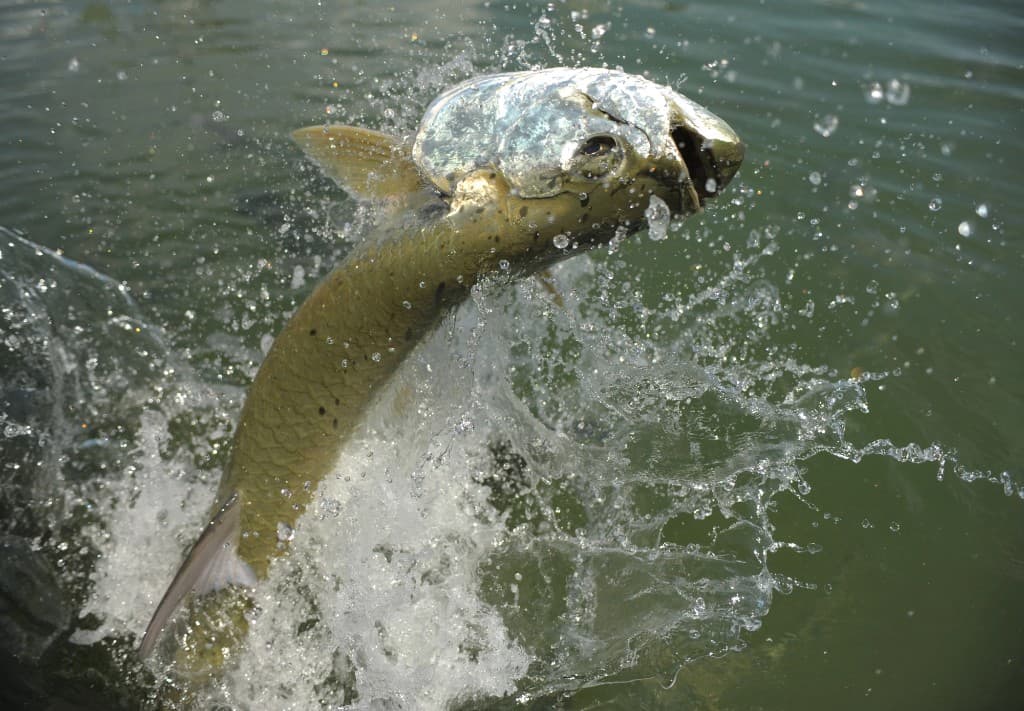
Florida fishing 2026—freshwater and saltwater license options, FWC regional regulations, snook and lobster permit checks, and official rule links by coast.
2026 seasons & limits
Verify rules with Florida fish & wildlife
- Confirm open seasons, daily bag, and possession limits for each species and water you fish.
- Check length and slot rules—many lakes, rivers, and bays have special tables beyond statewide defaults.
- Review 2026 summaries and any emergency orders (closures, health notices, gear rules) before you go.
The Inside Spread orients you for trip planning only. Conservation officers enforce the official published regulations—not articles or forum posts.
Need a Florida fishing license, the right regional regulation table, or the current snook or lobster permit rules before your trip? Start with FWC Fishing and identify two things first: freshwater or saltwater, and Atlantic or Gulf region. That is the fastest way to avoid Florida’s most common compliance mistakes.
Florida is not one fishery. A peacock bass canal, a Gulf redfish flat, a South Florida lake chain, a Panhandle pier, and an offshore run through an inlet all live under different planning assumptions. If you match the water type, region, and species add-ons first, the license and harvest questions get much easier to sort before you ever leave the ramp.
2026 Seasons, Limits, and Rule Changes
This article is not the law. Your state's fish and wildlife agency publishes the official rules—online digests, mobile apps, and emergency notices—and those sources control what you can keep, when you can fish, and where.
Florida layers freshwater and saltwater rules differently; named lakes, rivers, and bays often have special regulations beyond statewide defaults; border waters and stocks shared with neighboring states or federal waters can add more rules. Always match the species, water body, and date you plan to fish to the correct table.
What to verify before every trip
- Seasons and closures for each species you target (game fish, panfish, trout, salmon, steelhead, or saltwater species)
- Daily and possession limits (creel limits) and whether aggregate caps apply across similar species
- Minimum and maximum length and slot limits, plus how length is measured (total length vs. fork length)
- Gear restrictions (bait, hooks, tackle) where they apply
- Special rules for WMAs, community fishing waters, trophy waters, and border waters
2026 updates and mid-season changes
Agencies publish annual summaries and sometimes emergency orders (water quality, fish health, stock changes, or temporary closures). Before you plan 2026 trips:
- open the current regulations for the license year that covers your dates
- check your agency's news or rule change page for new limits, stamps, or reporting rules
- read invasive species and bait movement notices if you move boats or gear between waters
If a forum or social post disagrees with the agency PDF, trust the agency and walk away from edge cases.
Popular species: what to look up in the digest
Use the index or online tools to find limits for the fish you actually plan to catch—black bass (largemouth, smallmouth, spotted), panfish (crappie, bluegill, perch, sunfish), catfish, trout and salmon (including steelhead where present), walleye and sauger, muskies and pike, and—if your trip includes coastal or estuary water—saltwater species such as red drum, spotted seatrout, snapper, groupers, striped bass, and flounder. Do not keep fish until you match the species to the exact rule line for that water body and date.
| Topic | Verify in the official digest |
|---|---|
| Daily bag | Per-day harvest limit per species or aggregate groups |
| Possession | Fish you may have in camp, cooler, or vehicle combined |
| Length / slot | Minimum, maximum, or protected length bands |
| Season | Opening and closing dates, catch-and-release-only windows, closures |
Florida official source: Florida Fish and Wildlife Conservation Commission — Fishing
Species-specific guides (2026)
Deeper dives on Florida’s top game fish—history, where they live, 2026 regulations, and how to fish for them:
Freshwater vs Saltwater: Building the Right License Stack
Florida recreational fishing generally separates freshwater fishing licenses from saltwater fishing licenses (or privileges) depending on where you fish and what you target. Many residents and visitors purchase both because Florida trips often include lakes and coast in the same vacation. Nonresident anglers should compare the cost of short-term licenses against multi-day trips; sometimes an annual license pays for itself across multiple visits.
FWC publishes exemptions every year, including youth age thresholds and certain shoreline fishing situations. Charter clients may be covered under the captain’s license on qualifying for-hire trips—confirm before you step on the boat. If you pursue snook, lobster, or other regulated species, expect additional permits beyond a generic saltwater credential. The permit language matters: “I have a saltwater license” is not automatically the same as “I have a snook permit.”
Regional Saltwater: Atlantic, Gulf, and the Keys
Florida’s saltwater regulations frequently vary by region and county. Inshore favorites—common snook, red drum, and spotted seatrout—often have slot limits, seasonal closures, and regional differences that reflect stock health and habitat conditions. A rule that applies near Jacksonville may not apply near Naples. That is not bureaucracy for its own sake; it is how managers balance fishing opportunity with conservation on coasts that experience different environmental pressures.
Before you keep a regulated inshore fish, open the current saltwater regulations page for your area and read the region map carefully. Pay attention to catch-and-release-only fisheries after cold events or during rebuilding periods. If you fish bridges and passes, know that gear restrictions and night closures can apply locally.
The Florida Keys and South Florida add complexity: proximity to federal waters, strong currents, and high boat traffic. Many offshore trips cross the state/federal boundary; reef fish may require descending tools or venting under federal rules even when state rules also apply. Carry a printed federal summary or download NOAA Fisheries materials when you plan bottomfish trips.
Freshwater Fisheries: Bass, Canals, and Famous Lakes
Florida freshwater fishing is synonymous with largemouth bass for many anglers, but the state also offers robust panfish, catfish, and unique exotic fisheries in South Florida canals. Lake Okeechobee remains a national name for shallow grass and big fish, while the St. Johns River offers riverine patterns and seasonal movements. Rodman Reservoir and other waters carry special management emphasis and can have distinct rules.
Peacock bass and other nonnative species appear in South Florida canal systems. Management goals for exotics can differ from native bass management; know identification and harvest rules so you do not mistake one species for another. Water level fluctuations from rainfall and management affect access and fish location—check ramp conditions and hazard buoys.
Black bass tournaments and conservation
Tournament trails put thousands of bass through livewells on compressed schedules. Even when rules allow harvest, best practices for fizzing, water exchange, and release matter for fish survival. If you are not tournament fishing, avoid crowding release boats at weigh-ins and give professionals space at public ramps during major events—tempers and accidents spike when trailers stack three deep before daylight.
Tarpon, Sharks, and Highly Visible Fisheries
Tarpon fishing carries cultural weight in Florida, and regulations reflect that status. Gear restrictions, reporting requirements, and harvest limitations can apply depending on location and size class. Treat tarpon as a photograph-first species unless you are explicitly participating in a regulated harvest scenario that you fully understand.
Shark fishing from beaches and piers draws attention. Identify species carefully, follow safe handling practices, and obey size and bag rules designed to protect both anglers and vulnerable shark populations. Never swim near a baited shark line.
Panhandle to Southeast: How Geography Changes the Game
The Panhandle offers different seasonal timing and species mixes than Southeast Florida and the Keys. Water temperatures swing more in the north in winter, and cold snaps can shut down inshore fisheries for days. In South Florida, stable warmth supports year-round opportunities but also intense pressure on popular flats. Plan travel with realistic drive times—Florida looks small on a map until you sit through beach traffic with a boat in tow.
Boating, Manatees, and Safety
Florida boating traffic is heavy year-round. Manatee zones restrict speed in critical areas—violations are expensive and dangerous to wildlife. Carry required safety gear, file a float plan for offshore runs, and monitor weather because thunderstorms build quickly. Lightning near water is lethal; when in doubt, run for shelter early.
Family Fishing and Youth Mentorship
Florida’s community fishing lakes and accessible piers give families places to learn without expensive boats. Teach kids to identify fish before they keep them, and show them how to release fish quickly and respectfully. Youth exemptions exist for licenses in many situations, but adults are still responsible for following rules and modeling safe handling—especially around hooks, stingrays, and catfish spines.
Invasive Species and Ethical Releases
Lionfish harvest incentives and gear rules evolve as managers try to reduce reef impacts. Snakeheads and other invasives require correct identification—do not transport live fish between waters. Never release aquarium pets into canals or lakes.
Piers, Bridges, and Shore Fishing Etiquette
Florida’s piers and bridges are social places where local norms matter as much as regulations. Casting lanes should be respected—do not cross another angler’s line on purpose. At night, lights attract bait and predators; noise carries over water, so keep voices down near residential docks. Shark fishing from crowded beaches requires distance from swimmers and immediate attention to safe leader handling. Pack out monofilament in recycling tubes where provided; discarded line kills birds and marine life.
Understanding Brackish Water and Rule Boundaries
Brackish systems—where freshwater outflow mixes with salt—create the most common confusion for visitors. A single canal network can shift salinity after rain, but regulatory boundaries do not move with the tide. When you cannot confidently classify a spot, use the FWC mapping tools and published guidance rather than guessing based on water taste or clarity. Tournament directors sometimes publish clarifications for boundary waters; if you fish competitively, keep those clarifications with your rules packet.
Planning Around Weather, Tides, and Algal Blooms
Tides drive inshore feeding windows; moving water often outfishes stagnant conditions on flats and passes. Wind direction affects clarity: onshore wind can push dirty water into bays after storms. Harmful algal blooms and water quality advisories can close areas to fishing or swimming—check state and local health notices before you launch, especially after heavy runoff.
Offshore Readiness: Federal Waters and HMS
When you run offshore for pelagics and reef fish, state rules are only part of the story. Highly migratory species may require federal permits or reporting depending on the trip and species. Carry required safety gear for the distance you run, maintain VHF radio discipline, and file a float plan with someone ashore. If you are new to Florida offshore fishing, hire a reputable captain first—Gulf Stream currents and summer thunderstorms punish unprepared crews.
Reef fish barotrauma and survival
Barotrauma affects many reef fish pulled quickly from depth. When regulations require release—or when you choose release—use descending devices or venting where appropriate and allowed. Poor release practices waste fish and can trigger tighter regulations later. Learn one method well on calm days before you rely on it in rough seas.
Documentation and inspections
Keep digital or paper copies of licenses, permits, and vessel registration organized. Law enforcement contacts are routine at busy inlets and during seasonal fisheries. Courtesy and preparation speed inspections; argumentative behavior does not change the rules.
When Should I Check Regional Saltwater Rules?
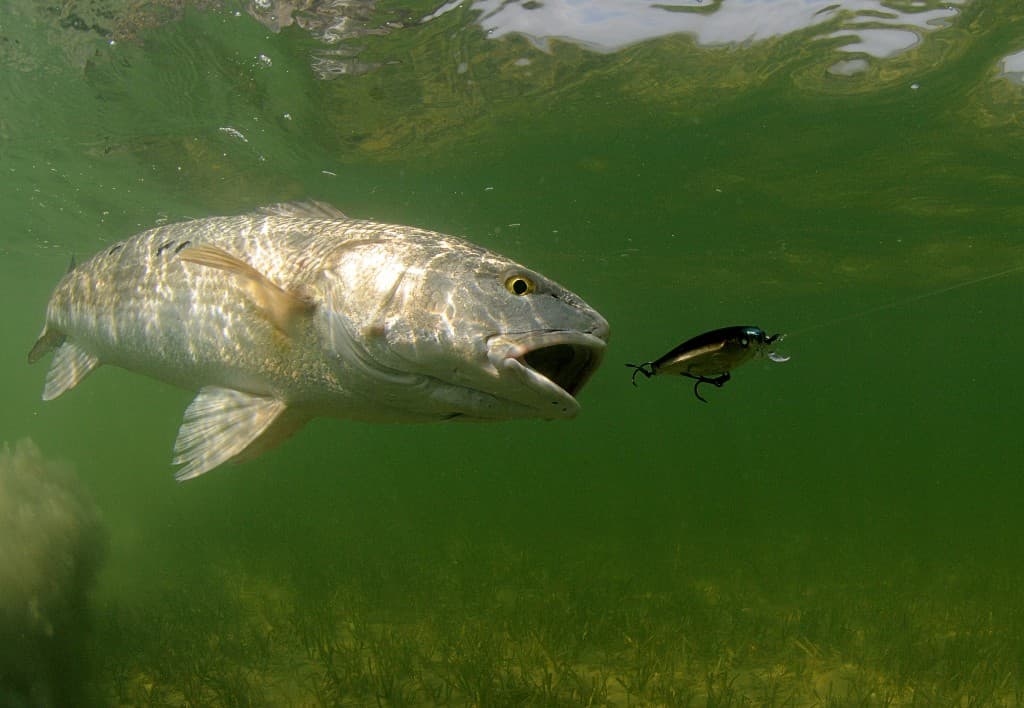
Check the week of your trip, not only at New Year. Cold snaps, harmful algal blooms, and stock assessments can trigger in-season adjustments. Tournament anglers should verify that trail rules align with FWC—even when payouts are on the line, conservation rules still govern possession and release.
Plan Your Florida Fishing Trip
Pair this overview with our Florida outdoors guide and the Florida fishing hub. Browse fishing articles for techniques that match your target species. If you are new to Florida, plan shorter sessions in summer heat and carry more drinking water than you think you need. Book ramps early on holiday weekends, and expect wildlife traffic—gators, manatees, and nesting birds—on shared waterways; slow down and give animals space.
Frequently Asked Questions
Do I need separate licenses for saltwater and freshwater fishing in Florida?
Florida issues distinct recreational freshwater and saltwater fishing privileges; many anglers carry both if they fish brackish areas or switch between lakes and the coast in the same trip.
Who needs a Florida fishing license?
Most anglers 16 and older need appropriate recreational licenses or permits; exemptions include certain shoreline-only situations, licensed charter clients, and youth under 16—see current FWC license pages for the full list.
Where can I check Florida snook, redfish, and spotted seatrout regulations?
Use the FWC saltwater regulations summaries and regional tables; seasons, slot limits, and regional closures change—verify the region where you will fish before you keep fish.
What permits does Florida require for snook or spiny lobster?
Snook and spiny lobster often require additional permits or stamps beyond a base saltwater license; verify current requirements, seasons, and gear rules on FWC before harvest.
How do Florida rules differ between the Atlantic and Gulf coasts?
FWC publishes regional regulations; the same species can have different bag limits, size limits, or seasons depending on coast and county—confirm the management zone for your launch location.
Where should I check for temporary fishing closures?
Use FWC announcements for red tide, cold-weather events, stock rebuilding measures, and emergency orders that can change harvest rules after major fish kills or conservation needs.
Sources
- Florida Fish and Wildlife Conservation Commission. "Fishing." FWC, myfwc.com/fishing. Accessed 31 Mar. 2026.
- Florida Fish and Wildlife Conservation Commission. "Saltwater Fishing." FWC, myfwc.com/fishing/saltwater. Accessed 31 Mar. 2026.
- Florida Fish and Wildlife Conservation Commission. "Freshwater Fishing." FWC, myfwc.com/fishing/freshwater. Accessed 31 Mar. 2026.
- NOAA Fisheries. "Southeast For-Hire." NOAA, fisheries.noaa.gov. Accessed 31 Mar. 2026.
Official state agency
Florida Fish and Wildlife Conservation Commission — FishingVerify season openings, daily bag, possession, and length or slot rules for each water and species you target—plus any 2026 rule changes or emergency orders—before you fish.
Written by
The Inside Spread Team
The Inside Spread team covers fishing regulations and access across all 50 states. We tie every guide to official agency sources so you can verify seasons, bag limits, and license rules before you launch.
Comments
No comments yet. Be the first to share your thoughts.
More in state-guides
Arkansas Duck Hunting 2026: Season Dates, WMA Permits, License Costs & Complete Guide
Arkansas duck hunting 2026-27—three-segment season dates, nonresident WMA waterfowl permits, Black River and Bayou Meto access changes, and Delta license costs.
Georgia Whitetail Deer Hunting 2026: Season Dates, Extended Counties, License Costs & Nonresident Guide
Georgia whitetail deer hunting 2026-27—archery, primitive weapons, and firearms dates, 29-county extended archery, 12-deer bag, Game Check, and the nonresident guide.
Kentucky Whitetail Deer Hunting 2026: Season Dates, Zone Changes, License Costs & Nonresident Guide
Kentucky whitetail deer hunting 2026-27—archery, crossbow, and modern gun dates, the 2026 zone map, license and deer permit costs, Telecheck, and the nonresident guide.
Michigan Whitetail Deer Hunting 2026: Season Dates, License Costs, UP vs LP & Nonresident Guide
Michigan whitetail deer hunting 2026—archery, firearm, and three-day December dates, DNR license fees, Upper vs Lower Peninsula rules, baiting, and the nonresident guide.