
Hawaii Fishing 2026: Licenses, Shoreline, and Deep-Sea Sportfishing
Hawaii fishing 2026—shore and freshwater license guidance, DAR regulations, island-specific marine rules, bottomfish closures, and official access updates.
2026 seasons & limits
Verify rules with Hawaii fish & wildlife
- Confirm open seasons, daily bag, and possession limits for each species and water you fish.
- Check length and slot rules—many lakes, rivers, and bays have special tables beyond statewide defaults.
- Review 2026 summaries and any emergency orders (closures, health notices, gear rules) before you go.
The Inside Spread orients you for trip planning only. Conservation officers enforce the official published regulations—not articles or forum posts.
Need to know whether Hawaii requires a license for your trip, which island rules apply, or where a shoreline or bottomfish closure is posted? Start with the Hawaii Division of Aquatic Resources fishing pages and identify whether your day is shoreline marine, offshore, or freshwater. That one choice usually determines which permit, pamphlet, and gear rules matter.
Hawaii is managed island by island, not like a single generic saltwater state. Shoreline reef fishing, offshore pelagic trolling, bottomfishing, and the smaller freshwater opportunities do not share the same planning assumptions, and some trips involve protected areas or species-specific rules. If you match the island and fishery first, the paperwork and compliance questions get much easier to sort.
2026 Seasons, Limits, and Rule Changes
This article is not the law. Your state's fish and wildlife agency publishes the official rules—online digests, mobile apps, and emergency notices—and those sources control what you can keep, when you can fish, and where.
Hawaii manages marine fisheries with island-specific and depth-specific rules; freshwater fisheries on public waters typically require licensing and follow separate tables; shoreline access, gear restrictions, and closed areas can change with conservation needs. Federal rules may apply offshore depending on species and location. Always match the species, area, and date you plan to fish to the correct table.
What to verify before every trip
- Seasons and closures for each species you target (marine species, shore and offshore fisheries, freshwater game fish in public waters, and stocked trout where applicable)
- Daily and possession limits (creel limits) and whether aggregate caps apply across similar species
- Minimum and maximum length and slot limits, plus how length is measured (total length vs. fork length)
- Gear restrictions (bait, hooks, tackle) where they apply
- Special rules for WMAs, community fishing waters, trophy waters, and border waters
2026 updates and mid-season changes
Agencies publish annual summaries and sometimes emergency orders (water quality, fish health, stock changes, or temporary closures). Before you plan 2026 trips:
- open the current regulations for the license year that covers your dates
- check your agency's news or rule change page for new limits, stamps, or reporting rules
- read invasive species and bait movement notices if you move boats or gear between waters
If a forum or social post disagrees with the agency PDF, trust the agency and walk away from edge cases.
Popular species: what to look up in the digest
Use the index or online tools to find limits for the fish you actually plan to catch—reef and bottomfish, pelagic species, shoreline fisheries, and freshwater game fish where you fish streams or reservoirs. Do not keep fish until you match the species to the exact rule line for that water body or area and date.
| Topic | Verify in the official digest |
|---|---|
| Daily bag | Per-day harvest limit per species or aggregate groups |
| Possession | Fish you may have in camp, cooler, or vehicle combined |
| Length / slot | Minimum, maximum, or protected length bands |
| Season | Opening and closing dates, catch-and-release-only windows, closures |
Hawaii official source: Hawaii Division of Aquatic Resources — Fishing
Species-specific guides (2026)
Deeper dives on Hawaii’s top game fish—history, where they live, 2026 regulations, and how to fish for them:
What Hawaii Fishing License Do I Need?
Review DAR licensing guidance for freshwater fishing on public waters; many typical marine shore and private-boat anglers will not use Hawaii’s licensing system the same way mainland coastal states require a general saltwater license, but you should verify current policy for your island and activity rather than rely on travel blog summaries. If you target certain gear types, areas, or commercial-adjacent activities, additional rules may apply—read the pamphlet end to end for your plan.
Charter trips often bundle compliance education with logistics: crews can explain bag limits and help identify species, but the angler still owns the basic responsibility to avoid prohibited harvest. If you are unsure whether a fish is legal, release carefully and improve identification skills before the next trip.
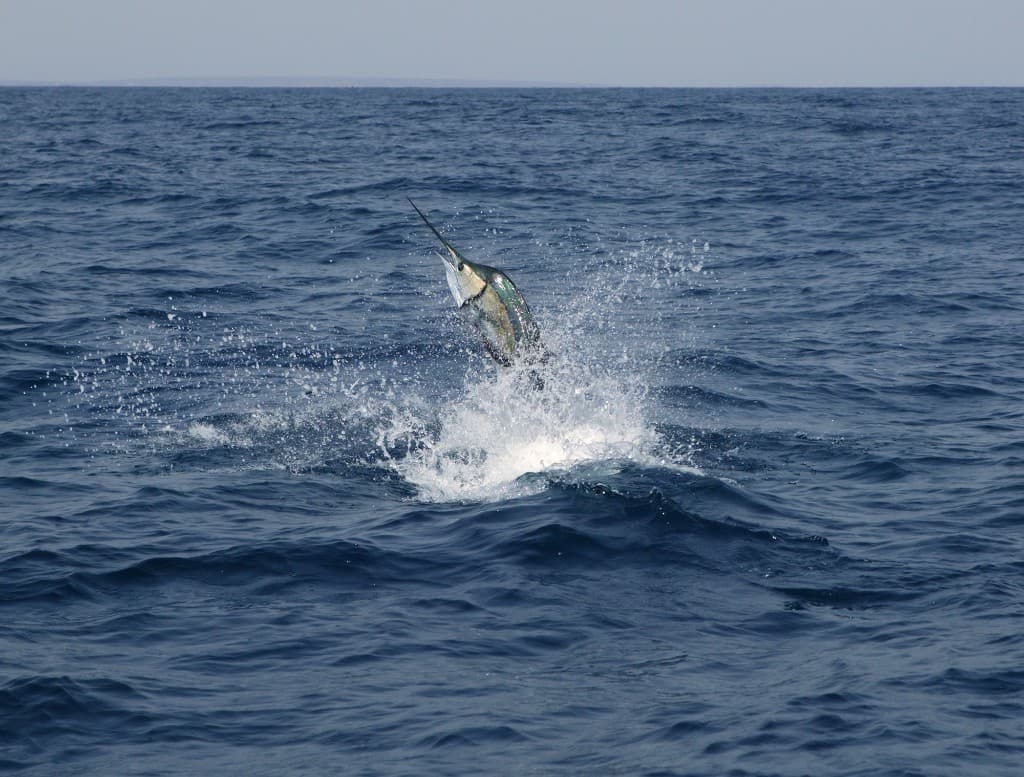
Pelagic Sportfishing: Marlin, Tuna, and Offshore Culture
Hawaii’s blue-water fisheries are globally famous: marlin tournaments, tuna logistics, and mahi-mahi availability that can make a first trip feel cinematic. Offshore safety is equally cinematic in the wrong way when weather shifts. File float plans for private boats, respect bar conditions at harbors, and treat seasickness and dehydration as trip-enders, not annoyances.
Federal management overlaps for highly migratory species in ways that matter to commercial and some recreational contexts. If you are not operating commercially, stay focused on state pamphlet rules for retention and gear, but remain aware that “international water” myths are not a compliance strategy—know where you are fishing.
Bottomfish, Deep-Slope Species, and Depth Discipline
Bottomfishing connects anglers to snappers and other deep-slope species under rules that can vary by island, depth, and season. Barotrauma awareness matters: if regulations encourage release, learn deep-release techniques appropriate to the species and conditions. Depth discipline also means knowing your anchor, drift, and safety margins—Hawaii’s nearshore drop-offs can get deep fast.
Reef and Shoreline Fisheries: Bag Limits, Gear Rules, and Identification
Shoreline anglers pursue reef species under bag and size limits that protect localized stocks. Spearfishing and net rules can be highly specific; some areas restrict methods to reduce damage and overharvest. Giant trevally and other iconic nearshore species may have additional protections or cultural sensitivity—treat unknown fish as catch-and-release candidates until identified.
Lay Nets, Spearfishing, and Method-Specific Compliance
Hawaii regulates methods such as lay netting and spearfishing in ways that can surprise mainland anglers. Read method rules before you invest in gear locally. What looks common in a social video may still be illegal in your exact location or season.
Marine Protected Areas, Closed Areas, and Map Literacy
Closed areas protect reefs and fish spawning aggregations. Map literacy is a safety and compliance skill: GPS pins do not replace understanding posted signage at access points. If you snorkel and fish the same day, remember that some MPAs prohibit take entirely.
Freshwater Streams, Reservoirs, and Invasive Species Risk
Hawaii’s freshwater fisheries are limited compared with ocean opportunity, but they matter ecologically. Invasive species such as tilapia and problematic plants can dominate some waters. Do not move bait water between watersheds; never release aquarium fish. If you hike to stream spots, treat land access respectfully and follow posted rules.
Shoreline Access, Culture, and Community Expectations
Access in Hawaii is a privilege shaped by respect. Some shorelines border private land; others include cultural sites where behavior should be quiet and careful. Park legally, avoid blocking driveways, and pack out trash—including monofilament that kills reef wildlife when discarded carelessly.
Safety: Surf, Rocks, Sun, and Remote Coastlines
Hawaii’s shorelines can be dangerous: sudden waves, slippery rocks, and strong shore break. Wear appropriate footwear, never turn your back on the ocean, and teach children conservative limits. Sun exposure is intense; hydration and shade matter as much as tackle selection.
Barotrauma, Responsible Release, and Fish Handling in Warm Water
Warm nearshore water can stress reef fish quickly. If regulations encourage release—or if you identify a fish as prohibited after landing—minimize air exposure, wet hands before handling, and learn techniques appropriate to deep-caught fish when depth rules apply. Barotrauma tools and venting discussions can be species-specific; follow current best practices published by resource agencies rather than improvising based on mainland freshwater habits.
Aquarium Releases, Illegal Stocking, and Why “One Fish” Matters
Invasive species damage in Hawaii is not theoretical: algae smothers reefs, and introduced predators disrupt native communities. Illegal aquarium releases have real enforcement and ecological consequences. If you see irresponsible behavior, note safe reporting pathways on official sites rather than confronting strangers in unsafe settings. The goal is protecting places you want your children to fish.
Night Shoreline Fishing, Flashlights, and Local Norms
Some shoreline fisheries reward dark-sky hours. Night fishing adds trip hazards—uneven footing, reduced visibility for other anglers, and the need for courteous light use so you do not blind everyone on the rocks. Keep voices low near homes, park responsibly, and treat every night session as a navigation exercise, not a stunt.
Harbors, Boat Traffic, and Kayak Visibility
Kayak anglers can access productive nearshore structure, but harbors and channels mix paddlers with larger vessels that may have limited maneuverability. Stay visible, avoid crossing busy channels at bad angles, and understand that “right of way” on paper does not replace situational awareness in swell.
Freshwater Invasives: Plants, Poeciliids, and Watershed Hygiene
Even modest freshwater systems can suffer when people move plants, mud, or unauthorized live bait between watersheds. Rinse gear, follow posted notices at trailheads, and treat every stream as part of a connected island ecology—even when it looks like a small ditch from the road.
Community Science and Reporting: When Observation Helps Managers
DLNR resources sometimes rely on public engagement for invasive species sightings or unusual mortality events. If you observe something concerning, use official reporting channels. Social media outrage is not a substitute for structured information that biologists can act on.
Weather Windows, Trade Winds, and Inter-Island Logistics
Inter-island fishing plans can fail when flights delay or winds pick up. Build buffer days for offshore trips; treat each island hop as a new regulatory and safety environment. Local knowledge about swell direction can matter as much as species ID.
Where Are Hawaii’s Best Shoreline and Offshore Fisheries?
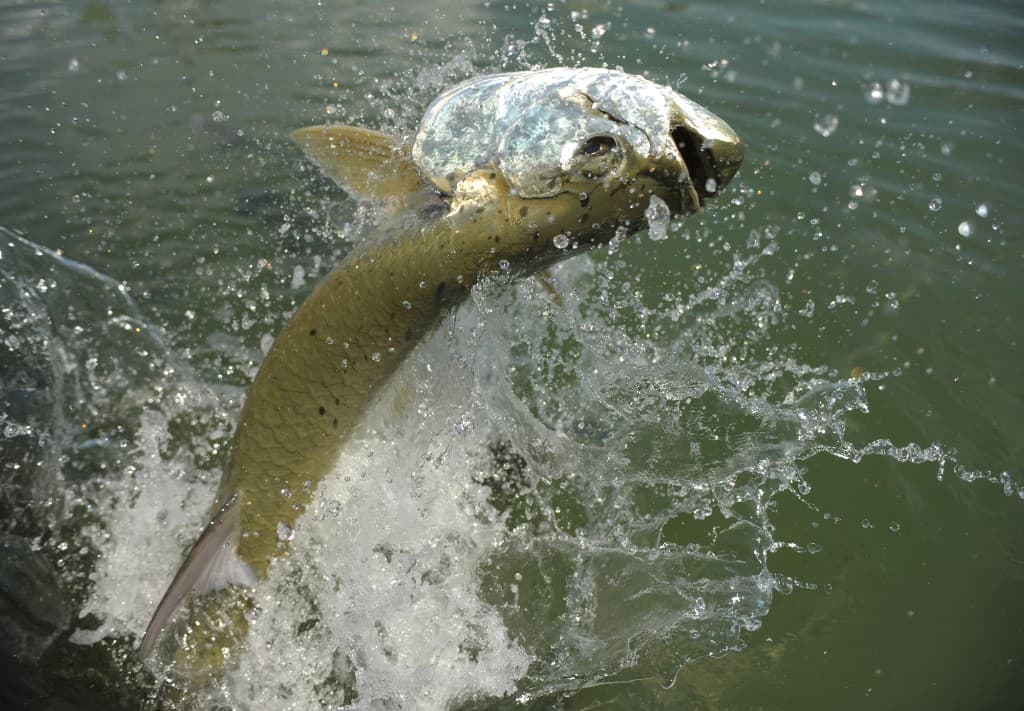
The Kona coast on Hawaii Island is famous for blue-water sportfishing culture; Oahu offers diverse shoreline and charter opportunity with heavy public use; Maui and Molokai channels and nearshore structure produce memorable trips when weather allows; Kauai adds rugged shoreline character with access challenges that reward research.
If you are island hopping, treat each island as a new pamphlet: rules can differ in ways that matter to your cooler.
Plan Your Hawaii Fishing Trip
Start with target species and method, then read DAR’s pamphlet for your island group. Book charters with reputable operators when offshore learning curve is steep; for shoreline days, prioritize safe access points and early arrival before heat and crowds peak. Save pages offline when possible, and keep a printed species ID aid when cell coverage fails.
Use our Hawaii outdoors guide with the Hawaii fishing hub. More: fishing articles.
Frequently Asked Questions
Do I need a Hawaii fishing license?
Hawaii marine recreational fishing often does not require a state saltwater license for typical shore and private-boat anglers the way many mainland states do, but freshwater fishing on public waters generally requires a freshwater license—verify DAR rules for your island, gear, and trip type.
Where can I find Hawaii fishing regulations?
Use DLNR Division of Aquatic Resources pages for the Hawaii Fishing pamphlet, closed areas, bag and size limits, gear rules, and prohibited species lists.
What are Hawaii’s best-known fisheries?
Pelagic trolling targets marlin, tuna, and mahi-mahi; bottomfish fisheries are managed by depth, area, and season; shoreline anglers pursue reef species under strict bag rules; some nearshore species have additional protections.
Why are Hawaii’s nearshore rules stricter than many mainland lakes?
Island reef ecosystems face intense local pressure; many species are managed with bag limits, gear restrictions, and closed areas designed to reduce overharvest and protect habitat—read island-specific tables.
What invasive species issues should Hawaii anglers prioritize?
Invasive algae, introduced fish, and illegal aquarium releases damage native ecosystems. Never release aquarium fish into streams or reefs; follow posted guidance and help prevent spread of invasive species.
How should I approach shoreline access respectfully?
Respect cultural sites, private property boundaries, and posted closures. Park legally, carry out trash, and avoid damaging coral or shoreline vegetation—access depends on community trust.
Sources
- Hawaii Division of Aquatic Resources. "Fishing." DLNR, dlnr.hawaii.gov/dofaw/fishing. Accessed 16 Apr. 2026.
Official state agency
Hawaii Division of Aquatic Resources — FishingVerify season openings, daily bag, possession, and length or slot rules for each water and species you target—plus any 2026 rule changes or emergency orders—before you fish.
Written by
The Inside Spread Team
The Inside Spread team covers fishing regulations and access across all 50 states. We tie every guide to official agency sources so you can verify seasons, bag limits, and license rules before you launch.
Comments
No comments yet. Be the first to share your thoughts.
More in state-guides
Arkansas Duck Hunting 2026: Season Dates, WMA Permits, License Costs & Complete Guide
Arkansas duck hunting 2026-27—three-segment season dates, nonresident WMA waterfowl permits, Black River and Bayou Meto access changes, and Delta license costs.
Georgia Whitetail Deer Hunting 2026: Season Dates, Extended Counties, License Costs & Nonresident Guide
Georgia whitetail deer hunting 2026-27—archery, primitive weapons, and firearms dates, 29-county extended archery, 12-deer bag, Game Check, and the nonresident guide.
Kentucky Whitetail Deer Hunting 2026: Season Dates, Zone Changes, License Costs & Nonresident Guide
Kentucky whitetail deer hunting 2026-27—archery, crossbow, and modern gun dates, the 2026 zone map, license and deer permit costs, Telecheck, and the nonresident guide.
Michigan Whitetail Deer Hunting 2026: Season Dates, License Costs, UP vs LP & Nonresident Guide
Michigan whitetail deer hunting 2026—archery, firearm, and three-day December dates, DNR license fees, Upper vs Lower Peninsula rules, baiting, and the nonresident guide.