
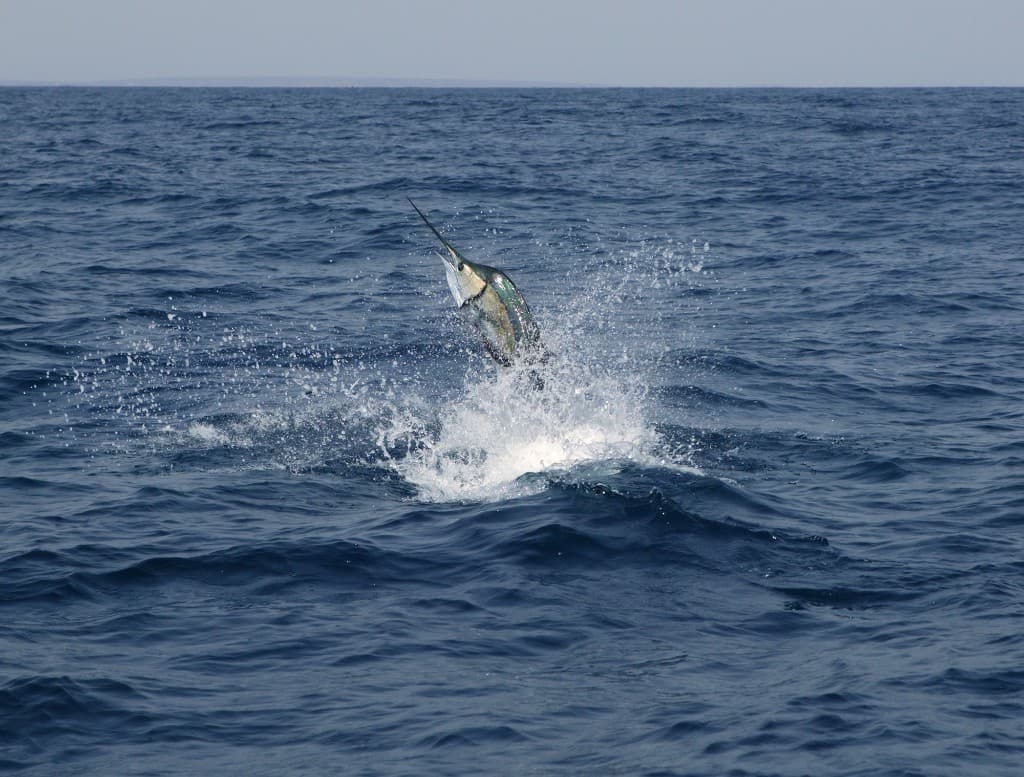
Hawaii Yellowfin Tuna Fishing 2026: Peak Season, Charters & Ahi Tips
Hawaii yellowfin tuna (ahi) fishing in 2026—peak months by island, NRMFL license rules for visitors, charter booking tips, trolling tactics, and offshore…
2026 seasons & limits
Verify rules with Hawaii fish & wildlife
- Confirm open seasons, daily bag, and possession limits for each species and water you fish.
- Check length and slot rules—many lakes, rivers, and bays have special tables beyond statewide defaults.
- Review 2026 summaries and any emergency orders (closures, health notices, gear rules) before you go.
The Inside Spread orients you for trip planning only. Conservation officers enforce the official published regulations—not articles or forum posts.
Yellowfin tuna—locally ahi—are Hawaii’s dinner-plate prize: hard runs, bright yellow finlets, and sashimi-grade meat when iced right. You can catch them year-round, but peak season is usually May through September, with midsummer often best for bigger fish. Most visitors succeed on a shared or private charter; DIY offshore only makes sense if you already run blue water safely.
This guide is for trip planning. It is not the law. Confirm seasons, licenses, bag rules, and closed areas with the Hawaii Division of Aquatic Resources (DAR) before you go. Pair it with our Hawaii fishing overview for 2026 and the Hawaii fishing hub.
Peak Season Calendar (Typical Patterns)
Yellowfin move with ocean conditions. Treat this as a planning aid—not a guarantee—and build buffer days for wind and swell.
| Island / area | Jan–Mar | Apr–May | Jun–Aug | Sep–Oct | Nov–Dec |
|---|---|---|---|---|---|
| Oahu | Fair | Good | Peak | Good | Fair–Good |
| Big Island (Kona / blue water) | Fair | Fair–Good | Peak | Peak–Good | Fair |
| Maui / channels | Fair | Good | Peak | Good | Fair |
| Kauai (leeward windows) | Good | Peak–Good | Peak | Peak–Good | Good–Fair |
Practical takeaway for 2026 travelers: If ahi is your main goal, aim for late spring through summer, book early (shared seats fill), and ask captains about recent buoy and current-line reports—not just brochure calendars.
Licenses: What Visitors Actually Need
Hawaii does not work like a mainland “buy a saltwater stamp and go” state. For ocean recreational fishing:
- Nonresidents age 15+ generally need a Nonresident Recreational Marine Fishing License (NRMFL) to fish recreationally in the ocean (DAR lists limited exceptions such as active-duty military and their minor children).
- DAR publishes short-term and annual NRMFL options (commonly 1-day, 7-day, and annual—confirm current fees on the licenses and permits page).
- Freshwater fishing on public waters is a separate Freshwater Game Fishing License—irrelevant for offshore ahi, critical if you also fish reservoirs or streams.
- Charter guests still need to understand who must hold an NRMFL; do not assume the boat’s commercial license covers your personal recreational take. Ask the booking office before arrival.
Buy through official DAR portals, keep digital proof offline, and verify before you lose signal at the harbor.
Regulations and Bag Limits (Be Honest)
Hawaii’s recreational pamphlet is strict on many reef and bottomfish species. Yellowfin / pelagic tuna rules are often lighter in the recreational tables—but that is not permission to skip the booklet.
Before you keep ahi:
- Read the current DAR fishing regulations for bag, possession, gear, and area rules that apply to your island.
- Know closed areas and marine managed areas—GPS pins do not replace posted rules.
- Separate recreational keep from sale. Commercial sale of tuna can trigger different size, licensing, and reporting rules. If you are not a licensed commercial fisher or dealer, do not improvise a “sell the leftover ahi” plan.
- Federal highly migratory species context can matter for some private-boat and commercial operations. Charter crews help with logistics; you still own basic compliance.
If a social post disagrees with DAR’s PDF, trust DAR.
Where Anglers Find Yellowfin in Hawaii
- Oahu blue water — Buoy clusters (FADs), current lines, and classic trolling lanes when seas allow.
- Big Island (especially Kona coast culture) — Deep water close to shore, strong charter fleet, mixed pelagic days.
- Maui / Lānaʻi crossings — Productive when weather windows open; channel conditions come first.
- Kauai leeward — Good ahi reputation in season, but rough water and limited plan-B harbors demand conservative calls.
Local daily intel (who marked fish yesterday, where birds worked, which FAD was quiet) beats a national forecast. Ask the dock, not only the internet.
Book a Charter: What to Ask Before You Pay
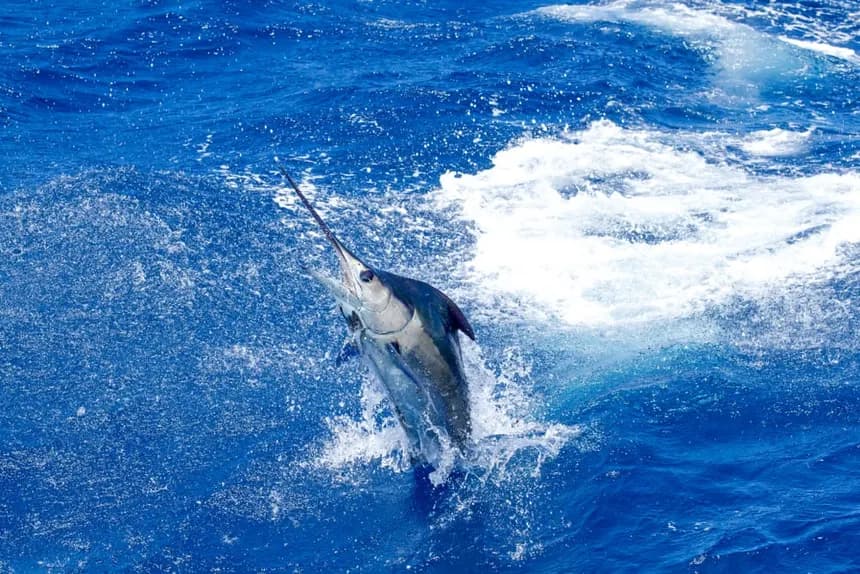
Most first-time Hawaii ahi anglers should start on a reputable charter. Before you book:
- Shared vs private — Shared is cheaper and social; private gives you more say on run time and target priority.
- Half-day vs full-day — Full days reach more water and usually raise odds; half-days suit seasickness-prone guests.
- What happens to the fish — Who keeps fillets, how ice is handled, and whether the crew can clean fish for you.
- Cancel / weather policy — Trade winds and swell scrub trips. Know refund vs rebook rules in writing.
- What to bring — Soft-soled shoes, light layers, reef-safe sunscreen, hat, sunglasses, non-drowsy seasickness meds if you need them, and a soft cooler if you are taking fish to a condo.
- Tip customs — Ask the office for the boat’s norm; cash for crew is still common.
- Experience level — Tell them you are new. Good crews coach gaff lanes, rod etiquette, and when to sit down.
Charters are teachers, not a substitute for reading DAR rules.
How to Fish for Yellowfin Tuna in Hawaii
Trolling spreads and FADs
Most Hawaii ahi are taken trolling: skirted lures, jet heads, and spreader-bar style presentations pulled along current edges, bird piles, and fish aggregating devices (FADs) when legal and productive. Captains set the spread; your job is clear rods, tight lines, and calm deck work when a fish lights up.
Chunking and live bait
Where crews use chunking or live bait, match the program: quiet cockpit, sharp hooks, and a plan for the first screaming run. Bring patience—tuna often circle deep before committing.
Morning windows and ocean reading
Low-light starts matter. Watch birds, skipjack showers, temperature breaks, and current lines. If the ocean looks wrong (building swell, dirty wind chop, bad bar), the best lure in the world will not fix a bad weather call.
Ice, gaffs, and food fish discipline
Ahi are table fish. Plan ice capacity before the bite. Gaff only when the crew says so, keep the deck clear, and bleed/ice promptly for quality. Warm decks ruin sashimi faster than you think.
Shared-boat etiquette
- Stay out of the gaff lane unless asked.
- Do not step on lines or leave loose feet near the transom.
- Celebrate quietly—other rods may still be fishing.
- Help with ice and cleanup if invited; stay seated if not.
Offshore Safety and Weather
Hawaii’s beauty hides real risk: sudden wind, channel seas, dehydration, and bar crossings.
- File a float plan for private boats; tell someone your return window.
- Respect windward vs leeward conditions—leeward looks calmer until the trades fill in.
- Treat seasickness and heat as trip-enders, not jokes. Hydrate early.
- Wear a PFD when the crew asks; non-swimmers should say so before leaving the slip.
- Protected species (monk seals, turtles, whales) get space—never chase wildlife for photos.
If you are not comfortable offshore, book the charter and enjoy the day.
Ahi vs Shibi (Quick ID)
In local talk, ahi often means quality yellowfin (and sometimes bigeye in markets). Shibi usually means smaller yellowfin. Color, fin shape, and eye size help separate yellowfin from bigeye—ask the crew when fish hit the deck if you are unsure. Good ID protects you if rules differ by species group or if you later deal with commercial sale thresholds.
Plan Your 2026 Ahi Trip
- Pick an island and a weather-flexible week in peak season if you can.
- Buy any required NRMFL before harbor day.
- Book a charter with a written weather policy.
- Skim the current DAR regulations PDF the night before.
- Pack soft shoes, sun protection, and a plan for fish storage after the dock.
More Hawaii pelagic guides:
Also see the Hawaii outdoors guide and fishing articles.
Frequently Asked Questions
When is peak yellowfin tuna season in Hawaii?
Yellowfin (ahi) are caught year-round, but peak action is typically May through September, with June–August often best for larger fish. Island and weather windows still decide whether you leave the harbor.
Do visitors need a fishing license for ahi in Hawaii?
Nonresidents age 15 or older generally need a Nonresident Recreational Marine Fishing License (NRMFL) to fish recreationally in the ocean, with limited exceptions such as active-duty military and their minor children. Confirm current products and fees on DAR’s licenses and permits page.
Are there bag limits for yellowfin tuna?
Recreational yellowfin often face fewer statewide bag and size limits than reef or bottomfish species, but DAR tables, gear rules, closed areas, and commercial-sale rules can still apply. Check the current fishing regulations booklet for your island and trip type.
Should first-timers book a charter?
Yes for most visitors. Charters handle FADs, spreads, gaffing, and weather calls. Private boats need blue-water experience, ice capacity, safety gear, and a real float plan.
What is the difference between ahi and shibi?
“Ahi” usually means yellowfin (and sometimes bigeye). Smaller yellowfin are often called shibi. Confirm ID with the crew when fish come aboard.
Sources
- State of Hawaii Department of Land and Natural Resources, Division of Aquatic Resources. "Fishing." DAR, dlnr.hawaii.gov/dar/fishing. Accessed 15 Jul. 2026.
- State of Hawaii Division of Aquatic Resources. "Licenses and Permits." DAR, dlnr.hawaii.gov/dar/fishing/licenses-and-permits. Accessed 15 Jul. 2026.
- State of Hawaii Division of Aquatic Resources. "Fishing Regulations." DAR, dlnr.hawaii.gov/dar/fishing/fishing-regulations. Accessed 15 Jul. 2026.
- NOAA Fisheries. "Pacific Yellowfin Tuna." NOAA, fisheries.noaa.gov/species/pacific-yellowfin-tuna. Accessed 15 Jul. 2026.
- Western Pacific Regional Fishery Management Council. "Home." WPRFMC, wpcouncil.org. Accessed 15 Jul. 2026.
Official state agency
Hawaii Division of Aquatic Resources — FishingVerify season openings, daily bag, possession, and length or slot rules for each water and species you target—plus any 2026 rule changes or emergency orders—before you fish.
Written by
The Inside Spread Team
The Inside Spread team covers fishing regulations and access across all 50 states. We tie every guide to official agency sources so you can verify seasons, bag limits, and license rules before you launch.
Comments
No comments yet. Be the first to share your thoughts.
More in state-guides
Arkansas Duck Hunting 2026: Season Dates, WMA Permits, License Costs & Complete Guide
Arkansas duck hunting 2026-27—three-segment season dates, nonresident WMA waterfowl permits, Black River and Bayou Meto access changes, and Delta license costs.
Georgia Whitetail Deer Hunting 2026: Season Dates, Extended Counties, License Costs & Nonresident Guide
Georgia whitetail deer hunting 2026-27—archery, primitive weapons, and firearms dates, 29-county extended archery, 12-deer bag, Game Check, and the nonresident guide.
Kentucky Whitetail Deer Hunting 2026: Season Dates, Zone Changes, License Costs & Nonresident Guide
Kentucky whitetail deer hunting 2026-27—archery, crossbow, and modern gun dates, the 2026 zone map, license and deer permit costs, Telecheck, and the nonresident guide.
Michigan Whitetail Deer Hunting 2026: Season Dates, License Costs, UP vs LP & Nonresident Guide
Michigan whitetail deer hunting 2026—archery, firearm, and three-day December dates, DNR license fees, Upper vs Lower Peninsula rules, baiting, and the nonresident guide.