
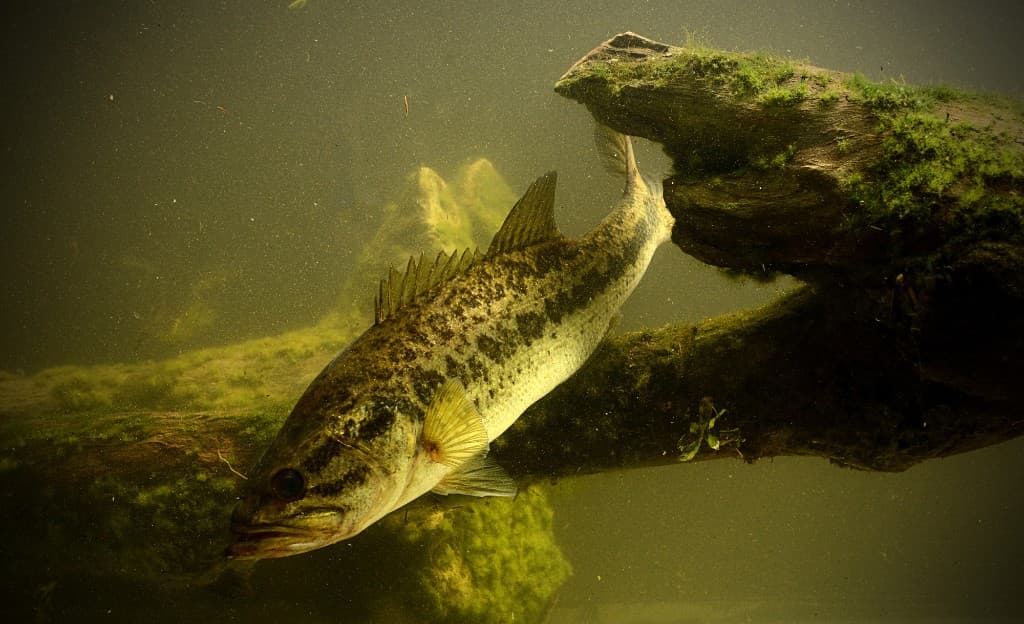
Indiana fishing 2026—license options, official DNR regulations, Lake Michigan trout and salmon rules, inland lake planning, and Ohio River border-water checks.
2026 seasons & limits
Verify rules with Indiana fish & wildlife
- Confirm open seasons, daily bag, and possession limits for each species and water you fish.
- Check length and slot rules—many lakes, rivers, and bays have special tables beyond statewide defaults.
- Review 2026 summaries and any emergency orders (closures, health notices, gear rules) before you go.
The Inside Spread orients you for trip planning only. Conservation officers enforce the official published regulations—not articles or forum posts.
Need an Indiana fishing license, the current regulations guide, or the right official page before you go? Start by deciding whether your trip is a northern natural-lake day, a southern reservoir trip, a Lake Michigan outing, or an Ohio River border-water plan. Those waters fish differently and they do not all reward the same assumptions. The Indiana Department of Natural Resources is the official source for 2026 license details, regulations, and site-specific guidance.
Indiana fishing is best understood as a state with three distinct personalities. Northern Indiana revolves around natural lakes and panfish tradition. Southern Indiana leans on reservoirs, hill-country structure, and multi-species days. The northwest corner adds a true Great Lakes identity with harbors, piers, charter culture, and trout-salmon planning that looks nothing like a typical inland weekend. Add the Ohio River and geography matters as much as species.
2026 Seasons, Limits, and Rule Changes
This article is not the law. Your state's fish and wildlife agency publishes the official rules—online digests, mobile apps, and emergency notices—and those sources control what you can keep, when you can fish, and where.
Indiana manages Great Lakes and inland freshwater fisheries; rules differ between lakes, connecting waters, rivers, and border waters. Named lakes and rivers often have special regulations beyond statewide defaults; border waters with neighboring states or provinces may add more rules. Always match the species, water body, and date you plan to fish to the correct table.
What to verify before every trip
- Seasons and closures for each species you target (game fish, panfish, trout, salmon, steelhead, and Great Lakes species)
- Daily and possession limits (creel limits) and whether aggregate caps apply across similar species
- Minimum and maximum length and slot limits, plus how length is measured (total length vs. fork length)
- Gear restrictions (bait, hooks, tackle) where they apply
- Special rules for WMAs, community fishing waters, trophy waters, and border waters
2026 updates and mid-season changes
Agencies publish annual summaries and sometimes emergency orders (water quality, fish health, stock changes, or temporary closures). Before you plan 2026 trips:
- open the current regulations for the license year that covers your dates
- check your agency's news or rule change page for new limits, stamps, or reporting rules
- read invasive species and bait movement notices if you move boats or gear between waters
If a forum or social post disagrees with the agency PDF, trust the agency and walk away from edge cases.
Popular species: what to look up in the digest
Use the index or online tools to find limits for the fish you actually plan to catch—black bass (largemouth, smallmouth, spotted), panfish (crappie, bluegill, perch, sunfish), catfish, trout and salmon (including steelhead where present), walleye and sauger, muskies and pike, and Great Lakes species such as yellow perch, lake trout, coho salmon, and chinook salmon where those fisheries apply. Do not keep fish until you match the species to the exact rule line for that water body and date.
| Topic | Verify in the official digest |
|---|---|
| Daily bag | Per-day harvest limit per species or aggregate groups |
| Possession | Fish you may have in camp, cooler, or vehicle combined |
| Length / slot | Minimum, maximum, or protected length bands |
| Season | Opening and closing dates, catch-and-release-only windows, closures |
Indiana official source: Indiana Department of Natural Resources — Fish & Wildlife — Fishing
Species-specific guides (2026)
Deeper dives on Indiana’s top game fish—history, where they live, 2026 regulations, and how to fish for them:
Why Indiana Fishing Feels Bigger Than the Map Suggests
At a glance, Indiana can look like a straightforward inland state with one Great Lakes corner. In practice, it fishes much bigger than that. The northern natural-lake belt supports a long tradition of bluegill, crappie, bass, walleye, and muskellunge talk. Southern reservoirs pull serious bass and crappie effort and can be ideal for road-trippers who want dependable public access. Lake Michigan gives anglers piers, breakwalls, trollers, tributary-adjacent planning, and the kind of weather judgment more often associated with larger coastal states. The Ohio River adds current, heavy navigation, and border-water questions that keep even experienced anglers from coasting on assumptions. Indiana rewards anglers who plan by region first and only then zoom in on species and tackle.
What Indiana Fishing License Do You Need?
Most anglers need a valid Indiana fishing license unless they fall under a listed exemption. The key planning step is not just buying a license, but buying the right combination for the trip you are actually taking. Residents, nonresidents, annual anglers, and short-stay visitors may look at different options, and Lake Michigan trips can involve extra attention to trout-salmon requirements. Indiana DNR’s licensing system is the place to confirm what applies before launch day. Save proof of purchase in more than one form. A screenshot, an email receipt, or a paper copy can save you frustration when your phone has poor service at a ramp, pier, or river access.
Northern Indiana Natural Lakes Set the Tone
Northern Indiana’s glacial and natural lakes give the state a different feel from the flood-control reservoir image many outsiders assume. These waters are often rich in local tradition, seasonal panfish movement, weed growth strategy, and species diversity. They can reward simple family trips, but they also support highly technical days where electronics, weed-edge precision, or open-water bait tracking matter. That flexibility is part of Indiana’s appeal. You can spend one day introducing kids to bluegill and crappie on a local lake and the next day building a serious plan around bass, walleye, or muskie in the same region. Access, local pressure, and lake-specific rules still matter, so anglers should read site notes instead of treating all natural lakes as interchangeable.
Which Indiana Waters Are Strong for Bass and Walleye?
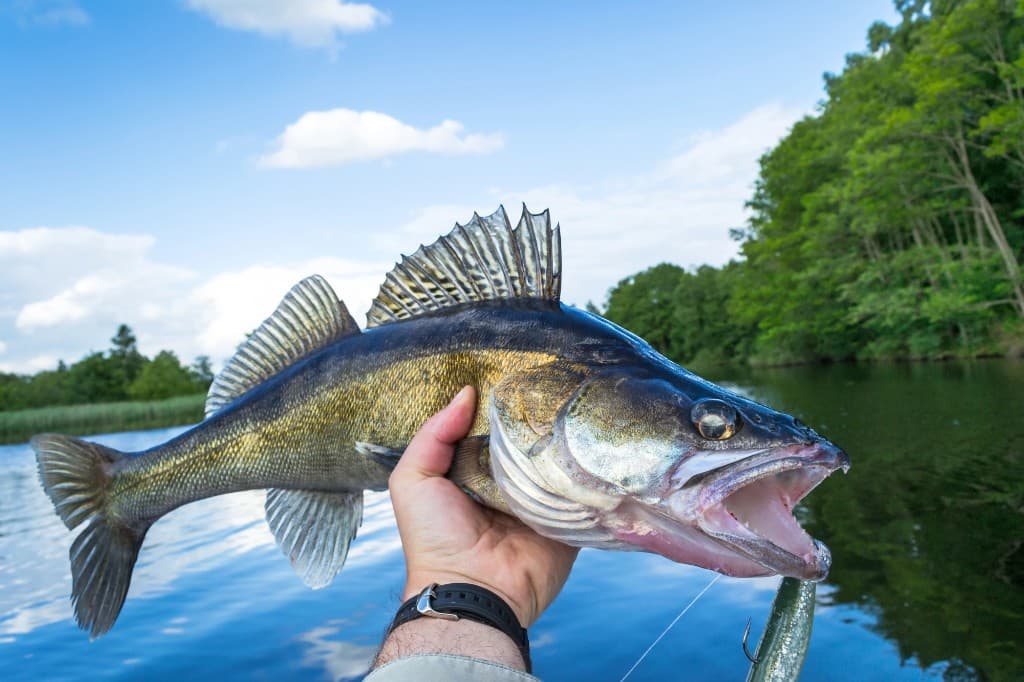
The short answer is that Indiana gives different answers depending on the map. Patoka Lake, Monroe Lake, and Brookville Lake are familiar names for anglers who think in terms of southern and central reservoirs. Northern lakes pull the conversation toward walleye, panfish, mixed-species days, and a different style of seasonal movement. Some lakes fish best when vegetation is stable and the weather has not flipped too hard. Others shine when current, stocking history, or prey location align. That regional split is why broad claims about the “best” Indiana water can mislead new visitors. A bank angler, a kayak angler, and a tournament boater may all answer that question differently and still be correct.
Southern Reservoirs: Patoka, Monroe, Brookville, and More
Southern Indiana reservoirs are where many traveling anglers start because they are easier to understand at a glance than a sprawling natural-lake region. Large reservoirs such as Patoka and Monroe can support serious largemouth planning, crappie effort, catfish trips, and family outings that mix scenic water with solid infrastructure. Brookville adds its own appeal, including clearer-water patterns and a feel that can shift with seasonal pressure. Reservoirs reward anglers who think about creek arms, main-lake points, water color, and changing depth preferences through the year. They also demand patience on busy weekends. Pleasure boat traffic, tournament crowds, and long idle zones can change how much fishing time you actually get from a day.
Natural Lakes, Panfish Culture, and Walleye Interest
Northern Indiana offers a fishing culture that many anglers love because it stays practical and varied. Panfish remain central, especially for people who care more about a consistent seasonal pattern than chasing internet hype. Walleye planning in this part of the state can revolve around local knowledge, stocking context, and lake-specific reading rather than one giant marquee fishery. Bass anglers still get plenty of opportunity, but the experience can feel more intimate than a big-reservoir run. Smaller access points, neighborhood boat traffic, and highly pressured community favorites all force anglers to fish with more nuance. Indiana’s natural lakes are not just beginner waters. They can humble experienced anglers who assume every lake should behave like a reservoir.
Lake Michigan Changes the Entire Conversation
Indiana’s Lake Michigan shoreline is short compared with some neighboring states, but it is strategically important and culturally huge for fishing. The moment you shift from inland planning to Great Lakes planning, almost everything changes: weather risk, harbor access, species mix, travel timing, and the need to think about wave forecasts the same way you think about bag limits. Indiana anglers get access to a Great Lakes fishery that includes harbor and pier opportunity, open-water boating, and trout-salmon attention that can bring in visitors from well beyond the state. Even if your trip stays land-based, Lake Michigan is not casual water. Wind, cold, slick surfaces, and crowded access can turn a promising day into a poor decision if you treat the lake like a farm pond with better scenery.
Lake Michigan Harbors, Piers, and Boat Planning
For many Indiana anglers, Lake Michigan starts with practical access points such as harbors, breakwalls, and piers near communities tied to the shoreline. These areas can give shore-based anglers a realistic chance at a Great Lakes experience without requiring a larger boat. They also come with responsibilities. Cold water, wave wash, slippery concrete, and crowding all demand attention. If you are boating on Lake Michigan, treat marine forecasts as essential gear. The fish may still be there tomorrow. Your margin for error might not be. Many excellent inland boaters make poor Great Lakes decisions because they confuse confidence with preparedness. Indiana’s Lake Michigan corner rewards caution more than bravado.
Trout, Salmon, and Great Lakes Detail
Great Lakes salmonid planning is one of the reasons Indiana fishing stands out. Lake Michigan introduces trout and salmon opportunity that feels completely different from largemouth or panfish planning inland. Trolling spreads, harbor timing, pier casting windows, and temperature-driven movement all change the rhythm of the day. Indiana DNR materials should be your first stop for understanding what privileges, stamps, or species-specific guidance apply. The right mindset is not to memorize a social-media caption about what was hot last week. It is to verify current regulations, confirm where you are legally fishing, and accept that changing conditions on a Great Lake can reset the entire game faster than an inland angler expects.
The Ohio River Deserves Its Own Planning Mindset
Indiana’s southern edge on the Ohio River is one of the biggest reasons the state cannot be reduced to “lakes plus one shoreline.” The Ohio River is a border-water and current-water story. Fishable, productive, and full of possibility, yes, but also a place where interstate understanding matters. Anglers should confirm how Indiana and Kentucky rules interact on the exact reach they plan to fish instead of assuming a home-state habit will automatically carry over. The river can be great for catfish, bass, and mixed-species effort, but commercial traffic, current seams, changing water levels, and muddy or debris-heavy conditions make it a planning fishery, not a casual shortcut.
Border-Water Awareness Matters in Indiana
The Ohio River is the obvious border-water example, but it is not the only moment when Indiana anglers need to slow down and read carefully. Lake Michigan planning can involve jurisdictional awareness, and some shared or near-boundary waters can confuse newcomers who focus on where they launched rather than where they are fishing. The safest habit is to carry the relevant regulation summaries for the water you are on and confirm any reciprocity or boundary guidance before the trip. Border-water confusion rarely creates the kind of exciting fishing story you want to retell. It usually creates a preventable citation or a ruined afternoon.
Public Access, Ramps, and Weekend Pressure
Indiana is a strong access state for many anglers because public launches, piers, and state-managed sites give real options across regions. But good access does not mean easy access at peak times. Holiday weekends can stack boaters at reservoir ramps. Popular natural lakes can see early-morning congestion that surprises visitors used to quieter waters. Great Lakes piers and harbors can become shoulder-to-shoulder during strong runs or pleasant-weather weekends. Good trip design means asking whether you want the most famous access point or the access point that fits your actual tolerance for crowds. Sometimes the better Indiana decision is the less glamorous site that lets you fish instead of compete for parking.
Seasonal Patterns Across the State
Spring in Indiana can feel like several states waking up at once. Northern lakes begin shifting toward shallow opportunities, reservoirs load up with spawning energy, and Lake Michigan planning starts intensifying as anglers watch weather and temperature transitions. Summer stretches the difference between regions even more. Reservoir bass patterns move deeper or narrower, family panfish trips stay productive in the right lakes, and Lake Michigan becomes a larger destination story. Fall gives many anglers their favorite calendar because cooling water can sharpen patterns and pleasure-boat pressure often eases. Winter reduces options but still leaves room for dedicated anglers willing to plan around safety, species, and realistic travel conditions.
Safety: Big Water, Current, and Common Mistakes
Indiana’s diversity is an advantage, but it also means anglers can get overconfident by carrying the wrong safety assumptions from one region to another. Lake Michigan requires marine-weather discipline. The Ohio River demands respect for current, tow traffic, and floating debris. Reservoirs can produce dangerous fog, summer lightning, and crowded ramp behavior. Small lakes create their own issues through soft banks, changing vegetation, and cold-water exposure during shoulder seasons. The common thread is that most fishing accidents begin with “we thought it would be fine.” Build backup plans. Leave early when weather turns. Wear the life jacket before the emergency gives you a reason.
Documentation, Measurement, and Fish Care
The best anglers are rarely the loosest anglers when it comes to regulations. Carry your license, use a real measuring board when species-specific limits matter, and organize your harvest carefully before you hit the road. This matters even more if you fish with friends or guests who do not know Indiana rules. A five-minute talk before launch can prevent a long argument at the end of the day. Good fish care matters too. Great fisheries do not stay healthy just because agencies print rules. They stay healthy when anglers release fish cleanly, support fish horizontally when appropriate, and stop acting like every big fish needs a long photo session.
Family Trips and Realistic Indiana Itineraries
Indiana is one of those states where family-friendly trip design is actually easier than many anglers think. You can plan a simple pier or bank outing, choose a reservoir with amenities, or target a smaller natural lake where the day feels manageable for new anglers. Not every trip needs to be a Lake Michigan production or a long reservoir grind. When you are introducing kids or first-timers, short windows, shade, snacks, bathrooms, and easy parking do more for success than a famous lake name. Indiana’s real strength is that it gives room for both serious anglers and entry-level anglers without forcing everyone into the same model of “success.”
Plan Your Indiana Fishing Trip
Use this guide with our Indiana outdoors hub and the Indiana fishing state page for broader planning. Browse more fishing articles if you want tactics that match the type of water you are targeting. For Lake Michigan, build weather flexibility and harbor-specific planning into the trip. For Ohio River days, confirm border-water guidance before you leave home. For reservoir weekends, think hard about launch timing and crowd tolerance. Indiana rewards anglers who stop treating the entire state like one generic rulebook and instead match their plan to the exact water in front of them.
Frequently Asked Questions
Do I need a fishing license in Indiana?
Most anglers need an Indiana fishing license unless an exemption applies; check current resident, nonresident, and short-term options through Indiana DNR before your trip.
Where can I find Indiana fishing regulations?
Use Indiana DNR fishing pages for the current regulation guide, water-specific special rules, and Great Lakes or trout-salmon updates where relevant.
What are Indiana’s best-known bass lakes?
Patoka Lake, Monroe Lake, and Brookville Lake are well-known bass destinations, while northern natural lakes add walleye, panfish, and mixed-species opportunities.
How important is Lake Michigan in Indiana fishing?
Lake Michigan is a major part of Indiana fishing because it adds harbors, piers, and Great Lakes trout and salmon opportunity that feel very different from inland waters.
What should I know about the Ohio River in Indiana?
The Ohio River is a true border-water planning issue, so anglers should read Indiana guidance carefully and confirm how interstate rules apply before fishing near Kentucky.
Where can I buy an Indiana fishing license?
Purchase through Indiana DNR’s official system or approved vendors, and keep proof of license with you in case mobile service is weak at the ramp.
Sources
- Indiana Department of Natural Resources. "Fishing." Indiana DNR, in.gov/dnr/fish-and-wildlife/fishing. Accessed 7 Apr. 2026.
- Indiana Department of Natural Resources. "Buy a Fishing License." Indiana DNR, in.gov/dnr/fish-and-wildlife/fishing/buy-a-license. Accessed 7 Apr. 2026.
- Indiana Department of Natural Resources. "Indiana Fishing Regulation Guide." Indiana DNR, in.gov/dnr/fish-and-wildlife/fishing/fishing-regulations. Accessed 7 Apr. 2026.
Official state agency
Indiana Department of Natural Resources — Fish & Wildlife — FishingVerify season openings, daily bag, possession, and length or slot rules for each water and species you target—plus any 2026 rule changes or emergency orders—before you fish.
Written by
The Inside Spread Team
The Inside Spread team covers fishing regulations and access across all 50 states. We tie every guide to official agency sources so you can verify seasons, bag limits, and license rules before you launch.
Comments
No comments yet. Be the first to share your thoughts.
More in state-guides
Arkansas Duck Hunting 2026: Season Dates, WMA Permits, License Costs & Complete Guide
Arkansas duck hunting 2026-27—three-segment season dates, nonresident WMA waterfowl permits, Black River and Bayou Meto access changes, and Delta license costs.
Georgia Whitetail Deer Hunting 2026: Season Dates, Extended Counties, License Costs & Nonresident Guide
Georgia whitetail deer hunting 2026-27—archery, primitive weapons, and firearms dates, 29-county extended archery, 12-deer bag, Game Check, and the nonresident guide.
Kentucky Whitetail Deer Hunting 2026: Season Dates, Zone Changes, License Costs & Nonresident Guide
Kentucky whitetail deer hunting 2026-27—archery, crossbow, and modern gun dates, the 2026 zone map, license and deer permit costs, Telecheck, and the nonresident guide.
Michigan Whitetail Deer Hunting 2026: Season Dates, License Costs, UP vs LP & Nonresident Guide
Michigan whitetail deer hunting 2026—archery, firearm, and three-day December dates, DNR license fees, Upper vs Lower Peninsula rules, baiting, and the nonresident guide.