
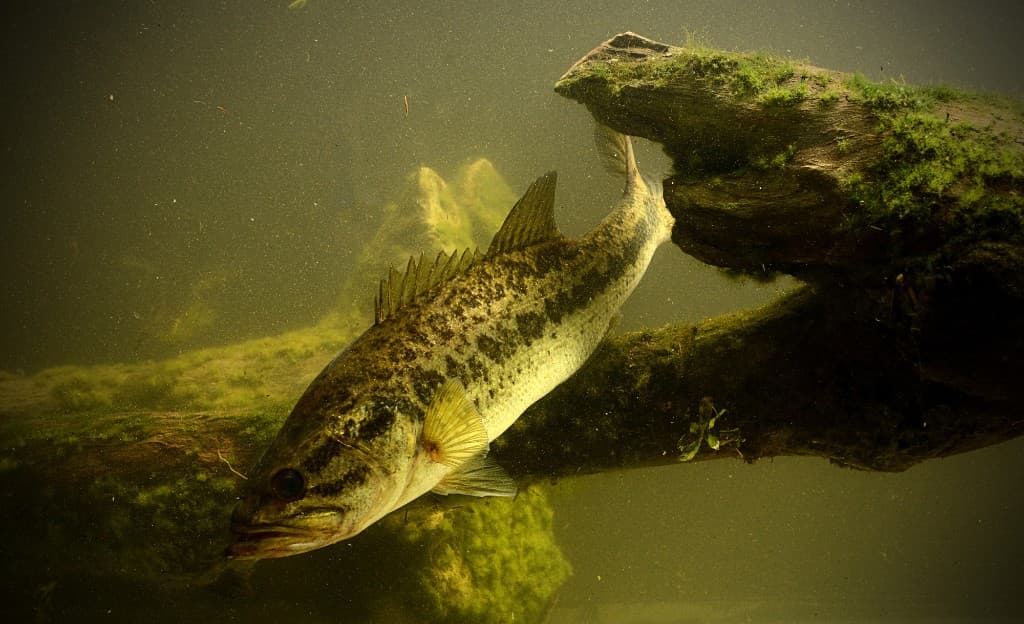
Kansas Fishing 2026: Licenses, Plains Reservoirs, and Southeast Streams
Kansas fishing 2026—license options, official KDWP regulations, reservoir rules, trout-program links, and river access planning.
2026 seasons & limits
Verify rules with Kansas fish & wildlife
- Confirm open seasons, daily bag, and possession limits for each species and water you fish.
- Check length and slot rules—many lakes, rivers, and bays have special tables beyond statewide defaults.
- Review 2026 summaries and any emergency orders (closures, health notices, gear rules) before you go.
The Inside Spread orients you for trip planning only. Conservation officers enforce the official published regulations—not articles or forum posts.
Need a Kansas fishing license, the current regulations summary, or the right official page before your trip? Start with Kansas Department of Wildlife & Parks — Fishing and decide whether you are planning a big reservoir, a state lake, a river, or a trout-program outing. That first choice usually tells you which rules, access notes, and seasonal expectations matter most.
Kansas is underrated because it packs several very different fisheries into a manageable footprint. Milford, Perry, Wilson, Cheney, Glen Elder, El Dorado, the Kansas River, and southeast trout waters all fish differently because of wind, water color, timber, and forage. If you define the species and water type first, the licensing and regulations questions get much easier to sort.
2026 Seasons, Limits, and Rule Changes
This article is not the law. Your state's fish and wildlife agency publishes the official rules—online digests, mobile apps, and emergency notices—and those sources control what you can keep, when you can fish, and where.
Kansas manages freshwater fisheries only—rivers, reservoirs, lakes, and streams. Named waters often carry special regulations beyond statewide defaults; border waters and interstate coordination may apply on shared rivers. Always match the species, water body, and date you plan to fish to the correct table.
What to verify before every trip
- Seasons and closures for each species you target (game fish, panfish, trout, salmon, and steelhead where present)
- Daily and possession limits (creel limits) and whether aggregate caps apply across similar species
- Minimum and maximum length and slot limits, plus how length is measured (total length vs. fork length)
- Gear restrictions (bait, hooks, tackle) where they apply
- Special rules for WMAs, community fishing waters, trophy waters, and border waters
2026 updates and mid-season changes
Agencies publish annual summaries and sometimes emergency orders (water quality, fish health, stock changes, or temporary closures). Before you plan 2026 trips:
- open the current regulations for the license year that covers your dates
- check your agency's news or rule change page for new limits, stamps, or reporting rules
- read invasive species and bait movement notices if you move boats or gear between waters
If a forum or social post disagrees with the agency PDF, trust the agency and walk away from edge cases.
Popular species: what to look up in the digest
Use the index or online tools to find limits for the fish you actually plan to catch—black bass (largemouth, smallmouth, spotted), panfish (crappie, bluegill, perch, sunfish), catfish, trout and salmon (including steelhead where present), walleye and sauger, muskies and pike, and other species listed for your water in the official guide. Do not keep fish until you match the species to the exact rule line for that water body and date.
| Topic | Verify in the official digest |
|---|---|
| Daily bag | Per-day harvest limit per species or aggregate groups |
| Possession | Fish you may have in camp, cooler, or vehicle combined |
| Length / slot | Minimum, maximum, or protected length bands |
| Season | Opening and closing dates, catch-and-release-only windows, closures |
Kansas official source: Kansas Department of Wildlife & Parks — Fishing
Species-specific guides (2026)
Deeper dives on Kansas’s top game fish—history, where they live, 2026 regulations, and how to fish for them:
What Kansas Fishing License Do I Need?
Most adults need a valid Kansas fishing license unless they fall under a listed exemption, and the safest way to sort that out is through Kansas licensing information. Residents, nonresidents, and short-duration visitors all have different options. Some opportunities also require extra attention beyond the basic license. Paddlefish snagging seasons, trout areas, and some special-program waters can carry permit details, area restrictions, or seasonal notices that are easy to miss if you only look at a generic license page.
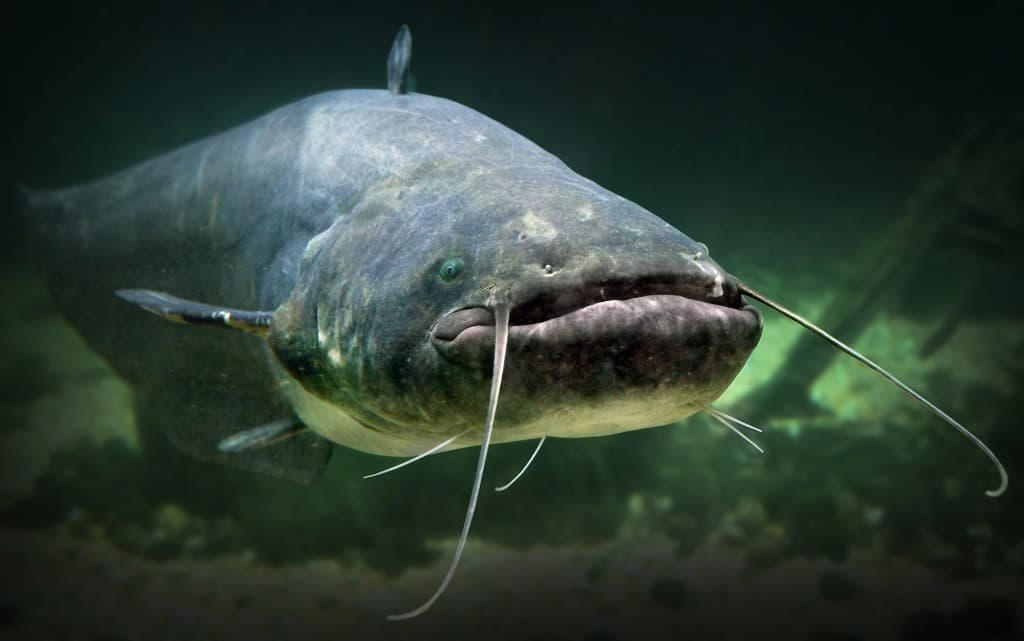
Kansas is also a state where the exact water matters. General statewide rules are only part of the picture. Certain lakes, rivers, trout waters, and reservoirs carry their own harvest rules, restricted methods, or posted access conditions. Before you leave home, pull up the current Kansas fishing regulations summary and then check the specific lake or river page you plan to fish. That extra five minutes can save a long drive and prevent surprises at the ramp.
If you are traveling with kids or occasional anglers, it helps to decide early whether your trip is a boat-centered reservoir weekend or a more flexible mixed outing. A family fishing trip to a state fishing lake or local community lake often needs less gear and less weather tolerance than a big-water reservoir plan. By contrast, if your main goal is a spring crappie run, a summer catfish night trip, or a fall white bass pattern on open water, make sure every adult in camp has the right license before launch day so the morning stays focused on fishing instead of logistics.
Where Are Kansas's Top Reservoirs for Bass and Crappie?
Milford Lake deserves its reputation because it offers scale, habitat variety, and several species that can all be relevant in the same trip. Anglers come for walleye, white bass, crappie, and catfish, but largemouth and smallmouth opportunities matter too. On calm days it is one of the most complete fisheries in the state. On windy days it can be one of the most demanding. If you are trailering from outside Kansas, build weather flexibility into the trip and identify backup coves, marina areas, or smaller nearby waters so one hard south wind does not shut down the entire weekend.
Perry Lake is a favorite for anglers who like structure fishing and spring crappie patterns. Flooded timber, creek-channel swings, and shoreline cover can all come into play depending on water level and season. It also draws a lot of pressure because it sits within easy reach of the Kansas City and Lawrence corridor. The answer is not avoiding Perry entirely; it is fishing it with better timing. Midweek trips, early launches, and a willingness to slide away from the obvious community spots can make a huge difference.
El Dorado is one of the most useful Kansas reservoirs for mixed-species planning. It is close enough to Wichita to receive pressure, but it still gives bass, crappie, white bass, and catfish anglers plenty of room to find patterns. It is a good example of why Kansas reservoir fishing rewards observation. Wind direction can stain one bank, bait can stack in a corner for only a few hours, and the best bite can shift from submerged brush to rock or riprap surprisingly fast.
Wilson and Glen Elder appeal to anglers looking for more classic plains reservoir conditions, where rock, clearer water, and open-water forage create stronger walleye, white bass, and smallmouth possibilities. They may not fit every beginner's comfort zone because big water and weather remain constant factors, but they are absolutely worth the drive if you like covering water and reading wind-blown structure.
- Milford Lake: broad, multi-species reservoir with strong walleye, crappie, white bass, catfish, and bass potential.
- Perry Lake: productive spring crappie water with timber, channels, and easy metro access.
- El Dorado Reservoir: versatile central Kansas fishery that can support a full multi-species weekend.
- Wilson Reservoir: one of the better clearer-water options for anglers who like rock and open-water forage.
- Glen Elder Reservoir: strong choice for anglers prioritizing walleye, white bass, and reservoir structure.
Kansas also has plenty of smaller waters that deserve attention when large reservoirs are rough or crowded. State fishing lakes and community waters are not just emergency backups. Many are genuinely good options for quick bass, panfish, and catfish trips, especially if your family wants a lower-stress outing with less boat traffic. In the Flint Hills and eastern third of the state, ponds and smaller impoundments can sometimes outproduce famous reservoirs when the weather turns unstable.
Beyond Reservoirs: Rivers, Farm Ponds, and Southeast Trout Water
The Kansas River gives the state a completely different personality. Instead of long points and standing timber, you are dealing with sandbars, current seams, changing ramps, and seasonal river shifts. Catfish, drum, carp, white bass movements, and occasional black bass opportunities all attract anglers who enjoy more improvisation. River fishing in Kansas rewards adaptability and access research. A sandbar or launch that looked straightforward last year may not fish the same after high water, and a reach that is great for an afternoon float may be wrong for a heavy, muddy week.
Eastern rivers and tributaries can also produce catfish and warmwater action, especially when runoff, summer flow, and bait concentrations line up. The best approach is to treat river plans as condition dependent, not calendar dependent. Instead of saying you will fish a certain stretch on a fixed date no matter what, check flows, recent weather, and local access conditions a day or two ahead of time.
Kansas farm ponds deserve a place in the conversation too. They are not official destination fisheries in the same way that Milford or Perry are, but for resident anglers with permission they can be some of the most consistent bass and bluegill waters in the state. Smaller water warms faster in spring, often fishes better in short evening windows, and can save a day when the wind makes reservoir fishing miserable.
Southeast Kansas adds trout and mined-land character that many visiting anglers do not expect. Special trout areas and selected stocked waters can offer cold-season opportunity when reservoir anglers are grinding through tougher patterns. Trout waters are exactly where you need to slow down and read the fine print. Stocking seasons, area boundaries, methods, and bait restrictions can all matter. Kansas does have trout fishing, but it is not the kind of fishery where assumptions are safe.
How to Fish Kansas by Season
Spring is when many anglers fall in love with Kansas because the state offers so many overlapping opportunities. Crappie move shallow on many reservoirs. White bass runs and wind-driven schooling activity can light up. Largemouth and smallmouth become more predictable around warming coves, rock, and staging structure. Catfish also wake up, especially as water stabilizes. Spring success usually comes down to not overcommitting too early in the day. Start with a plan, but be willing to shift from brush to riprap, from a protected creek arm to a windy flat, or from bass to crappie if the first pattern clearly is not there.
Summer in Kansas is often better than out-of-state anglers expect, but it requires a different attitude. Midday can be brutal in both heat and boat traffic, especially near metro reservoirs. Early mornings, late evenings, and after-dark catfish trips often produce the most pleasant fishing windows. White bass and wiper-oriented anglers should watch for baitfish concentration and schooling windows. Bass anglers frequently do best by simplifying: fish shade, fish deeper structure, or commit to dawn and dusk instead of forcing an all-day grind.
Fall is one of the strongest seasons in the state because forage moves, temperatures drop, and several species feed more aggressively. If you want a road-trip month to sample Kansas reservoirs for the first time, fall is hard to beat. White bass and walleye-minded anglers often find active fish on wind-blown banks or near bait, while bass and crappie anglers can enjoy more stable daytime windows than they get during summer heat.
Winter depends heavily on region and year. Kansas is not uniform ice country, and many anglers are still fishing open water on reservoirs, rivers, and warm stretches when conditions allow. When ice does form, thickness and quality can vary fast. Treat winter opportunities as local and conditional rather than guaranteed. If your trip depends on safe ice, get local reports before you commit.
Practical Trip Planning for Plains Reservoirs
Kansas makes a lot more sense when you treat wind as the state's main fishing variable. Reservoir size, launch orientation, shoreline exposure, and water clarity all interact with it. The same 20 mph forecast can be manageable on a protected smaller lake and trip-ending on a broad reservoir basin. When planning a multi-day trip, choose lodging and launch options that give you more than one directional setup. It is not glamorous advice, but it is one of the best ways to actually stay on fish.
Boat prep matters because Kansas anglers often cover distance. Check trailer tires, navigation lights, and spare gear before leaving home. If zebra mussel or other aquatic nuisance species procedures apply to the water you are visiting, follow the posted clean, drain, and dry steps closely. Ramps may have notices tied to invasive species, water level, or temporary closures, especially on popular federal reservoirs.
Bank anglers should not write Kansas off as a boat state. Causeways, riprap, bridges, outlet areas, marinas, community lakes, and state fishing lakes can all offer productive access. In fact, some Kansas species line up very well for simple access fishing during the right season. White bass, crappie, catfish, and stocked trout can all be approachable from shore when you plan for timing instead of just location.
Plan Your Kansas Fishing Trip
The best Kansas trip usually combines one headline reservoir with one backup plan. If your primary goal is crappie, center the trip around Perry, Milford, Clinton, or another brush-oriented reservoir that matches the season, then identify a smaller nearby lake for bad-wind hours. If you want walleye, white bass, and smallmouth possibilities, look harder at western and central reservoirs where rock and open-water bait are bigger factors. If you are introducing someone to Kansas fishing for the first time, build a schedule that allows quick adjustments instead of locking yourself into a single giant body of water.
Use our Kansas outdoors guide alongside the Kansas fishing hub to cross-check access ideas and statewide planning. More regional tips live in our fishing articles. The strongest final step is still the official one: verify current Kansas regulations, access conditions, and special waterbody rules through the state before you hitch the trailer.
Frequently Asked Questions
Do I need a Kansas fishing license?
Most adult anglers need a valid Kansas fishing license unless they qualify for an exemption. The cleanest way to confirm eligibility is through KDWP licensing pages, especially if you are a nonresident, planning a short trip, or bringing young anglers with you.
Where can I find Kansas fishing regulations?
Start with the official Kansas fishing pages and then look for the current regulations summary plus any lake- or river-specific notices. That second step matters because many Kansas waters fish under special rules that go beyond the statewide baseline.
What lakes are popular in Kansas?
Milford, Perry, El Dorado, Wilson, Glen Elder, Clinton, Cheney, and Tuttle Creek are among the better-known Kansas fisheries. The right pick depends on whether you care most about bass, crappie, catfish, walleye, or white bass.
Does Kansas have trout fishing?
Yes. Kansas maintains trout opportunities on selected waters, particularly through managed trout areas and stocked programs. Because these waters often have extra rules, anglers should read the current trout program details before showing up with standard warmwater assumptions.
Can I fish the Kansas River?
Yes, and many anglers do, especially for catfish and mixed warmwater action. River trips require extra attention to current, access, water level, and recent weather because conditions can change much faster than they do on a reservoir.
When is the best time to fish Kansas reservoirs?
Spring and fall are the easiest all-around answers because several species become more active and conditions are often more comfortable. Summer can still be excellent, particularly for catfish, white bass, dawn bass trips, and night fishing, if you plan around heat and wind.
Sources
- Kansas Department of Wildlife & Parks. "Fishing." KDWP, https://ksoutdoors.com/Fishing/. Accessed 14 Apr. 2026.
- Kansas Department of Wildlife & Parks. "Licensing." KDWP, https://ksoutdoors.com/Licensing/. Accessed 14 Apr. 2026.
- Kansas Department of Wildlife & Parks. "Fishing Regulations Summary." KDWP, https://ksoutdoors.com/Fishing/Fishing-Regulations. Accessed 14 Apr. 2026.
- Kansas Department of Wildlife & Parks. "State Fishing Lakes." KDWP, https://ksoutdoors.com/Fishing/Where-to-Fish-in-Kansas/State-Fishing-Lakes. Accessed 14 Apr. 2026.
- Kansas Department of Wildlife & Parks. "Trout Fishing Program." KDWP, https://ksoutdoors.com/Fishing/Special-Fishing-Programs-for-You/Trout-Fishing-Program. Accessed 14 Apr. 2026.
Official state agency
Kansas Department of Wildlife & Parks — FishingVerify season openings, daily bag, possession, and length or slot rules for each water and species you target—plus any 2026 rule changes or emergency orders—before you fish.
Written by
The Inside Spread Team
The Inside Spread team covers fishing regulations and access across all 50 states. We tie every guide to official agency sources so you can verify seasons, bag limits, and license rules before you launch.
Comments
No comments yet. Be the first to share your thoughts.
More in state-guides
Arkansas Duck Hunting 2026: Season Dates, WMA Permits, License Costs & Complete Guide
Arkansas duck hunting 2026-27—three-segment season dates, nonresident WMA waterfowl permits, Black River and Bayou Meto access changes, and Delta license costs.
Georgia Whitetail Deer Hunting 2026: Season Dates, Extended Counties, License Costs & Nonresident Guide
Georgia whitetail deer hunting 2026-27—archery, primitive weapons, and firearms dates, 29-county extended archery, 12-deer bag, Game Check, and the nonresident guide.
Kentucky Whitetail Deer Hunting 2026: Season Dates, Zone Changes, License Costs & Nonresident Guide
Kentucky whitetail deer hunting 2026-27—archery, crossbow, and modern gun dates, the 2026 zone map, license and deer permit costs, Telecheck, and the nonresident guide.
Michigan Whitetail Deer Hunting 2026: Season Dates, License Costs, UP vs LP & Nonresident Guide
Michigan whitetail deer hunting 2026—archery, firearm, and three-day December dates, DNR license fees, Upper vs Lower Peninsula rules, baiting, and the nonresident guide.