
Maine Fishing 2026: Licenses, Coldwater Rivers, and Downeast Waters
Maine fishing 2026—license options, official IFW law books, special-rule water checks, Atlantic salmon protections, and inland planning.
2026 seasons & limits
Verify rules with Maine fish & wildlife
- Confirm open seasons, daily bag, and possession limits for each species and water you fish.
- Check length and slot rules—many lakes, rivers, and bays have special tables beyond statewide defaults.
- Review 2026 summaries and any emergency orders (closures, health notices, gear rules) before you go.
The Inside Spread orients you for trip planning only. Conservation officers enforce the official published regulations—not articles or forum posts.
Need a Maine fishing license, the current law book, or the right special-rule-water entry before your trip? Start with IFW Fishing and identify the exact water first. Maine’s open-water and ice law books, special-rule listings, and salmon protections matter more than broad assumptions.
Maine rewards anglers who read carefully and pack for weather. A remote brook trout pond, a Penobscot smallmouth river, and a boundary-water trip near New Hampshire or Canada do not share the same planning assumptions. If you name the exact waterbody first, the license, S-code, and protection questions become much easier to answer.
2026 Seasons, Limits, and Rule Changes
This article is not the law. Your state's fish and wildlife agency publishes the official rules—online digests, mobile apps, and emergency notices—and those sources control what you can keep, when you can fish, and where.
Maine layers freshwater and saltwater rules differently; named lakes, rivers, and bays often have special regulations beyond statewide defaults; border waters and stocks shared with neighboring states or federal waters can add more rules. Always match the species, water body, and date you plan to fish to the correct table.
What to verify before every trip
- Seasons and closures for each species you target (game fish, panfish, trout, salmon, steelhead, or saltwater species)
- Daily and possession limits (creel limits) and whether aggregate caps apply across similar species
- Minimum and maximum length and slot limits, plus how length is measured (total length vs. fork length)
- Gear restrictions (bait, hooks, tackle) where they apply
- Special rules for WMAs, community fishing waters, trophy waters, and border waters
2026 updates and mid-season changes
Agencies publish annual summaries and sometimes emergency orders (water quality, fish health, stock changes, or temporary closures). Before you plan 2026 trips:
- open the current regulations for the license year that covers your dates
- check your agency's news or rule change page for new limits, stamps, or reporting rules
- read invasive species and bait movement notices if you move boats or gear between waters
If a forum or social post disagrees with the agency PDF, trust the agency and walk away from edge cases.
Popular species: what to look up in the digest
Use the index or online tools to find limits for the fish you actually plan to catch—black bass (largemouth, smallmouth, spotted), panfish (crappie, bluegill, perch, sunfish), catfish, trout and salmon (including steelhead where present), walleye and sauger, muskies and pike, and—if your trip includes coastal or estuary water—saltwater species such as red drum, spotted seatrout, snapper, groupers, striped bass, and flounder. Do not keep fish until you match the species to the exact rule line for that water body and date.
| Topic | Verify in the official digest |
|---|---|
| Daily bag | Per-day harvest limit per species or aggregate groups |
| Possession | Fish you may have in camp, cooler, or vehicle combined |
| Length / slot | Minimum, maximum, or protected length bands |
| Season | Opening and closing dates, catch-and-release-only windows, closures |
Maine official source: Maine Department of Inland Fisheries and Wildlife — Fishing
Species-specific guides (2026)
Deeper dives on Maine’s top game fish—history, where they live, 2026 regulations, and how to fish for them:
Special rule waters: maps, codes, and why “general law” is not universal
Maine’s inland system is famous for layered regulations. A lake you memorized five years ago may carry a new slot or gear restriction today. Build a pre-trip routine: locate the water on IFW maps, find its rule line in the law book, and note whether it is general law or special rule. S-codes and named waters exist because fisheries managers need precision—treat that precision as a feature, not paperwork.
Brook trout, landlocked salmon, and native fish ethics
Native brook trout fisheries are a cultural treasure. Remote ponds reward quiet approaches, careful wading, and restraint when spawning fish are present. Landlocked salmon fisheries can be technical and weather dependent; learn holding water, trolling etiquette on shared lakes, and safe release practices when regulations require it. Where invasive competitors threaten natives, follow biologists’ guidance and never move fish between waters.
Smallmouth and largemouth bass on big rivers
The Penobscot, Kennebec, and other large rivers support smallmouth fisheries that attract traveling anglers. Dam tailwaters, ledge rock, and current seams hold fish, but hydropower flows can change quickly—watch for rising water and strainers. Tournament pressure can concentrate boats on key spots; spread out when possible and respect anchored anglers.
Northern pike and invasive fish dynamics
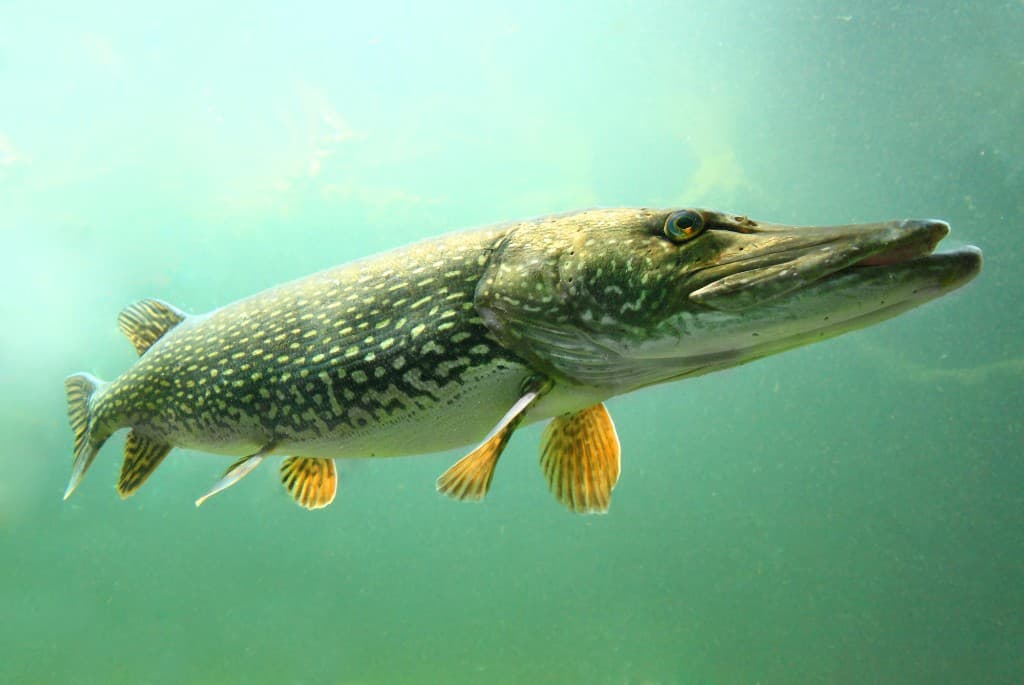
Some waters carry northern pike under special management; other waters battle illegal introductions. Pike identification matters because management responses can differ by water. If you catch a fish that looks out of place, document and report; do not release invasive fish into new drainages. Follow any additional rules for waters known to contain problem species.
Saltwater and registration: plan the marine side deliberately
Maine’s marine fisheries are part of many anglers’ yearly rhythm—groundfish seasons, pelagic opportunities, and forage patterns shift with ocean conditions. IFW and marine resources information can intersect with federal rules depending on species and location; when you are near federal waters or targeting highly regulated species, build a two-layer checklist: state registration or licensing as required, plus federal rules where they apply.
Ice fishing: safety, shelters, and communities
Ice fishing is social in Maine—shanty villages, tip-ups, and perch bites—but ice is never uniformly safe. Carry picks, rope, and spare clothes; test ice as you go; avoid channels with current. Special rules can govern bait, number of lines, and shelters. Read the ice law book chapter each winter; assumptions from last January can fail this January.
Lead gear, tackle restrictions, and stream etiquette
Certain waters restrict lead tackle to protect loons and other wildlife. Read tackle rules carefully before you tie on. On crowded streams, give wading anglers downstream room, avoid low-hanging casts across another line, and yield to anglers fighting fish. When bushwhacking to remote ponds, carry a map, compass or GPS, and tell someone your plan—Maine woods are beautiful and unforgiving.
Baitfish, smelt, and lawful movement
Bait rules protect waters from disease and invasive species. Use licensed bait dealers when required, and do not transport live bait across watersheds if rules prohibit it. Smelt dipping and other seasonal traditions have specific seasons and gear rules—read them annually.
Access, logging roads, and landowner respect
Some of Maine’s best fishing requires crossing private land to reach public water. If you do not have permission, do not cross. Logging roads can be gated, muddy, or rough on small cars—scout access in daylight. Carry a tire kit and tow strap if you fish remote ramps. Leave gates as you found them.
Bears, moose, bugs, and seasonal hazards
Spring and early summer bring black flies and mosquitoes; fall brings rut-season awareness near thick cover. Moose encounters can occur on north woods roads—drive cautiously at dawn and dusk. In saltwater, know your tides and rocks; barnacles slice skin fast.
Kayaks, canoes, and cold-water immersion
Maine water stays cold longer than many anglers expect. Wear a PFD when conditions warrant, especially on big lakes and tidal currents. Hypothermia is a real risk during spring high-water events. Pack dry bags, whistle, and spare layers.
Documentation and enforcement
Keep license proof and any required permits with you. Officers often appreciate anglers who can show the law book page they believed applied—screenshot IFW PDFs before you lose service.
Youth, families, and mentorship
Take kids pond fishing with simple tackle and realistic time limits. Teach identification early, and celebrate careful release. Maine’s fishing future depends on new anglers learning ethics alongside knots.
Seasonal strategy: ice-out, smelt runs, and autumn turnover
Maine rewards anglers who align tackle with the calendar. Ice-out on northern ponds can produce aggressive trout feeds as light and oxygen shift; spring high water on rivers moves fish and reshapes wading safety—scout crossings in daylight before you commit at dusk. Summer on big lakes means early and late windows for salmonids and midday structure fishing for warmwater species when surface temperatures climb. Autumn turnover can reposition fish overnight; carry a thermometer and be willing to move from shallow bays to steep breaks when conditions change. Winter ice communities share perch patterns and safety tips—listen, but still verify ice for yourself every trip. Writing a one-page trip plan with species, water body, and rule citations saves arguments at the ramp when everyone is excited to launch.
What Maine Fishing License Do I Need?
Purchase licenses through MOSES or authorized agents. Most inland anglers need a Maine fishing license; review IFW pages for saltwater registration requirements where they apply, and confirm any additional permits for non-resident aliens or specialized fisheries. Youth and senior options may reduce fees—verify qualifications on the current schedule.
If you fish both inland and marine waters on the same trip, build a credential checklist and read both rule sets. Short-term licenses can suit visitors; frequent travelers often choose annual privileges. Keep digital receipts accessible; rural agents may have limited hours.
Where Are Maine’s Best River and Lake Fisheries?
- Rangeley Lake region: Landlocked salmon and brook trout fisheries with classic Maine scenery—verify slot and season rules for the lake you fish and respect busy boat lanes during peak weeks.
- Penobscot River system: Smallmouth bass and restoration contexts can coexist—check flows, dam schedules, and special regulations near hydro projects.
- Kennebec River corridor: From tailwater reaches to lower river stretches, smallmouth and other species can dominate depending on season—match your section to the law book.
- Allagash Wilderness Waterway: Remote brook trout and canoe-camping culture—plan for weather, portages, and leave-no-trace ethics.
- Downeast coastal waters: Groundfish and pelagic opportunities depending on season and regulations—pair state guidance with safe boating practices in fog and tide.
Plan Your Maine Fishing Trip
Use our Maine outdoors guide with the Maine fishing hub. More: fishing articles. Add buffer time for logging trucks on rural roads, and plan fuel stops carefully in the North Woods. Pack bug protection, rain gear, and warm layers even in summer—mountain ponds and ocean fog can feel like different seasons in the same day.
If you tow a boat, inspect wheel bearings and carry a spare; Maine ramps can be remote from parts stores. Bring a paper map where cell coverage fails. End trips by cleaning gear to prevent invasive spread, and pick up monofilament at popular accesses—good stewardship keeps access open.
Frequently Asked Questions
Do I need a Maine fishing license?
Most anglers need a Maine fishing license for inland waters; review IFW guidance for saltwater registration requirements where they apply, and confirm any additional permits for alien anglers or specialized fisheries.
Where can I find Maine fishing regulations?
Use IFW fishing pages for the Maine Open Water and Ice Fishing law books, special rule waters, and salmon and sea-run fish protections—verify the edition that covers your trip dates.
How does Maine handle special rule waters and S-codes?
Many lakes and rivers carry special regulations listed by code or name; match the water body on the map to the law book entry before you fish, because general law defaults may not apply on those waters.
What should I know about Atlantic salmon and sea-run fish?
Many rivers have strict protections for Atlantic salmon; some waters are closed or catch-and-release only—assume conservation-first rules until you verify harvest allowances for the exact location and date.
What are Maine’s best-known fisheries?
Remote brook trout ponds define the north; the Kennebec and Penobscot support landlocked salmon and bass; Downeast saltwater offers groundfish and pelagic opportunity.
What invasive species should Maine anglers watch for?
Illegal fish introductions and spreading invasives threaten native trout; follow bait movement rules, inspect boats, and report unusual catches to IFW through official channels.
Sources
- Maine Department of Inland Fisheries and Wildlife. "Fishing." IFW, maine.gov/ifw/fish-sports. Accessed 16 Apr. 2026.
Official state agency
Maine Department of Inland Fisheries and Wildlife — FishingVerify season openings, daily bag, possession, and length or slot rules for each water and species you target—plus any 2026 rule changes or emergency orders—before you fish.
Written by
The Inside Spread Team
The Inside Spread team covers fishing regulations and access across all 50 states. We tie every guide to official agency sources so you can verify seasons, bag limits, and license rules before you launch.
Comments
No comments yet. Be the first to share your thoughts.
More in state-guides
Arkansas Duck Hunting 2026: Season Dates, WMA Permits, License Costs & Complete Guide
Arkansas duck hunting 2026-27—three-segment season dates, nonresident WMA waterfowl permits, Black River and Bayou Meto access changes, and Delta license costs.
Georgia Whitetail Deer Hunting 2026: Season Dates, Extended Counties, License Costs & Nonresident Guide
Georgia whitetail deer hunting 2026-27—archery, primitive weapons, and firearms dates, 29-county extended archery, 12-deer bag, Game Check, and the nonresident guide.
Kentucky Whitetail Deer Hunting 2026: Season Dates, Zone Changes, License Costs & Nonresident Guide
Kentucky whitetail deer hunting 2026-27—archery, crossbow, and modern gun dates, the 2026 zone map, license and deer permit costs, Telecheck, and the nonresident guide.
Michigan Whitetail Deer Hunting 2026: Season Dates, License Costs, UP vs LP & Nonresident Guide
Michigan whitetail deer hunting 2026—archery, firearm, and three-day December dates, DNR license fees, Upper vs Lower Peninsula rules, baiting, and the nonresident guide.