
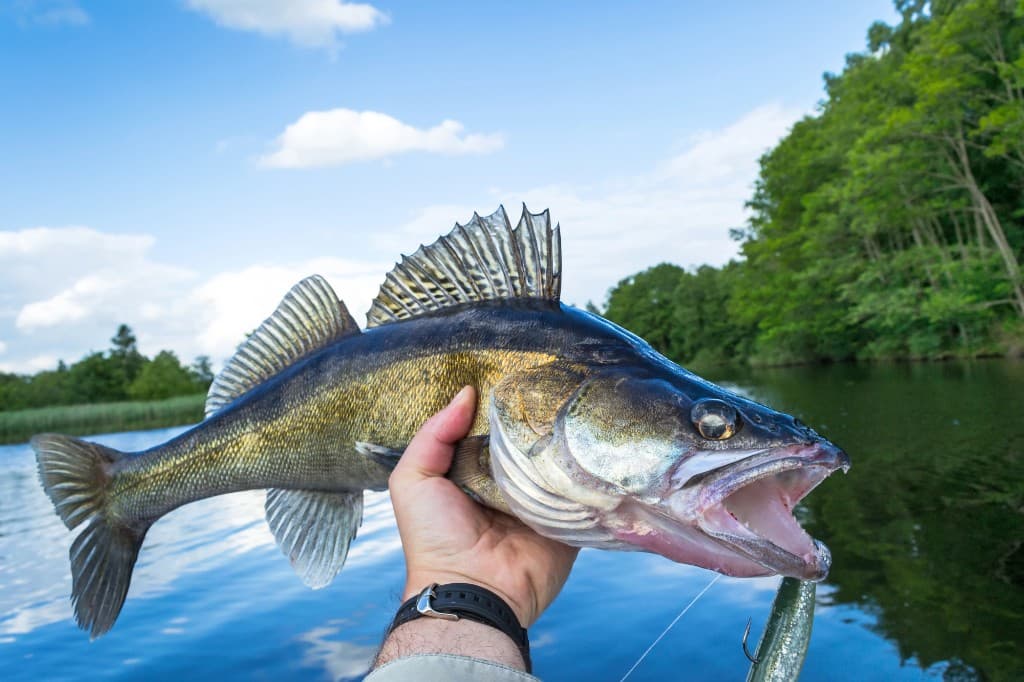
Minnesota fishing 2026—license options, official DNR regulations, trout validation notes, boundary-water planning, and lake-specific walleye and pike rules.
2026 seasons & limits
Verify rules with Minnesota fish & wildlife
- Confirm open seasons, daily bag, and possession limits for each species and water you fish.
- Check length and slot rules—many lakes, rivers, and bays have special tables beyond statewide defaults.
- Review 2026 summaries and any emergency orders (closures, health notices, gear rules) before you go.
The Inside Spread orients you for trip planning only. Conservation officers enforce the official published regulations—not articles or forum posts.
Need a Minnesota fishing license, the current DNR regulations, or the right boundary-water rules before your trip? Start with the Minnesota DNR fishing pages and identify the exact lake or system first. Mille Lacs, Leech, Lake of the Woods, the Boundary Waters, metro lakes, and Lake Superior all come with different planning assumptions, and some trips also involve trout validation or cross-border questions.
Minnesota is too lake-rich and too regulation-specific to fish on reputation alone. Walleye on Mille Lacs does not feel like walleye on a smaller inland lake, and a canoe trip into the Boundary Waters is not the same planning exercise as a resort week on Leech or a shore-fishing day near the Twin Cities. Minnesota rewards anglers who get specific early and verify the exact lake rules before they travel.
2026 Seasons, Limits, and Rule Changes
This article is not the law. Your state's fish and wildlife agency publishes the official rules—online digests, mobile apps, and emergency notices—and those sources control what you can keep, when you can fish, and where.
Minnesota manages Great Lakes and inland freshwater fisheries; rules differ between lakes, connecting waters, rivers, and border waters. Named lakes and rivers often have special regulations beyond statewide defaults; border waters with neighboring states or provinces may add more rules. Always match the species, water body, and date you plan to fish to the correct table.
What to verify before every trip
- Seasons and closures for each species you target (game fish, panfish, trout, salmon, steelhead, and Great Lakes species)
- Daily and possession limits (creel limits) and whether aggregate caps apply across similar species
- Minimum and maximum length and slot limits, plus how length is measured (total length vs. fork length)
- Gear restrictions (bait, hooks, tackle) where they apply
- Special rules for WMAs, community fishing waters, trophy waters, and border waters
2026 updates and mid-season changes
Agencies publish annual summaries and sometimes emergency orders (water quality, fish health, stock changes, or temporary closures). Before you plan 2026 trips:
- open the current regulations for the license year that covers your dates
- check your agency's news or rule change page for new limits, stamps, or reporting rules
- read invasive species and bait movement notices if you move boats or gear between waters
If a forum or social post disagrees with the agency PDF, trust the agency and walk away from edge cases.
Popular species: what to look up in the digest
Use the index or online tools to find limits for the fish you actually plan to catch—black bass (largemouth, smallmouth, spotted), panfish (crappie, bluegill, perch, sunfish), catfish, trout and salmon (including steelhead where present), walleye and sauger, muskies and pike, and Great Lakes species such as yellow perch, lake trout, coho salmon, and chinook salmon where those fisheries apply. Do not keep fish until you match the species to the exact rule line for that water body and date.
| Topic | Verify in the official digest |
|---|---|
| Daily bag | Per-day harvest limit per species or aggregate groups |
| Possession | Fish you may have in camp, cooler, or vehicle combined |
| Length / slot | Minimum, maximum, or protected length bands |
| Season | Opening and closing dates, catch-and-release-only windows, closures |
Minnesota official source: Minnesota Department of Natural Resources — Fishing
Species-specific guides (2026)
Deeper dives on Minnesota’s top game fish—history, where they live, 2026 regulations, and how to fish for them:
What Minnesota Fishing License Do I Need?
Most anglers need a valid Minnesota fishing license unless they qualify for a current exemption. The Minnesota DNR provides licensing information, online purchase options, and current regulations resources that should be reviewed together rather than separately. Buying the license is the easy part. Understanding whether additional validation, species-specific concerns, or destination-specific rules apply is the part that actually shapes the trip.
Trout anglers, for example, should confirm whether trout validation is required on the designated lakes and streams they plan to fish. Border-water anglers should review the exact jurisdiction rules that affect their launch, travel route, and target water. Visitors should give themselves time to read through the official material instead of assuming a nearby state’s system works the same way. Minnesota has enough unique structure in its fishing regulations that a rushed purchase and a half-read summary can create avoidable problems.
A good habit is to treat licensing, regulations, and destination research as one checklist:
- Buy the correct license through the Minnesota DNR or an authorized agent.
- Read the current regulations for your target species and exact waterbody.
- Save those official materials before traveling to remote or low-service areas.
That last point matters more in Minnesota than in many states. The farther north or farther from population centers you go, the more useful offline access becomes. The state’s best fishing often lives in places where a bad assumption is harder to correct on the fly.
What Waters Define Minnesota Walleye and Pike Rules?
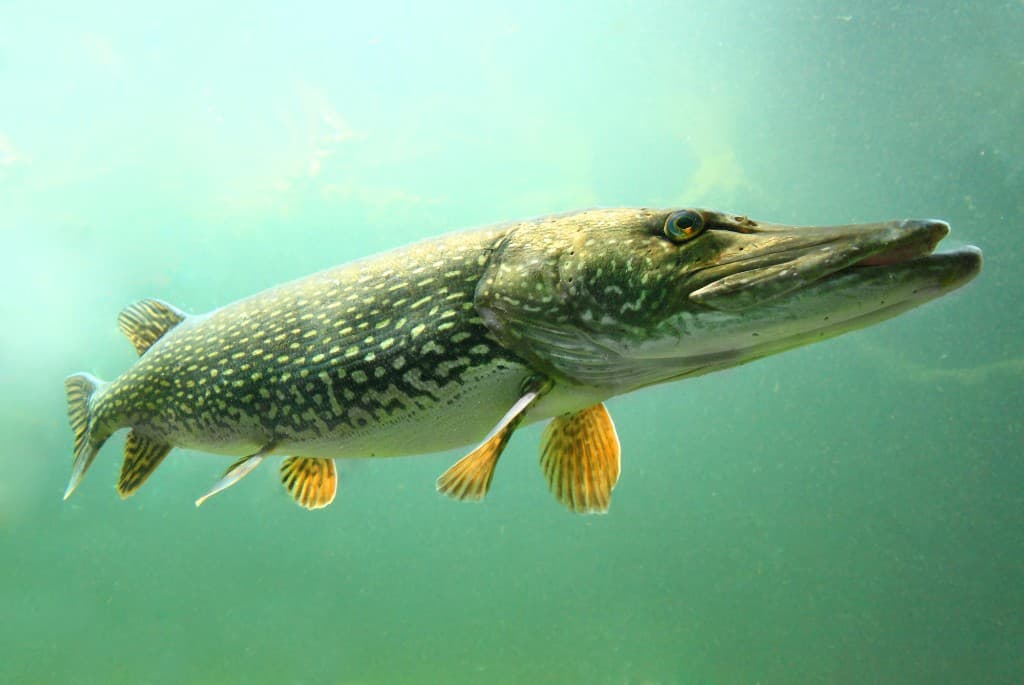
Minnesota walleye and pike identity is built on famous names, but the regulations story is often more important than the marketing story. Mille Lacs is one of the best-known examples because anglers across the Midwest understand that the lake carries close attention, public discussion, and changing context. It is the kind of place where current information matters more than memory. If your trip centers on Mille Lacs, read the latest official guidance and make that the foundation of your plan.
Leech Lake is another cornerstone fishery and a reminder that “Minnesota walleye trip” can mean a wide-open resort destination with established access and strong seasonal patterns. Lake of the Woods belongs in the same conversation, especially for anglers who want both scale and border-water context. Rainy Lake and the Rainy River offer still more variety, but they also reinforce the same lesson: when boundary water enters the picture, regulations research has to keep pace.
Northern pike is where Minnesota’s lake-by-lake identity becomes especially clear. Some waters are managed with different goals than others, and that can translate into different expectations for harvest, size, and overall fishery character. If you are targeting pike specifically, the right trip is not just the water with pike in it. It is the water whose management style matches what kind of trip you want, whether that is action, harvest within the law, or a better chance at larger fish.
The Boundary Waters Canoe Area Wilderness adds another layer because access style changes the entire experience. Fishing there is tied to route planning, wilderness ethics, permit awareness, travel weight, and weather discipline. Smallmouth bass, walleye, northern pike, and lake trout can all enter the picture depending on location and season, but no BWCA trip should be built on vague internet summaries. Confirm entry logistics, review Minnesota rules, and understand whether any neighboring-jurisdiction concerns matter for the route you are taking.
Boundary Waters, Lake Superior, and Border Awareness
Minnesota is not just a lakes state. It is a border and wilderness state, and that distinction changes how smart anglers plan. Lake Superior on the northeast edge offers a Great Lakes dimension that many casual visitors forget to include when they think about Minnesota. It brings cold water, big weather, shoreline access patterns, and species opportunities that feel different from inland Minnesota altogether. A Superior trip can be excellent, but it should be treated like big-water fishing, not like a standard inland-lake outing with a larger backdrop.
Border waters in the north and northeast require even more care. When Ontario, shared waters, or line-specific travel enters the equation, anglers should stop guessing immediately and read the current rules. The same applies if you are paddling remote water where map awareness matters. It is easy to think of Minnesota fishing as mostly lake names and opening weekends. In reality, some of its most iconic destinations are defined by jurisdiction as much as by habitat.
The BWCA deserves special respect because fishing there is inseparable from wilderness travel. Portages, weather shifts, limited shelter, and the need to carry what you need all change how you should approach even a basic fishing plan. A lake that looks manageable on a map can become a different place with wind, cold rain, or a long paddle home. The reward is a fishing experience few places in the country can match, but it demands more than casual preparation.
Minnesota Seasons: Opener Energy, Summer Patterns, Fall Feed, and Ice
Spring in Minnesota carries its own culture. The opener is not just a date on the calendar. It is an event with tradition, travel, and community expectation built around it. That excitement is part of what makes the state fun, but it also creates pressure to move too fast. If you are planning an opener trip, build around current regulations, weather, and realistic access expectations instead of social momentum. The best opener is the one you planned well enough to enjoy.
Summer is when Minnesota’s lake count becomes most useful. Families can fish from docks and public accesses. Resort groups can mix serious morning fishing with relaxed afternoons. Canoe travelers can build route-based trips. Shore anglers can still find action on many waters if they choose their windows carefully. It is a season of flexibility, but not of uniformity. Weed growth, forage location, water clarity, and angling pressure can vary dramatically from region to region.
Fall is a favorite among anglers who like cooler conditions, fewer pleasure boats, and more predictable feeding behavior. Walleye, pike, bass, and lake trout conversations all intensify in different parts of the state as water cools. The trade-off is that conditions become less forgiving. Wind, cold rain, and shorter daylight mean fall trips should be simpler and more intentional than a casual midsummer outing.
Ice fishing is not a side note in Minnesota. It is a defining part of the fishing identity. Hardwater anglers chase walleyes, pike, panfish, perch, lake trout, and more depending on region and regulations. Towns, resorts, bait shops, and local communities all support the season. But none of that changes the core rule: safe ice is local, temporary, and never guaranteed by tradition alone. Conditions can change fast with snow cover, current, pressure cracks, and warm spells. Use current reports, carry rescue gear, and make conservative choices.
Invasive Species, Fish Care, and Travel Discipline
Minnesota’s emphasis on aquatic invasive species prevention is part of the state’s fishing culture, not just an agency message. Remove plants, mud, and debris from boats and trailers. Drain water where required. Clean and dry equipment before moving to another lake or river. Those habits are especially important in a state where anglers often fish multiple waters in a single weekend and where visitors may trailer long distances between destinations.
Travel discipline also matters because Minnesota fishing often involves distance. A trip from the metro to northern lakes, to border water, or to the North Shore can mean long drives and changing conditions. Fatigue affects safety on the road and on the water. If you are launching at dawn after a late arrival, simplify the first day instead of forcing a complicated plan.
Fish care matters on high-value walleye, bass, pike, and lake trout waters where the long-term health of the fishery depends on release ethics and lawful harvest. Use proper tools, shorten handling time, and match your trip to the conditions. Warm-water release stress, especially on larger fish, is something thoughtful anglers plan around rather than ignore.
Plan Your Minnesota Fishing Trip
The best Minnesota trips start with one decision: what kind of experience do you actually want? If you want a classic walleye-resort trip, target a destination built for that and read its current rules carefully. If you want a wilderness fishing trip, commit to route planning, weather awareness, and permit logistics instead of trying to improvise. If you want a mixed-species family vacation, do not be afraid to choose a less famous lake with easier access and more forgiving expectations. Minnesota has enough quality water that you do not need to force every trip toward the biggest-name destination.
For most anglers, a strong planning formula looks like this:
- Pick the fishery type first: resort lake, border water, wilderness route, metro access, or Lake Superior.
- Read the exact Minnesota DNR rules for your target species and chosen waterbody.
- Build a weather-safe backup option before the trip begins.
That approach keeps the trip flexible without making it vague. It also helps you use Minnesota’s biggest strength, which is not just the number of lakes. It is the number of genuinely different fishing experiences the state can support within one season.
Use our Minnesota outdoors guide and the Minnesota fishing hub for deeper destination planning, related coverage, and more fishing resources.
Frequently Asked Questions
Do I need a Minnesota fishing license?
Most anglers do unless they qualify for a current exemption. Trout anglers should also verify whether trout validation applies to their specific destination.
Where can I find Minnesota fishing regulations?
The Minnesota DNR fishing pages and current regulations materials are the best place to start. After that, check lake-specific, species-specific, and border-water guidance for your exact trip.
What are Minnesota’s top fisheries?
Mille Lacs, Leech Lake, Lake of the Woods, Rainy Lake, Lake Superior access points, and the Boundary Waters all belong in the conversation, though many smaller lakes can also produce excellent trips.
Does Minnesota have Great Lakes fishing?
Yes. Minnesota’s Lake Superior shoreline gives anglers a Great Lakes option that feels very different from inland walleye and panfish fishing.
Is ice fishing a major part of Minnesota fishing?
Absolutely. Ice fishing is woven into the state’s angling culture, but every hardwater trip should be built around fresh local conditions and conservative safety calls.
What invasive species practices matter most in Minnesota?
Remove plants and mud, drain water where required, and clean and dry equipment before moving between waters. Those basic steps protect the lakes and rivers that make Minnesota special.
Sources
- Minnesota Department of Natural Resources. "Fishing." MNDNR, https://www.dnr.state.mn.us/fishing/index.html. Accessed 14 Apr. 2026.
- Minnesota Department of Natural Resources. "Licenses." MNDNR, https://www.dnr.state.mn.us/licenses/index.html. Accessed 14 Apr. 2026.
- Minnesota Department of Natural Resources. "Fishing Regulations." MNDNR, https://www.dnr.state.mn.us/fishing/regs.html. Accessed 14 Apr. 2026.
Official state agency
Minnesota Department of Natural Resources — FishingVerify season openings, daily bag, possession, and length or slot rules for each water and species you target—plus any 2026 rule changes or emergency orders—before you fish.
Written by
The Inside Spread Team
The Inside Spread team covers fishing regulations and access across all 50 states. We tie every guide to official agency sources so you can verify seasons, bag limits, and license rules before you launch.
Comments
No comments yet. Be the first to share your thoughts.
More in state-guides
Arkansas Duck Hunting 2026: Season Dates, WMA Permits, License Costs & Complete Guide
Arkansas duck hunting 2026-27—three-segment season dates, nonresident WMA waterfowl permits, Black River and Bayou Meto access changes, and Delta license costs.
Georgia Whitetail Deer Hunting 2026: Season Dates, Extended Counties, License Costs & Nonresident Guide
Georgia whitetail deer hunting 2026-27—archery, primitive weapons, and firearms dates, 29-county extended archery, 12-deer bag, Game Check, and the nonresident guide.
Kentucky Whitetail Deer Hunting 2026: Season Dates, Zone Changes, License Costs & Nonresident Guide
Kentucky whitetail deer hunting 2026-27—archery, crossbow, and modern gun dates, the 2026 zone map, license and deer permit costs, Telecheck, and the nonresident guide.
Michigan Whitetail Deer Hunting 2026: Season Dates, License Costs, UP vs LP & Nonresident Guide
Michigan whitetail deer hunting 2026—archery, firearm, and three-day December dates, DNR license fees, Upper vs Lower Peninsula rules, baiting, and the nonresident guide.