
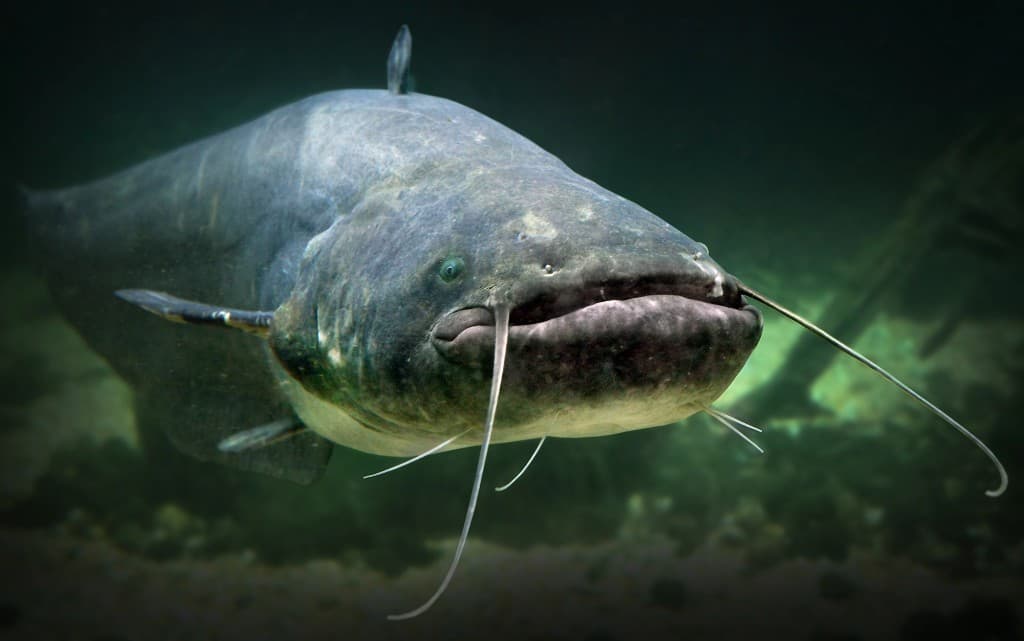
Mississippi fishing 2026—license options, MDWFP freshwater and saltwater regulations, Delta lake planning, Mississippi Sound rules, and official links.
2026 seasons & limits
Verify rules with Mississippi fish & wildlife
- Confirm open seasons, daily bag, and possession limits for each species and water you fish.
- Check length and slot rules—many lakes, rivers, and bays have special tables beyond statewide defaults.
- Review 2026 summaries and any emergency orders (closures, health notices, gear rules) before you go.
The Inside Spread orients you for trip planning only. Conservation officers enforce the official published regulations—not articles or forum posts.
Need a Mississippi fishing license, current MDWFP regulations, or the right freshwater versus saltwater page before your trip? Start with MDWFP Fishing and decide whether your day is a Delta lake, river or oxbow, reservoir, or Mississippi Sound trip. That first choice usually answers the license and regulation questions fastest.
Mississippi runs from oxbow catfish water to Gulf piers in a few hours of driving, but those fisheries do not share one planning mindset. Ross Barnett, Grenada, Arkabutla, private levee access, and coastal marsh or Sound water all carry different practical questions. If you name the exact water first, MDWFP license privileges, creel limits, saltwater tables, and any federal offshore rules get much easier to sort.
2026 Seasons, Limits, and Rule Changes
This article is not the law. Your state's fish and wildlife agency publishes the official rules—online digests, mobile apps, and emergency notices—and those sources control what you can keep, when you can fish, and where.
Mississippi layers freshwater and saltwater rules differently; named lakes, rivers, and bays often have special regulations beyond statewide defaults; border waters and stocks shared with neighboring states or federal waters can add more rules. Always match the species, water body, and date you plan to fish to the correct table.
What to verify before every trip
- Seasons and closures for each species you target (game fish, panfish, trout, salmon, steelhead, or saltwater species)
- Daily and possession limits (creel limits) and whether aggregate caps apply across similar species
- Minimum and maximum length and slot limits, plus how length is measured (total length vs. fork length)
- Gear restrictions (bait, hooks, tackle) where they apply
- Special rules for WMAs, community fishing waters, trophy waters, and border waters
2026 updates and mid-season changes
Agencies publish annual summaries and sometimes emergency orders (water quality, fish health, stock changes, or temporary closures). Before you plan 2026 trips:
- open the current regulations for the license year that covers your dates
- check your agency's news or rule change page for new limits, stamps, or reporting rules
- read invasive species and bait movement notices if you move boats or gear between waters
If a forum or social post disagrees with the agency PDF, trust the agency and walk away from edge cases.
Popular species: what to look up in the digest
Use the index or online tools to find limits for the fish you actually plan to catch—black bass (largemouth, smallmouth, spotted), panfish (crappie, bluegill, perch, sunfish), catfish, trout and salmon (including steelhead where present), walleye and sauger, muskies and pike, and—if your trip includes coastal or estuary water—saltwater species such as red drum, spotted seatrout, snapper, groupers, striped bass, and flounder. Do not keep fish until you match the species to the exact rule line for that water body and date.
| Topic | Verify in the official digest |
|---|---|
| Daily bag | Per-day harvest limit per species or aggregate groups |
| Possession | Fish you may have in camp, cooler, or vehicle combined |
| Length / slot | Minimum, maximum, or protected length bands |
| Season | Opening and closing dates, catch-and-release-only windows, closures |
Mississippi official source: Mississippi Department of Wildlife, Fisheries, and Parks — Fishing
Species-specific guides (2026)
Deeper dives on Mississippi’s top game fish—history, where they live, 2026 regulations, and how to fish for them:
How MDWFP Organizes Freshwater and Saltwater Rules
Mississippi’s inland rules cover flood-control reservoirs, oxbows, rivers, and state lakes with special regulations on named waters. Saltwater rules apply in Mississippi Sound, bays, and nearshore reaches where MDWFP classifies marine fisheries. Charter and headboat clients should ask captains how licenses and permits work for clients versus operators. When you run offshore for snapper, groupers, or pelagics, NOAA Fisheries seasons and gear mandates may override assumptions from last year’s trip.
Possession and transport rules still matter after you leave the water—cleaning fish at improper locations or mixing species in coolers can create avoidable problems during checkpoints. Photography content should avoid revealing private docks or posted leases without permission—access depends on trust.
What Mississippi Fishing License Do I Need?
Most anglers need a valid Mississippi fishing license unless an exemption applies. Youth, senior, and disability categories may change eligibility—read the annual fee schedule before you buy. Confirm whether you need saltwater privileges for Sound trips or freshwater-only authority for Delta oxbows and interior reservoirs. Non-residents should compare short-term licenses against annual packages if they plan repeat visits.
Purchase through MDWFP license channels and authorized vendors. Save digital receipts or carry printed proof. Rural ramps and marsh landings are poor places to discover a credential mistake.
Grenada, Enid, Arkabutla, and Sardis: Crappie Culture
Grenada, Enid, Arkabutla, and Sardis anchor Mississippi’s national crappie reputation. Spider-rigging, long-lining, and single-pole fishing all produce when fish stack on channel edges and brush piles—creel limits still matter on crowded spring weekends. Tournament traffic spikes during the spawn—idle where posted, stage trailers out of launch lanes, and give room to family anglers.
Expect heavy boat wakes and floating debris after floods. Slot and length rules for black bass can differ between lakes—open the digest for each impoundment before you cull fish.
More Delta Gems: Eagle, Washington, and Okhissa
Eagle Lake, Lake Washington, and Lake Chotard-style fisheries (verify current open status and special rules in the regulations) illustrate how oxbow and river connected waters shift with flood pulse and vegetation. Okhissa and other deeper hill country lakes offer different bass and crappie habitat than shallow Delta flats—map study and electronics matter more on clear steep banks. When agencies restock or adjust regulations to protect spawners, treat changes as investments in future trips, not personal attacks.
Ross Barnett Reservoir and the Central Region
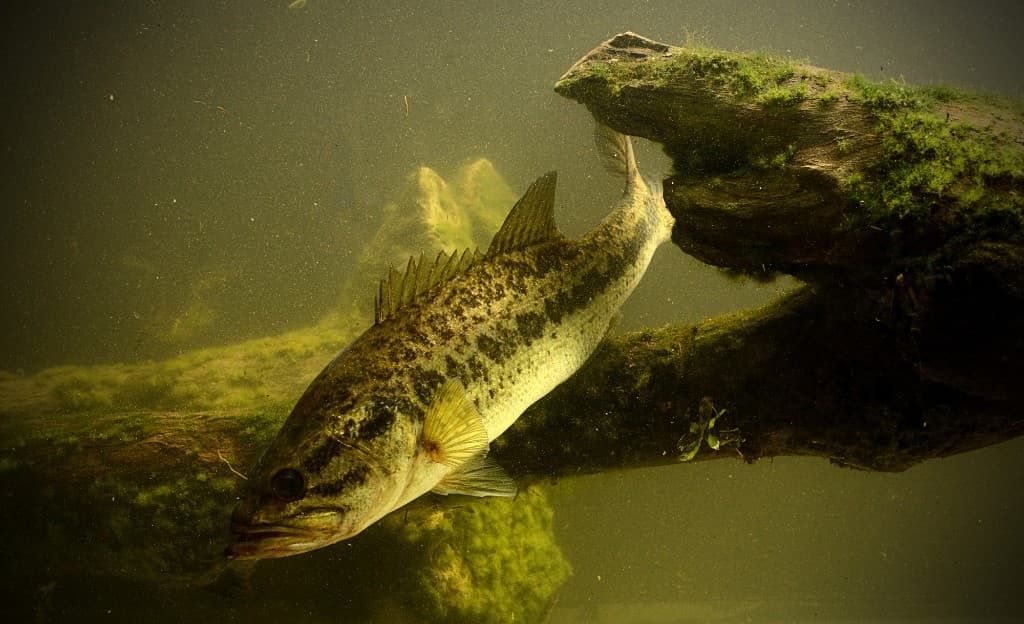
Ross Barnett near Jackson mixes bass, crappie, and catfish in an urban pressure cooker of weekend traffic. Water clarity swings after rain; stained water can help shallow patterns, while clear spawning banks demand finesse. Night catfish anglers share channels with pleasure boaters—run lights and courtesy passes.
Tennessee River: Pickwick and Border Waters
Pickwick and other Tennessee River fisheries touch Alabama and Tennessee boundaries. License and creel rules can change when you fish the line—carry both states’ summaries if you anchor near boundary markers or run tailwaters below dams. Generation schedules move water and fish—check power utility notices when tailrace fishing.
Smallmouth and spotted bass opportunities on current seams and rock bluffs reward anglers who graph structure and match crankbaits and jigs to depth changes. Crappie anglers troll open water in winter and spring, then dock shoot shade lines when spawns approach. Striped bass and hybrid fisheries where stocked or naturalized can ignite feeding frenzies below dams—still read gear restrictions and snagging rules where posted.
Mississippi River Oxbows and Catfish Fisheries
Blue, channel, and flathead catfish reward river rats who read gear chapters. Trotlines, limb lines, jugs, and bowfishing can carry water-body restrictions—verify tags, seasons, and archery rules annually. Oxbow access can involve levee roads and private land near launches—trespass ruins trips.
Gulf Coast and Mississippi Sound
Biloxi, Gulfport, Ocean Springs, and Bay St. Louis offer pier, surf, and kayak access to Mississippi Sound. Speckled trout, redfish, flounder, black drum, and sheepshead fill inshore calendars; nearshore spanish and king mackerel add variety. Federal snapper and grouper seasons apply when you cross into federal waters—confirm circle-hook and descending-device expectations for reef fish.
Barrier islands and passes can have strong current and shipping traffic—kayak anglers need visibility flags and PFDs. Hurricanes and tropical storms reshape beaches and ramps—check agency closures before heading out after weather events.
Wade anglers working grass flats and sandy guts should shuffle feet for stingrays and watch boat wakes from pleasure craft that may not see you in low light. Pier anglers share rails with tourists—manage casting lanes and pack out monofilament wads that entangle birds.
Offshore private boats crossing federal waters should match VHF weather alerts with NOAA season tables—snapper openings collide with summer thunderstorms every year. Charter clients benefit when they ask upfront about cancellation policies and permit documentation on pelagic targets.
Public Fishing Areas, State Lakes, and WMAs
MDWFP maps boat ramps, piers, and WMA opportunities where fishing is allowed on specific schedules. Some areas require permits or check-in—read area brochures before you hike or launch. State parks can provide family-friendly bank access when rules allow.
Parking fills fast on holiday weekends—arrive early, rig away from ramp lanes, and load efficiently on retrieval so everyone gets home safely before dark.
Invasive Species and Bait Movement
Clean, drain, dry boats when moving between basins. Invasive plants choke ramps; illegal bait releases spread disease and unwanted fish. Follow bait rules for water body and species.
Silver carp and other invasive species where present create hazard for boaters and ecological stress for native food webs—learn recognition from MDWFP materials and report sightings when asked. Bait shops that sell certified bait help reduce risk—cheap buckets of unknown origin can cost access later.
Family Fishing, Shore Access, and Realistic Expectations
Kids catch more fish when trips stay short, shady, and close to restrooms. State park piers and smaller lakes with manageable bank fishing beat eight-hour offshore runs for families new to boats. Teach hook removal, life jacket habits, and sun screen reapplication before teaching double uni knots.
Reading Creel and Length Methods
Measure fish with the method defined in regulations—total versus fork length matters at the cleaning table and the dock. Misidentification between similar drum, snapper, and bass species causes avoidable violations. Near limits, switch to catch-and-release photography. Keep a ruler visible on deck—guestimating inches invites mistakes in rough water. Photograph regulation pages you need before you lose signal offshore or in remote Delta cuts—busy weekends overload towers too.
Seasonal Patterns
Spring pushes crappie shallow and concentrates bass on spawning flats. Summer moves bass to deep structure and low-light windows. Fall can reopen shallow feeding as bait migrates. Winter still produces trophy catfish and slow crappie for patient anglers.
A Month-by-Month Planning Lens
January–February: Cold crappie patterns on river ledges and creek channels reward patient vertical jigging; bass metabolism slows—finesse wins. Sound trips can be windy and cold—dress for hypothermia risk if you wet wade or flip a kayak.
March–April: Spawn windows for bass and crappie draw crowds—weekday floats reduce conflict. River floods move fish and debris—idle where posted and watch current below dams.
May–June: Topwater morning windows on reservoirs; saltwater trout and redfish feed aggressively in warming estuaries. Thunderstorms arrive with little warning—monitor radar.
July–August: Heat pushes bass to low-light periods; night catfish and hybrid striper trips increase. Coastal kayak anglers should hydrate and avoid midday heat stroke.
September–October: Cooling water can improve shallow feeding; surf and pier action often improves as bait moves. Hurricane season demands flexible plans.
November–December: Crappie trolling and vertical jigging improve on many lakes; duck season traffic overlaps some WMAs—read closures and shooting hours. Holiday boat parades of lights can close channels—check local notices before night runs.
Tournaments, Documentation, and Enforcement
Bass and crappie circuits concentrate boats at popular ramps. Carry proof of license and permits; organize regulation pages for officers who check compliance. If you receive a citation, stay calm—disputes belong in court, not at the dock.
Emergency Orders and Fish Health
Drought, floods, and fish kills can trigger temporary closures or rule changes. Low water exposes stumps; high water hides hazards. Check MDWFP news during heat waves and freezes.
Bowfishing, Juglines, and Trotlines
Night bowfishing for rough fish and carp can be productive where regulations allow—identify targets before release of arrow shots. Juglines and trotlines require discipline checking intervals and tagging where rules demand—abandoned gear kills fish and angers landowners.
Safety and Weather
Thunderstorms build quickly along the Gulf coast. Lightning ends trips—get off open water. Fog hides navigation aids in bays. Floods move debris and close ramps. Carry drinking water and sun protection—humidity punishes unprepared crews.
Cold fronts in winter can drop water temperatures fast in shallow bays, stunning bait and slowing bites—dress in layers and watch wind shifts. Spring tornado outbreaks demand flexible plans—never launch when warnings cover your county.
Ethics and Community
Pick up line and trash at launches. Do not crowd working boats unless invited. Teach kids to identify fish before keepers hit the cooler. Support local tackle shops that fund youth events and habitat work.
Volunteer cleanups and habitat projects improve bank access for everyone. When biologists request samples or tag returns, participate if you safely can—data drives fair regulations when stocks struggle.
Plan Your Mississippi Fishing Trip
Connect this guide to our Mississippi outdoors page and Mississippi fishing hub. Browse fishing articles for techniques paired with regulations. Book lodging with trailer parking near primary ramps, and build buffer time for Jackson or coastal traffic on holiday weekends.
Road trippers hauling boats between Delta lakes and the Gulf should inspect trailer bearings, tires, and lights—rural highways feature limited parts stores after dark. Flying anglers should confirm airline policies for rods and tackle boxes to avoid TSA surprises at regional airports. Multi-day trips should account for small-town license vendor hours—Sunday morning walk-in purchases are not universal.
Frequently Asked Questions
Do I need a fishing license in Mississippi?
Most anglers need a valid Mississippi fishing license unless an exemption applies; check MDWFP for age-based exemptions and license packages.
Where can I find Mississippi fishing regulations?
Use the MDWFP fishing and boating section for freshwater and saltwater regulations, including size and creel limits.
What are popular Mississippi fisheries?
Ross Barnett Reservoir and Grenada Lake are known for crappie; the Gulf Coast offers inshore and nearshore saltwater fishing in Mississippi Sound.
Do I need separate freshwater and saltwater licenses in Mississippi?
Match your license privileges to where you fish; MDWFP publishes current freshwater and saltwater recreational packages—verify each license year before you purchase.
What should I know about Mississippi oxbow and river fishing?
Oxbow lakes and Mississippi River-connected waters can have special access, flood hazards, and gear rules—read water-body listings in the regulations and respect private levees.
Where can I buy a Mississippi fishing license?
Purchase through MDWFP license vendors and online options; keep proof of license with you while fishing.
Sources
- Mississippi Department of Wildlife, Fisheries, and Parks. "Fishing." MDWFP, mdwfp.com/fishing-boating/fishing. Accessed 31 Mar. 2026.
- Mississippi Department of Wildlife, Fisheries, and Parks. "Licenses & Permits." MDWFP, mdwfp.com/licenses-permits. Accessed 31 Mar. 2026.
- National Oceanic and Atmospheric Administration. "Southeast Fisheries." NOAA Fisheries, fisheries.noaa.gov/region/southeast-science-center. Accessed 31 Mar. 2026.
Official state agency
Mississippi Department of Wildlife, Fisheries, and Parks — FishingVerify season openings, daily bag, possession, and length or slot rules for each water and species you target—plus any 2026 rule changes or emergency orders—before you fish.
Written by
The Inside Spread Team
The Inside Spread team covers fishing regulations and access across all 50 states. We tie every guide to official agency sources so you can verify seasons, bag limits, and license rules before you launch.
Comments
No comments yet. Be the first to share your thoughts.
More in state-guides
Arkansas Duck Hunting 2026: Season Dates, WMA Permits, License Costs & Complete Guide
Arkansas duck hunting 2026-27—three-segment season dates, nonresident WMA waterfowl permits, Black River and Bayou Meto access changes, and Delta license costs.
Georgia Whitetail Deer Hunting 2026: Season Dates, Extended Counties, License Costs & Nonresident Guide
Georgia whitetail deer hunting 2026-27—archery, primitive weapons, and firearms dates, 29-county extended archery, 12-deer bag, Game Check, and the nonresident guide.
Kentucky Whitetail Deer Hunting 2026: Season Dates, Zone Changes, License Costs & Nonresident Guide
Kentucky whitetail deer hunting 2026-27—archery, crossbow, and modern gun dates, the 2026 zone map, license and deer permit costs, Telecheck, and the nonresident guide.
Michigan Whitetail Deer Hunting 2026: Season Dates, License Costs, UP vs LP & Nonresident Guide
Michigan whitetail deer hunting 2026—archery, firearm, and three-day December dates, DNR license fees, Upper vs Lower Peninsula rules, baiting, and the nonresident guide.