
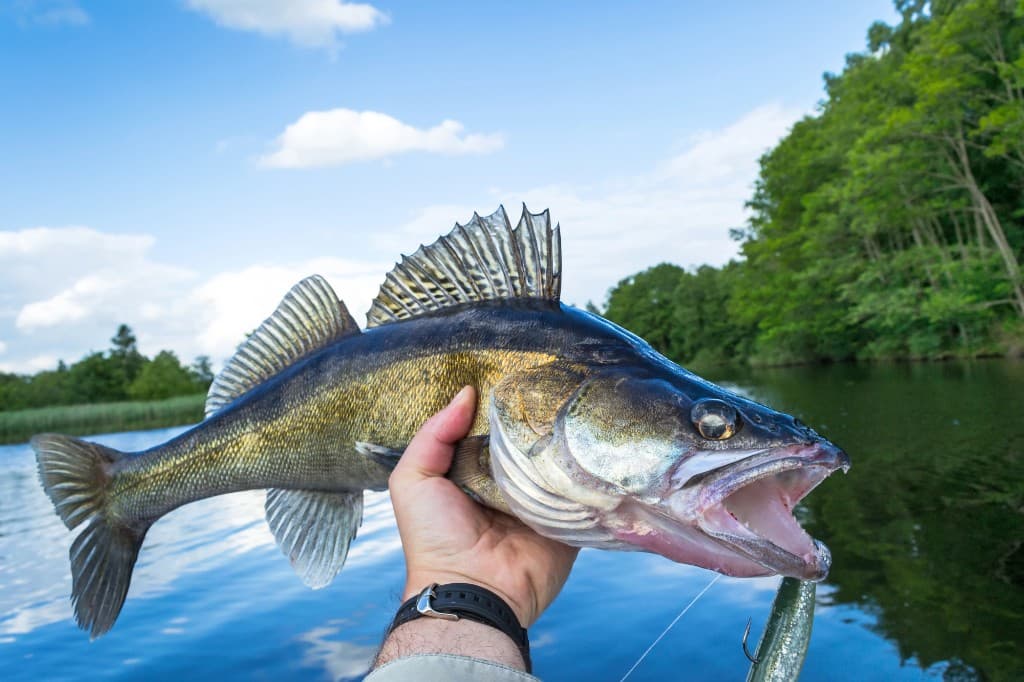
New Hampshire Fishing 2026: Licenses, Lakes Region, and Connecticut River
New Hampshire fishing 2026—license options, Fish and Game regulation links, trout and salmon checks, Lakes Region rules, and Connecticut River planning.
2026 seasons & limits
Verify rules with New Hampshire fish & wildlife
- Confirm open seasons, daily bag, and possession limits for each species and water you fish.
- Check length and slot rules—many lakes, rivers, and bays have special tables beyond statewide defaults.
- Review 2026 summaries and any emergency orders (closures, health notices, gear rules) before you go.
The Inside Spread orients you for trip planning only. Conservation officers enforce the official published regulations—not articles or forum posts.
Need a New Hampshire fishing license, the current freshwater digest, or the right Lakes Region or Connecticut River rule before your trip? Start with New Hampshire Fish and Game — Fishing and decide whether your day is a large lake, Connecticut River, remote trout pond, or mountain stream trip. That first choice usually answers the permit, species, and special-rule questions.
New Hampshire compresses salmon and lake trout culture, river smallmouth, and pocket trout streams into a small state, but Winnipesaukee does not plan like the Connecticut River or a White Mountains pond. If you name the exact water first, the license, trout and salmon rules, and border-water guidance are easier to sort.
2026 Seasons, Limits, and Rule Changes
This article is not the law. Your state's fish and wildlife agency publishes the official rules—online digests, mobile apps, and emergency notices—and those sources control what you can keep, when you can fish, and where.
New Hampshire layers freshwater and saltwater rules differently; named lakes, rivers, and bays often have special regulations beyond statewide defaults; border waters and stocks shared with neighboring states or federal waters can add more rules. Always match the species, water body, and date you plan to fish to the correct table.
What to verify before every trip
- Seasons and closures for each species you target (game fish, panfish, trout, salmon, steelhead, or saltwater species)
- Daily and possession limits (creel limits) and whether aggregate caps apply across similar species
- Minimum and maximum length and slot limits, plus how length is measured (total length vs. fork length)
- Gear restrictions (bait, hooks, tackle) where they apply
- Special rules for WMAs, community fishing waters, trophy waters, and border waters
2026 updates and mid-season changes
Agencies publish annual summaries and sometimes emergency orders (water quality, fish health, stock changes, or temporary closures). Before you plan 2026 trips:
- open the current regulations for the license year that covers your dates
- check your agency's news or rule change page for new limits, stamps, or reporting rules
- read invasive species and bait movement notices if you move boats or gear between waters
If a forum or social post disagrees with the agency PDF, trust the agency and walk away from edge cases.
Popular species: what to look up in the digest
Use the index or online tools to find limits for the fish you actually plan to catch—black bass (largemouth, smallmouth, spotted), panfish (crappie, bluegill, perch, sunfish), catfish, trout and salmon (including steelhead where present), walleye and sauger, muskies and pike, and—if your trip includes coastal or estuary water—saltwater species such as red drum, spotted seatrout, snapper, groupers, striped bass, and flounder. Do not keep fish until you match the species to the exact rule line for that water body and date.
| Topic | Verify in the official digest |
|---|---|
| Daily bag | Per-day harvest limit per species or aggregate groups |
| Possession | Fish you may have in camp, cooler, or vehicle combined |
| Length / slot | Minimum, maximum, or protected length bands |
| Season | Opening and closing dates, catch-and-release-only windows, closures |
New Hampshire official source: New Hampshire Fish and Game Department — Fishing
Lakes Region: salmon, lake trout, and busy boat traffic
Winnipesaukee and neighboring large lakes support coldwater fisheries that attract trollers, jig anglers, and families learning downriggers. Rules for lake trout and landlocked salmon can differ from warmwater lakes—match the lake name to the digest table and note seasons, size limits, and gear restrictions. Holiday weekends bring heavy boat wakes; plan launches early, watch for swimmers, and keep a courteous distance from anchored anglers.
Connecticut River: walleye, smallmouth, and border awareness
The Connecticut River’s big pools and ledges hold smallmouth bass that feel like a southern river at times, and walleye anglers chase low-light windows with precision. Border waters demand discipline: know which state’s regulations govern your fish and your license. If you drift across the line while fighting a fish, confusion is not a defense—plan drifts deliberately and read both states’ sections.
Wild trout streams and designated ponds
New Hampshire’s northern forests hide remote trout ponds and mountain streams where hiking matters as much as casting. Wild trout waters can carry tackle restrictions and seasonal closures to protect spawning—read signs and digest entries before you fish. Stocked streams closer to population centers can be crowded on opening days; courtesy at parking lots and wading lanes keeps the culture healthy.
Warmwater lakes: bass, panfish, and pickerel
Smaller warmwater lakes and river backwaters offer excellent bass and panfish opportunities for kayaks and small boats. Aquatic vegetation can foul props—carry a weedless option and inspect trailers at the ramp. Pickerel and perch trips are great for kids; keep hooks sized appropriately and supervise casting lanes.
Smelt dipping, bait traditions, and lawful harvest
Smelt seasons and gear rules matter to anglers who connect winter traditions with spring fishing plans. Read open-water lists and gear restrictions annually. When purchasing bait, follow dealer rules and avoid moving live fish between watersheds if prohibited.
Invasive species: milfoil, hitchhikers, and boat hygiene
Eurasian milfoil and other plants spread on trailers and anchors. Clean, drain, dry every time. Inspect kayaks and canoe skegs for fragments. If you boat multiple lakes in a weekend, rinse gear between launches when practical and read Fish and Game alerts.
Ice fishing: communities, shelters, and safety
Ice fishing is social across the Lakes Region—tip-ups, perch, and pickup trucks—but ice conditions vary by week. Carry picks, rope, and spare clothes; avoid channels with current. Special rules may govern lines and shelters; read the winter chapter each season.
Lead restrictions, loons, and tackle choices
Some waters restrict lead tackle to protect loons and other wildlife—verify tackle rules before you pack. Non-toxic split shot and jigs are widely available; switching materials is cheaper than a citation or wildlife harm.
Access, ramps, and private shoreline
Public ramps fill quickly on summer Saturdays. Stage gear before you block lanes. If you beach a kayak, confirm you are not trespassing—shoreline ownership can be complicated on large lakes.
White Mountains weather and backcountry hazards
Storms move fast in the mountains. Hypothermia remains a risk during high-water spring flows. Tell someone your hiking plan for remote ponds, carry a map, and pack headlamps for short winter days.
Kayak and canoe safety on big lakes
Wind chop on open water can overwhelm small craft. Wear PFDs, stay near shore in building winds, and avoid crossing busy channels at dusk. Carry a whistle and bright flag.
Tournaments and possession hygiene
Competitive anglers should align culling and transport rules with state possession limits. When in doubt, prioritize fish welfare and legal possession.
Documentation and enforcement
Keep license proof and any trout or salmon stamps available. Screenshots of digest pages help when cell service fails on remote ponds.
Youth, families, and mentoring
Introduce kids on ponds with simple tackle and short sessions. Teach identification before harvest, and model courtesy at crowded ramps.
Flows, dams, and reading the Connecticut River in real time
The Connecticut River changes personality with rainfall, snowmelt, and upstream releases. High water pushes fish to edges and current breaks but can make wading dangerous; low water exposes rocks and concentrates fish but can mean spooky fish in clear runs. Walleye anglers often chase low-light transitions; smallmouth anglers key on structure that breaks current. When you plan a drift, note takeout points and private land—scouting is not wasted time. Border rules amplify the importance of knowing exactly where you stand: keep a printed map or offline GPS track when cell coverage drops in river valleys. If you fish tournaments or club events, align catch documentation with state possession rules—photos and hero shots still require legal handling and release.
Lakes Region weekends: traffic, parking, and courtesy
Holiday weekends transform ramp parking and gas dock lines. Arrive early, pack patience, and communicate with your crew about who backs the trailer. On crowded lakes, slow passes near kayaks and anglers anchored on structure—your wake is someone else’s spilled tackle box. If you hear conflicts on channel 16 or see unsafe behavior, prioritize safety and distance; enforcement contacts exist for a reason.
Mountain streams: footing, redds, and spring runoff
Steep pocket water punishes rushed wading. Use a staff, cross upstream of deep runs when possible, and avoid stepping on gravel where trout may spawn. During spring snowmelt, color and flow can hide depth—probe with your wading staff and retreat when the river wins the argument.
What New Hampshire Fishing License Do I Need?
Purchase licenses through NHF&G or authorized agents. Most anglers need a New Hampshire fishing license; trout and salmon stamps may apply on designated waters—read the current fee schedule. Youth licenses and one-day options suit visitors testing new waters.
If you fish the Connecticut River regularly, confirm whether additional permits or reciprocal rules apply depending on residency and location. Seniors and special categories may change fees—verify eligibility each year.
Where Are New Hampshire’s Best Lake and River Fisheries?
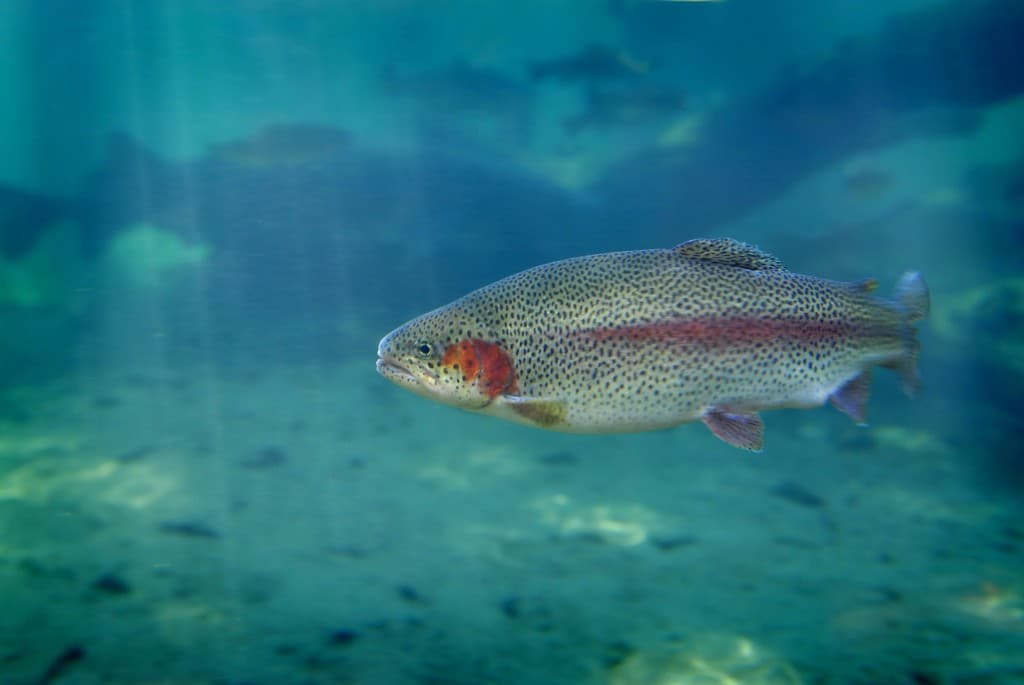
- Lake Winnipesaukee: Lake trout, landlocked salmon, and bass fisheries share busy water—watch for boat traffic, verify coldwater rules for the species you target, and plan launches early on holidays.
- Connecticut River: Walleye and smallmouth fisheries with strong current seams—border rules matter; screenshot both states’ pages when you fish shared pools.
- Androscoggin River tailwater: Wild and stocked trout opportunities depending on reach—wade safely below dams and respect posted flows.
- Squam Lake: Deep, clear water with salmonid and warmwater opportunities depending on rules—match regulations to the basin you fish.
- North Country trout ponds: Remote hiking and brook trout culture—plan for weather, bugs, and leave-no-trace ethics.
Plan Your New Hampshire Fishing Trip
Use our New Hampshire outdoors guide with the New Hampshire fishing hub. More: fishing articles. Traffic on I-93 toward the Lakes Region stacks on summer Fridays—leave early or plan midweek days. Pack rain shells and warm layers; mountain fog and lake breezes can chill you in August.
Bring separate tackle for river smallmouth and lake trolling if you split time between domains. Keep a first-aid kit, sun protection, and drinking water. End trips by inspecting boats for milfoil and draining bilges—your next favorite lake depends on clean gear.
Frequently Asked Questions
Do I need a New Hampshire fishing license?
Most anglers need a New Hampshire fishing license; special permits may apply for trout and salmon stamps on designated waters—confirm current fees and categories on Fish and Game licensing pages.
Where can I find New Hampshire fishing regulations?
Use the New Hampshire Freshwater Fishing Digest and Fish and Game pages for special rules, wild trout waters, and Connecticut River border regulations—verify the digest year that matches your trip.
How does the Connecticut River border work for anglers?
Border waters can require you to know which state’s rules apply to your position and species; carry the correct license and read both states’ sections when you fish shared pools and runs.
What should lake trout and landlocked salmon anglers check?
Lakes Region coldwater fisheries often carry water-specific rules for lake trout and salmon—match the lake name to the digest table and confirm seasons, slots, and gear restrictions.
What are New Hampshire’s best-known fisheries?
Lake Winnipesaukee supports lake trout and salmon; the Connecticut River offers walleye and smallmouth; remote trout ponds define the North Country.
How can I reduce invasive species spread in New Hampshire?
Clean, drain, and dry boats; follow live fish transport rules; and inspect gear when moving between river basins—read Fish and Game notices on aquatic invasive species.
Sources
- New Hampshire Fish and Game Department. "Fishing." NHF&G, wildlife.state.nh.us/fishing. Accessed 16 Apr. 2026.
Official state agency
New Hampshire Fish and Game Department — FishingVerify season openings, daily bag, possession, and length or slot rules for each water and species you target—plus any 2026 rule changes or emergency orders—before you fish.
Written by
The Inside Spread Team
The Inside Spread team covers fishing regulations and access across all 50 states. We tie every guide to official agency sources so you can verify seasons, bag limits, and license rules before you launch.
Comments
No comments yet. Be the first to share your thoughts.
More in state-guides
Arkansas Duck Hunting 2026: Season Dates, WMA Permits, License Costs & Complete Guide
Arkansas duck hunting 2026-27—three-segment season dates, nonresident WMA waterfowl permits, Black River and Bayou Meto access changes, and Delta license costs.
Georgia Whitetail Deer Hunting 2026: Season Dates, Extended Counties, License Costs & Nonresident Guide
Georgia whitetail deer hunting 2026-27—archery, primitive weapons, and firearms dates, 29-county extended archery, 12-deer bag, Game Check, and the nonresident guide.
Kentucky Whitetail Deer Hunting 2026: Season Dates, Zone Changes, License Costs & Nonresident Guide
Kentucky whitetail deer hunting 2026-27—archery, crossbow, and modern gun dates, the 2026 zone map, license and deer permit costs, Telecheck, and the nonresident guide.
Michigan Whitetail Deer Hunting 2026: Season Dates, License Costs, UP vs LP & Nonresident Guide
Michigan whitetail deer hunting 2026—archery, firearm, and three-day December dates, DNR license fees, Upper vs Lower Peninsula rules, baiting, and the nonresident guide.