
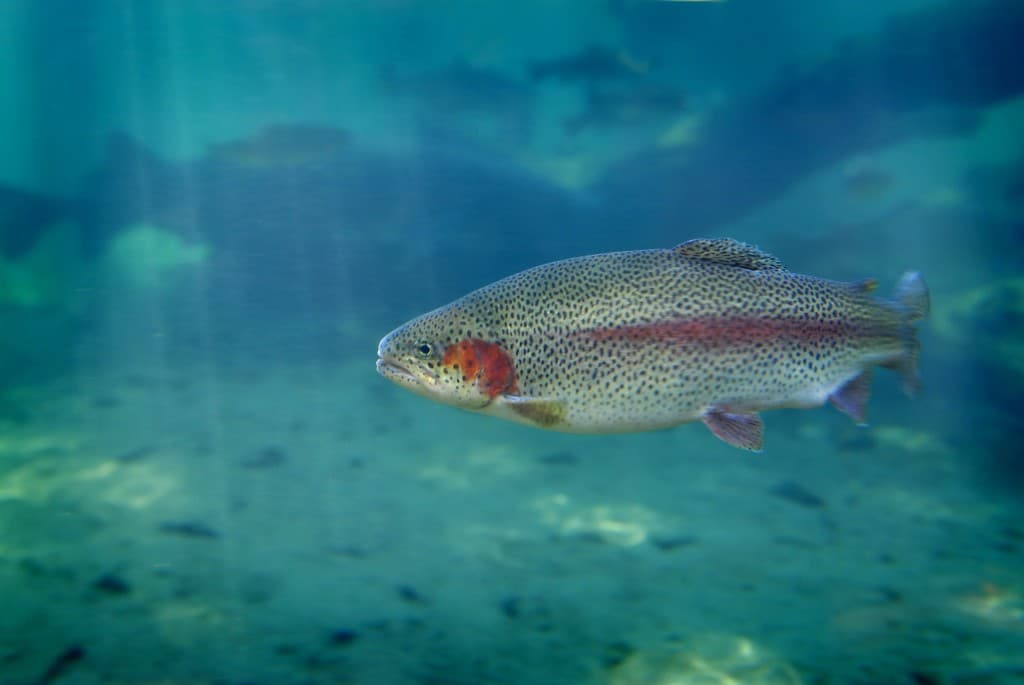
New York Fishing 2026: Licenses, Great Lakes, and Adirondack Trout
New York fishing 2026—license options, DEC regulations, Great Lakes tributary rules, marine and inland planning, stamp checks, and emergency update links.
2026 seasons & limits
Verify rules with New York fish & wildlife
- Confirm open seasons, daily bag, and possession limits for each species and water you fish.
- Check length and slot rules—many lakes, rivers, and bays have special tables beyond statewide defaults.
- Review 2026 summaries and any emergency orders (closures, health notices, gear rules) before you go.
The Inside Spread orients you for trip planning only. Conservation officers enforce the official published regulations—not articles or forum posts.
Need a New York fishing license, the current DEC regulations, or the right page for tributaries, inland water, or marine trips? Start with the New York DEC fishing pages and sort your plan into one bucket first: Great Lakes tributaries, inland trout, warm-water lakes and rivers, or marine/estuary water. That step usually solves the stamp, permit, and special-regulation confusion before it starts.
New York is a geography lesson disguised as recreation. Lake Erie and Lake Ontario tributaries do not behave like the Finger Lakes, the Hudson, Adirondack ponds, or Long Island Sound, and anglers get into trouble when they import assumptions from one fishery into another. If you define the exact system first, the license, privilege, and regulation questions become much easier to answer.
2026 Seasons, Limits, and Rule Changes
This article is not the law. Your state's fish and wildlife agency publishes the official rules—online digests, mobile apps, and emergency notices—and those sources control what you can keep, when you can fish, and where.
New York layers freshwater privileges (including trout and salmon stamps where required) with marine regulations for Long Island Sound, Atlantic nearshore waters, and Great Lakes systems; named lakes, rivers, and tributary reaches frequently carry special regulations beyond statewide defaults; border waters with neighboring states and provinces can add more rules. Always match the species, water body, and date you plan to fish to the correct table.
What to verify before every trip
- Seasons and closures for each species you target (game fish, panfish, trout, salmon, steelhead, or saltwater species)
- Daily and possession limits (creel limits) and whether aggregate caps apply across similar species
- Minimum and maximum length and slot limits, plus how length is measured (total length vs. fork length)
- Gear restrictions (bait, hooks, tackle) where they apply
- Special rules for WMAs, community fishing waters, trophy waters, and border waters
2026 updates and mid-season changes
Agencies publish annual summaries and sometimes emergency orders (water quality, fish health, stock changes, or temporary closures). Before you plan 2026 trips:
- open the current regulations for the license year that covers your dates
- check your agency's news or rule change page for new limits, stamps, or reporting rules
- read invasive species and bait movement notices if you move boats or gear between waters
If a forum or social post disagrees with the agency PDF, trust the agency and walk away from edge cases.
Popular species: what to look up in the digest
Use the index or online tools to find limits for the fish you actually plan to catch—black bass (largemouth, smallmouth, spotted), panfish (crappie, bluegill, perch, sunfish), catfish, trout and salmon (including steelhead where present), walleye and sauger, muskies and pike, and—if your trip includes coastal or estuary water—saltwater species such as red drum, spotted seatrout, snapper, groupers, striped bass, and flounder. Do not keep fish until you match the species to the exact rule line for that water body and date.
| Topic | Verify in the official digest |
|---|---|
| Daily bag | Per-day harvest limit per species or aggregate groups |
| Possession | Fish you may have in camp, cooler, or vehicle combined |
| Length / slot | Minimum, maximum, or protected length bands |
| Season | Opening and closing dates, catch-and-release-only windows, closures |
New York official source: New York State Department of Environmental Conservation — Fishing
Species-specific guides (2026)
Deeper dives on New York’s top game fish—history, where they live, 2026 regulations, and how to fish for them:
What New York Fishing License Do I Need?
Most New York anglers need a valid fishing license unless a current exemption applies. DEC’s licensing system also uses privileges, stamps, and add-ons for certain fisheries—trout and salmon fisheries are the classic example where “I bought a license” is necessary but not always sufficient. Nonresident anglers should review fee schedules, short-term options, and documentation expectations before travel. If you fish with family, confirm youth rules early so nobody learns exceptions at the water’s edge under pressure.
Purchase through official DEC channels or authorized agents, and keep proof accessible at the ramp, shoreline, or ice shanty. If your plan changes mid-trip—say you add a steelhead day after a warm-water day—pause and verify whether your privileges cover the new water and season window.
Great Lakes Tributaries: Salmon, Steelhead, and Section-by-Section Rules
Lake Ontario and Lake Erie tributaries are world-class fisheries that punish anglers who treat them like generic creeks. Season dates, gear restrictions, and stamp requirements can differ from inland defaults. Popular runs can be crowded; etiquette matters for safety and for keeping access tolerable for nearby landowners. Identify your exact stream reach on DEC materials, not on a screenshot from a group chat.
Steelhead and Pacific salmon fisheries also intersect with cold-water safety: wading in high flows is risky, and ice on rocks is unforgiving. Carry wading gear appropriate to the venue, and be honest about your limits when water rises.
Long Island Sound and Nearshore Marine Opportunity
Long Island Sound connects New York anglers to striped bass, bluefish, fluke, and a seasonal rotation of species that follow temperature and bait. Tidal timing, boat traffic, and wind-driven chop can change the day more quickly than inland lakes. Marine regulations can include size, season, and gear nuances that differ from freshwater tables—carry a marine mindset even if you are an experienced bass angler.
Adirondack Trout, Ponds, and Backcountry Realism
The Adirondacks remain a flagship trout destination: remote ponds, brook trout heritage, and hiking access that rewards preparation. Weather shifts fast; cell service is inconsistent; and what looks like a short bushwhack on a map can become a long day when blowdown blocks a trail. Match special regulations for individual waters, including artificial-lure-only rules or seasonal closures designed to protect spawning fish.
Finger Lakes, Oneida, and Inland Walleye–Bass Diversity
The Finger Lakes region supports lake trout, landlocked salmon, and outstanding warm-water fisheries on many waters. Oneida Lake and eastern reservoirs add walleye culture and tournament pressure at ramps. Read slot limits and seasonal windows carefully—popular fisheries often have detailed tables.
Hudson River Corridors and Mixed Fisheries
The Hudson blends tidal influence with urban access complexities. Species identification and seasonal rules matter, especially when fisheries overlap in the same reach. Treat shoreline access as something to verify: not every attractive bank is public.
Ice Fishing Culture and Conditional Safety
New York ice fishing is a community tradition—and a conditional sport. Ice thickness varies by waterbody, current, and week; local knowledge is not a substitute for careful judgment. Carry picks, rope, and a plan; avoid alcohol on ice; and teach new anglers to respect variable conditions.
Invasive Species, Baitfish Rules, and Clean-Drain-Dry
Round goby changed how many anglers think about bait and identification. DEC baitfish regulations exist to reduce ecological risk; follow them even when inconvenient. Moving boats between watersheds can spread invasives—inspect, clean, drain, and dry.
Public Access, Ramps, and Busy Weekends
From Great Lakes launches to Hudson Valley ramps, crowding is a real factor. Arrive early, stage efficiently, and avoid ramp arguments that waste everyone’s time. On streams, respect posted land and park only where legal.
St. Lawrence River, Eastern Lake Ontario, and Cross-Border Awareness
Northern New York adds another chapter for travelers who chase muskellunge, bass, and mixed fisheries on big water with international context. The St. Lawrence River system is famous for quality fishing—and for complexity around access, navigation, and rules that can differ from inland defaults. If your trip brushes Canadian waters or cross-border travel, treat customs and documentation as part of the fishing plan, not an afterthought. Even when you remain entirely in New York, the sheer size of the system means weather and boat traffic can change safe fishing areas faster than a phone forecast updates.
Eastern Lake Ontario ports connect anglers to salmonid opportunities and summer smallmouth patterns that can rival anywhere in the Great Lakes basin. The lesson repeats: read the water-specific regulation line, not the headline you remember from a different county. Local bait shops can be wonderful mentors, but they do not replace DEC publications when a conservation officer asks what rule you followed.
Long Island Sound: Tides, Structure, and Shared Regional Stocks
Long Island Sound is where “New York fishing” meets a different kind of planning workbook. Striped bass management often reflects regional dynamics; weakfish and fluke fisheries bring seasonal rhythms tied to temperature and bait. Shoreline anglers work riprap, points, and estuary mouths; boat anglers watch wind against tide. Identification discipline matters because mistaken harvest can happen quickly when fish are similar in hand.
If you are visiting from freshwater-only experience, budget time to learn tidal movement basics and safe wading practices. The Sound’s popularity also means shoreline etiquette matters: do not crowd another angler’s working area, and treat parking near residential streets as a privilege that disappears when neighbors get justifiably frustrated.
Western New York Community Culture and Steelhead Etiquette
Great Lakes tributary culture includes generosity—anglers share information—but it also includes crowded runs during peak migration windows. Give space, avoid cutting in above someone working a run, and treat private farmland boundaries as absolute. High, stained water can push fish and anglers into fewer holding areas; that is when courtesy prevents conflict.
Downstate Reservoirs and Urban Fisheries as Teaching Waters
Downstate reservoirs and urban fisheries deserve respect as places where new anglers learn knot tying, fish handling, and conservation norms. They can be excellent family venues when rules are clear and safety is prioritized. They can also be heavily patrolled—another reason to carry proof of license and privileges without drama.
Where Are New York’s Best Lake and River Fisheries?
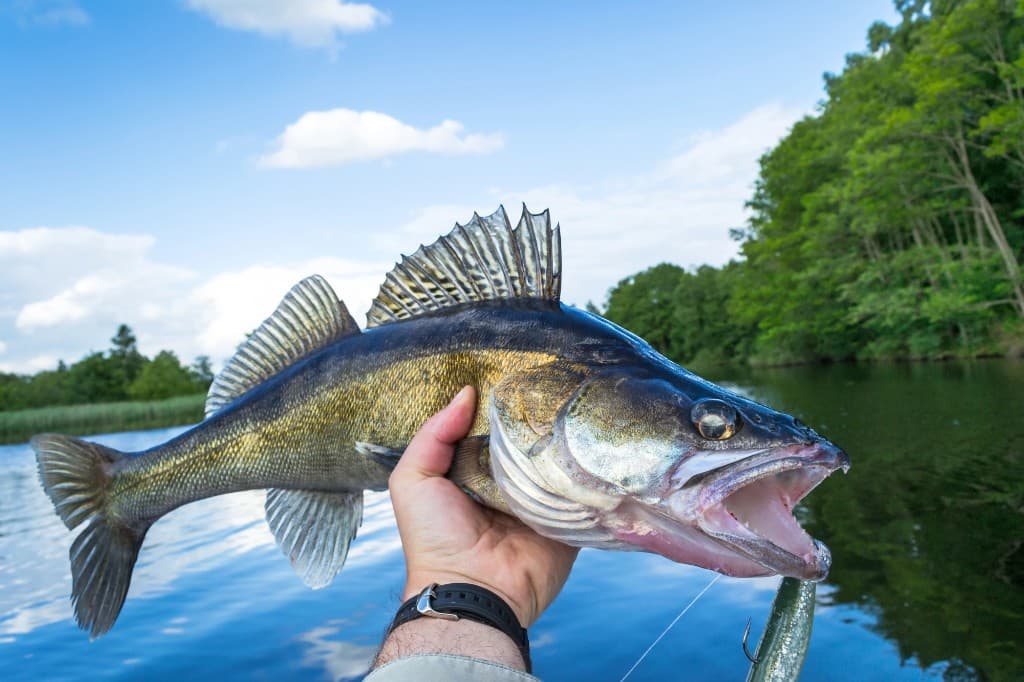
Western New York’s Great Lakes tributaries headline salmon and steelhead pursuits; the Finger Lakes region offers deep, cold-water fisheries alongside bass and panfish diversity; the Adirondacks deliver brook trout ponds and wild trout streams; the Hudson and major rivers add big-water opportunity; Long Island Sound and Atlantic nearshore waters round out the marine side of the state’s portfolio.
If you are sampling New York for the first time, pick a region and learn it well rather than chasing hashtags across six watersheds in one week.
Plan Your New York Fishing Trip
Start with a species list tied to season windows, then confirm privileges and special regulations for each water. Save DEC pages offline when possible, identify backup waters for wind or ice conditions, and build redundancy into travel days—New York distances are longer than they look on a phone map.
Use our New York outdoors guide with the New York fishing hub. More: fishing articles.
Frequently Asked Questions
Do I need a New York fishing license?
Most anglers need a New York fishing license; additional stamps or privileges may be required for trout, salmon, and sturgeon in certain waters—check DEC for current requirements for the license year covering your trip dates.
Where can I find New York fishing regulations?
Use DEC fishing pages for freshwater and marine regulations summaries, Great Lakes tributary rules, special regulations by water, and any in-season emergency notices.
What are New York’s best-known fisheries?
Lake Ontario and Erie tributaries support salmon and steelhead; the Adirondacks offer brook trout ponds; the Hudson and Finger Lakes support bass, walleye, and panfish; Long Island Sound adds striped bass and nearshore marine opportunity.
Why do Great Lakes tributaries need extra homework in New York?
Tributary sections can have different seasons, gear rules, and stamp requirements than inland defaults. Steelhead and salmon fisheries are often managed at fine scale—match the stream reach, date, and species to DEC’s current tables.
What invasive species issues matter for New York anglers?
Round goby and other invasives shape bait rules and movement of gear between watersheds. Follow DEC baitfish regulations and clean, drain, dry practices so you do not spread aquatic pests.
How does ice fishing change planning in New York?
Ice thickness, access legality, and local conditions vary by water and week. Treat ice as conditional, carry safety gear, and verify current DEC guidance and local notices before you travel onto frozen water.
Sources
- New York State Department of Environmental Conservation. "Fishing." DEC, dec.ny.gov/outdoor/7827.html. Accessed 16 Apr. 2026.
Official state agency
New York State Department of Environmental Conservation — FishingVerify season openings, daily bag, possession, and length or slot rules for each water and species you target—plus any 2026 rule changes or emergency orders—before you fish.
Written by
The Inside Spread Team
The Inside Spread team covers fishing regulations and access across all 50 states. We tie every guide to official agency sources so you can verify seasons, bag limits, and license rules before you launch.
Comments
No comments yet. Be the first to share your thoughts.
More in state-guides
Arkansas Duck Hunting 2026: Season Dates, WMA Permits, License Costs & Complete Guide
Arkansas duck hunting 2026-27—three-segment season dates, nonresident WMA waterfowl permits, Black River and Bayou Meto access changes, and Delta license costs.
Georgia Whitetail Deer Hunting 2026: Season Dates, Extended Counties, License Costs & Nonresident Guide
Georgia whitetail deer hunting 2026-27—archery, primitive weapons, and firearms dates, 29-county extended archery, 12-deer bag, Game Check, and the nonresident guide.
Kentucky Whitetail Deer Hunting 2026: Season Dates, Zone Changes, License Costs & Nonresident Guide
Kentucky whitetail deer hunting 2026-27—archery, crossbow, and modern gun dates, the 2026 zone map, license and deer permit costs, Telecheck, and the nonresident guide.
Michigan Whitetail Deer Hunting 2026: Season Dates, License Costs, UP vs LP & Nonresident Guide
Michigan whitetail deer hunting 2026—archery, firearm, and three-day December dates, DNR license fees, Upper vs Lower Peninsula rules, baiting, and the nonresident guide.