
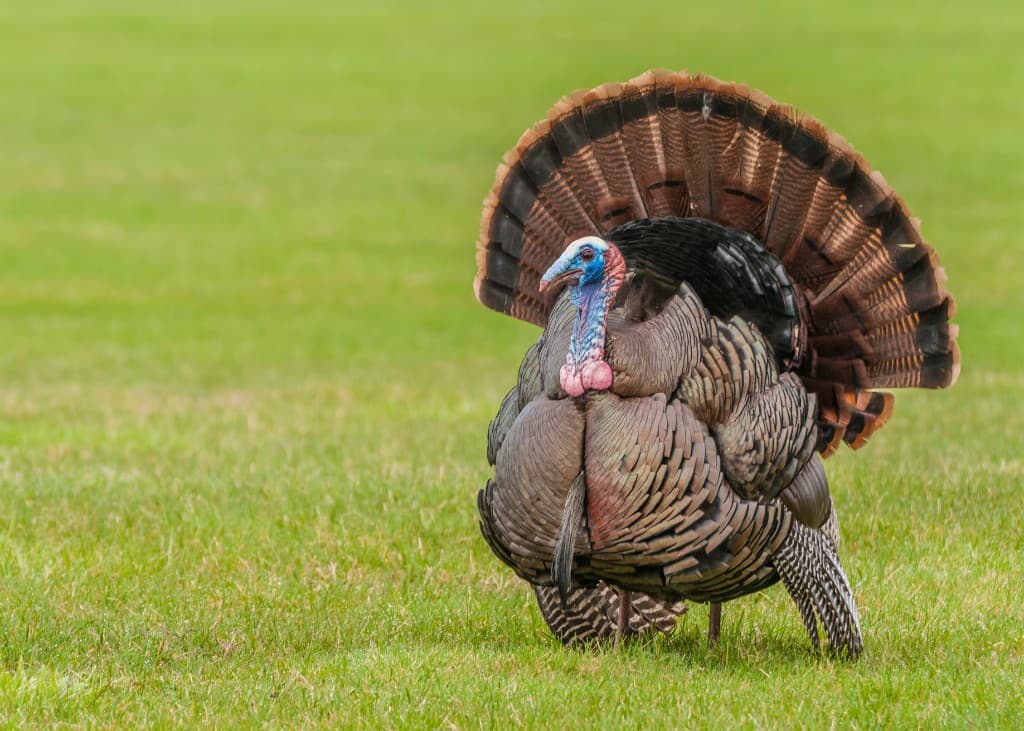
South Carolina Turkey Hunting 2026: Season, Licenses & Where to Hunt
South Carolina spring turkey 2026—private and WMA season dates, Game Check reporting, tag fees, reaping and jake rules, and top WMAs for gobblers.
South Carolina’s spring turkey framework centers on seasons set by Game Zone, two-tag packages for most hunters, mandatory Game Check reporting, and rules that have tightened jake and reaping/stalking harvest in recent seasons. Season opening and closing dates are not identical for every zone (for example, Game Zones 1–5 follow one framework and Game Zone 6 follows another under state law)—use the current SCDNR wild turkey page and eRegulations turkey digest for 2026 dates where you will hunt.
2026 fees verified from SCDNR (tags)
Per Order Your Wild Turkey Tags Online (accessed 2026-03-31): South Carolina residents pay $25 per set of two (2) tags; nonresidents pay $125 per set of two (2) tags, in addition to license and big game permit requirements. Youth under 16 and Lifetime / Senior / Gratis / Disability licensees may receive a free set of tags by request annually. Tags are required in possession for all spring turkey hunters except as noted for designated youth days on the SCDNR page.
- General spring season: dates vary by Game Zone—confirm on SCDNR for 2026
- WMAs: often parallel private dates with additional restrictions—check the WMA listing
- Youth weekends: two dedicated youth opportunities annually—verify calendar dates for 2026
- Bag: two gobblers per season statewide for qualifying hunters subject to daily and early-season restrictions in the digest
When Is South Carolina Turkey Season?
Youth hunters typically receive two dedicated weekends ahead of or within the spring season when rules allow youth-specific opportunities—always read the youth turkey section for age, supervision, and tag rules.
- Private land: follow the statewide spring table in the current turkey regulations
- WMAs: confirm open days (many areas are Thursday–Saturday only during spring turkey)
- Game Zones: some rules reference game zones—match your license, tags, and location
Season dates and Sunday hunting rules change when the legislature or commission updates regulations—bookmark SCDNR turkey and the eRegulations turkey page.
What Do South Carolina Turkey Tags Cost?
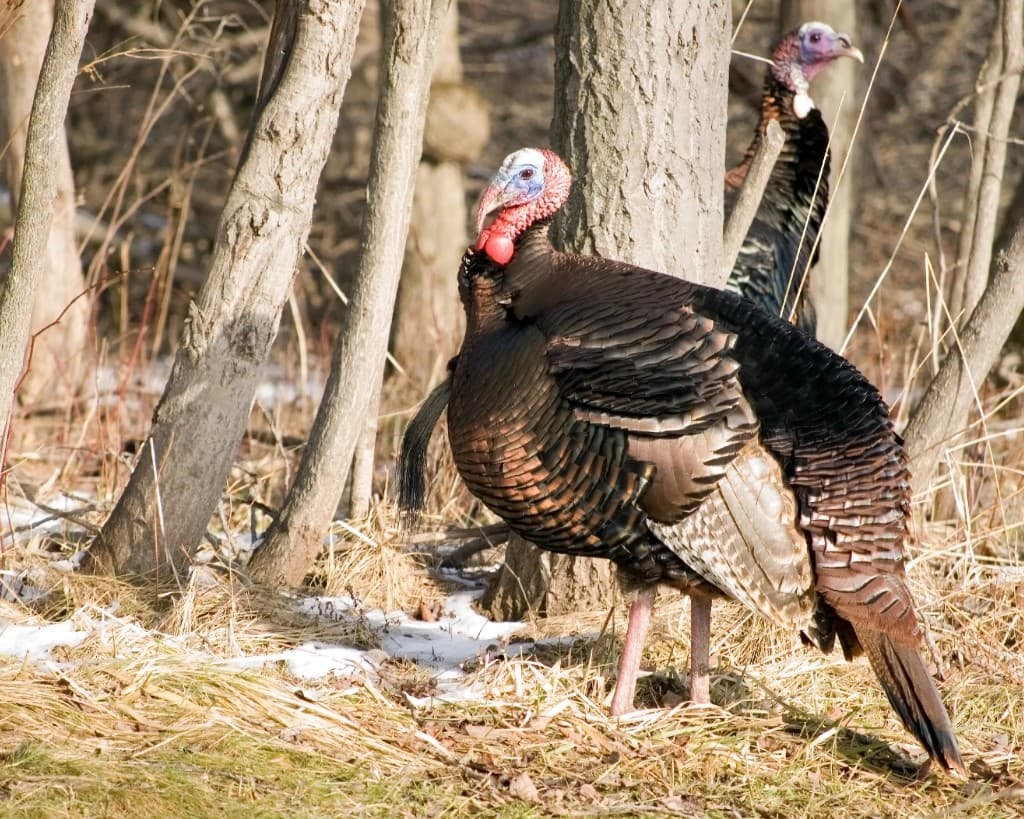
Residents and nonresidents purchase turkey tags through SCDNR license channels. Youth, lifetime, senior, and certain gratis or disability license categories may qualify for free tags—see the current fee schedule.
- Residents: turkey tag packages priced in the annual license brochure
- Nonresidents: higher tag and license fees—budget before you apply for limited draws elsewhere
- Ordering: tags may be mailed or available over the counter at regional offices—check SCDNR for timing
What Changed for South Carolina Turkey Hunting?
South Carolina has moved toward stricter harvest standards for long-term population recovery, including no jake harvest for adults in the regular season and restrictions on reaping—fanning from a stationary position may still be allowed on private land where regulations permit. Electronic calls and baiting remain tightly regulated—read the full law and FAQs each year.
- Reaping: stalking behind a fan or decoy is unlawful where posted—WMA rules may be stricter than private land
- Jakes: immature males are not legal quarry for adult hunters during the regular season—youth rules may differ on designated youth days
- Reporting: Game Check by midnight the day of harvest when required
Where to Hunt Turkeys on South Carolina Public Land
Fant's Grove WMA and Keowee WMA remain popular Upstate options near Lake Hartwell, with large acreage and mixed hardwood–pine habitat. Sand Hills, Manchester State Forest, and Lowcountry WMAs add variety—scouting and road access vary by unit.
- Fant's Grove WMA: large tract; multiple access points—expect pressure opening week
- Keowee WMA: archery-only sections can reduce gun traffic—read the unit synopsis
- Other WMAs: Belfast, Bluefield, Hickory Top, Liberty Hill, and others—season may be Thursday–Saturday only
Check SCDNR WMA maps for permits, quotas, and special hunts.
A Morning in the South Carolina Woods
The first gobble cut through the fog—close, maybe 150 yards. I'd set up on a hardwood ridge above a creek bottom where I'd seen scratchings two days earlier. A few soft yelps on the slate, then silence. Ten minutes later he gobbled again, closer. I put the call down and waited. That's South Carolina when scouting, calling, and patience line up—thick woods, vocal birds, and public ridges if you're willing to walk.
Key Regulations
Legal methods typically include shotguns, muzzleloading shotguns, bows, and crossbows where allowed. Hunting hours generally run from 30 minutes before sunrise to 30 minutes after sunset—confirm exceptions. Report harvests through SC Game Check when required.
Plan Your South Carolina Turkey Hunt
South Carolina combines a structured spring window, a two-tag framework, and strong WMA opportunity if you read the unit rules. Pair this with the South Carolina hunting guide. Gear: best turkey hunting camo and gear for 2025 and budget turkey gun guide. Conservation: Pittman-Robertson funding.
Second-pass verification (2026)
Exact spring dates by Game Zone, WMA schedules, Sunday rules, youth weekends, and method restrictions must come from SCDNR Wild Turkey, the eRegulations turkey digest, and WMA synopses—not from this overview alone. Tag fees above were checked against dnr.sc.gov/turkeytags on 2026-03-31.
Sources
- South Carolina Department of Natural Resources. "Wild Turkey." SCDNR Wildlife, dnr.sc.gov/wildlife/turkey. Accessed 31 Mar. 2026.
- South Carolina Department of Natural Resources. "Order Your Wild Turkey Tags Online." SCDNR, dnr.sc.gov/turkeytags. Accessed 31 Mar. 2026.
- eRegulations. "South Carolina Turkey Regulations." eRegulations, eregulations.com/southcarolina/hunting/turkey-regulations. Accessed 31 Mar. 2026.
Official state agency
South Carolina Department of Natural ResourcesVerify seasons, bag limits, and license rules with the agency before you hunt.
Written by
The Inside Spread Team
The Inside Spread team includes hunters with decades of combined experience across the Southeast. Our writers have chased gobblers from the Lowcountry to the Upstate and follow SCDNR turkey regulations and harvest reporting each season.
Comments
No comments yet. Be the first to share your thoughts.
More in state-guides
Arkansas Duck Hunting 2026: Season Dates, WMA Permits, License Costs & Complete Guide
Arkansas duck hunting 2026-27—three-segment season dates, nonresident WMA waterfowl permits, Black River and Bayou Meto access changes, and Delta license costs.
Georgia Whitetail Deer Hunting 2026: Season Dates, Extended Counties, License Costs & Nonresident Guide
Georgia whitetail deer hunting 2026-27—archery, primitive weapons, and firearms dates, 29-county extended archery, 12-deer bag, Game Check, and the nonresident guide.
Kentucky Whitetail Deer Hunting 2026: Season Dates, Zone Changes, License Costs & Nonresident Guide
Kentucky whitetail deer hunting 2026-27—archery, crossbow, and modern gun dates, the 2026 zone map, license and deer permit costs, Telecheck, and the nonresident guide.
Michigan Whitetail Deer Hunting 2026: Season Dates, License Costs, UP vs LP & Nonresident Guide
Michigan whitetail deer hunting 2026—archery, firearm, and three-day December dates, DNR license fees, Upper vs Lower Peninsula rules, baiting, and the nonresident guide.