
Vermont Fishing 2026: Licenses, Lake Champlain, and Mountain Trout Streams
Vermont fishing 2026—license options, Fish and Wildlife guide links, Lake Champlain border rules, trout-water checks, bait rules, and official updates.
2026 seasons & limits
Verify rules with Vermont fish & wildlife
- Confirm open seasons, daily bag, and possession limits for each species and water you fish.
- Check length and slot rules—many lakes, rivers, and bays have special tables beyond statewide defaults.
- Review 2026 summaries and any emergency orders (closures, health notices, gear rules) before you go.
The Inside Spread orients you for trip planning only. Conservation officers enforce the official published regulations—not articles or forum posts.
Need a Vermont fishing license, the current guide, or the right Lake Champlain border rule before your trip? Start with Vermont Fish and Wildlife — Fishing and decide whether your day is Lake Champlain, mountain trout water, Northeast Kingdom ponds, or an ice-fishing outing. That first choice usually tells you which license, bait, tackle, and special-water rules matter.
Vermont is a freshwater state with one big border-lake exception. Champlain, the Battenkill, mountain streams, trophy reaches, and remote brook trout ponds do not share the same planning assumptions, and Champlain can involve Vermont, New York, or Quebec context depending on location. If you define the exact water first, the guidebook and border-rule questions become much easier to answer.
2026 Seasons, Limits, and Rule Changes
This article is not the law. Your state's fish and wildlife agency publishes the official rules—online digests, mobile apps, and emergency notices—and those sources control what you can keep, when you can fish, and where.
Vermont manages freshwater fisheries statewide and Lake Champlain with border coordination alongside New York and Quebec depending on location; named rivers, trophy stretches, and mountain ponds often carry special regulations beyond statewide defaults; whirling disease, parasite concerns, and fish health can influence bait and movement rules. Always match the species, water body, and date you plan to fish to the correct table.
What to verify before every trip
- Seasons and closures for each species you target (game fish, panfish, trout, salmon, and steelhead where present)
- Daily and possession limits (creel limits) and whether aggregate caps apply across similar species
- Minimum and maximum length and slot limits, plus how length is measured (total length vs. fork length)
- Gear restrictions (bait, hooks, tackle) where they apply
- Special rules for WMAs, community fishing waters, trophy waters, and border waters
2026 updates and mid-season changes
Agencies publish annual summaries and sometimes emergency orders (water quality, fish health, stock changes, or temporary closures). Before you plan 2026 trips:
- open the current regulations for the license year that covers your dates
- check your agency's news or rule change page for new limits, stamps, or reporting rules
- read invasive species and bait movement notices if you move boats or gear between waters
If a forum or social post disagrees with the agency PDF, trust the agency and walk away from edge cases.
Popular species: what to look up in the digest
Use the index or online tools to find limits for the fish you actually plan to catch—black bass (largemouth, smallmouth, spotted), panfish (crappie, bluegill, perch, sunfish), catfish, trout and salmon (including steelhead where present), walleye and sauger, muskies and pike, and other species listed for your water in the official guide. Do not keep fish until you match the species to the exact rule line for that water body and date.
| Topic | Verify in the official digest |
|---|---|
| Daily bag | Per-day harvest limit per species or aggregate groups |
| Possession | Fish you may have in camp, cooler, or vehicle combined |
| Length / slot | Minimum, maximum, or protected length bands |
| Season | Opening and closing dates, catch-and-release-only windows, closures |
Vermont official source: Vermont Fish and Wildlife Department — Fishing
What Vermont Fishing License Do I Need?
Most Vermont anglers need a valid fishing license unless a current exemption applies. Purchase through official Fish and Wildlife channels or authorized agents, and keep proof accessible on the water. Youth and combination license options may fit families—verify current fee schedules rather than relying on last year’s receipt.
If you fish Lake Champlain, licensing is only the first question; jurisdiction questions come next. Confirm border maps and harvest rules for the portion of the lake you intend to fish. If you are unsure while on the water, conservative catch-and-release and careful navigation beat guessing.
Lake Champlain: Salmonids, Bass, and Border Precision
Lake Champlain is the state’s marquee cold-water and warm-water system: landlocked Atlantic salmon and lake trout fisheries sit alongside smallmouth bass culture that draws anglers from across the region. Points, reefs, and current seams concentrate fish, but they also concentrate boats—especially on calm summer weekends.
Border rules exist because the lake is not “only Vermont.” Anglers who drift across jurisdictional lines without thinking can find themselves violating rules even when intentions were innocent. Use official maps and guidance, plan trolling passes with awareness of boundaries, and teach new boaters that a GPS track is not a substitute for knowing which regulations apply.
The Battenkill and Classic Trout Stream Culture
The Battenkill’s reputation precedes it: picky trout, careful presentations, and a stream that rewards anglers who treat wild fish as a limited resource. Even when fishing is slow, the setting is the point for many visitors—respect private land, stay on public access corridors, and avoid crowding another angler’s run.
Northeast Kingdom Ponds and Remote Brook Trout
The Northeast Kingdom offers brook trout ponds and remote settings where planning matters as much as tackle. Black flies, mud season, and sudden weather shifts are part of the package. Carry navigation tools, extra layers, and conservative assumptions about rescue timelines—remote means remote.
Trophy Trout Waters and Special Regulations
Vermont lists trophy trout waters and special regulation reaches where the guide’s fine print matters. Artificial-only rules, seasonal closures, and gear limits protect fisheries that draw dedicated anglers. Read the water name twice; similarly named brooks can confuse travelers.
Lead Tackle, Wildlife Protection, and Practical Alternatives
Select waters restrict lead tackle to reduce poisoning risk for wildlife such as loons. Even if you do not personally see loons on every trip, compliance supports conservation outcomes that keep access politically sustainable. Carry non-lead alternatives where required.
Baitfish Rules, Fish Health, and Clean-Drain-Dry
Whirling disease and other health concerns shaped Vermont’s approach to bait and water movement. Follow approved bait lists and transport rules; do not move live bait between watersheds casually. Inspect boats and trailers for aquatic invasive species—Eurasian watermilfoil and other plants can hitchhike on gear.
Ice Fishing: Community Tradition and Conditional Risk
Ice fishing is social in Vermont—tents, tip-ups, and shared intelligence—but ice is never universally “safe.” Thickness varies with cracks, currents, and springs. Carry picks, rope, and a sober plan; teach newcomers to respect variable conditions.
Public Access, Wading Etiquette, and Landowner Respect
Many of Vermont’s best trout waters flow through a patchwork of public and private land. Treat landowners as partners: close gates, park legally, and leave no trace. When wading, avoid trampling redds during spawning periods and follow seasonal guidance when posted.
Safety: Cold Water, Wading Hazards, and Mountain Weather
Mountain streams run cold even in summer. Hypothermia risk is real during spring high water. Wear studded boots or felt cautiously where allowed, use a wading staff when needed, and never wade alone in dangerous flows.
Central Vermont Rivers, Reservoirs, and Mixed Warm-Water Opportunity
Outside the headline names, central Vermont offers rivers and reservoirs where families chase yellow perch, chain pickerel, and largemouth bass in settings that feel more relaxed than Champlain’s big-water logistics. These fisheries still carry formal regulations—special seasons, slot considerations, and bait restrictions can apply—so read the water name carefully in the guide. Local clubs and youth events often depend on these accessible venues; treat them as community assets by picking up trash and following ramp norms.
Otter Creek and Larger River Corridors: Access and Seasonal Shifts
Larger river corridors can fish like miniature seasons within a season: spring high water, summer low and clear conditions, and fall stability each change tactics and safety considerations. Public access points vary; some reaches require a hike while others offer roadside parking that fills early. If you are new to a reach, scout access legally and avoid crossing private fields without permission.
Champlain Islands, Current, and Wind: Boat Control as Ethics
On Lake Champlain, boat control is not only about catching fish—it is about not washing your wake through someone else’s anchored line or through shallow spawning habitat when conditions are fragile. Give other anglers space, especially along well-known smallmouth structure. If you troll, anticipate turns that might cross other gear; if you anchor, use enough scope for changing wind.
Spring Runoff, Mud Season, and Road Access to Mountain Streams
Spring fishing dreams can collide with Vermont’s mud season reality: dirt roads may be posted, forest gates may be closed, and stream clarity may be unfishable even when the calendar says trout season in your head. Flexibility is a skill: have a second waterbody in mind, preferably on paved access, and check conditions before you commit family time to a long drive.
Fall Fishing, Leaf Peepers, and Crowded Trailheads
Autumn can offer spectacular bass and trout opportunities, but trailheads also fill with hikers enjoying foliage. Share space courteously, yield on narrow paths, and park only where permitted. A little patience preserves goodwill between user groups that share the same small state.
Conservation Partnerships: Volunteers, Monofilament, and Habitat
Vermont’s fishing culture includes volunteer cleanup days and habitat projects. Even if you never attend an event, you can participate daily by packing out monofilament, reporting invasive plants when you see them, and avoiding practices that damage streambanks. Small habits keep fisheries resilient as climate and land-use pressures evolve.
Where Are Vermont’s Best Lake and River Fisheries?
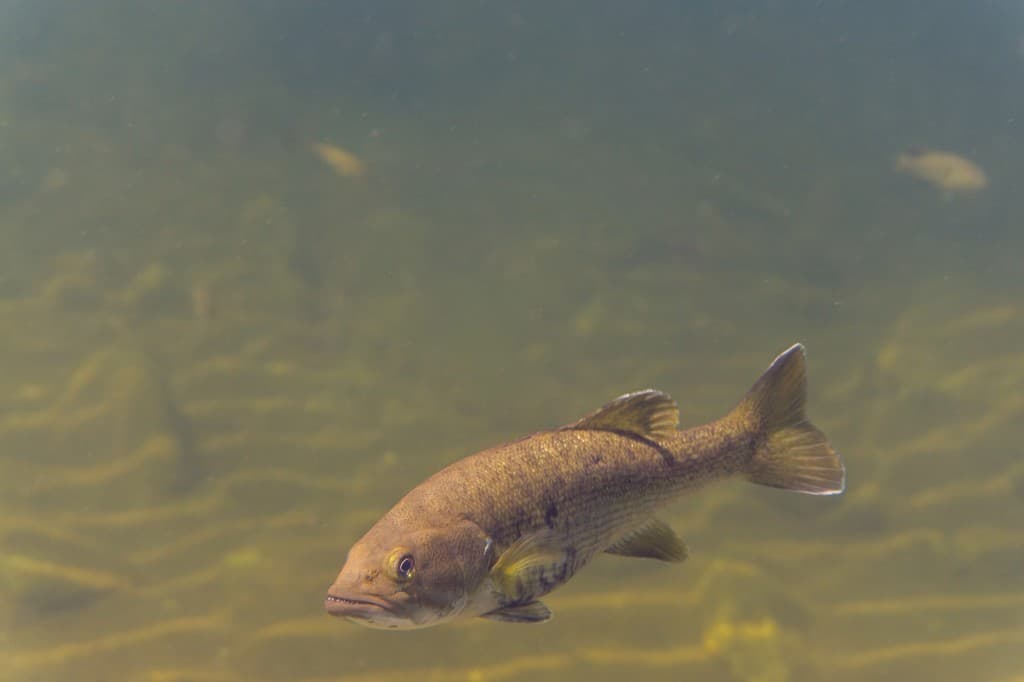
Lake Champlain anchors salmonid and bass opportunity at scale; the Battenkill and other famous streams define wild trout culture; the Northeast Kingdom offers remote brook trout ponds; central Vermont reservoirs and rivers add warm-water diversity for families and specialists alike.
If you are visiting for a week, pick two regions and learn them deeply—Vermont rewards patience more than mileage.
Plan Your Vermont Fishing Trip
Start with species and season, then map jurisdictions for Champlain days. Save Fish and Wildlife pages offline when possible, confirm road access for remote ponds, and build weather buffers into mountain travel. For families, choose accessible waters with clear regulations; for specialists, align dates with stable flows and the special rules your target water requires.
Use our Vermont outdoors guide with the Vermont fishing hub. More: fishing articles.
Frequently Asked Questions
Do I need a Vermont fishing license?
Most anglers need a Vermont fishing license; Lake Champlain anglers should understand which state or provincial rules apply by location—check Fish and Wildlife border maps and the current guide for the license year covering your trip dates.
Where can I find Vermont fishing regulations?
Use Vermont Fish and Wildlife pages for the Guide to Fishing, trophy trout waters, Champlain-specific regulations, and any in-season rule notices.
What are Vermont’s best-known fisheries?
Lake Champlain supports landlocked salmon, lake trout, and bass; the Battenkill is famous for wild trout; Northeast Kingdom ponds offer brook trout in remote settings; mountain streams reward hikers who read special regulations.
Why is Lake Champlain licensing complicated compared with inland ponds?
Champlain is a large border system. Rules can depend on where you are on the lake relative to Vermont, New York, and Quebec jurisdictions—verify location, season, and species tables before you harvest fish.
What tackle restrictions should Vermont trout anglers know?
Certain waters restrict lead tackle or regulate gear types to protect wildlife and fisheries. Match your tackle to the water’s posted rules and the current guide rather than assumptions from last season.
How do fish health concerns affect bait and movement rules?
Parasites and diseases inform why Vermont regulates baitfish and movement of gear between waters. Follow Fish and Wildlife bait rules and clean-drain-dry practices to reduce spread.
Sources
- Vermont Fish and Wildlife Department. "Fishing." VTFW, vtfishandwildlife.com/fish. Accessed 16 Apr. 2026.
Official state agency
Vermont Fish and Wildlife Department — FishingVerify season openings, daily bag, possession, and length or slot rules for each water and species you target—plus any 2026 rule changes or emergency orders—before you fish.
Written by
The Inside Spread Team
The Inside Spread team covers fishing regulations and access across all 50 states. We tie every guide to official agency sources so you can verify seasons, bag limits, and license rules before you launch.
Comments
No comments yet. Be the first to share your thoughts.
More in state-guides
Arkansas Duck Hunting 2026: Season Dates, WMA Permits, License Costs & Complete Guide
Arkansas duck hunting 2026-27—three-segment season dates, nonresident WMA waterfowl permits, Black River and Bayou Meto access changes, and Delta license costs.
Georgia Whitetail Deer Hunting 2026: Season Dates, Extended Counties, License Costs & Nonresident Guide
Georgia whitetail deer hunting 2026-27—archery, primitive weapons, and firearms dates, 29-county extended archery, 12-deer bag, Game Check, and the nonresident guide.
Kentucky Whitetail Deer Hunting 2026: Season Dates, Zone Changes, License Costs & Nonresident Guide
Kentucky whitetail deer hunting 2026-27—archery, crossbow, and modern gun dates, the 2026 zone map, license and deer permit costs, Telecheck, and the nonresident guide.
Michigan Whitetail Deer Hunting 2026: Season Dates, License Costs, UP vs LP & Nonresident Guide
Michigan whitetail deer hunting 2026—archery, firearm, and three-day December dates, DNR license fees, Upper vs Lower Peninsula rules, baiting, and the nonresident guide.