
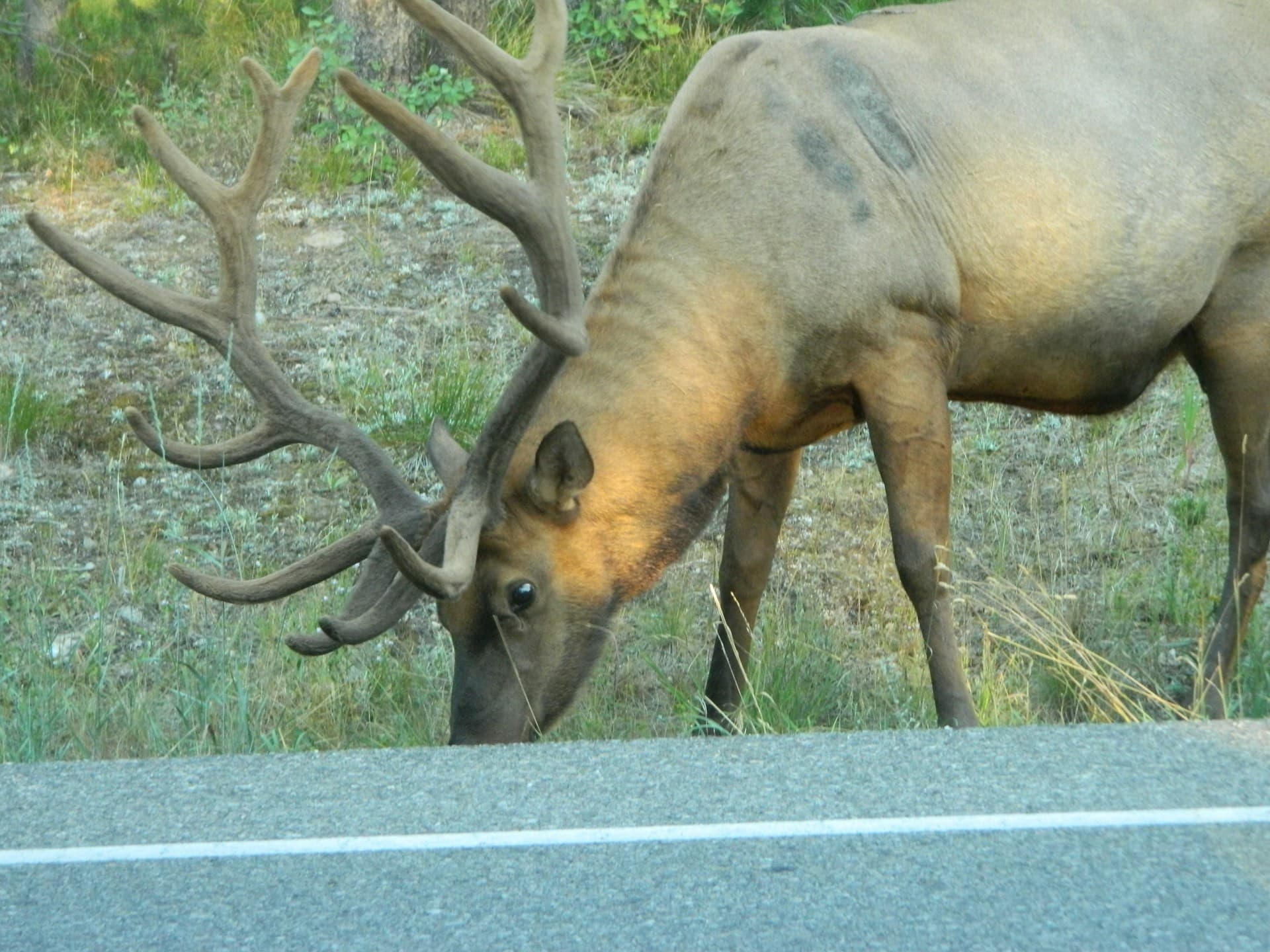
Wyoming Mule Deer Hunting 2026: Season Dates, Draw System, Costs & Where to Hunt
Wyoming mule deer hunting 2026—archery and rifle season dates by hunt area, the preference point draw system, regular vs. special license costs, antler point…
Wyoming mule deer hunting in 2026 is structured around hunt areas across canyon, basin, and mountain country—not a single statewide season. Nonresidents apply January 2 – June 1, 2026 for Regular ($374) or Special ($1,200) licenses. 75% of tags go to top preference-point holders. Draw results post June 18, 2026. Always verify hunt-area dates, license types, and antler restrictions at wgfd.wyo.gov.
- Application deadline: June 1, 2026
- Archery: generally September 1–30, 2026 (area-specific)
- Regular license: $374; Special license: $1,200
- Conservation Stamp: $21.50
- One deer per license year
Quick Facts: Wyoming Mule Deer 2026
| Archery Season | Generally September 1–30, 2026 (varies by hunt area) |
| General/Rifle Season | Generally October 1 – November 30, 2026 (varies by hunt area) |
| Application Window (Nonresident) | January 2 – June 1, 2026 |
| Draw Results | June 18, 2026 |
| Leftover OTC Sale | July (first-come, first-served; varies by area) |
| Resident General Deer OTC Sale | July 16, 2026 |
| Nonresident Deer License (Regular) | $374 |
| Nonresident Deer License (Special, better odds) | $1,200 |
| Application Fee (Nonresident) | $15 (nonrefundable) |
| Conservation Stamp | $21.50 |
| Archery Permit (Nonresident) | $72 |
| Bag Limit | 1 deer per license year (antlered or either-sex depending on type) |
| Official Source | wgfd.wyo.gov/Hunting |
Wyoming deer seasons are set at the hunt-area level — there is no single statewide season date. Season dates, antler restrictions, and sex limitations all vary by area. Always verify your specific hunt area's Chapter 6 Deer Hunting Season regulation at wgfd.wyo.gov before applying.
Why Wyoming for Mule Deer
Wyoming holds some of the most dramatic mule deer country in the West. The state's geology delivers the exact habitat combination mule deer excel in — wide-open sagebrush basins for summer feeding and velvet growth, broken canyon and rimrock country for fall rutting cover, and high-elevation summer ranges in the Wind River, Bighorn, and Wyoming ranges that produce bucks with exceptional body and antler mass. The Greater Yellowstone Ecosystem's deer herds, while recovering from the 2022–23 winterkill, are rebuilding steadily, with WGFD approving a net increase of 2,650 licenses statewide at its April 2026 commission meeting.
Wyoming's mule deer draw is preference-point-based for nonresidents — a straightforward system that rewards consistent annual applications with improving odds over time. Unlike elk, the deer draw window runs through June 1, giving hunters more time to plan. And for hunters who miss the draw, some hunt areas release leftover licenses on a first-come, first-served basis in July.
2026 Season Dates
Wyoming mule deer season dates are established at the hunt-area level by WGFD Chapter 6 Deer Hunting Season regulations. The general framework:
Archery Season
Most Wyoming archery deer hunts open September 1, 2026, with most running through September 30. Archery hunters must purchase a separate archery permit ($72 nonresident), and WGFD advises purchasing that permit only after draw results are confirmed.
General (Rifle) Season
General season dates broadly span October 1 through November 30, though specific hunt areas may open earlier or close later. Some hunt areas have late-season extensions into December.
2026 unit-specific changes to note:
- Area 65 opener shifts from October 15 to October 20, running through October 31
- Black Hills general license is now valid for any whitetail deer on private land (previously more restricted)
- Some hunt areas saw antlerless license adjustments due to EHD (Epizootic Hemorrhagic Disease) outbreaks — specifically Area 127 Type 8 reduced from 100 to 50 licenses
- Area 130 doe/fawn Type 7 licenses eliminated
- Grand Teton (Hunt Area 75) added 40 more permits (20 Type 4, 20 Type 6), season November 14 – December 6
Determining Your Exact Season Dates
Because dates are area-specific, the most important step before applying is researching your target hunt area in the WGFD Hunt Planner and the official Chapter 6 Deer Hunting Season regulation document at wgfd.wyo.gov.
License Types and the Wyoming Deer System
Wyoming structures deer licenses around a type number system that defines what you may legally harvest.
- Type 0, 1, 2: Full-price licenses for antlered or either-sex deer (buck or either-sex depending on area)
- Type 3: Any white-tailed deer license only — does not permit mule deer harvest
- Type 6, 7: Reduced-price doe/fawn licenses for either mule deer or whitetail (check your area)
- Type 8: Doe/fawn white-tailed deer only — does not permit mule deer
- Type 9: Archery-only limited quota license (separate season structure)
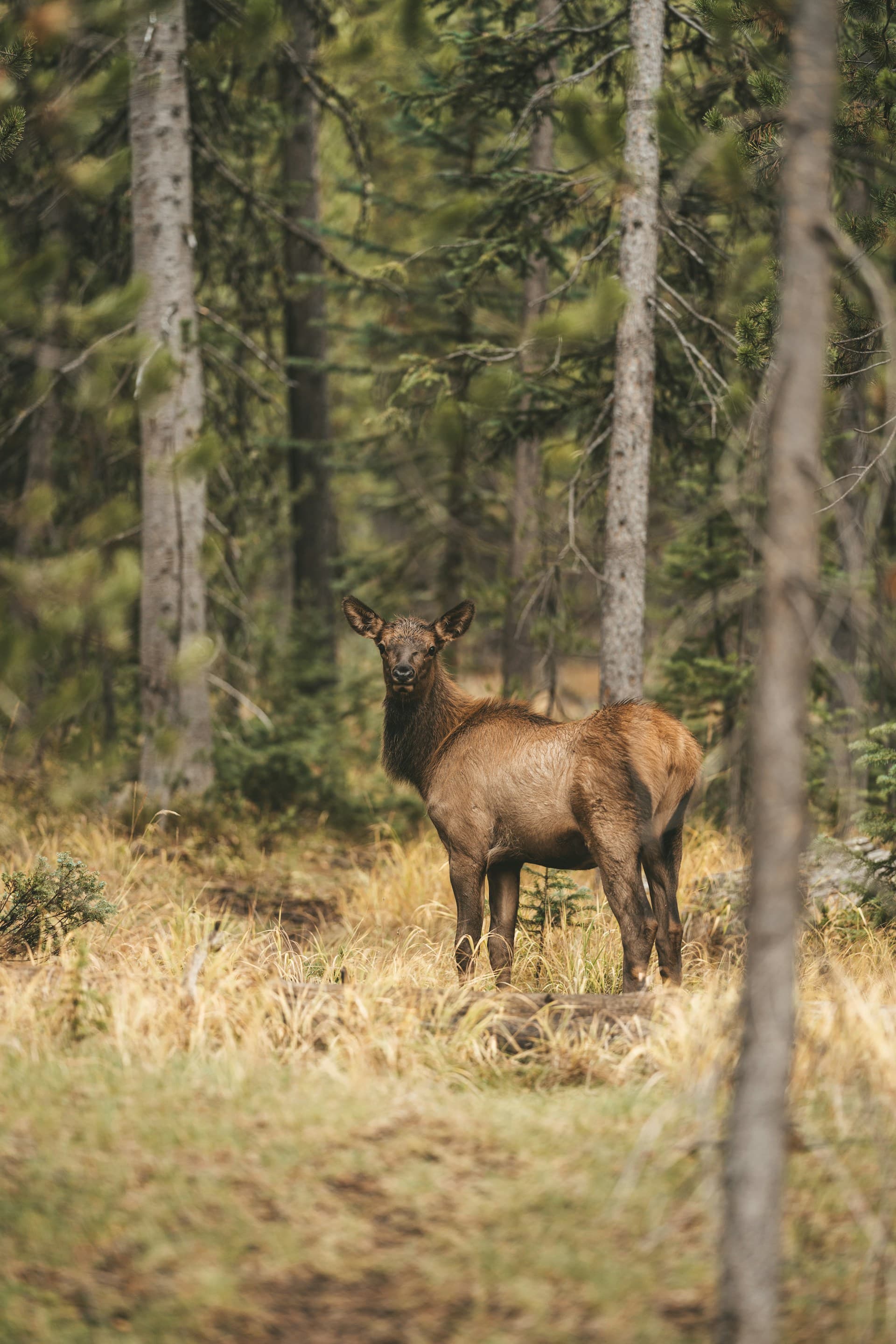
One deer per license year. Tags specify species, sex, and sometimes season structure — read your tag carefully.
Antler Point Restrictions
Wyoming retains antler point restrictions in select mule deer hunt areas for 2026. These restrictions protect young bucks in specific units — check your hunt area's regulation closely if applying in a restricted area. No statewide 3-point rule applies; restrictions are unit-specific.
Costs and Application Timeline
| Fee | Cost |
|---|---|
| Nonresident Deer License (Regular) | $374 |
| Nonresident Deer License (Special, better odds) | $1,200 |
| Application Fee (Nonresident, nonrefundable) | $15 |
| Conservation Stamp | $21.50 |
| Archery Permit (Nonresident adult) | $72 |
| Credit Card Processing Fee | 2.5% |
The Special license tier: Wyoming reserves a portion of deer licenses for a higher-priced Special drawing pool ($1,200 vs. $374) that offers meaningfully better draw odds. Hunters willing to pay the premium compete in a smaller applicant pool — a sound strategy for those targeting specific high-demand units with a time horizon of 1–3 years rather than a decade.
License fees are refundable if you don't draw — only the $15 application fee and 2.5% processing fee are non-refundable.
Key 2026 Dates
- Application opens: January 2, 2026
- Nonresident deer/antelope application deadline: June 1, 2026
- Draw results: June 18, 2026
- Resident general deer OTC sale: July 16, 2026
- Preference point purchase window: July 1 – November 2, 2026
Preference Points
Wyoming uses a preference point system for nonresident deer. There is no point system for resident deer — residents enter a random draw. For nonresidents, 75% of licenses go to the highest point holders, with the remaining 25% distributed through a random draw that gives any applicant a chance regardless of points.
To purchase a point without applying for a license, use the July 1 – November 2, 2026 points-only window at wgfd.wyo.gov.
Where to Hunt Wyoming Mule Deer
Wind River Range and Basin Country
The Wind River Range in Fremont and Sublette counties produces trophy-class mule deer in high alpine summer range that transitions to lower sagebrush basins through the fall rut. Fremont, Sublette, and Lincoln counties consistently rank among Wyoming's top producer counties for mature, heavy-antlered bucks.
Big Horn Basin
The basin country of Park, Big Horn, and Washakie counties offers classic Wyoming mule deer terrain — sagebrush flats, rimrock ledges, and dry creek drainages that concentrate deer during October and November. This country is less famous than the Wind Rivers but regularly produces impressive bucks with lower hunting pressure in some units.
Wyoming Range
The Wyoming Range south of Jackson in Lincoln and Sublette counties holds one of the state's most important mule deer migration corridors. Bucks summer in high-elevation forest and migrate to lower winter range each fall, creating predictable movement patterns that well-prepared hunters can exploit during migration windows.
Public Land Access
Wyoming's public land base is extensive:
- Bridger-Teton National Forest (fs.usda.gov/btnf)
- Shoshone National Forest (fs.usda.gov/shoshone)
- Bighorn National Forest (fs.usda.gov/bighorn)
- BLM land throughout the basin and canyon country
WGFD's Hunt Planner provides interactive maps with draw odds, harvest data, and public land layers: wgfd.wyo.gov/Hunting/Hunt-Planner. Use onX Hunt or similar apps to layer in parcel-level public/private boundaries before finalizing a trip.
Rut Timing in Wyoming
| Phase | Timing |
|---|---|
| Velvet shed, early pre-rut | Mid-September |
| Scraping and rubbing begins | Early October |
| Pre-rut seeking phase | October 20–30 |
| Peak rut | November 1–15 |
| Post-rut | Late November |
Wyoming's peak mule deer rut overlaps with general rifle season, typically falling in the first two weeks of November. Hunters targeting rut-active bucks should focus on transition zones between sagebrush feeding areas and rimrock or timber bedding cover during this window.
CWD in Wyoming
CWD has been detected in Wyoming and is actively managed. Mandatory CWD testing is required in specific hunt areas that rotate annually as part of WGFD's surveillance program — check whether your target hunt area falls within a mandatory testing zone at wgfd.wyo.gov before your hunt. Carcass movement rules apply in positive zones. Voluntary testing is free at WGFD check stations statewide.
Nonresident Mule Deer Hunting in Wyoming
How to Hunt Mule Deer in Wyoming as a Nonresident
Wyoming's nonresident deer draw is accessible and relatively straightforward compared to elk — no early February deadline, no wilderness guide requirement for most areas.
What nonresidents need:
- Regular Deer License ($374) or Special Deer License ($1,200) — apply via the draw
- Application fee: $15 (nonrefundable)
- Conservation Stamp: $21.50
- Archery Permit ($72): Purchase only after draw results are confirmed
- Hunter Education: Required for hunters born on or after January 1, 1966
- Customer account at wgfd.wyo.gov
Wilderness areas: Nonresidents hunting in designated wilderness areas must hire a licensed Wyoming guide — the same rule that applies to elk. Most general mule deer hunt areas are not wilderness-restricted, but confirm your target area's status before assuming self-guided access.
Planning for private land: Some Wyoming deer units — particularly in eastern and central Wyoming — have substantial private land checkerboarding. Research public access routes using the WGFD Hunt Planner before applying for units with significant private land proportions.
Apply and purchase at wgfd.wyo.gov/apply-or-buy.
Key Resources
- WGFD Hunting (official): wgfd.wyo.gov/Hunting
- Hunt Planner (maps, draw odds, harvest data): wgfd.wyo.gov/Hunting/Hunt-Planner
- Application dates and deadlines: wgfd.wyo.gov/licenses-applications/application-dates-deadlines
- Apply or buy licenses: wgfd.wyo.gov/apply-or-buy
For more mule deer hunting guides by state, visit The Inside Spread State Guides. See our full Wyoming elk hunting guide for elk season dates and draw information. See our full Wyoming hunting guide for pronghorn and moose hunting opportunities.
Sources
- Wyoming Game and Fish Department. "Hunting." WGFD, wgfd.wyo.gov/Hunting. Accessed 2 Jun. 2026.
- Wyoming Game and Fish Department. "Hunt Planner." WGFD, wgfd.wyo.gov/Hunting/Hunt-Planner. Accessed 2 Jun. 2026.
- Wyoming Game and Fish Department. "Application Dates and Deadlines." WGFD, wgfd.wyo.gov/licenses-applications/application-dates-deadlines. Accessed 2 Jun. 2026.
- Weiss, Portia. "Deer near Grand Teton National Park." Unsplash, unsplash.com/photos/noWkBpPOTww. Accessed 2 Jun. 2026.
- Case, Joshua. "Deer in Grand Teton Forest." Unsplash, unsplash.com/photos/0yH7N3mOW1c. Accessed 2 Jun. 2026.
Official state agency
Wyoming Game and Fish DepartmentVerify seasons, bag limits, and license rules with the agency before you hunt.
Written by
The Inside Spread Team
The Inside Spread team covers hunting seasons and access across all 50 states. Our writers plan Wyoming mule deer tags around the June draw deadline, preference points, and Wind River basin hunt area research.
Comments
No comments yet. Be the first to share your thoughts.
More in state-guides
Arkansas Duck Hunting 2026: Season Dates, WMA Permits, License Costs & Complete Guide
Arkansas duck hunting 2026-27—three-segment season dates, nonresident WMA waterfowl permits, Black River and Bayou Meto access changes, and Delta license costs.
Georgia Whitetail Deer Hunting 2026: Season Dates, Extended Counties, License Costs & Nonresident Guide
Georgia whitetail deer hunting 2026-27—archery, primitive weapons, and firearms dates, 29-county extended archery, 12-deer bag, Game Check, and the nonresident guide.
Kentucky Whitetail Deer Hunting 2026: Season Dates, Zone Changes, License Costs & Nonresident Guide
Kentucky whitetail deer hunting 2026-27—archery, crossbow, and modern gun dates, the 2026 zone map, license and deer permit costs, Telecheck, and the nonresident guide.
Michigan Whitetail Deer Hunting 2026: Season Dates, License Costs, UP vs LP & Nonresident Guide
Michigan whitetail deer hunting 2026—archery, firearm, and three-day December dates, DNR license fees, Upper vs Lower Peninsula rules, baiting, and the nonresident guide.