
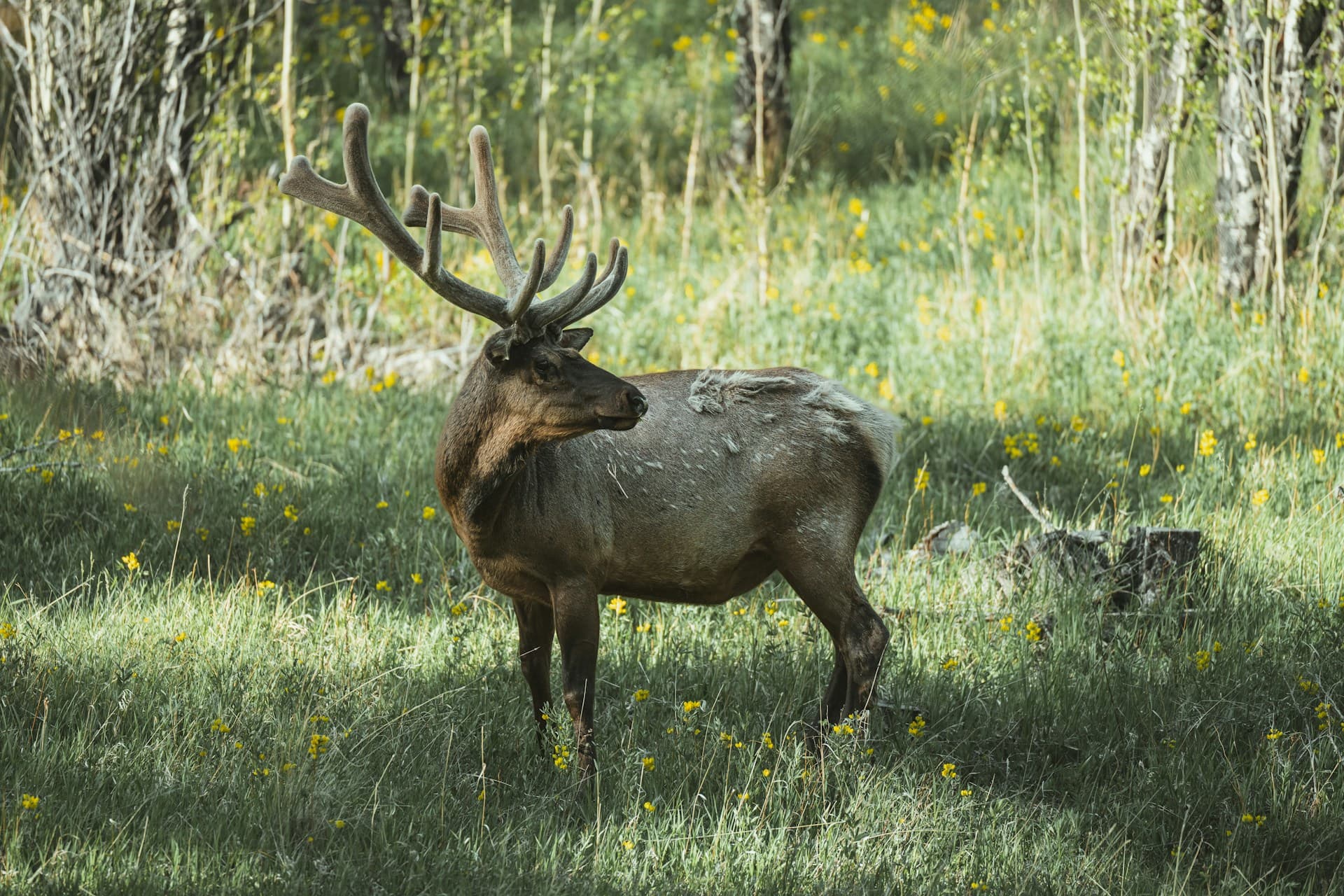
Colorado Elk Hunting 2026: Season Dates, Draw Changes, GMUs & Nonresident Guide
Colorado elk hunting 2026—archery, muzzleloader, and rifle season dates, Big Game Season Structure, Gunnison Basin OTC changes, draw deadlines, license costs,…
Colorado elk hunting in 2026 spans archery (September 2–30), muzzleloader (September 12–20), and four rifle seasons through November—plus a major OTC elimination in the Gunnison Basin (GMUs 54, 55, 551). The state holds North America's largest free-ranging elk herd (~303,000 animals). The primary draw deadline is April 7, 2026. Always verify GMU rules, tag availability, and license fees at cpw.state.co.us.
- Primary draw deadline: April 7, 2026, 8 p.m. MT
- Archery: September 2–30, 2026 (peak rut)
- Gunnison Basin rifle OTC eliminated for 2026
- Habitat Stamp: $12.76 (ages 18–64)
Quick Facts: Colorado Elk 2026
| Archery Season | September 2–30, 2026 |
| Muzzleloader Season | September 12–20, 2026 |
| 1st Rifle Season | October 14–18, 2026 |
| 2nd Rifle Season | October 24 – November 1, 2026 |
| 3rd Rifle Season | November 7–15, 2026 |
| 4th Rifle Season | Late November 2026 (limited draw) |
| Application Deadline (Primary Draw) | April 7, 2026, 8 p.m. MT |
| Draw Results | May 26–29, 2026 |
| Elk Population | Approx. 303,390 (largest free-ranging herd in North America) |
| Habitat Stamp | $12.76 (ages 18–64, automatically added) |
| Nonresident Elk License | [VERIFY AT CPW] — sources vary $711–$911; confirm exact current-year figure at cpw.state.co.us before budgeting |
| 2026 Change | OTC bull elk tags eliminated in Gunnison Basin (GMUs 54, 55, 551) — now limited draw only |
| Official Source | cpw.state.co.us/activities/hunting/big-game/hunting-elk |
Colorado nonresident elk tag costs vary meaningfully across third-party sources at the time of writing (figures from $711 to $911+ were found across multiple guides). Confirm the exact current nonresident elk license cost directly at cpw.state.co.us or in the 2026 Big Game Brochure before purchasing or budgeting for your hunt.
Why Colorado for Elk
Colorado is the undisputed capital of American elk hunting. The state holds the largest free-ranging elk herd in North America, with a 2024 CPW census estimating the statewide population at roughly 303,390 animals. More hunters pursue elk in Colorado than in any other state, and more elk are harvested here annually than anywhere else in the country. The state's geography is the reason: more than 23 million acres of public hunting land span the White River National Forest, the Flat Tops Wilderness, the San Juan Mountains, and the Gunnison Basin, giving DIY hunters genuine access to world-class elk country without a private land connection.
2026 is a significant transition year for Colorado elk hunters. Under the state's new 2025–2029 Big Game Season Structure (BGSS), CPW has been steadily converting OTC bull elk opportunities to limited draw in high-pressure units. The Gunnison Basin (GMUs 54, 55, and 551) lost OTC access for the 2nd and 3rd rifle seasons starting in 2026, joining the southern Gunnison units (66 and 67) that transitioned to draw-only back in 1999. If you've hunted Gunnison Basin OTC in the past, that path is now closed—you must apply through the draw by the April deadline.
2026 Season Dates
Colorado's Big Game Season Structure (BGSS) for 2025–2029 standardizes statewide dates across a five-year cycle, which makes planning more predictable than in years past—though specific dates and legal hunting hours still vary by Game Management Unit (GMU) and hunt code.
Archery Season
September 2–30, 2026. This is the marquee elk hunting period in Colorado. The rut peaks in mid-to-late September, coinciding directly with archery season—bugling bulls and close-range encounters make this the most exciting and most heavily applied-for season of the year.
Muzzleloader Season
September 12–20, 2026. This season also falls within the peak rut window, giving muzzleloader hunters a shot at vocal, actively breeding bulls.
Rifle Seasons
Colorado structures its rifle elk hunting into four distinct seasons:
- 1st Rifle: October 14–18, 2026 (limited draw in most units)
- 2nd Rifle: October 24 – November 1, 2026 (mix of draw and OTC, depending on GMU)
- 3rd Rifle: November 7–15, 2026 (mix of draw and OTC, depending on GMU)
- 4th Rifle: Late November 2026 (generally limited draw, fewer tags)
Plains Rifle Elk Season runs separately in eastern Colorado's plains units from September 1, 2026, through January 31, 2027, and is generally OTC and unlimited—a little-known extended opportunity for hunters willing to hunt prairie terrain rather than high country. Unit 128 has a bull-only OTC rifle season from October 14 to November 22, 2026.
Fluorescent orange or pink is required for all hunters, including archery and muzzleloader hunters, during any rifle season dates.
The 2026 Draw System and Key Deadlines
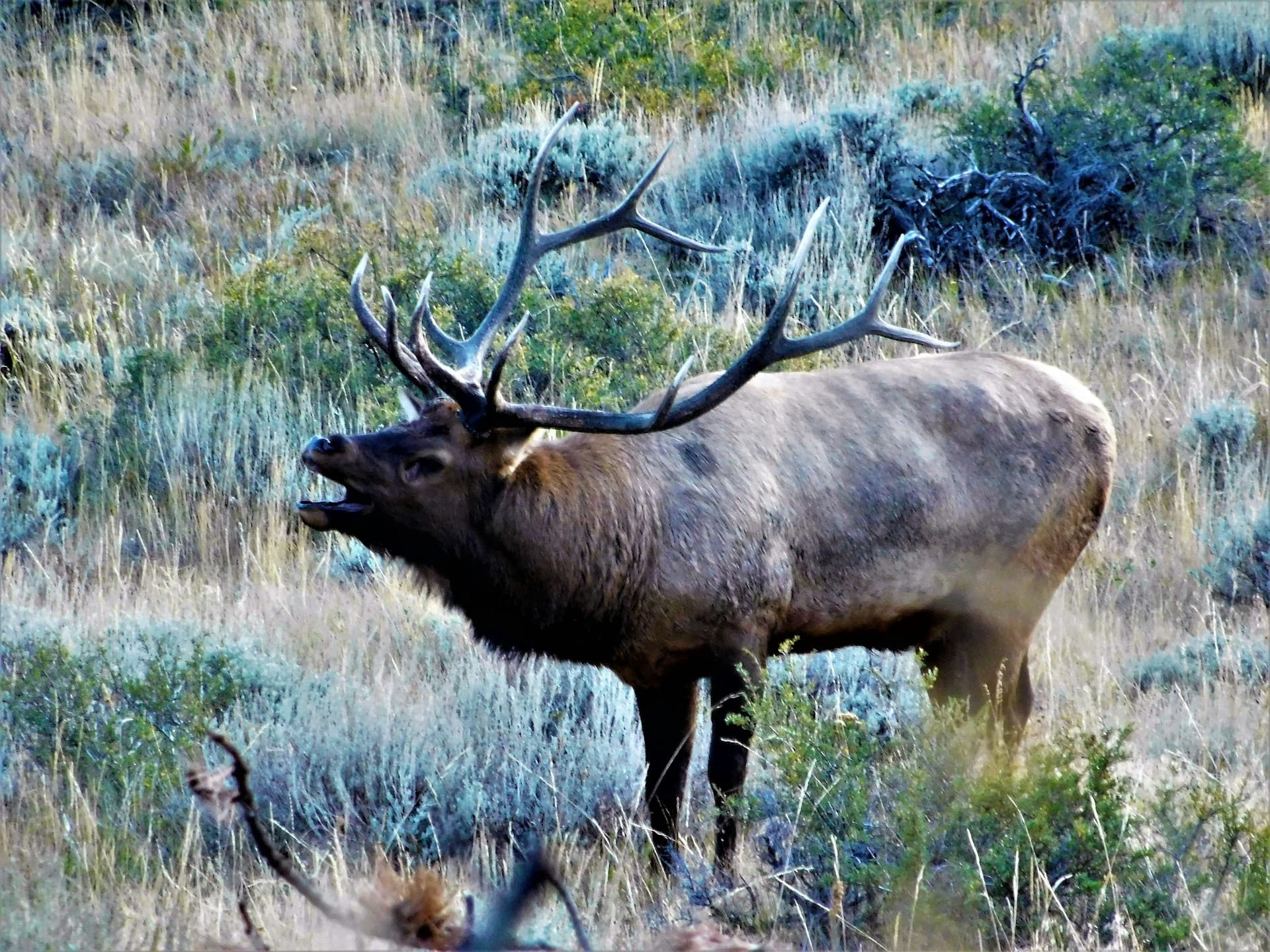
Colorado allocates elk licenses through a combination of OTC sales and a competitive draw, with a structured calendar:
| Date | Event |
|---|---|
| March 1, 2026 | Applications open; most qualifying licenses available for purchase |
| April 7, 2026, 8 p.m. MT | Primary draw application and correction deadline |
| May 26–29, 2026 | Primary draw results posted online |
| June 1, 2026, 11:59 p.m. MT | Surrender period deadline |
| June 18, 2026 | Secondary Draw application period opens |
| August 4, 2026, 9 a.m. MT | Unpaid/surrendered limited tags and standard OTC tags go on sale |
Secondary Draw: Open to anyone, even those who missed the primary deadline. Most elk, deer, pronghorn, and bear licenses not issued through the primary draw become available here. Youth hunters receive 100 percent preference. The Secondary Draw does not use or award preference points, but a qualifying license and Habitat Stamp are still required.
Preference points: Colorado uses a preference point system for most big game species, including elk. Hunters with more points draw first in a straightforward queue, though approximately 20 percent of licenses are reserved for a random draw to give newer applicants a chance.
OTC Elk Licenses in 2026: What Changed
OTC access for nonresident elk hunters has narrowed substantially in recent years, and 2026 brings the latest reduction:
- As of 2025: Nonresident OTC archery elk licenses for GMUs west of I-25 and GMU 140 were eliminated—now draw-only.
- New for 2026: OTC bull elk tags for 2nd and 3rd rifle seasons in Gunnison Basin (GMUs 54, 55, and 551) were eliminated, approved by the CPW Commission on January 14–15, 2026. This brings the entire Gunnison Basin in line with GMUs 66 and 67, which have been draw-only since 1999.
- Still available OTC for nonresidents: Archery elk in specific GMUs east of I-25 (hunt codes E-F-133-U1-A and E-E-087-U1-A), and OTC rifle elk in many western units outside the Gunnison Basin.
- Residents retain broader OTC access than nonresidents across most units.
CPW staff have indicated that initial bull license numbers for the newly limited Gunnison Basin 2nd and 3rd rifle seasons will be set near the previous three-year average of OTC usage, or reduced by no more than 10 percent—final numbers were approved at CPW's May 2026 Commission meeting. If you've hunted this area OTC before, expect comparable tag availability through the draw, but you must now apply by the April deadline rather than walking in.
CWD Testing Requirements
Mandatory Chronic Wasting Disease testing now applies to elk in Colorado. CPW requires mandatory submission of CWD test samples (heads) from all elk harvested during rifle seasons in specific GMUs—testing is free for hunters selected under the mandatory program. There is no mandatory CWD testing for deer in the 2026 seasons. Hunters not selected for mandatory testing who want to know their animal's CWD status can submit the head and pay a $25 voluntary testing fee. Check which GMUs carry mandatory elk testing requirements in the 2026 Big Game Brochure or at cpw.state.co.us/cwd.
Where to Hunt Colorado Elk
White River National Forest
Spanning much of northwest Colorado, the White River National Forest is one of the most productive and accessible elk hunting destinations in the state, with extensive public access and consistently strong elk densities across multiple GMUs.
Flat Tops Wilderness
The Flat Tops Wilderness Area, straddling the White River and Routt National Forests, holds one of Colorado's largest elk herds in rugged, roadless high country. This is demanding terrain—true wilderness hunting—but it rewards hunters willing to pack in for genuine solitude and elk density.
Gunnison Basin
Historically one of Colorado's premier OTC elk destinations, the Gunnison Basin (GMUs 54, 55, 551, 66, 67) now requires a draw tag for all rifle seasons as of 2026. The terrain remains exceptional—high alpine basins, aspen groves, and oak brush that hold strong elk numbers. Apply early given the transition year; CPW staff have noted draw odds may be more favorable in 2026 since many traditional OTC hunters may not yet have shifted to the draw.
San Juan Mountains
Southwest Colorado's San Juan range offers a mix of draw and OTC opportunities across rugged, high-elevation terrain. The region holds strong elk numbers and benefits from lower overall hunter density compared to the Front Range-adjacent units.
Public land access: Colorado's more than 23 million acres of public hunting land make it one of the most DIY-accessible elk states in the West. Most hunting occurs between 8,000 and 11,000 feet of elevation—physical conditioning and altitude acclimatization matter as much as marksmanship.
Rut Timing in Colorado
| Phase | Timing |
|---|---|
| Pre-rut bugling begins | Late August |
| Peak rut (bugling, breeding activity) | Mid-to-late September |
| Post-rut, bulls regrouping | Early October |
| Rifle seasons (post-rut behavior) | Mid-October through November |
The peak rut window of mid-to-late September aligns directly with Colorado's archery and muzzleloader seasons, which is precisely why those tags are the most competitive to draw and the most prized by serious elk hunters. Rifle hunters arrive after the rut has cooled, when bulls have regrouped and shifted toward feeding patterns ahead of winter—a different but still highly productive style of hunting.
Nonresident Elk Hunting in Colorado
How to Hunt Elk in Colorado as a Nonresident
Colorado remains one of the most accessible Western states for nonresident elk hunters, though the path now requires more planning than it once did.
What nonresidents need:
- Qualifying license: A small game or combination license, purchased before applying for any big game draw
- Habitat Stamp: $12.76 (automatically added for hunters ages 18–64)
- Elk license: Cost varies by draw vs. OTC and by unit—confirm the exact current figure directly at cpw.state.co.us, as third-party estimates vary significantly
- Hunter Education Certificate: Required for anyone born on or after January 1, 1949
- Social Security number or ITIN: Required by federal law for hunters age 12 and older
Three realistic paths for nonresidents in 2026:
- Archery OTC (limited): Nonresidents can still buy OTC archery elk tags only in specific GMUs east of I-25—a narrow but real option for hunters who don't need western-slope wilderness terrain.
- Rifle OTC (where still available): Nonresidents can purchase OTC rifle elk tags in many western units outside the Gunnison Basin. Availability and unit quality vary; research current OTC unit lists in the Big Game Brochure before committing to travel plans.
- Draw application: For premium units (Gunnison Basin, popular wilderness GMUs), nonresidents must apply by the April 7, 2026 deadline and build preference points over time for the best odds.
Budget guidance: Guided nonresident elk hunts in Colorado typically run $3,000 to $10,000+ depending on unit quality and service level. DIY nonresident hunts cost dramatically less in license fees but require significant self-guided scouting—using e-scouting tools (CPW's online GMU maps, onX Hunt, Google Earth) before the season is standard practice for first-time nonresident DIY hunters.
All nonresident big-game licenses include an annual fishing privilege valid through March 31 of the following year—a meaningful value-add if you plan to fish during a scouting trip or after your hunt.
Apply and purchase licenses at cpw.state.co.us/buyapply or CPWShop.com.
Key Resources
- CPW Elk Hunting (official): cpw.state.co.us/activities/hunting/big-game/hunting-elk
- 2026 Big Game Brochure: Available at CPW offices and statewide license agents
- License purchase and draw applications: CPWShop.com
- OTC license information: cpw.state.co.us/activities/hunting/big-game/over-counter-otc-licenses
- CWD testing information: cpw.state.co.us/cwd
- Hunter education: Hunter-Ed.com
For more elk hunting guides by state, visit The Inside Spread State Guides. See our full Colorado hunting guide for mule deer, pronghorn, and bear hunting opportunities.
Sources
- Colorado Parks and Wildlife. "Elk Hunting." CPW, cpw.state.co.us/activities/hunting/big-game/hunting-elk. Accessed 2 Jun. 2026.
- Colorado Parks and Wildlife. "Over-the-Counter (OTC) Licenses." CPW, cpw.state.co.us/activities/hunting/big-game/over-counter-otc-licenses. Accessed 2 Jun. 2026.
- Colorado Parks and Wildlife. "Chronic Wasting Disease." CPW, cpw.state.co.us/cwd. Accessed 2 Jun. 2026.
- Wright, Taylor. "Elk in Rocky Mountain National Park." Unsplash, unsplash.com/photos/JVhpTYht5lk. Accessed 2 Jun. 2026.
- Cornell, Kayleigh. "Elk in Estes Park, Colorado." Unsplash, unsplash.com/photos/nBkyBUye_PI. Accessed 2 Jun. 2026.
Official state agency
Colorado Parks and WildlifeVerify seasons, bag limits, and license rules with the agency before you hunt.
Written by
The Inside Spread Team
The Inside Spread team covers hunting seasons and access across all 50 states. Our writers plan Colorado elk tags around the April draw deadline, GMU research, and high-country DIY access.
Comments
No comments yet. Be the first to share your thoughts.
More in state-guides
Arkansas Duck Hunting 2026: Season Dates, WMA Permits, License Costs & Complete Guide
Arkansas duck hunting 2026-27—three-segment season dates, nonresident WMA waterfowl permits, Black River and Bayou Meto access changes, and Delta license costs.
Georgia Whitetail Deer Hunting 2026: Season Dates, Extended Counties, License Costs & Nonresident Guide
Georgia whitetail deer hunting 2026-27—archery, primitive weapons, and firearms dates, 29-county extended archery, 12-deer bag, Game Check, and the nonresident guide.
Kentucky Whitetail Deer Hunting 2026: Season Dates, Zone Changes, License Costs & Nonresident Guide
Kentucky whitetail deer hunting 2026-27—archery, crossbow, and modern gun dates, the 2026 zone map, license and deer permit costs, Telecheck, and the nonresident guide.
Michigan Whitetail Deer Hunting 2026: Season Dates, License Costs, UP vs LP & Nonresident Guide
Michigan whitetail deer hunting 2026—archery, firearm, and three-day December dates, DNR license fees, Upper vs Lower Peninsula rules, baiting, and the nonresident guide.