
Kansas Pheasant Hunting 2026: Season Dates, License Costs, WIHA Access & Nonresident Guide
Kansas pheasant hunting 2026—regular season opener, daily bag limits, nonresident license cost, Walk-In Hunting Access (WIHA), top northwest counties,…
Kansas pheasant hunting in 2026 opens November 8 (second Saturday of November) and runs through January 31, 2027. Nonresidents buy an OTC $127.50 hunting license plus a $2.50 HIP permit—no draw, and the license covers the entire season with no day-count limit. More than 1 million acres of Walk-In Hunting Access (WIHA) are available annually. Always verify dates and fees at ksoutdoors.com.
- Regular opener: November 8, 2026
- Season closes: January 31, 2027
- Nonresident license: $127.50 + $2.50 HIP
- Bag: 4 roosters/day; possession 16
- Shooting hours: 30 minutes before sunrise to sunset
Quick Facts: Kansas Pheasant 2026
| Youth Season | November 1–2, 2026 |
| Regular Season Opens | November 8, 2026 |
| Regular Season Closes | January 31, 2027 |
| Daily Bag Limit | 4 roosters |
| Possession Limit | 16 roosters (after 4 days) |
| Shooting Hours | 30 minutes before sunrise to sunset |
| Resident License | $27.50 |
| Nonresident License | $127.50 |
| HIP Permit | $2.50 (required for migratory game birds; often added at license purchase) |
| Draw Required? | No — OTC purchase |
| Walk-In Hunting Access | 1+ million acres annually |
| Official Source | ksoutdoors.com/hunting |
Kansas pheasant licenses are sold over the counter — no draw, no application, no deadline. Verify the current season opener date and license fees at ksoutdoors.com before your trip, as the second Saturday of November determines the exact opener annually.
Why Kansas for Pheasant
Kansas earns its seat at the table alongside South Dakota as one of the two premier wild pheasant states in America. The state's northwest corridor — an expanse of CRP grassland, winter wheat, milo, and corn blending through counties like Cheyenne, Sherman, Rawlins, Decatur, Norton, and Phillips — supports wild pheasant populations that produce genuine limit days for well-prepared hunters. More than 1.7 million acres of publicly accessible hunting land are available statewide, including over 1 million acres in the Walk-In Hunting Access (WIHA) program alone.
Improved rainfall in 2023–2024 enhanced nesting conditions significantly, boosting pheasant populations in western and central Kansas heading into the 2026 season. The state's central-to-western corridor consistently produces the densest bird concentrations, with counties like Pratt, Kingman, Stafford, and the area around Cheyenne Bottoms ranking among the most productive year over year.
Unlike South Dakota, which restricts nonresidents to two 5-day periods per license, Kansas's nonresident license covers the entire regular season from November 8 through January 31 with no day-count restriction — a full season for a single license fee.
2026 Season Dates
Youth Pheasant Season
November 1–2, 2026 (Saturday–Sunday) — Kansas gives young hunters first access to the season the weekend before the regular opener. Hunters under 16 may participate. Adult supervision is required.
Regular Season
November 8 – January 31, 2027. The regular season opener falls on the second Saturday of November, just over three weeks later than South Dakota's opener. Shooting hours are 30 minutes before sunrise to sunset, giving Kansas hunters a dawn advantage over South Dakota's 10 a.m. start.
Bag Limits
- Daily bag limit: 4 roosters (roosters only — hens are protected)
- Possession limit: 16 roosters (reached after four consecutive days of hunting)
- Pheasants in possession for transportation must retain a foot, plumage, or other part to establish sex
Licenses and Fees
Kansas pheasant licenses are OTC purchases — buy online, at a license vendor, or at any KDWP office. No application period, no lottery, no wait.
License Costs
| License | Cost |
|---|---|
| Resident Hunting License (ages 16–74) | $27.50 |
| Nonresident Hunting License | $127.50 |
| Nonresident Youth (ages 15 and under) | $42.50 |
| HIP Permit (all hunters, required) | $2.50 |
Hunter Education: Required for anyone born on or after July 1, 1957, who is age 16 or older. Out-of-state hunter education certificates are accepted. Kansas also offers an apprentice license (ages 16 and older) allowing first-time hunting without prior hunter education while hunting under direct adult supervision. Complete hunter education at hunter-ed.com or through KDWP.
License purchase: ksoutdoors.com/licenses or through KDWP offices and authorized vendors statewide.
Where to Hunt Kansas Pheasants
Northwest Kansas: The Core Pheasant Zone
The northwest corner of Kansas — Cheyenne, Sherman, Rawlins, Decatur, Norton, and adjacent counties — is the backbone of Kansas pheasant hunting. This region combines large-acreage CRP grassland blocks with winter wheat and corn stubble, creating precisely the habitat matrix that sustains wild pheasant densities worth traveling for. Hunting here typically involves pushing large CRP fields and crop field edges with blockers working the far end.
North-Central Kansas: The Mixed Terrain Zone
Mitchell, Cloud, Osborne, Smith, Phillips, and Jewell counties in north-central Kansas offer rolling hills mixed with CRP grass, grain stubble, and shelter belts — excellent for both pheasants and quail on the same property. This region sees slightly less hunting pressure than the far northwest and is worth targeting for hunters who prefer more varied terrain.
South-Central Kansas (Pratt, Kingman, Stafford)
The south-central corridor around Pratt, Kingman, and Stafford counties consistently ranks among the state's most productive pheasant counties, benefiting from the mix of agricultural farmland, CRP, and proximity to Cheyenne Bottoms — one of the largest inland wetlands in the country, which also provides adjacent upland habitat that holds birds.
The Cimarron National Grassland (Southwest)
The Cimarron National Grassland in Morton County near Elkhart covers approximately 108,000 acres of federal public land and provides genuine pheasant hunting opportunity in southwestern Kansas, as well as quail and prairie chicken. Managed by the USDA Forest Service. More information at fs.usda.gov/detail/psicc/home.
The Walk-In Hunting Access (WIHA) Program
Kansas's WIHA program is one of the most significant public hunting access tools in the Great Plains. KDWP compensates willing landowners for opening their private land to public hunting access, providing over 1 million acres of enrolled private ground statewide each year.
How it works:
- WIHA boundaries are marked with orange signs and posts
- Access is free for any licensed hunter
- Download the current WIHA map from KDWP at ksoutdoors.com or through the Kansas Wildlife app — maps update annually
- Most WIHA areas do not require advance registration or sign-in
- Access ends when hunting seasons close or when enrollment expires
WIHA ground is the primary public hunting option in much of western Kansas, where state Wildlife Areas and federal lands are limited. Combined with the Cimarron National Grassland and KDWP state Wildlife Areas, the total accessible hunting footprint in Kansas's best pheasant counties is substantial.
Pheasant Hunting Methods and Regulations
Legal Methods
- Shotgun only during regular pheasant season
- No caliber restriction on shot size, but steel shot is required on some KDWP and federal public lands — verify before hunting
- Dogs are legal and encouraged for pheasant hunting
No Orange Requirement (Generally)
Kansas does not legally require blaze orange for upland bird hunting. The only exception is when hunting on KDWP-managed public lands during firearm deer season — check the current season dates and plan your hunt accordingly if there is overlap.
Controlled Shooting Areas (CSAs)
Kansas also operates a Controlled Shooting Area (CSA) program for pen-raised, released birds. CSA seasons run September 1 through April 30 — providing pheasant hunting before and after the wild bird season. CSA permits are $27.50 for nonresidents and are separate from the standard hunting license. CSAs are an option for hunters who want extended opportunity, are training dogs, or want a guaranteed-bird experience outside the regular season.
Nonresident Pheasant Hunting in Kansas
How to Hunt Pheasants in Kansas as a Nonresident
Kansas is one of the most nonresident-friendly pheasant states in the Great Plains — a single license covers the full season, no application required.
What nonresidents need:
- Nonresident Hunting License: $127.50
- HIP Permit: $2.50 (add at time of license purchase)
- Hunter Education Certificate: Required if born on or after July 1, 1957 and age 16 or older
Total nonresident cost: approximately $130, covering the entire November 8 – January 31 season without day restrictions.
Access for nonresidents: The WIHA program is the workhorse for nonresidents without private land connections. Download the current WIHA map before your trip, identify WIHA parcels in your target counties, and plan a route that combines WIHA ground with any state Wildlife Areas in the area. Many WIHA parcels are large enough to support half-day or full-day hunts.
Pheasant and deer combo trips: December is prime time for Kansas nonresidents to combine pheasant hunting with the firearm deer season — a popular strategy for hunters who want to maximize a single trip. Verify that KDWP-managed public lands where you're pheasant hunting don't have orange or access restrictions tied to concurrent firearm deer season.
Purchase licenses at ksoutdoors.com or through authorized KDWP license vendors statewide.
Key Resources
- KDWP Hunting (official): ksoutdoors.com/Hunting
- License purchase: ksoutdoors.com/licenses
- WIHA maps (download annually): Available at ksoutdoors.com
- Cimarron National Grassland: fs.usda.gov/detail/psicc/home
- Hunter Education: hunter-ed.com
For more pheasant hunting guides by state, visit The Inside Spread State Guides. See our full Kansas hunting guide for deer, turkey, and waterfowl opportunities. Also see our South Dakota pheasant hunting guide and best pheasant hunting destinations.
Sources
- Kansas Department of Wildlife and Parks. "Hunting." KDWP, ksoutdoors.com/Hunting. Accessed 2 Jun. 2026.
- Kansas Department of Wildlife and Parks. "Licenses." KDWP, ksoutdoors.com/licenses. Accessed 2 Jun. 2026.
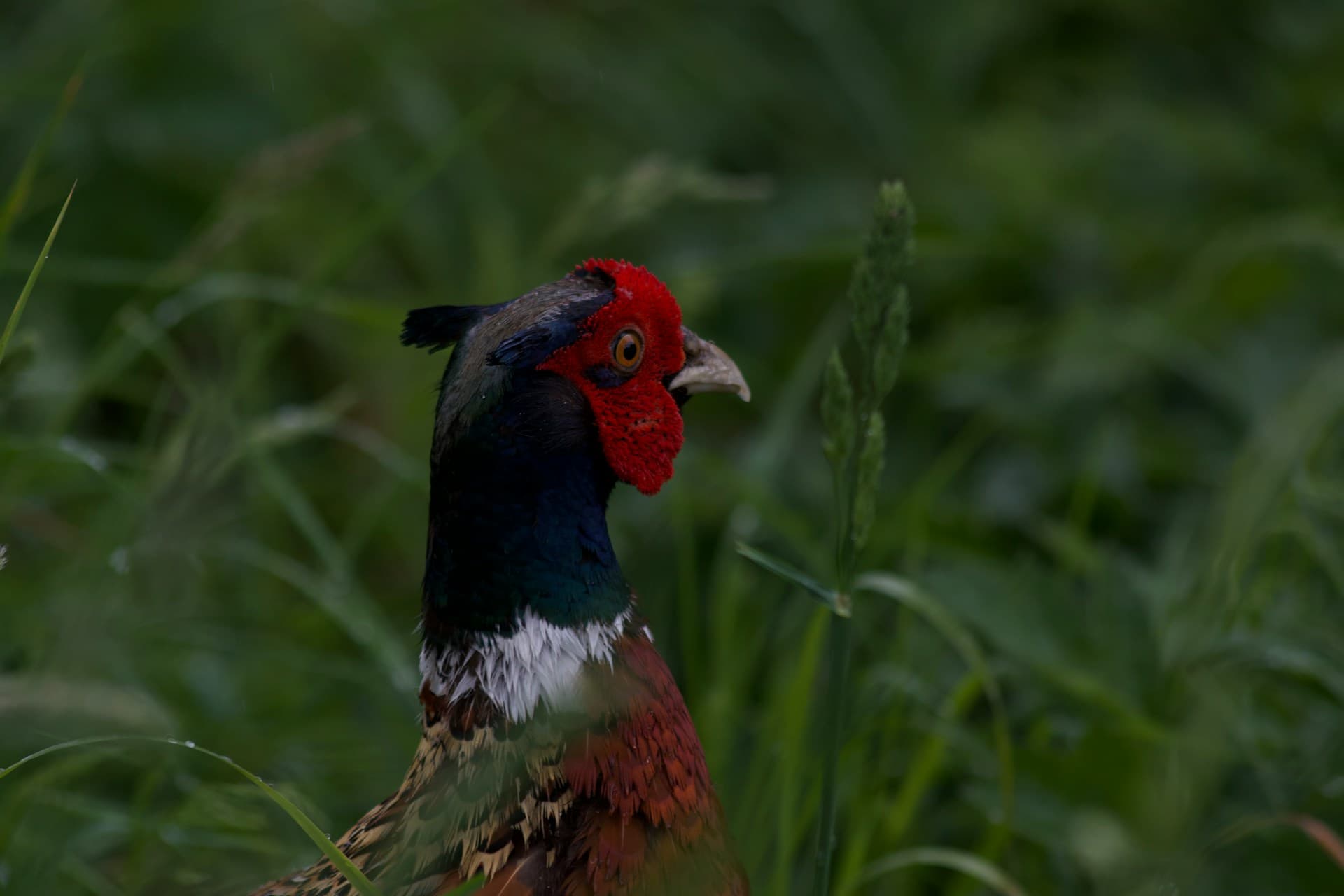
- Colburn, Elliott. "Pheasant in Tall Grass." Unsplash, unsplash.com/photos/qsh1oOI-uns. Accessed 2 Jun. 2026.
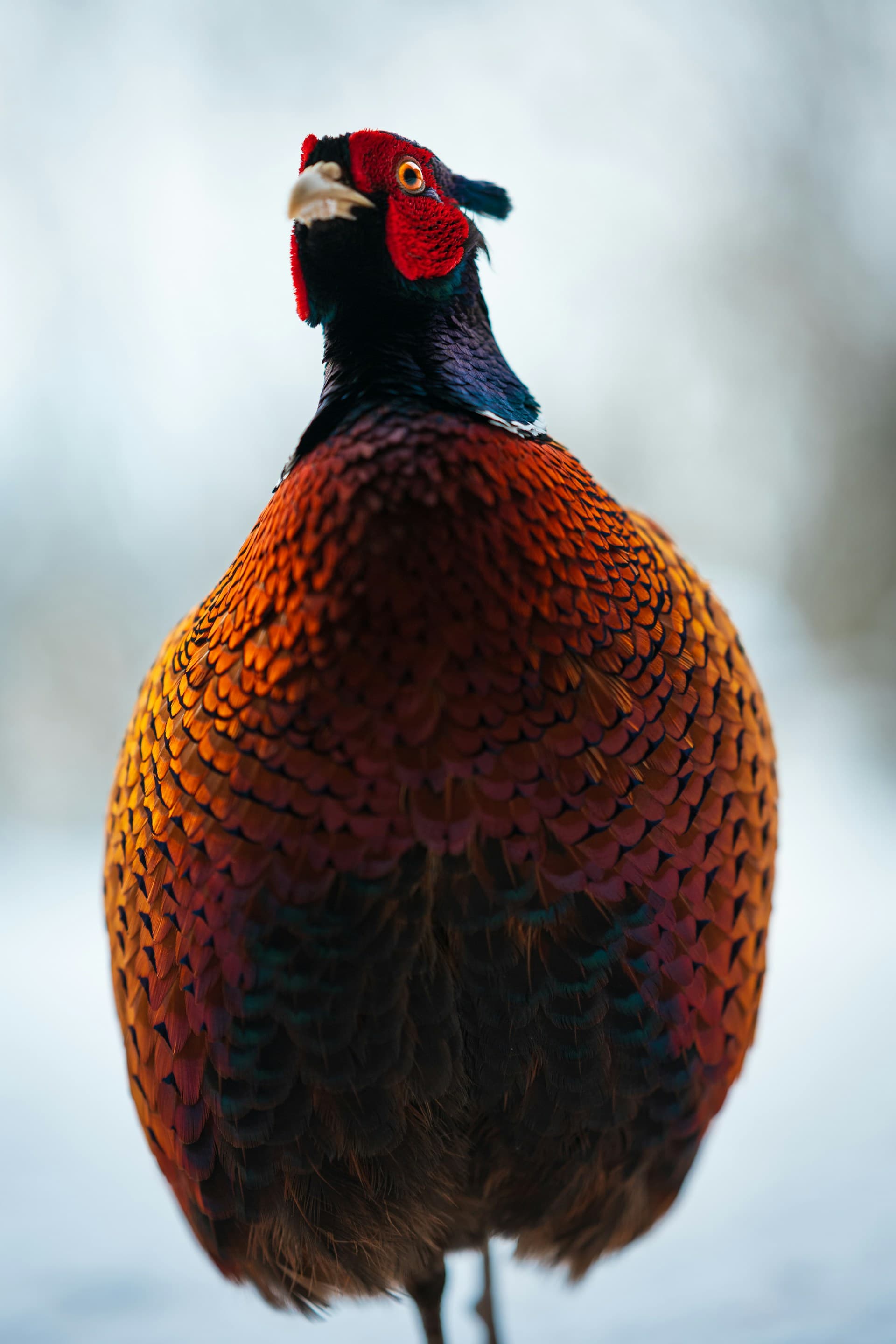
- Kangas, Lumi. "Pheasant in the Snow." Unsplash, unsplash.com/photos/T42uSYoEcDI. Accessed 2 Jun. 2026.
Official state agency
Kansas Department of Wildlife and ParksVerify seasons, bag limits, and license rules with the agency before you hunt.
Written by
The Inside Spread Team
The Inside Spread team covers hunting seasons and access across all 50 states. Our writers plan Kansas pheasant trips around the November opener, WIHA maps, and northwest CRP corridor counties.
Comments
My calendar shows the second Saturday of November to be the 14th, not the 8th. KDWP website shows the season as November 14 through January 31. The youth season is November 7-8.
More in state-guides
Arkansas Duck Hunting 2026: Season Dates, WMA Permits, License Costs & Complete Guide
Arkansas duck hunting 2026-27—three-segment season dates, nonresident WMA waterfowl permits, Black River and Bayou Meto access changes, and Delta license costs.
Georgia Whitetail Deer Hunting 2026: Season Dates, Extended Counties, License Costs & Nonresident Guide
Georgia whitetail deer hunting 2026-27—archery, primitive weapons, and firearms dates, 29-county extended archery, 12-deer bag, Game Check, and the nonresident guide.
Kentucky Whitetail Deer Hunting 2026: Season Dates, Zone Changes, License Costs & Nonresident Guide
Kentucky whitetail deer hunting 2026-27—archery, crossbow, and modern gun dates, the 2026 zone map, license and deer permit costs, Telecheck, and the nonresident guide.
Michigan Whitetail Deer Hunting 2026: Season Dates, License Costs, UP vs LP & Nonresident Guide
Michigan whitetail deer hunting 2026—archery, firearm, and three-day December dates, DNR license fees, Upper vs Lower Peninsula rules, baiting, and the nonresident guide.