
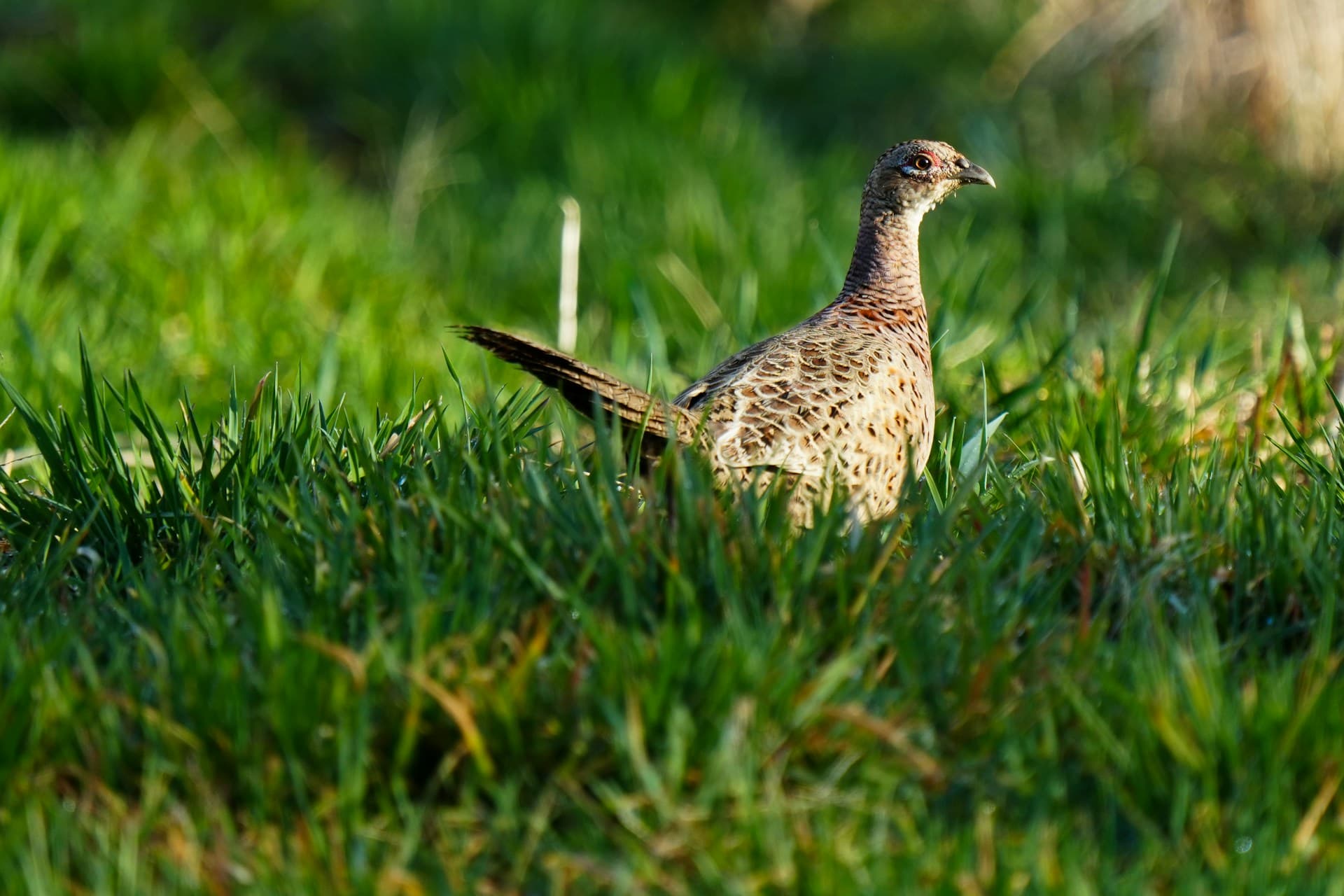
Minnesota Pheasant Hunting 2026: Season Dates, License Costs, Pheasant Stamp & Nonresident Guide
Minnesota pheasant hunting 2026—regular season opener October 11, daily bag limits, nonresident small game license and Pheasant Stamp, Walk-In Access lands,…
Minnesota pheasant hunting in 2026 opens October 11 and runs through January 1, 2027. Nonresidents need a $102 small game license plus a $7.50 Pheasant Stamp (ages 18–64)—about $109.50 total, OTC, no draw. Blaze orange or fluorescent pink above the waist is required by law. Target the southwest prairie counties and Walk-In Access. Always verify final regulations at dnr.state.mn.us.
- Regular opener: October 11, 2026
- Season closes: January 1, 2027
- Nonresident total: ~$109.50 (license + Pheasant Stamp)
- Bag: 2 roosters/day early; 3 from December 1
- Blaze orange/pink: required above the waist
Quick Facts: Minnesota Pheasant 2026
| Youth Season | October 3–5, 2026 (approximately) |
| Regular Season Opens | October 11, 2026 |
| Regular Season Closes | January 1, 2027 |
| Daily Bag Limit (Oct 11 – Nov 30) | 2 roosters |
| Daily Bag Limit (Dec 1 – Jan 1) | 3 roosters |
| Possession Limit | 6 roosters (9 from December 1) |
| Shooting Hours | 30 minutes before sunrise to sunset |
| Nonresident Small Game License | $102 |
| Pheasant Stamp (ages 18–64) | $7.50 (required; resident and nonresident) |
| Total Nonresident Cost | Approximately $109.50 |
| Blaze Orange | Required — at least one visible garment above the waist |
| Draw Required? | No — OTC purchase |
| Walk-In Access | Available statewide through DNR program |
| Official Source | dnr.state.mn.us/hunting/pheasant |
Minnesota pheasant season dates are confirmed above based on Minnesota DNR structure. Verify final 2026-27 season dates and any regulation changes at dnr.state.mn.us. Annual regulations typically finalized by August 1.
Why Minnesota for Pheasant
Minnesota may not carry the marquee status of South Dakota or Kansas in the national pheasant conversation, but the state's southwestern prairie counties deliver legitimate wild pheasant hunting in a landscape that combines agricultural row crops with diverse CRP grassland, wetland edges, and shelter belt corridors. Lac qui Parle, Yellow Medicine, Chippewa, Lincoln, Lyon, Redwood, and Cottonwood counties in the southwest form Minnesota's pheasant core — and they benefit from relatively lower nonresident hunting pressure compared to better-known states.
The state also brings an important structural advantage: the pheasant season opens one week earlier than neighboring South Dakota's general opener, giving Minnesota hunters first access to early-season birds. The October 11 opener falls before the bulk of hunting pressure hits the region and while roosters are still following predictable early-season routines around feeding fields and nesting cover.
Minnesota's Walk-In Access program, combined with state Wildlife Management Areas (WMAs) and county-owned land, provides substantial public hunting opportunity in the southwest. The state manages over 11 million acres of public land statewide, though pheasant concentration is specific to the southwestern farm country.
2026 Season Dates
Youth Season
Minnesota offers a 3-day youth pheasant season prior to the general opener. Youth season: approximately October 3–5, 2026 (verify exact dates at dnr.state.mn.us when the fall regulations publish).
General Season
October 11, 2026 – January 1, 2027. Minnesota's season runs approximately 12 weeks from mid-October through New Year's Day.
Shooting hours: 30 minutes before sunrise to sunset.
Bag Limits
| Period | Daily Bag | Possession |
|---|---|---|
| October 11 – November 30 | 2 roosters | 6 roosters |
| December 1 – January 1 | 3 roosters | 9 roosters |
Roosters (male pheasants) only — hens are protected. Birds must retain a leg or fully-feathered wing for transport until reaching a final destination to establish sex.
Licenses and Fees
Minnesota's pheasant licensing is straightforward but requires two separate purchases: the base small game license and the Pheasant Stamp.
License Costs
| License/Permit | Resident | Nonresident |
|---|---|---|
| Small Game License | $22 | $102 |
| Pheasant Stamp (ages 18–64) | $7.50 | $7.50 |
| Apprentice Hunter Validation (first-time hunters under direct supervision) | $3.50 | $3.50 |
Total nonresident pheasant cost: approximately $109.50 (small game license + Pheasant Stamp).
Pheasant Stamp requirement: All hunters ages 18–64 must carry a valid Minnesota Pheasant Stamp in addition to their small game license. Residents 65 and older are exempt from the stamp requirement but still need the small game license. Nonresidents 65 and older must have both the stamp and the license. The $7.50 stamp funds pheasant habitat programs statewide.
Blaze Orange requirement: Minnesota law requires all pheasant hunters to wear at least one visible garment of blaze orange or fluorescent pink above the waist. A hat, jacket, or hunting vest satisfies this requirement. This is a legal mandate, not a recommendation — carry it in the field.
HIP Registration: Minnesota participates in the federal Harvest Information Program. HIP registration is required for all hunters pursuing migratory game birds (doves, woodcock, snipe). For pheasants — which are non-migratory upland game birds — HIP is not required.
Hunter Education: Required for all hunters born on or after January 1, 1980. Complete at hunter-ed.com or through the Minnesota DNR's free online course (mandatory in-person field day required after online completion).
License purchase at licenses.dnr.state.mn.us or by phone at 888-646-6367. Also available at major retailers including Walmart and Fleet Farm (note $1 agent fee at retail locations).
Where to Hunt Minnesota Pheasants
Southwest Minnesota: The Core Zone
The six-county southwest corridor is Minnesota's pheasant heartland:
- Lac qui Parle, Yellow Medicine, Chippewa counties: highest density CRP and wetland-edge habitat, consistent population base
- Lincoln, Lyon, Redwood, Cottonwood counties: strong agricultural edge hunting, good shelter belt and CRP cover
- Kandiyohi, Swift counties: transitional zone into lake country with solid upland hunting
This region has the state's highest pheasant populations and the bulk of the available Walk-In Access private land. Hunters new to Minnesota should start their trip planning here.
Public Land Access
Wildlife Management Areas (WMAs) Minnesota maintains more than 1,300 WMAs statewide. The southwest pheasant zone has WMAs interspersed through the agricultural landscape that provide public hunting access. Find WMA locations and boundaries at dnr.state.mn.us/areas/wildlife/wma.
Walk-In Access Program The Minnesota DNR's Walk-In Access program provides public pheasant hunting on enrolled private land in the western and southwestern portions of the state. Download Walk-In Access maps through the DNR's online atlas or the HuntFishMN app before your trip — enrollment and boundaries change annually.
County-Owned Land Several southwest Minnesota counties manage publicly accessible land that is open to hunting during regular seasons. These parcels vary in quality and size; check with individual county conservation offices.
Blaze Orange and Shooting Regulations
Minnesota law requires that all pheasant hunters (resident and nonresident) wear at least one article of solid fluorescent blaze orange or fluorescent pink visible above the waist during the pheasant season. Hunters are strongly encouraged to wear more than the minimum — a blaze orange vest or jacket makes hunters more visible to others in the field.
Legal hunting methods:
- Shotguns are the standard method; shot sizes and shell restrictions may vary by land type (lead shot prohibited on some public land — verify before hunting)
- Dogs are legal and strongly encouraged for pheasant hunting in Minnesota's often-dense cover
- Rifles and handguns (except .22 caliber rimfire) are not legal for pheasant hunting
2026 Regulatory Note: Shotgun Zone Repeal
The most significant Minnesota hunting regulation change for 2026 is the repeal of the state's long-standing shotgun-only zone in southern Minnesota, effective January 1, 2026. While this change primarily affects deer hunters, pheasant hunters who also plan deer hunts in the same trip should be aware that the weapon restriction map for Minnesota has changed significantly. The shotgun-only zone repeal does not affect pheasant season weapon regulations — shotguns remain the legal and standard method for pheasant hunting.
Nonresident Pheasant Hunting in Minnesota
How to Hunt Pheasants in Minnesota as a Nonresident
Minnesota is an accessible, cost-effective nonresident pheasant destination.
What nonresidents need:
- Nonresident Small Game License: $102
- Pheasant Stamp: $7.50
- Blaze orange: At least one visible garment above the waist (required by law)
- Hunter Education Certificate: Required if born on or after January 1, 1980
- Total cost: approximately $109.50
Access strategy:
- Target the southwest corner (Lac qui Parle, Yellow Medicine, Chippewa, Lincoln, Lyon counties) for the best wild bird habitat and public land access
- Download the DNR's Walk-In Access maps for your target counties before the trip — use the HuntFishMN app for in-field navigation
- Combine WMA public land with Walk-In Access parcels for a full day's hunting circuit
- Minnesota's October 11 opener provides an earlier start than South Dakota — a genuine strategic advantage for hunters willing to drive northwest
Purchase licenses at licenses.dnr.state.mn.us or by phone at 888-646-6367.
Key Resources
- Minnesota DNR Pheasant Hunting (official): dnr.state.mn.us/hunting/pheasant
- License purchase: licenses.dnr.state.mn.us or 888-646-6367
- HuntFishMN app: iOS and Android — includes Walk-In Access maps and WMA boundaries
- Walk-In Access information: dnr.state.mn.us/hunting/walking
- Hunter Education: hunter-ed.com (free course, required in-person field day)
For more pheasant hunting guides by state, visit The Inside Spread State Guides. See our full Minnesota hunting guide for deer, turkey, and waterfowl opportunities. Also see our South Dakota pheasant hunting guide and North Dakota pheasant hunting guide.
Sources
- Minnesota Department of Natural Resources. "Pheasant Hunting." MN DNR, dnr.state.mn.us/hunting/pheasant. Accessed 2 Jun. 2026.
- Minnesota Department of Natural Resources. "Walk-In Access." MN DNR, dnr.state.mn.us/hunting/walking. Accessed 2 Jun. 2026.
- Minnesota Department of Natural Resources. "Electronic Licensing." MN DNR, licenses.dnr.state.mn.us. Accessed 2 Jun. 2026.
- Unsplash. "Pheasant in Tall Green Grass." Unsplash, unsplash.com/photos/QjlN1Z5-64s. Accessed 2 Jun. 2026.
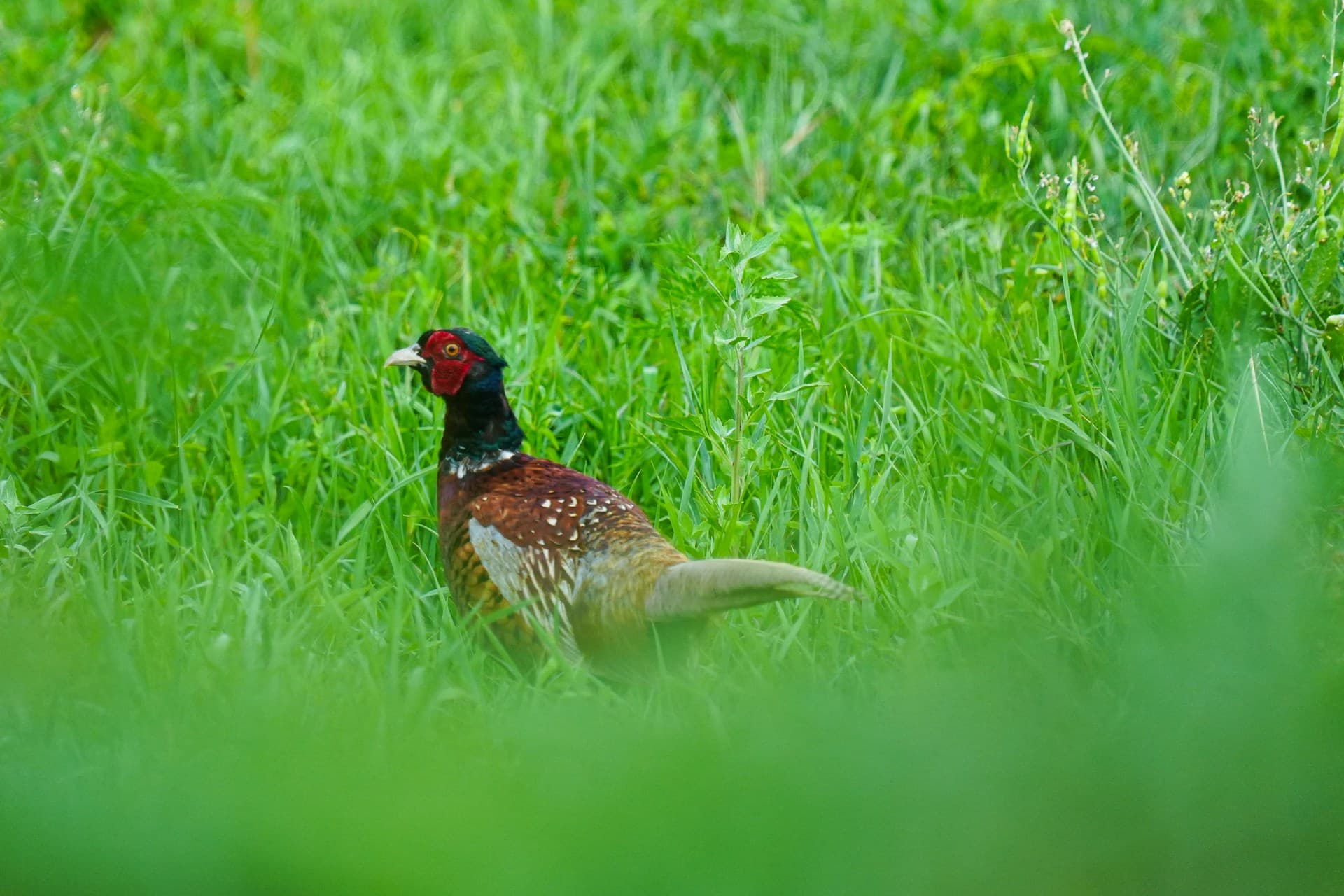
- Unsplash. "Pheasant in Field Grass." Unsplash, unsplash.com/photos/vyDOj8Re7w8. Accessed 2 Jun. 2026.
Official state agency
Minnesota Department of Natural ResourcesVerify seasons, bag limits, and license rules with the agency before you hunt.
Written by
The Inside Spread Team
The Inside Spread team covers hunting seasons and access across all 50 states. Our writers plan Minnesota pheasant trips around the October 11 opener, Pheasant Stamp requirements, and southwest Walk-In Access maps.
Comments
No comments yet. Be the first to share your thoughts.
More in state-guides
Arkansas Duck Hunting 2026: Season Dates, WMA Permits, License Costs & Complete Guide
Arkansas duck hunting 2026-27—three-segment season dates, nonresident WMA waterfowl permits, Black River and Bayou Meto access changes, and Delta license costs.
Georgia Whitetail Deer Hunting 2026: Season Dates, Extended Counties, License Costs & Nonresident Guide
Georgia whitetail deer hunting 2026-27—archery, primitive weapons, and firearms dates, 29-county extended archery, 12-deer bag, Game Check, and the nonresident guide.
Kentucky Whitetail Deer Hunting 2026: Season Dates, Zone Changes, License Costs & Nonresident Guide
Kentucky whitetail deer hunting 2026-27—archery, crossbow, and modern gun dates, the 2026 zone map, license and deer permit costs, Telecheck, and the nonresident guide.
Michigan Whitetail Deer Hunting 2026: Season Dates, License Costs, UP vs LP & Nonresident Guide
Michigan whitetail deer hunting 2026—archery, firearm, and three-day December dates, DNR license fees, Upper vs Lower Peninsula rules, baiting, and the nonresident guide.