

IP28 Is Dead — For Now. Oregon's Hunting and Fishing Ban Fell 13,000 Signatures Short. Here's What Happens Next.
Oregon IP28 failed to qualify for the November 2026 ballot after falling about 13,000 valid signatures short. Here is what happened—and why hunters say the…
Earlier coverage: We warned what was at stake before the deadline in Oregon Is One Step From Criminalizing Hunting and Fishing. This is the outcome.
It's over. For this cycle.
On July 24, 2026, the Oregon Secretary of State's Elections Division confirmed what sportsmen across the state had been fighting for months to prevent: Initiative Petition 28—the so-called PEACE Act that would have criminalized hunting, fishing, trapping, and common farming practices across Oregon—failed to qualify for the November 3, 2026 general election ballot. It fell roughly 13,000 valid signatures short of the threshold. Oregon voters will not decide this measure this fall.
For the 330,000 licensed hunters, 500,000 licensed anglers, and the farming and ranching families who spent the summer watching this campaign gather steam, that is genuinely good news. It's also not the end of the story. This was the third time this exact campaign has tried and failed to reach Oregon voters—and everyone who fought it off this year is saying the same thing: don't put the gloves away.
Here's exactly what happened, how close it actually came, and what comes next.
The final numbers: how IP28 died
Let's start with the math, because it tells the real story of how close this campaign actually came.
Sponsors of IP28 needed 117,173 valid signatures to qualify for the ballot. On July 2, 2026, the campaign submitted 142,784 total signatures—comfortably more than the threshold on paper, assuming a normal validity rate. But raw signatures and valid signatures are two very different numbers, and that gap is what killed IP28.
The Oregon Elections Division's verification process runs in stages. An initial random sample tested in mid-July came back short of the validity rate needed to clear the threshold. That triggered a second, deeper round of verification. On July 24, the Elections Division announced its final determination: of the 142,347 signatures accepted for verification, only 104,262—or 73.25 percent—were valid.
That left IP28 approximately 12,911 signatures short of qualifying—about 13,000 in round numbers. Close. Closer than either of its two previous attempts. But short.
For context on what "valid" means in this process: signatures get invalidated for reasons ranging from the signer not being a registered Oregon voter, to duplicate signatures, to illegible or mismatched information, to signatures collected outside the proper circulation window. Campaigns typically pad their submissions well above the raw threshold precisely because they expect a meaningful percentage to be thrown out. IP28's organizers submitted about 22 percent more signatures than the minimum required—and it still wasn't enough.
Third time, and the closest yet
This is worth sitting with: IP28 is not a new fight. It's the third attempt by the same campaign, led by chief petitioner David Michelson, to put a version of this measure in front of Oregon voters. Earlier efforts—filed as IP13 for 2020 and IP3 for 2024—both failed to gather sufficient signatures as well, and by wider margins than this year's attempt.
Each cycle, the campaign has gotten closer. That trend line matters more than any single year's outcome. The organizers didn't come up roughly 13,000 signatures short because the idea was fringe or the campaign was disorganized. They came up short because Oregon's hunting, farming, and conservation community mounted an aggressive, well-organized opposition campaign—and that opposition made the difference at the margin.
Michelson himself confirmed the campaign isn't finished. Following the July 24 announcement, he indicated that as long as animals are being killed, there will be a movement of people wanting to protect them, and that if the campaign continues to grow the way it has since 2020, a vote may still come in a future election cycle.
Translation: this is round three of what its organizers intend to be an ongoing fight. Round four is coming.
What actually stopped it: the Oregon Hunters Association's campaign
The margin between IP28 qualifying and failing came down to a public education and opposition effort that Oregon's hunting and conservation community built from the ground up over the past year.
Todd Adkins, Executive Director of the Oregon Hunters Association, was direct about what happened and what it means. "This is a massive victory for everyone who values Oregon's wildlife management and outdoor heritage, but we cannot afford to simply celebrate and wait for the next attack," Adkins said. "Our collective defense made all the difference this cycle, but breaking this exhausting, reactionary loop requires a permanent solution. It's time we went on the offense."
That "went on offense" framing is significant. OHA and its allied organizations aren't treating this as a defensive win to be quietly filed away. They're treating it as evidence that public education campaigns work—and a signal that Oregon's sportsmen's coalition needs to move from playing defense every two years to building something more durable.
The bipartisan political response echoed that same urgency. Oregon Legislative Sportsmen's Caucus co-chairs Senator David Brock Smith (R-Port Orford) and Senator Anthony Broadman (D-Bend) issued a joint statement with the Congressional Sportsmen's Foundation calling the outcome a major win—while explicitly warning it wasn't a permanent one. "Make no mistake however, radical policies like this will be back and we must stand against them," Smith said. "These outside interest groups continue to try and use Oregonians as their experiment. Today is a win and we will continue to work against such efforts that negatively impact our right to hunt, fish, farm, and forage."
National organizations weighed in with the same message. The National Shooting Sports Foundation's Senior Vice President and General Counsel, Lawrence G. Keane, called IP28 a radical anti-hunting plan that was clearly—and correctly—rejected by Oregonians who wanted no part of an attack on outdoorsmanship and the conservation system that managed hunting requires. NRA-ILA framed the defeat as a win credited to sustained public engagement, while telling supporters not to let the victory create complacency heading into other 2026 elections.
Bipartisan opposition. National organizational backing. A grassroots education campaign that Oregon's Fox affiliate credited with actively suppressing the petition's signature-gathering momentum in the field. That combination is what turned a comfortably submitted signature count into a final tally that fell short.
What IP28 would have actually done — a reminder
For anyone just catching up on this story, it's worth restating clearly what was at stake, because IP28's branding was deliberately misleading.
The initiative, formally titled the PEACE Act—People for the Elimination of Animal Cruelty Exemptions—did not propose a standalone hunting ban. It worked by removing the legal exemptions in Oregon's existing animal cruelty statutes that currently protect hunting, fishing, trapping, farming, animal research, and pest control from criminal prosecution. Strip those exemptions away, and every one of those activities becomes legally indistinguishable from animal abuse under laws already on the books.
The practical effect, had it passed: Oregon's 330,000 licensed hunters and 500,000 licensed anglers would have faced potential criminal prosecution for hunting or fishing. The state's 37,000 farms and ranches, employing more than 80,000 workers, would have faced the same exposure for standard agricultural practices. Oregon's nine federally recognized Tribes, whose treaty-protected hunting and fishing rights predate Oregon's statehood, had no exemption written into the measure at all.
According to the Yes on IP28 campaign, the goal was to extend the legal protections that keep companion animals safe to animals in agriculture, research, and the wild—a framing that sounds reasonable in isolation and obscures the sweeping practical consequences described above. That gap between the campaign's branding and its actual legal mechanism is exactly why the Oregon Hunters Association built its opposition campaign around public education rather than simply lobbying officials. Voters who understood what IP28 actually did overwhelmingly did not want to sign onto it.
For the full pre-deadline breakdown of the legal mechanism, conservation funding stakes, and nationwide copycat risk, see our earlier guide: Oregon Is One Step From Criminalizing Hunting and Fishing.
Why this isn't over — the national picture
Here is the part of this story that deserves the most attention going forward, because it's easy to read "IP28 failed" as the end of the threat. It isn't.
This is the third failed attempt by this specific campaign in six years. Each attempt has gathered more signatures and come closer to the threshold than the one before it. IP13 failed by a wide margin in 2020. IP3 fell short again in 2024. IP28 came within roughly 13,000 signatures in 2026—a gap that, if the trend continues, is not guaranteed to hold in a fourth attempt.
The organizations that helped defeat IP28 this cycle are explicit that the underlying threat—both in Oregon and nationally—has not gone away. The same legal mechanism IP28 used, stripping animal cruelty exemptions rather than proposing a standalone ban, is a template that can be replicated in any state with a citizen ballot initiative process. States with similar demographics to Oregon—large urban population centers that can outvote rural hunting and agricultural communities on a statewide ballot—remain the most likely targets for a similar campaign. California, Washington, Colorado, and Arizona have all seen related animal rights ballot activity in recent years.
For Oregon specifically, Adkins's call to "go on offense" signals that OHA and its allies see this year's near-miss as a warning that reactive, once-every-two-years opposition campaigns are not a sustainable long-term strategy. What that offensive posture looks like in practice—proactive legislation, expanded voter education infrastructure, deeper coalition-building with the agricultural and tribal communities who share the same stake in this fight—will likely take shape over the coming months.
What Oregon hunters and anglers should do now
The immediate crisis has passed, but the smart move is not to stand down entirely. Here's where attention should go next.
Support the organizations that made the difference. The Oregon Hunters Association's public education campaign is credited by multiple observers with directly suppressing IP28's signature-gathering momentum. That kind of sustained, well-funded opposition doesn't happen for free, and OHA has signaled this fight isn't finished. Continued membership and donations keep that infrastructure ready for the next attempt. Start at oregonhunters.org.
Stay engaged through November regardless. Multiple organizations involved in the IP28 fight explicitly urged supporters not to let this win create complacency about the broader November 2026 election. Oregon's gubernatorial race and other down-ballot contests will shape the political environment any future version of this campaign eventually gets filed into.
Watch for the next filing. Based on the pattern of this campaign—IP13 in 2020, IP3 in 2024, IP28 in 2026—a fourth attempt for a future cycle is a near-certainty. The margin narrowed each time. The next version of this campaign should be expected to start earlier, organize more effectively, and come closer still.
If you're outside Oregon, pay attention anyway. The legal mechanism at the heart of IP28 travels well to other states. Contact your own state's hunting and fishing advocacy organizations and ask directly whether similar campaigns are being tracked or anticipated in your state.
The bigger takeaway
IP28's defeat is a genuine win, and it's worth taking a moment to recognize what actually produced it: not luck, not bureaucratic accident, but a coordinated, well-organized public education campaign run by hunters, anglers, farmers, and ranchers who understood exactly what was at stake and did the unglamorous work of explaining it to their neighbors.
That's the same lesson from the Oregon fight that applies everywhere this playbook shows up next. Ballot initiatives built on deceptive branding win when voters don't understand what they're actually voting for. They lose when a community does the work of making sure voters do. Oregon's sportsmen did that work this year, under a tight timeline, against a well-funded and increasingly sophisticated opponent, and it worked—by a margin of about 13,000 signatures.
The Inside Spread will continue tracking this story, including any signs of a fourth filing. For now: a real win, hard-earned, and worth defending going forward.
Frequently asked questions about IP28's failure to qualify
Did Oregon's IP28 hunting and fishing ban make the November 2026 ballot?
No. The Oregon Secretary of State's Elections Division confirmed on July 24, 2026, that Initiative Petition 28 failed to qualify for the November 3, 2026 general election ballot. It will not appear before Oregon voters this year.
How many signatures did IP28 have, and why did it fail?
The campaign submitted 142,784 total signatures on July 2, 2026, well above the 117,173 required. However, only 104,262 of the 142,347 signatures accepted for verification—73.25 percent—were determined valid, leaving the measure about 12,911 valid signatures short of qualifying.
Is this the first time this hunting ban campaign has failed?
No, it's the third. The same campaign, led by chief petitioner David Michelson, previously filed as Initiative Petition 13 for the 2020 election and Initiative Petition 3 for the 2024 election. Both failed to gather sufficient signatures. IP28 came closer to qualifying than either previous attempt.
What would IP28 have actually done if it had passed?
IP28 would have removed the legal exemptions in Oregon's existing animal cruelty statutes that currently protect hunting, fishing, trapping, farming, animal research, and pest control from criminal prosecution. Removing those exemptions would have made those activities legally equivalent to animal abuse under Oregon law, exposing the state's 330,000 licensed hunters, 500,000 licensed anglers, and 37,000 farms and ranches to potential criminal prosecution.
Who opposed IP28?
Opposition included the Oregon Hunters Association, Oregon Farm Bureau, Oregon Cattlemen's Association, National Shooting Sports Foundation, NRA-ILA, Congressional Sportsmen's Foundation, and a bipartisan coalition including Oregon's Legislative Sportsmen's Caucus co-chairs, Senator David Brock Smith (R-Port Orford) and Senator Anthony Broadman (D-Bend).
Will this campaign try again for a future election?
Almost certainly. Chief petitioner David Michelson indicated after the July 24 announcement that the campaign intends to continue, citing its growth pattern since 2020. Given that each of the three attempts has come closer to qualifying than the last—with IP28 falling only about 13,000 signatures short—a fourth attempt should be expected.
What is the Oregon Hunters Association's role in defeating IP28?
OHA led a public education campaign that organization leadership credits with directly suppressing the petition's signature-gathering momentum during the collection period. OHA Executive Director Todd Adkins has stated that the organization intends to move toward a more proactive, "offense"-oriented strategy rather than relying solely on reactive opposition campaigns in future election cycles.
Could a similar ballot measure appear in other states?
Yes. The legal mechanism used by IP28—removing existing animal cruelty exemptions rather than proposing a standalone hunting ban—is a template that can be adapted to any state with a citizen ballot initiative process. States with large urban population centers and existing citizen initiative processes, including California, Washington, Colorado, and Arizona, are considered potential targets for similar campaigns based on prior related activity in those states.
Sources
- Oregon Secretary of State: IP 2026-028 Results of Signature Verification
- OregonVotes: Initiative, Referendum and Referral Information
- Central Oregonian: IP28 fails to make the Oregon ballot
- Willamette Week: Hunting and Fishing Ban Fails to Make November Ballot
- Statesman Journal: Oregonians will not vote on IP 28 hunting, fishing ban in November
- Oregon Hunters Association
- Congressional Sportsmen's Foundation
- National Shooting Sports Foundation
- NRA-ILA
- Unsplash: Snow-capped mountain rises above the dark forest (Mt. Hood, Oregon)
The Inside Spread covers hunting, fishing, shooting, and conservation. We donate 10% of profits to wildlife conservation.
Written by
The Inside Spread Staff
The Inside Spread staff reports on hunting, fishing, shooting, and conservation news with a focus on practical information for sportsmen and women.
Comments
No comments yet. Be the first to share your thoughts.
More in conservation
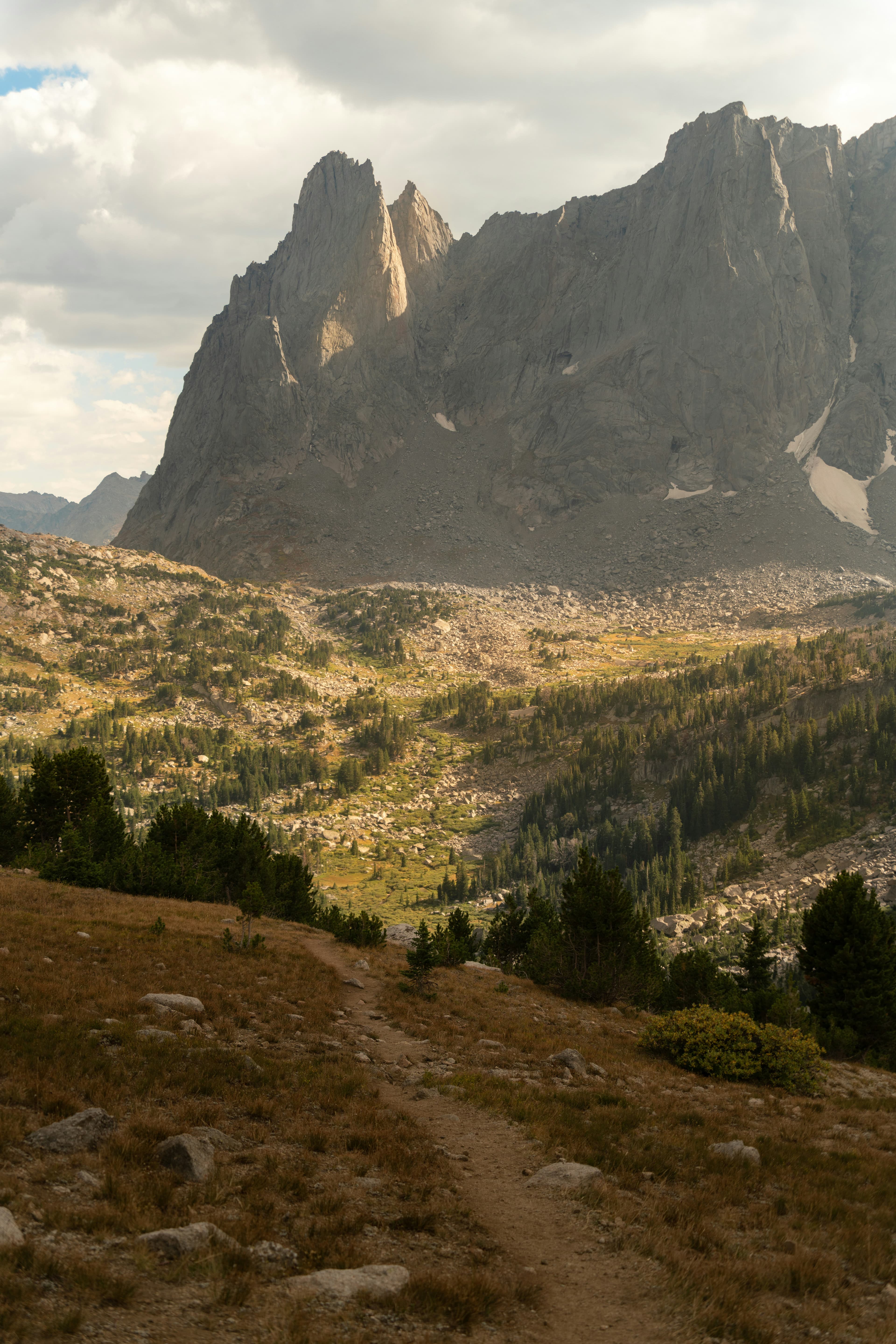
BREAKING: The Forest Service Just Moved to Kill the Roadless Rule for Good. 58 Million Acres of the Best Hunting and Fishing Left in America Are on the Table.
The Forest Service proposed rescinding the 2001 Roadless Rule, putting 58 million acres of backcountry hunting and fishing habitat at risk. Comment by Sept. 21.
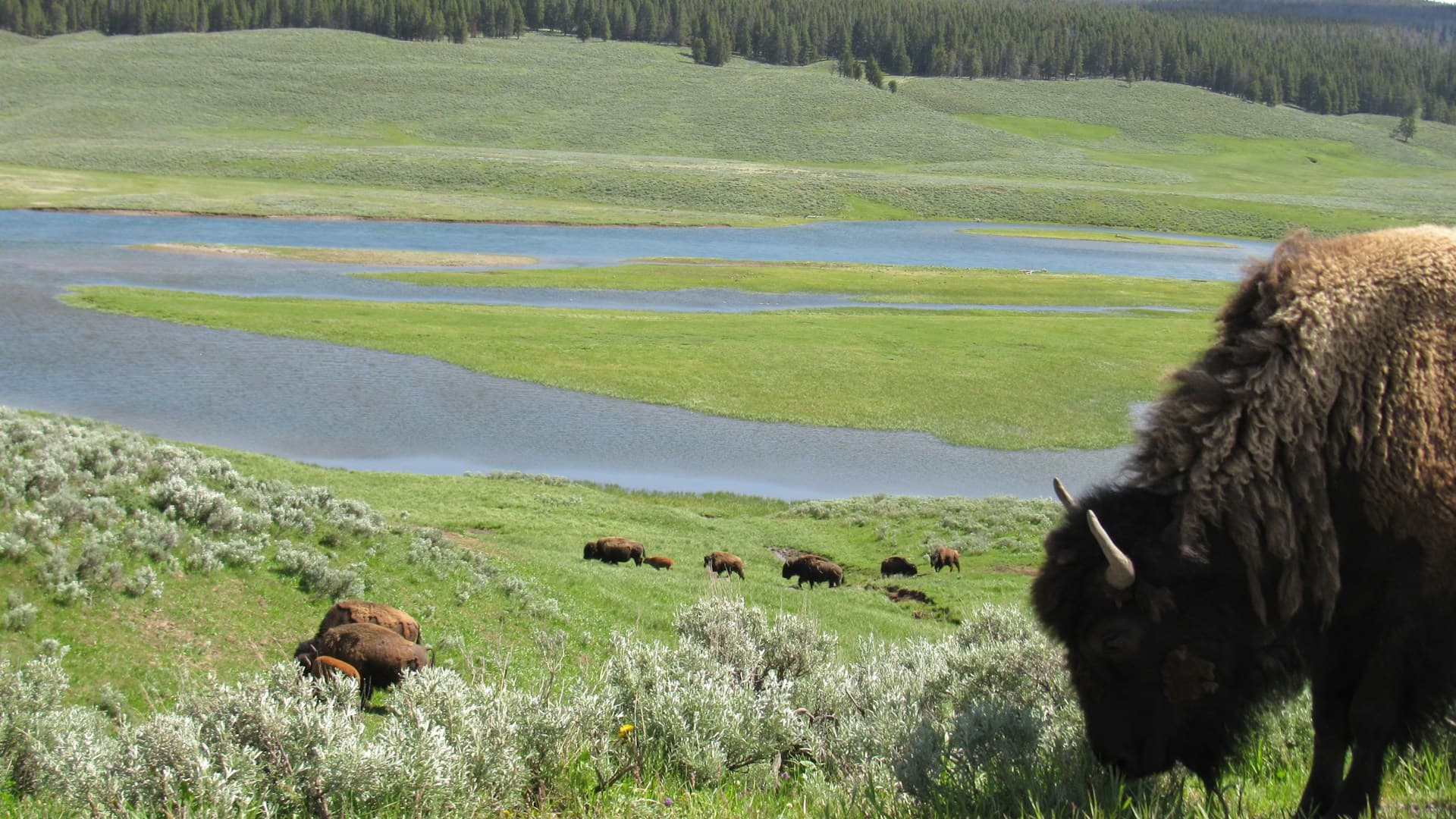
The History of Hunting in America, Part 2: Hunting and Conservation Efforts and Success
How hunters turned crisis into recovery—fair chase, the Lacey Act, Duck Stamp, Pittman-Robertson, and the species comebacks that prove regulated hunting funds conservation.
Pittman-Robertson, Licenses, and the Funding Cliff Nobody Wants to Talk About
Pittman-Robertson wildlife funding fell nearly 15% from FY2024 to FY2026. Here is how licenses and excise taxes fund state conservation—and how to strengthen the system without erasing hunters and anglers.
250 Years of America, and Hunters and Anglers Built the Greatest Wildlife Conservation System on Earth. Here's the Proof.
On America's 250th birthday—a history of the North American Model, Pittman-Robertson, the Duck Stamp, and five species comebacks funded by hunters and anglers who chose to pay to save what they loved.