
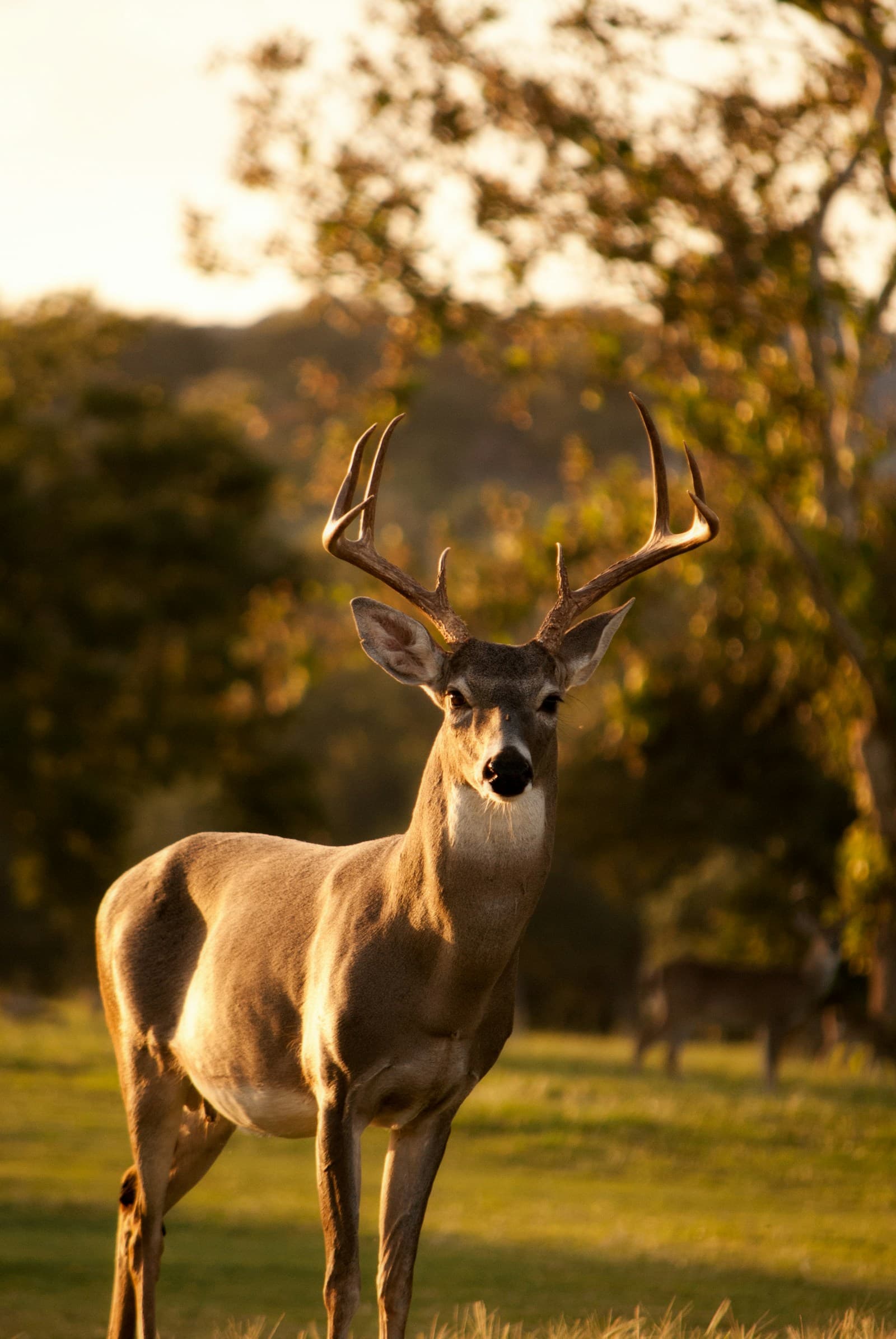
The Early Season Edge: Your 90-Day Preparation Plan for September and October Archery Deer Hunting
A 90-day July-through-October plan for early archery deer hunting—e-scouting, trail cameras, velvet shed timing, stand placement, mock scrapes, scent control,…
This guide is for the early archery hunter. If your season opens in September or early October — Virginia, North Carolina, South Carolina, Georgia, Alabama, Kentucky, and the dedicated bowhunters across the Midwest who want to be in a stand before the crowds arrive — this is your preparation plan. If you're hunting the November rut, we have a separate guide for that. This one is about beating the early season on its own terms, when the woods are still warm, the pressure is low, and a mature buck is still living by a schedule you can learn.
There's a buck on your property right now.
Maybe you've had him on camera. Maybe you've watched him from across a soybean field at dusk, going velvet soft in the July heat, built like something you've been trying to kill for three years. He's predictable. He's in a summer pattern so consistent you could set your watch by it. He's going to walk out of that field edge at 7:43 in the evening for the next six weeks.
And then he won't.
When that velvet strips off his rack in late August, something switches in a mature buck's brain. The lazy summer routine — feed, bed, feed, bed, completely unbothered — is replaced by a survival instinct that has kept his age class alive while dozens of other bucks in his peer group ended up on tailgates. He'll shift his core area. He'll go nocturnal. He'll find the thickest cover on the property and not move until the wind, thermals, and moon are exactly right, and even then he'll make you prove you know where he's going before he steps into shooting light.
The hunters who kill mature bucks in the early season aren't lucky. They're done with their work before the buck makes his move. They've scouted without bumping deer, hung stands without leaving scent, established mock scrapes that have been conditioning local bucks for weeks, and identified the entry routes that will get them in and out without blowing up the whole program.
You have 90 days. Here's how to use them.
Why the early season is the best and most underrated window of the year
Most hunters think of the rut as the only real opportunity at a mature buck. That belief is why most hunters don't kill mature bucks.
The rut is chaos. Mature bucks cover enormous ground, often running far outside their home range in pursuit of does. They're visible, sure, but they're unpredictable. You can't pattern a buck that's covering 10 miles a day with his nose in the air. You can set up on a known travel corridor and hope, and sometimes that works. But it's not a plan. It's a lottery ticket.
The early season — from opening day through the first week of October — is something else entirely. Bucks are still in their summer home ranges, still operating on food-based patterns that have been running since May, still predictable in ways they will never be again until the rut is finished and the woods go quiet in late November. Pressure is lower. Temperatures are cooler in the morning and evening. Other hunters haven't arrived yet. The woods haven't been educated.
If you do the work now — in July, August, and early September — you can be sitting 20 yards from a velvet-to-hard-horned mature buck on the first week of archery season, watching him work a mock scrape you set up two months ago, on a stand you hung in August with surgical precision so he never knew you were there.
That is not an accident. That is a 90-day plan executed correctly.
July: intelligence gathering without leaving a trace
July is the month most hunters treat as the off-season. It isn't. It's the most important month of your pre-season because bucks are at their most predictable and you have the most time to learn them without pressure. What you do in July determines everything that comes after.
E-scouting first, boots on the ground second
Before you set a foot on your property, spend time at your kitchen table. Pull up OnX Hunt, HuntStand, or whatever mapping platform you use and study the terrain like you're planning a military operation. Identify the feed, bed, and water triangle that every mature buck's summer day is built around.
Study maps to eliminate 60 percent of marginal habitat, then concentrate your scouting on the 40 percent that holds the most bucks. Look for the travel corridors connecting feed to bed, bed to water. Look for the pinch points — the places where terrain forces deer movement into a bottleneck. Ridge ends, creek crossings, fence gaps, the narrow strip of timber between two agricultural fields. Those places exist on every piece of ground, and they're findable from your couch before you ever risk bumping a buck.
Mark your candidate stand trees, your potential camera locations, and your entry routes before you go in. Going in with a plan means less time on the ground, less scent in the air, and less disturbance to the summer patterns you're trying to read.
Trail cameras: the most valuable tool in your arsenal
In July, mature bucks are in bachelor groups — two to eight animals moving together, feeding openly in the same food sources every evening, tolerating each other with a social ease that will evaporate the moment velvet starts to strip. Bachelor groups are your inventory. You need to know who's on the property, what they're carrying, and when they're showing up.
Set cameras over summer food sources — green food plots, soybean fields, clover, standing corn edges, water sources in dry conditions. These spots become buck magnets once antler growth peaks in late July and early August. A buck growing bone at over an inch per day needs water, protein, and minerals, and he'll use the same high-quality food source night after night with remarkable consistency.
Whitetail bucks often bed within 200 yards of prime feed in late summer. That proximity tells you something critical: the stand tree you want for the early season is probably between that food source and the timber edge, not 500 yards back in the dark.
Cell cameras changed everything for early season scouting. The ability to monitor cameras without physically checking them — without walking in and leaving scent, without bumping deer off their patterns — means you can build a detailed picture of what's happening on your property without the deer knowing you exist. Invest in them if you haven't. The intel they provide is worth more than any other piece of equipment you own.
Long-range observation: glass them without going near them
Some of the best scouting you can do in July doesn't involve going anywhere near your hunting area at all. On late July and August evenings, drive to a position where you can glass a good piece — a rise overlooking agricultural fields, the end of a road that puts you 400 yards from a soybean field edge.
With a quality binocular and a spotting scope, you can inventory bachelor groups without leaving a single boot print in their core area. You know their size, their headgear, their entry points, their timing. And they never know you were there. When you do go in to hang cameras and stands, you already know exactly where to go.
Mineral sites and water: the summer attractants that work
Summer is the season when deer crave minerals — specifically calcium and phosphorus, the building blocks of antler and bone. Mineral sites near your primary camera locations serve double duty: they attract deer to a specific point and provide a health benefit to the herd.
In states where mineral supplements are legal, establish your sites now and pair them with a trail camera. You'll capture images of every shooter buck using the property before a single arrow flies. Even in states with more restrictive supplement rules, simply knowing where natural mineral deposits and water sources are gives you camera placement advantages that translate directly into hunting intel.
August: do the physical work without wrecking the program
August is the month when intentions meet reality. Everything you scouted in July needs to be converted into physical preparation — cameras moved to tighter locations, stands hung, shooting lanes cleared, entry routes committed to — and all of it needs to happen without teaching your target buck that something has changed in his world.
Understanding the velvet shed and what it means for your timeline
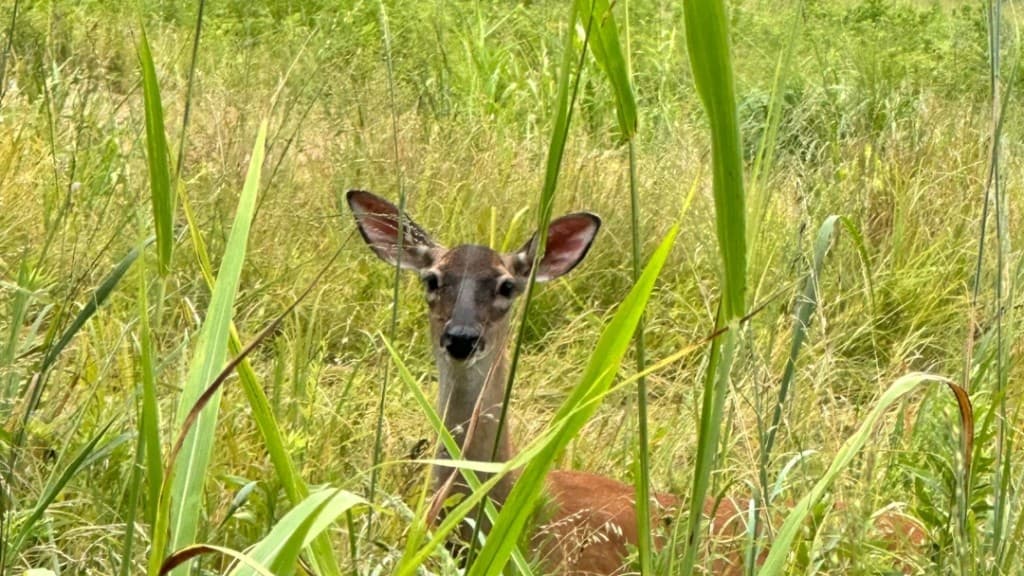
The single most important biological event in your pre-season happens in late August: the velvet shed. Blood flow to the growing antlers ceases around August 10 in most northern states — slightly later as you move south. The antlers spend the next 20 to 25 days calcifying and hardening. By Labor Day in the Midwest and the first or second week of September in the South, most mature bucks have stripped their velvet.
What happens next is the threat to your entire early season plan.
When a buck sheds his velvet, two things change simultaneously. The visible change is obvious: hardened antlers, neck beginning to thicken, the first territorial rubs appearing on small trees. The invisible change is the one that kills early-season hunts: a mature buck's survival instincts kick into gear. The same animal who stood in an open soybean field at 7:30 every evening in late July becomes suddenly, completely nocturnal.
He hasn't left the property. He hasn't blown up his home range yet — that doesn't happen until the pre-rut pushes him into seeking behavior in October. He's still in the same core area, still hitting the same food sources. But he's doing it at 10 p.m. instead of 7:30 p.m., and he's using secondary trails and thick cover transitions he never touched in summer.
This is why your August work is so critical. The stands you hang, the entry routes you establish, the mock scrapes you build — all of it needs to be in place before that velvet comes off. Once the velvet is shed, any intrusion into his core area will teach him something. Every boot print, every scent deposit, every unnatural disturbance registers in a brain that is now on high alert for exactly those things.
Do your August work by mid-month. Two weeks before Labor Day is your deadline.
Hanging stands with surgical precision
Stand placement for early season is fundamentally different from stand placement for the rut. During the rut, you're setting up for random, high-energy deer movement that covers ground in all directions. For the early season, you're setting up for a specific pattern: the evening movement from bedding to food, and the morning movement back.
Morning hunts work best when you're close to bedding areas, but it's risky to get too close. Hunt the edges in staging areas where cover, wind, and visibility work in your favor. Bucks may be heading to bed just after daybreak, and a well-placed stand on the outskirts of a staging area gives you a shot without blowing up the whole zone.
For evening sits, your stand needs to be between the bedding and the food — not on the food source itself. Set up 50 to 100 yards from the field edge, in the staging timber where a mature buck will hang up waiting for dark before committing to the open. He'll show himself in that staging area in daylight when he wouldn't dare step into the open until after shooting light.
Consider the prevailing wind for your region in early season. In most of the country, late summer and early fall mean south or southwest winds — warm-weather winds that blow off your stand toward the bedding area if you're not careful. Map your approach routes and stand locations specifically for those conditions, and have a backup stand hung for the north or northwest wind that comes with early cold fronts in late September.
Wear rubber boots for every entry. Use scent-eliminating products on your clothes, your equipment, and your skin. Clear shooting lanes with hand pruners rather than a chainsaw. Every unnatural disturbance — noise, scent, visual change — is a data point a mature buck will file and remember.
Entry routes: the most overlooked detail in stand selection
You can hang the perfect stand in the perfect tree with a perfect wind and kill nothing if your entry route deposits your scent on the deer before you ever get to the stand.
Map your entry routes with the same discipline you used to identify stand locations. The goal is simple: get in and out without crossing any trail, food source, or bedding area where deer will be moving. For morning hunts, that means approaching from downwind of the bedding area — which means coming from the field side, the road side, anywhere that puts you opposite to where the deer are sleeping. For evening hunts, approach from downwind of the food source and keep your path through dead timber and low-traffic corridors.
On properties you know well, those routes might be obvious. On new ground, walk them in July before the hunting pressure season starts and map them with GPS. On public land, those routes are often what separates successful hunters from the crowd: the hunter who walked three extra miles to approach a bedding area from the right direction is the one who tagged the buck.
Pay special attention to crossing open areas, field edges, and creek bottoms — places where your silhouette, your scent, or your footfall will be obvious to deer passing through. Red or green headlamps in the dark, slow deliberate movement, pre-cleared debris from your path — these are the details that compound into success or failure over a season.
Setting up mock scrapes in August: the tactic that pays off in September
Here's the tactic most deer hunters either don't know about or execute too late: mock scrapes started in summer are among the most powerful tools you have for early season mature buck encounters.
Most hunters think of scrapes as a pre-rut behavior — mid-October, peak rutting activity, bucks pawing the dirt in agricultural country. And that's when scrapes get the most attention. But bucks interact with scrapes and licking branches year-round, and establishing your mock scrape in August — weeks before the season even opens — conditions local bucks to treat your location as a communication hub on their home range before any hunting pressure exists.
How to build a mock scrape that actually gets used
Location is everything. Place your mock scrape in a natural travel corridor — a pinch point, a funnel, the transition zone between bedding and feeding areas, or along a well-used trail at a field edge. The area should allow you to hunt it without requiring you to walk through the deer's primary movement zone to get there.
The licking branch is the most important component — more important than the scrape on the ground. Find a horizontal limb 4 to 5 feet off the ground. If a natural one doesn't exist in your target location, zip-tie a branch to a tree or use a portable licking branch system. Bucks interact with licking branches year-round, depositing scent from their preorbital, forehead, and nasal glands. A well-established licking branch will draw buck activity even when scraping activity on the ground is low.
Wear rubber gloves throughout the process. Use a stick or rake to clear a 2 to 3 foot circle of bare ground beneath the licking branch. For early season setup — July and August — use non-estrous scents: preorbital gland scent on the licking branch and buck urine or a scrape blend in the cleared ground. Using estrous products this early is a mistake that can spook mature bucks by signaling a breeding trigger months before its biological time.
Freshen the scrape every two to three weeks through the summer. Don't over-scent. You want bucks checking the location regularly, not overwhelmed. When the season approaches, shift to scrape blend and increase the freshening frequency to weekly.
Pair your mock scrape with a cellular trail camera hung high enough to avoid detection. Over the course of a summer, you'll build a picture of which bucks are checking the scrape, when they're checking it, and whether they're doing it in daylight — which is the only intel that matters when you're deciding which sits to burn on that location.
September: the final approach
September is when the 90-day plan either pays off or reveals its gaps. The bachelor groups have broken up. The velvet is off or coming off. The bucks you've been watching all summer are transitioning from predictable summer patterns to the more cautious, cover-oriented movement that defines early fall.
Your first two sits: the most valuable of the year
The first time you hunt a stand is the only time a mature buck doesn't know that specific tree is a risk. Use that advantage deliberately. Don't burn your best stand in the first week of September when the buck is still partially nocturnal and the conditions aren't right. The first sit on a prime early-season location should happen when you have specific confidence: a daylight image on your cell camera within the last 24 to 48 hours, a favorable wind, and a favorable temperature.
Cool mornings — anything below 65 degrees — produce meaningfully better early season deer movement than the 90-degree evenings of early September. Watch the forecast for the first cold front of fall. That front, whenever it arrives, produces some of the best early season movement of the year. Deer are on their feet during daylight, their instincts sharpened by the temperature drop. Your camera intel tells you where they'll be. Your stand is already hung. Your entry route is already mapped.
That's the morning you're in the tree at 5 a.m., waiting.
Food source transitions: following the changing menu
A mature buck's food preferences shift across the early season, and understanding that shift is essential for repositioning as the season progresses.
In July and early August, green vegetation dominates — soybeans, clover, alfalfa, lush browse in clearcuts and power lines. In late August and early September, corn begins to mature and becomes a powerful attractor. By mid-September, the first acorns start dropping in the northern half of the country, and a mature buck will abandon nearly any other food source for a high-producing white oak flat.
The last green soybean field in an area is almost always an early-season hotspot. Once the beans turn brown and dry, bucks will relocate to wherever green food still exists — and if you've identified those secondary green fields in your scouting, you know exactly where they're going before they get there.
Watch your food source cameras across the transition. When a buck stops showing up at a location he's used all summer, he hasn't gone far — he's found a new food. Identify that food before you try to figure out where he went.
Scent control in heat: the early season's biggest challenge
The dirty secret of early September hunting is that scent control in 80-degree heat is exponentially harder than scent control in November. You're sweating on the walk in. Thermal currents are rising in the morning and falling in the evening in complex, unpredictable patterns. The deer's nose is functioning perfectly.
Shower with scent-eliminating soap before every hunt. Dress at the truck or at the field edge — never in your house or vehicle — to keep your hunting clothes from absorbing domestic odors. Use scent-eliminating spray on everything. Hunt downwind aggressively; in early season heat, playing the wind is not optional. It's survival.
Morning sits in early September often produce deer movement right at first light when temperatures are coolest. By 9 a.m., the heat is climbing, thermals are swirling, and mature bucks are bedded. Evening sits are more productive once temperatures drop after 5 p.m. and deer begin moving toward food. The one-hour window before last light in late September, on a cool evening, with your camera intel confirming a mature buck has been hitting a specific food source — that's the window that defines the early season for serious deer hunters.
Managing hunting pressure: the discipline most hunters lack
The single biggest mistake early season hunters make is hunting a location too often. Every time you enter a stand, you leave scent, you create noise, you alert deer in the area that something is different. Mature bucks don't need many data points to go completely nocturnal. Two or three entries with any degree of detection can shut down a location for weeks.
Hunt your best early season stands sparingly. One to two times in the first two weeks of the season. Save them for the conditions that deserve them — daylight camera activity, favorable wind, cool temperatures. Fill the other days with lower-priority locations, observation, or staying out altogether.
The hunter who burns a prime stand three times in the first week of October because he "just had to get in there" is the reason that buck never shows up in daylight. Patience in the early season is its own form of strategy.
The pre-rut bridge: October 1 to 15
The window between pure early season food patterns and the chaos of the rut is one of the most underappreciated hunting opportunities on the calendar. From roughly October 1 through the second week of October, mature bucks are beginning to transition. Bachelor groups are fully broken up. Testosterone is building. The first scrapes and rubs are appearing on primary travel routes. Bucks are covering more ground, checking scrape lines, leaving sign in places they haven't visited since last November.
This is when your mock scrapes shift into a different gear. Bucks that have been occasionally checking the licking branch you established in August are now interacting with the ground scrape aggressively, freshening it, adding their scent to a location they've been conditioned to treat as a communication hub.
Move your cell cameras to monitor scrape activity. Watch for the increase in daytime checking that signals the approaching pre-rut. When a shooter-caliber buck is freshening your mock scrape in daylight — appearing at 10 a.m., at 2 p.m., not just at last light — that is the signal to slip in.
This transition period, just before the pre-rut kicks into gear, offers some of the best hunting of the year for mature bucks. They're on their feet more than at any point since early September, but they haven't yet entered the chaotic seeking phase that makes them nearly impossible to pattern. You can still use food sources as anchors. You can still predict their general direction of travel. And the mock scrape you built in August has given them a reason to be precisely where your stand is hung.
That's not luck. That's 90 days of work paying off.
The 90-Day Checklist
Use this as your working document from now through opening day.
July
- Complete e-scouting on all properties using mapping apps; identify feed, bed, and water triangles
- Map candidate stand locations and entry routes before any in-person scouting
- Set trail cameras over primary summer food sources and water
- Establish mineral sites where legal, paired with cameras
- Begin long-range evening observation to inventory bachelor groups
- Identify your target bucks for fall
August (complete by August 15)
- Move cameras from field edges to interior staging areas and travel corridors
- Establish mock scrapes with licking branches using non-estrous scents
- Hang all primary stands with scent discipline; clear shooting lanes
- Walk and GPS-mark all entry routes for morning and evening approaches
- Service and safety-check all treestand equipment, harnesses, and climbing sticks
- Sight in your bow or rifle; don't wait until September
September
- Monitor mock scrape cameras; note which bucks are checking in daylight
- Watch for velvet shed timing — this is your behavioral change trigger
- Begin shifting camera attention from food sources to transition trails
- Track early season food source changes: beans to corn to acorns
- Hunt only when conditions are right: favorable wind, cool temperatures, daylight camera activity
- Resist the urge to over-hunt prime locations; save them for the right sits
October 1-15
- Increase mock scrape activity monitoring; watch for daytime visits
- Watch for first visible scrapes and rubs on primary travel routes
- Begin hunting transition corridors and staging areas in addition to food sources
- Prepare for the pre-rut; this is the window to commit your best sits
Sources: Outdoor Life (Michael Hanback Summer Scouting Guide), Field & Stream (Mock Scrapes in Summer), Deer & Deer Hunting (Velvet Shed Biology), National Deer Association, American Hunter (NRA Early Season Tips), HuntWise, Moon Guide (Whitetail Hunting Strategies), ScentLok, Record Breaking Ranch, Hunter-Ed.com
The Inside Spread covers hunting, fishing, shooting, and conservation. Related summer prep: How to Prepare for Deer Season This Summer.

Written by
Kenny Flermoen
Kenny Flermoen is the owner and CEO of The Inside Spread. Growing up in the Upper Midwest he spent most of his childhood outside—rain, snow, or shine. He writes about hunting, fishing, and conservation with a focus on public-land access, habitat, and the decisions that shape the future of America's outdoor heritage.
Comments
No comments yet. Be the first to share your thoughts.
More in hunting
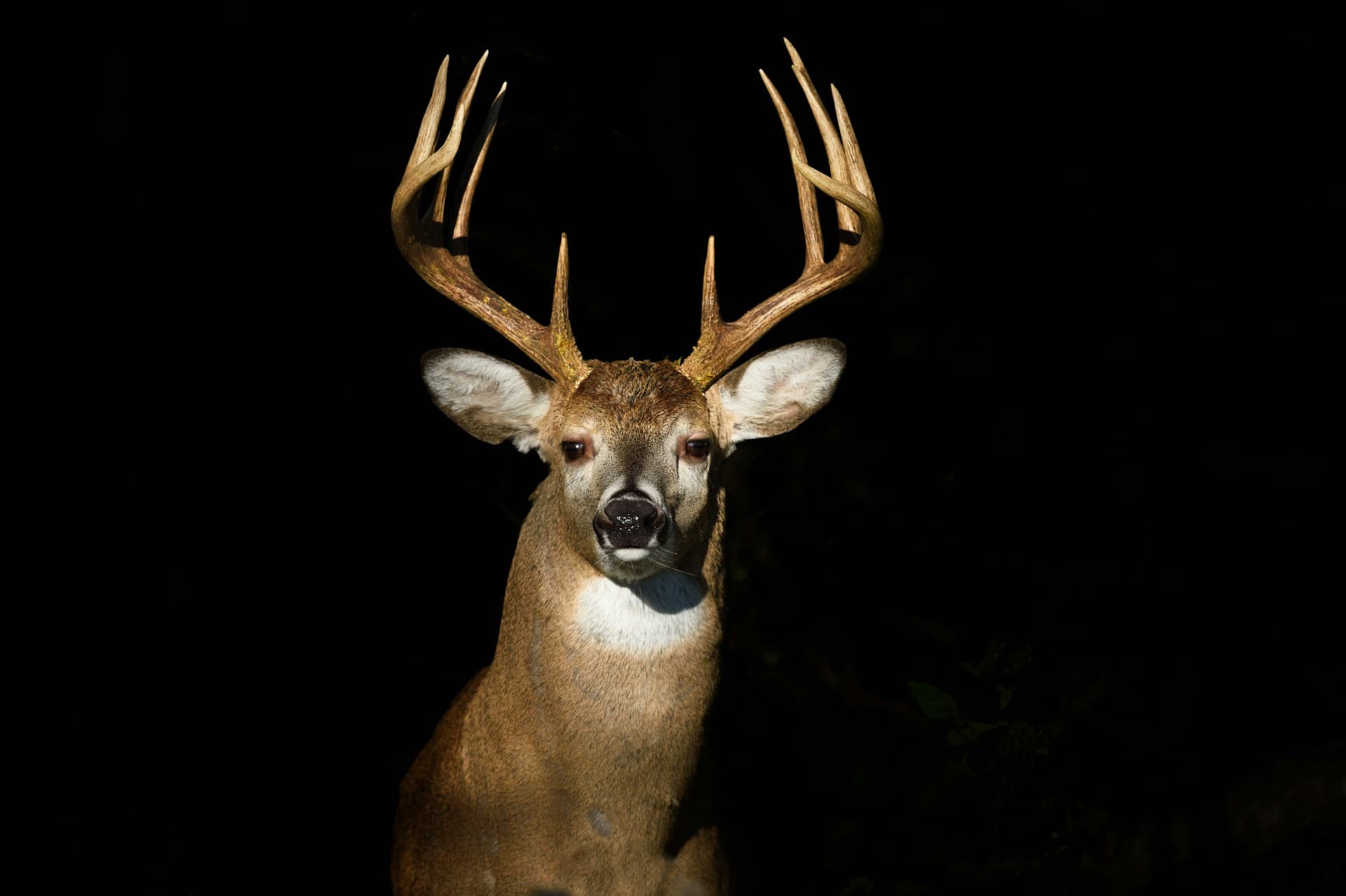
Pre-Rut Whitetail Guide: How to Hunt Bucks Right as They Go On Their Feet
A complete pre-rut whitetail guide covering scrape lines, rub lines, scent-checking behavior, rattling tactics, and how to adjust your setup as bucks shift off food and onto their feet in October.
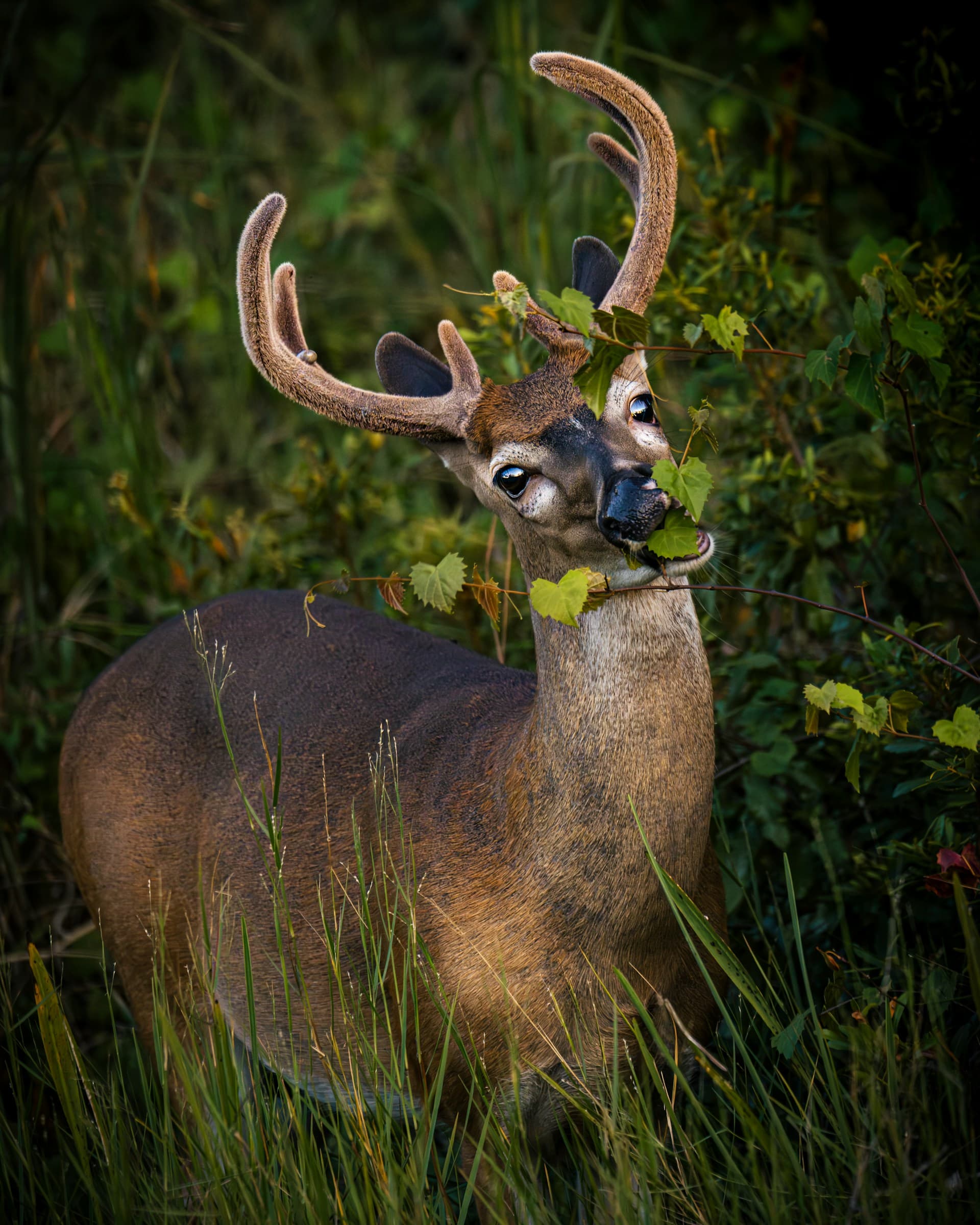
Early Season Whitetail Guide: What Deer Are Doing Right Now (And How to Cash In Before the Rut)
A complete early season whitetail guide covering deer behavior, food source patterns, buck sighting tactics, and the best time to harvest a doe before the rut kicks in.
What to Look for When Walking Hunting Land for the First Time
On the first walk of hunting land, look past acreage. Judge food, water, cover, and neighboring properties the way deer actually use the landscape.
Best Trail Camera Deals This Week: Cellular Cameras, Feeders & Bows Worth Buying
This week's Academy Sports hot deals—cellular trail cameras, feeders, and archery gear worth buying, plus a few we'd skip.