
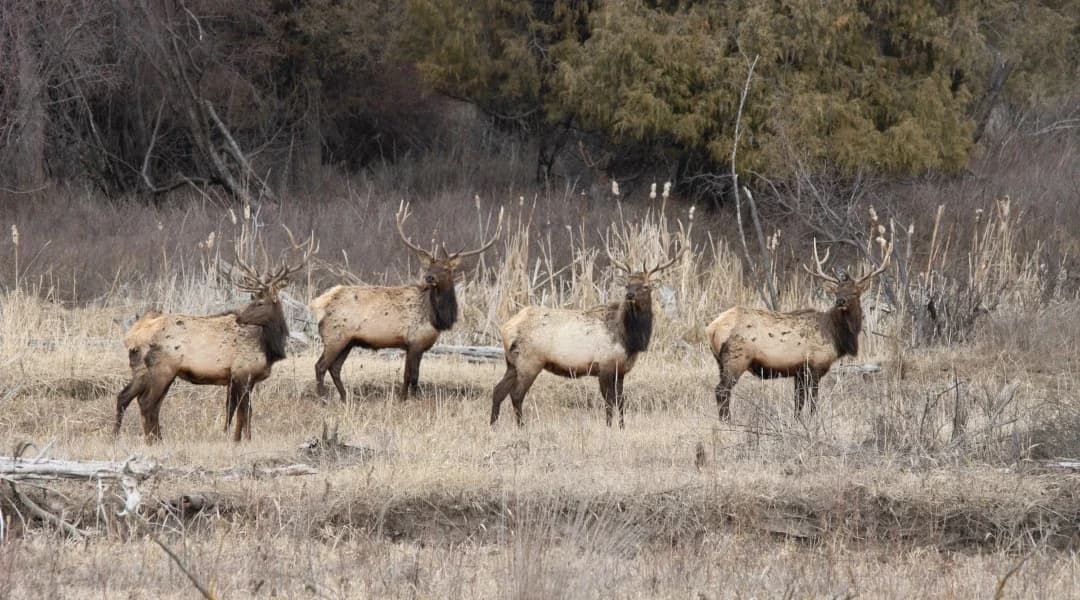
From Beginner to Expert: Improving Your Elk Hunting Skills, 4 Tips to Get You Started
Are you ready to take your elk hunting skills to the next level? From understanding elk behavior and habitat to selecting the right gear and equipment, we've…
Improving Your Elk Hunting Skills
Are you ready to take your elk hunting skills to the next level? From understanding elk behavior and habitat to selecting the right gear and equipment, we've got a great overview for you to get ready for your next elk hunt.
Navigating Elk Tag Acquisition
Elk tags are a crucial aspect of planning a successful hunting trip, as they determine where and when you can legally hunt elk. Understanding the various types of tags, application processes, and draw systems will help you secure the necessary permits and increase your chances of a successful hunt. There are three primary types of elk tags: over-the-counter (OTC) tags, limited entry tags, and special draw tags.
OTC tags can be purchased without applying for a limited draw and are available in most hunting units. Limited entry tags, on the other hand, are more difficult to obtain and are typically only awarded through a lottery system. These tags provide access to high-demand hunting units, often resulting in larger and more mature elk. Special draw tags are the most exclusive and are awarded to a limited number of hunters each year, often through a separate lottery system.
To apply for elk tags, you'll need to research the specific requirements and deadlines for the state or region in which you plan to hunt. Each state has its own application process and timeline, so be sure to familiarize yourself with the rules and guidelines for your desired hunting area.
Additionally, some states require hunters to complete a hunter education course, purchase a hunting license, or provide proof of residency before they can apply for elk tags. Once you've submitted your application, you'll need to wait for the draw results. The draw system is designed to ensure that tags are distributed fairly among hunters, with the odds of receiving a tag varying based on factors such as the number of applicants, the number of available tags, and the hunter's preference points.
Preference points are accumulated over time and can increase your chances of being awarded a limited entry or special draw tag in future years. Navigating the elk tag acquisition process can be complex, but with careful research and planning, you'll be well on your way to securing the necessary permits for a successful hunting trip.
By understanding the different types of tags, application processes, and draw systems, you'll be better equipped to make informed decisions and increase your chances of success in the field.
Understanding Elk Behavior and Habitat
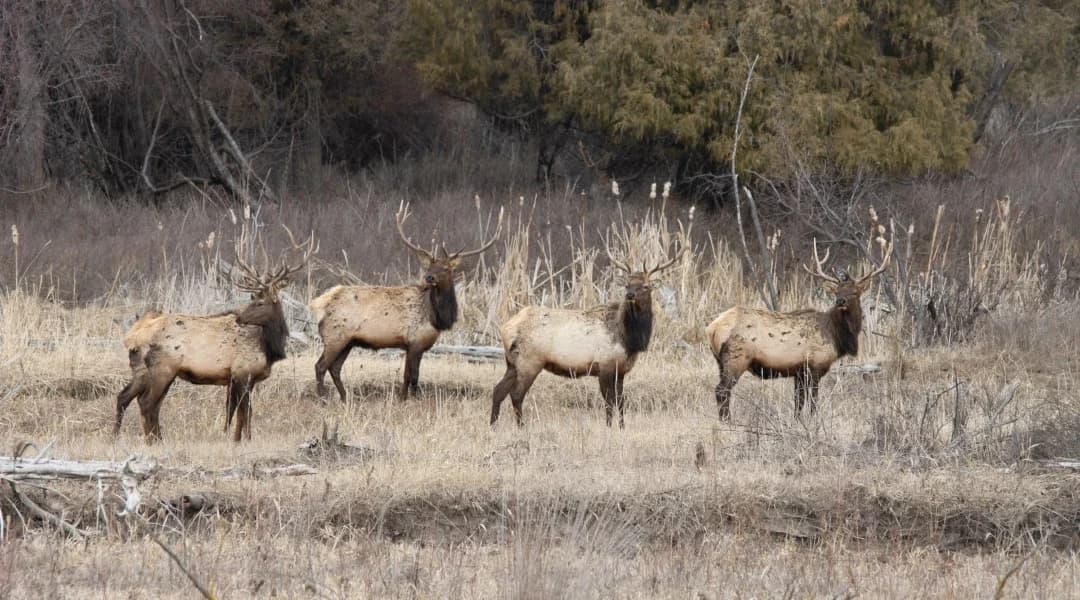
Elk are fascinating creatures with unique behavior patterns and habitat preferences, making them both a challenging and rewarding hunting target. By studying elk behavior and their preferred habitats, you are improving your elk hunting because you will be able locate and successfully hunt elk in your chosen hunting area.
Elk are known for their distinct social structure, which consists of groups of cows and calves led by a dominant bull during the breeding season (also known as the rut). These groups typically disperse during the winter months to form smaller groups or even solitary individuals, often seeking out areas with abundant food sources and shelter from harsh weather conditions.
In the spring and summer months, elk can be found in a variety of habitats, including meadows, grasslands, and forested areas. They tend to prefer areas with a mix of open spaces for grazing and dense vegetation for cover, ensuring they have access to food, water, and shelter. As the breeding season approaches, bull elk become more vocal and aggressive, using their distinctive bugles and wallows to attract females and establish dominance over other males.
During the fall hunting season, elk can be found in a variety of habitats, depending on the region and specific hunting unit. In many areas, elk will migrate to lower elevations in search of food and shelter, making them more accessible to hunters. However, it's essential to be aware of the specific habits and movements of elk in your chosen hunting area, as these can vary significantly depending on factors such as weather patterns, food availability, and hunting pressure.
By understanding elk behavior and their preferred habitats, you'll be better equipped to locate and successfully hunt elk in your chosen hunting area. This knowledge will not only increase your chances of success but also help to minimize your impact on the environment and ensure that elk populations remain healthy and sustainable for future generations of hunters.
Optimizing Your Gear and Equipment
Having the right gear and equipment is essential for improving your elk hunting, as it can greatly impact your comfort, safety, and overall effectiveness in the field. By investing in high-quality gear and ensuring that it's in top condition for your hunt, you'll be better equipped to navigate the rugged terrain, endure harsh weather conditions, and make the most of your hunting opportunities.
When selecting your hunting gear, consider the specific demands of elk hunting, such as long-range shooting, heavy pack-outs, and the need for durability and reliability in harsh environments. A good place to start is with a high-quality rifle chambered in a caliber suitable for elk hunting, such as a .30-06 Springfield or a .300 Winchester Magnum. Additionally, consider investing in a high-quality scope with adjustable magnification and a durable, weather-resistant construction.
Other essential items for elk hunting include appropriate clothing and footwear, a quality backpack, and a variety of optics, such as binoculars and rangefinders. Look for clothing made from breathable, moisture-wicking materials that can withstand the rigors of hunting in various weather conditions. Invest in a comfortable, supportive backpack designed for hauling heavy loads, and consider purchasing a set of high-quality optics to help you spot elk from a distance and make accurate shots.
In addition to these primary items, there are several other pieces of gear that can be useful for elk hunting, such as a quality knife, a first aid kit, and various tools and accessories for maintaining your gear in the field. Be sure to pack plenty of food, water, and emergency supplies, and consider investing in a GPS device or satellite phone for communication and navigation in remote areas.
By optimizing your gear and equipment, you'll be better prepared for the challenges of elk hunting and more likely to have a successful, enjoyable, and safe hunting experience. Remember to test your gear in advance, ensure that it's in good working order, and make any necessary adjustments before heading into the field. With the right gear and preparation, you'll be well on your way to a successful elk hunting trip.
Preparing for the Hunt & Elk Hunting Tactics
Preparing for an elk hunting trip involves more than just acquiring the right gear and understanding elk behavior. To maximize your chances of success and ensure a safe, enjoyable hunting experience, it's essential to take the time to plan and prepare for your trip thoroughly. This includes researching your chosen hunting area, obtaining the necessary permits and licenses, and developing a strategic plan for your hunt.
Begin by researching your desired hunting location, including information on terrain, vegetation, and available resources like water sources and trails. This will help you better understand the environment you'll be hunting in and allow you to plan your routes and strategies accordingly. Additionally, consider the time of year you'll be hunting, as elk behavior and habitat preferences may vary depending on the season.
Next, obtain any required permits and licenses for your hunting area. This may include a hunting license, a tag for the specific type of elk you're hunting, and any necessary permits for camping or using vehicles in the area. Be sure to familiarize yourself with local hunting regulations and any restrictions or limitations that may apply to your chosen hunting area.
Once you have your gear, permits, and licenses in order, it's time to develop a strategic plan for your hunt. This should include identifying potential hunting locations, scouting for elk sign, and determining the best methods for approaching and stalking elk. Consider factors like wind direction, terrain features, and the elk's natural instincts when developing your hunting strategy.
Get ready for the physical demands of elk hunting, as it can often involve long hikes, steep climbs, and carrying heavy loads. In addition to staying in good physical shape, make sure you're familiar with basic survival skills, such as building a shelter, starting a fire, and navigating in the wilderness. By taking the time to thoroughly prepare for your elk hunting trip, you'll be better equipped to overcome the challenges of the hunt and enjoy a successful and memorable experience.
Final Thoughts on Improving Your Elk Hunting
When applying for elk tags, be sure to research the specific requirements and deadlines for your desired hunting area, and consider the various types of tags available, such as over-the-counter, limited entry, and special draw tags.
Understanding elk behavior and habitat preferences is crucial for locating and successfully hunting elk, so take the time to study their social structure, migratory patterns, and preferred environments.
Investing in high-quality gear and equipment is essential for a safe and comfortable hunting experience. From rifles and optics to clothing and packs, be sure to select gear that is durable, reliable, and suited to the specific demands of elk hunting.
Finally, thorough preparation for your hunting trip, including researching your chosen area, obtaining the necessary permits and licenses, and developing a strategic plan, will help you navigate the challenges of the hunt and increase your chances of a successful and enjoyable elk hunting experience.

Written by
Kenny Flermoen
Kenny Flermoen is the owner and CEO of The Inside Spread. Growing up in the Upper Midwest he spent most of his childhood outside rain, snow, or shine. This is where he cut his teeth as a white tail hunter. Since then he has been on several hunting adventures for Elk, Turkey, and Coues deer. The Inside Spread is the place for sharing his adventures with friends, family, and acquaintances across the world and promoting his mission to connect hunters from all walks of life, allowing them to share their experiences, tips, and tricks. We believe that by fostering this sense of community, we can help hunters of all levels improve their skills and enjoy their hunting experiences.
Comments
No comments yet. Be the first to share your thoughts.
More in hunting
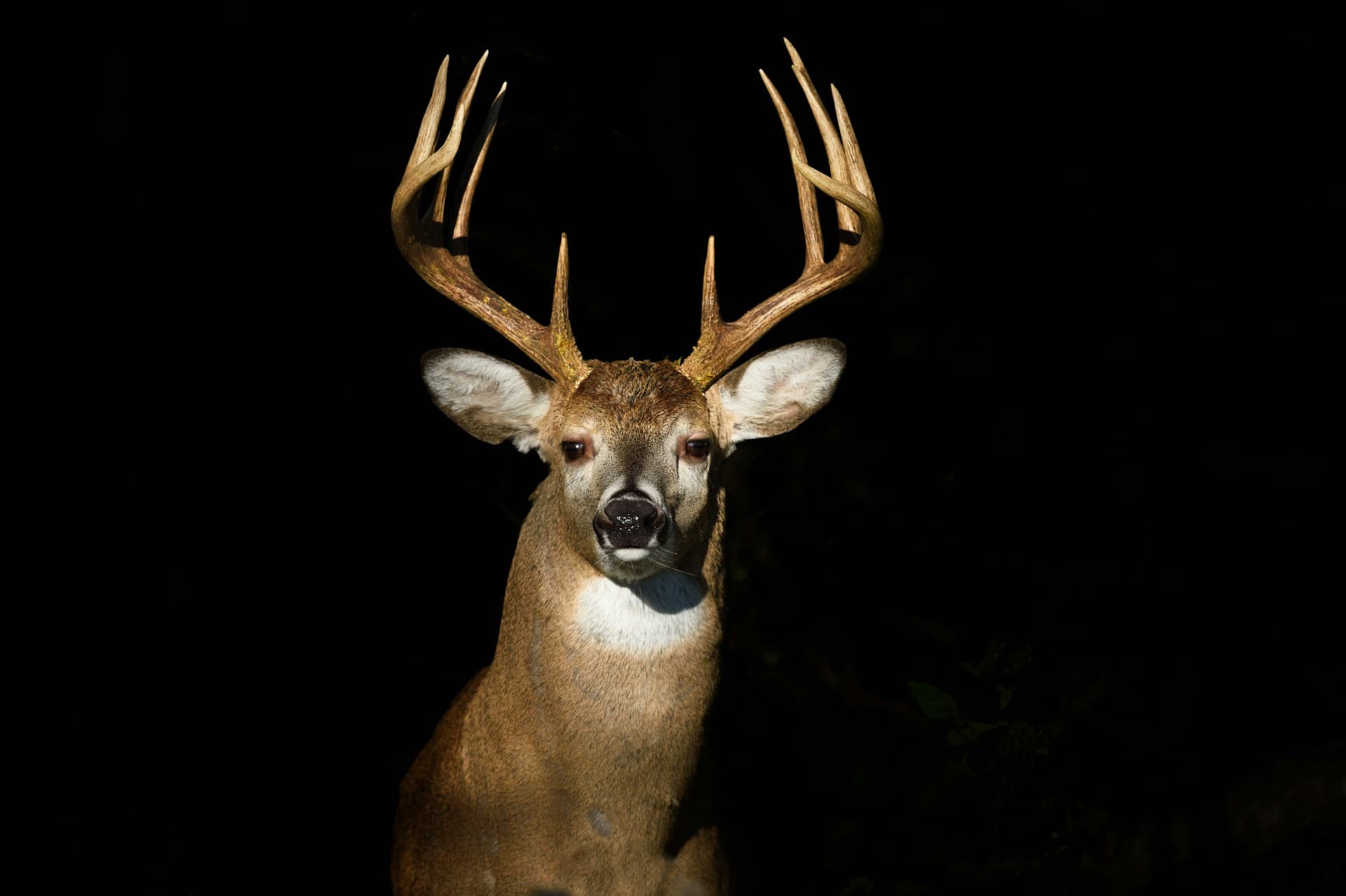
Pre-Rut Whitetail Guide: How to Hunt Bucks Right as They Go On Their Feet
A complete pre-rut whitetail guide covering scrape lines, rub lines, scent-checking behavior, rattling tactics, and how to adjust your setup as bucks shift off food and onto their feet in October.
Early Season Whitetail Guide: What Deer Are Doing Right Now (And How to Cash In Before the Rut)
A complete early season whitetail guide covering deer behavior, food source patterns, buck sighting tactics, and the best time to harvest a doe before the rut kicks in.
What to Look for When Walking Hunting Land for the First Time
On the first walk of hunting land, look past acreage. Judge food, water, cover, and neighboring properties the way deer actually use the landscape.
Best Trail Camera Deals This Week: Cellular Cameras, Feeders & Bows Worth Buying
This week's Academy Sports hot deals—cellular trail cameras, feeders, and archery gear worth buying, plus a few we'd skip.