
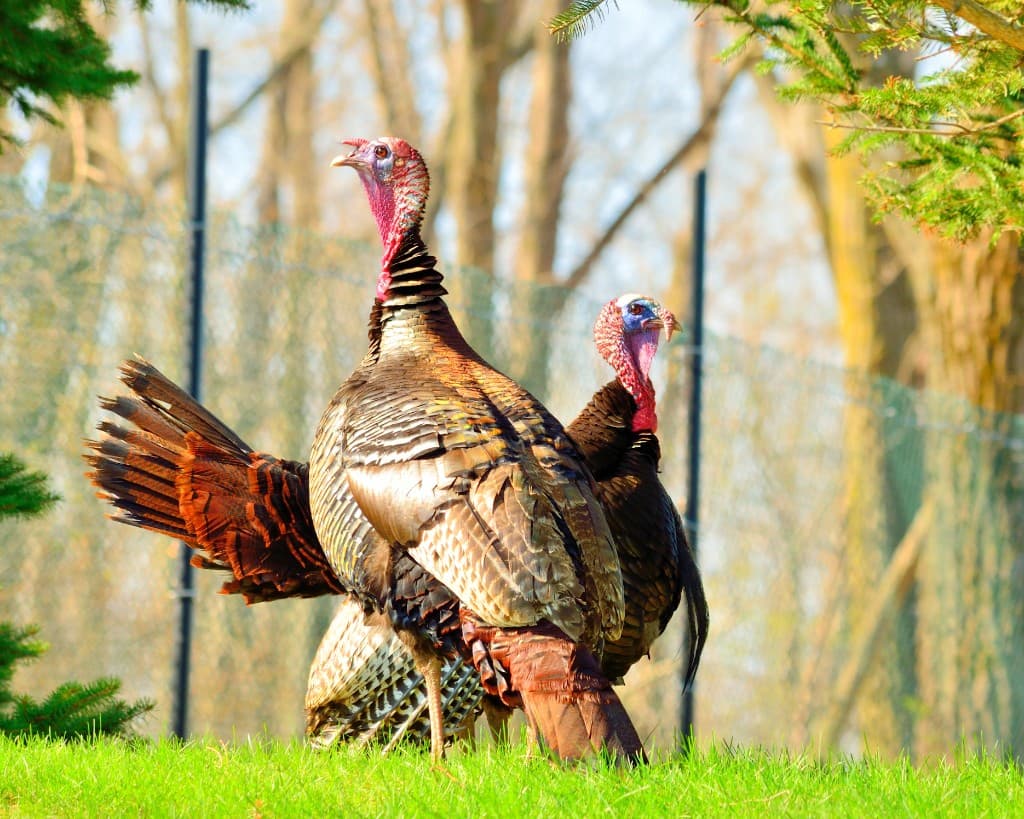
Turkey hunting in the rain: Is it worth it in 2026? Discover practical tips, why turkeys move to fields, best setups, rain gear, and strategies to tag a…
Spring weather in turkey country rarely stays perfect. One day brings blue skies and gobbling; the next delivers steady rain that sends many hunters back to the truck. Skipping rainy days means skipping opportunity—hunters who adapt often get extra tags while others stay dry.
Turkeys do not always shut down when it rains. Many flocks shift toward open fields, pasture, and edges where they can see predators and avoid thrashing through soaked brush. Rain dampens leaf litter, which can hide a careful footstep. Fewer hunters press public land when the forecast looks ugly, which can mean less calling competition on shared ground.
At The Inside Spread, we treat rain as a condition to plan for—not a reason to bail. This guide covers how birds tend to behave, wet-weather setups, gear that keeps you quiet, mistakes to dodge, and why turkey hunting in the rain can still be worth it in 2026.
Why Turkeys Behave Differently in the Rain
Wild turkeys lean on eyesight and hearing to stay alive. Steady rain muffles sound and makes closed-canopy timber feel tight and noisy, so birds often slide toward openings—alfalfa edges, cattle pastures, logging roads, and gas-line strips.
In light to moderate rain, birds may fly down slightly later than on a bluebird morning, but many still feed, travel, and respond to soft calling. Heavy downpours sometimes delay movement—birds may linger on the roost—yet when they pitch out, open ground still draws feeding and strutting.
Wet feathers add weight; open cover gives birds room to shake, feed, and watch. Some hunters swear hens seem more visible on bugs and fresh growth after showers, pulling gobblers behind them—treat that as field wisdom, not a lab report, and let real-time scouting tell you what your birds are doing.
Many successful rain hunts happen because birds stack into predictable spots and move with a little less chaos than on windless, sunny mid-mornings when every lease and WMA feels crowded.
Best Strategies for Hunting Turkeys in Wet Weather
Prioritize fields and edges over dark interior woods. Sit where you can see turkeys before they see you—ridge points, ditch fingers, or a row of fence posts that frame a strut lane.
- Ground blinds: A pop-up blind keeps you dry, hides fidgeting, and lets you run soft calls without wind noise on a striker.
- Timing: Heavy rain at fly-down means wait, glass, and read the field instead of sprinting to a bad tree. If the sky eases, be ready—activity often bumps when drizzle thins.
- Calling: Rain shortens how far sound carries. Trade long, loud volleys for sparse tree yelps, clucks, and purrs once you know a bird is invested.
- Movement: Use wet ground to reposition along fencerows or low terraces where you will not skyline. One quiet step beats ten loud ones.
Hunt through light rain when legal and safe; if the forecast shows a hard break, plan to be set for the first calm window when gobblers reassert themselves. For field-first setups and tree cover basics, pair this with turkey hunting tips for beginners.
Essential Rain Gear for Turkey Hunting
Dry, quiet hunters stay on stand longer than soaked, shivering ones.
- Shell layers: Breathable rain jacket and pants that do not flash when wet; match spring woods or field stubble.
- Footing: Waterproof boots with aggressive tread—mud beats dry leaves for slip risk.
- Packables: Ultralight rain tops that fit your vest so you can layer up when drizzle returns.
- Blind optional: Adds a dry command post for calls, lens, and phone; stake it where you can shoot without skylining the muzzle.
Add a brimmed hat, dry socks in a zip bag, and a waterproof call case. Test the whole system in the backyard: sit, shoulder the gun, yelp—if something chatters or drips into your eyes, fix it before opening day.
For packs, calls, vests, and detailed loadouts, stack this with our turkey hunting gear list for 2026.
Common Mistakes and How to Avoid Them
- Quitting early: Birds may simply be late, not absent. Adjust the timeline before you drive home.
- Overcalling: Let weather do part of the work—soft sequences beat a friction-call concert in drizzle.
- Shiny rain gear: Dull wet nylon with a camo shell or blind wall so you do not flash when you turn.
- Sloppy footing: Pick steps; a loud slide costs the entire morning.
- Skipping rainy days altogether: Sunny opening shots are fun, but seasons are short—the hunter who hunts more legal days sees more chances to learn.
FAQ
Is turkey hunting good in the rain?
Yes—especially light to moderate rain. Turkeys shift to open fields and edges where you can set up effectively. Many hunters kill birds in the rain because fewer people are out and birds concentrate in predictable spots.
Do turkeys gobble less when it is raining?
Often yes, especially early in heavy rain. Gobbling may pick up if the rain eases or stops. Focus more on soft calling and visual setups than loud locator calls.
What gear do I need for turkey hunting in the rain?
Packable rain jacket and pants, waterproof boots, a ground blind or quality vest with seat, and dry storage for calls. A few decoys help in field setups.
Should beginners hunt in the rain?
Yes—rain can simplify things with fewer hunters and masked movement. Start with a blind on a field edge and keep calls simple. It builds confidence and teaches adaptability.
Is it better to hunt during or after the rain?
Both work. Hunt field edges during steady light rain. The hour or two after rain stops can be excellent as birds get active and the woods quiet down.
Conclusion
Three priorities for turkey hunting in the rain in 2026: Hunt openings—fields, edges, and travel lanes turkeys use when feathers stay wet. Stay dry enough to sit still with quiet rain layers or a blind. Call sparingly and reposition with intention when wet ground hides your boots.
Let a rainy forecast pull you toward the timber, not push you to the couch. Scout field edges, pack dry socks, and treat every wet morning as practice that pays off on the clear day that follows.
Tagged a tom in the rain? Drop the story in the comments—we read them all.
Sign up for The Inside Spread newsletter for weather-minded tips, 2026 season notes, gear ideas, and weekly hunting takes in your inbox.

Written by
Kenny Flermoen
Kenny Flermoen is the owner and CEO of The Inside Spread. Growing up in the Upper Midwest he spent most of his childhood outside—rain, snow, or shine. He has pursued wild turkeys and other game across the country and built The Inside Spread to connect hunters with real season info, gear that works, and public-land strategy.
Comments
No comments yet. Be the first to share your thoughts.
More in hunting
Pre-Rut Whitetail Guide: How to Hunt Bucks Right as They Go On Their Feet
A complete pre-rut whitetail guide covering scrape lines, rub lines, scent-checking behavior, rattling tactics, and how to adjust your setup as bucks shift off food and onto their feet in October.
Early Season Whitetail Guide: What Deer Are Doing Right Now (And How to Cash In Before the Rut)
A complete early season whitetail guide covering deer behavior, food source patterns, buck sighting tactics, and the best time to harvest a doe before the rut kicks in.
What to Look for When Walking Hunting Land for the First Time
On the first walk of hunting land, look past acreage. Judge food, water, cover, and neighboring properties the way deer actually use the landscape.
Best Trail Camera Deals This Week: Cellular Cameras, Feeders & Bows Worth Buying
This week's Academy Sports hot deals—cellular trail cameras, feeders, and archery gear worth buying, plus a few we'd skip.