
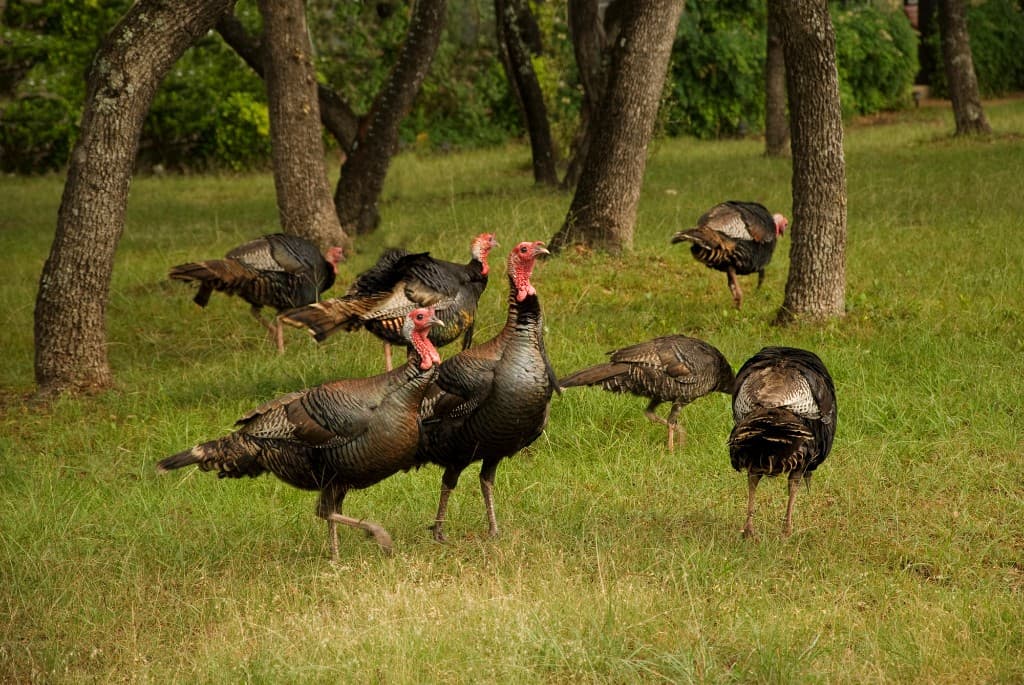
Turkey hunting tips for beginners: Learn scouting, calling, setup, gear, and common mistakes to make your first spring hunt successful. Simple, practical…
More than 700,000 hunters head into the woods each spring hoping to hear that thunderous gobble and fill a turkey tag. For beginners, the excitement is real, but so is the learning curve. Wild turkeys have incredible eyesight and hearing, so small mistakes can end a hunt quickly. The good news? You do not need years of experience or a truck full of gear to succeed.
Turkey hunting tips for beginners come down to a handful of habits: find birds before season opens, stay hidden, call sparingly, and set up where the turkey wants to walk. Many first-time hunters tag out by keeping things simple—getting in early, sitting still, and letting the tom finish the approach.
At The Inside Spread, we believe anyone can enjoy turkey hunting with solid preparation. This 2026 guide walks new hunters through scouting, essential gear, calling basics, decoys, and mistakes to avoid so your first season feels rewarding instead of chaotic.
Scouting: Find Turkeys Before Opening Day
Good scouting separates hunters who hear gobbles from those who only hear their own footsteps. Start several weeks before your opener by pairing map work with ears in the timber.
Use hunting apps or aerial imagery to spot mixed woods, openings, ridges, and creek bottoms—classic turkey habitat. Then visit at dawn and dusk to listen for birds flying up to roost or pitching down at daylight. Gobblers often reuse the same roost pockets; pinning a roost tells you where to start opening morning.
Look for scratch lines, droppings, dust bowls, and feathers. Fresh tracks near feeding lanes show daily movement. Ease along logging roads or field margins and note how birds travel on calm days versus windy ones. On public land, push past the first parking lot—many hunters never walk far enough.
Glass from cover when you can. Once you connect roosts to feeding or strutting zones, you can plan setups between those lines instead of guessing. Pre-season scouting trades anxiety for a simple question: “Where would I walk if I were a turkey?”
Need ideas on where spring seasons shine? Pair scouting with our best states for turkey hunting in 2026 roundup.
Essential Gear for New Turkey Hunters
You do not need premium everything on day one—focus on legal, quiet, and concealed.
A dependable 12- or 20-gauge shotgun patterned with turkey loads you actually carry in the woods is the backbone. Pattern at 20, 30, and 40 yards so you know where your choke and shell stack hits—not where you hope it hits. Add an extra-full turkey choke matched to your ammunition.
Wear full camouflage head to toe: jacket or shirt, pants, gloves, and a face mask or head net. Skin flashes like a beacon. A turkey vest or compact stool buys stillness—fidgeting costs tags.
Pack calls, turkey-approved shells, water, and small snacks so you do not bail early. Break in boots on gravel and mud so nothing squeaks opening morning.
Beginners usually win with one friction call, one mouth call if you practice, and a vest that fits. Shake down your kit at home: shoulder the gun, twist, sit. If anything rattles, fix it before season.
Build your packing list from our detailed turkey hunting gear list for 2026.
Mastering Basic Turkey Calls
Calling narrows distance, but beginners win with rhythm and restraint, not volume.
Learn three sounds first:
- Yelp: locator and attraction when birds are vocal but distant.
- Cluck: short, confident notes when a tom is engaged but cautious.
- Purr: soft feeding talk for finish-line scenarios.
Box calls and slate or pot calls forgive learning curves and stay loud enough for windy ridges. Diaphragm calls free your hands but demand practice before opening day—not in the parking lot.
The golden rule is less is more. Hammering yelps after a bird answers often pulls him up short—he expects a hen that acts natural. Loud sequences can work early; soft clucks and purrs finish birds that commit on a string. If a gobbler goes silent, assume he is walking to you until you prove otherwise.
Study real turkey audio online and mimic cadence, not just pitch. When you want a structured walkthrough of friction and mouth calls, lean on your first turkey hunt—the calling sections break down each tool without drowning you in jargon.
Smart Setup and Decoy Strategies
Plan to be set at least 30–45 minutes before shooting light so you settle while it is still dark.
Sit against a tree wider than your shoulders, with cover behind you and visibility ahead. Angle slightly toward where you expect the bird but avoid staring down the exact lane he might use—give yourself a shot window he cannot see you draw through.
Place decoys only when terrain rewards vision—open pastures, logging decks, field corners. Start with one hen and one jake, roughly 15–25 yards ahead and off to a side so a tom circles into range instead of staring through your hide. Skip decoys or run a lone jake when pressured birds refuse to finish—every flock teaches something different.
Stay motionless once turkeys work inside 80 yards. Let the birds dictate the drama.
Common Mistakes Beginners Make (and How to Avoid Them)
New hunters recycle the same missteps—know them early:
- Overcalling: Once a tom commits, mute your striker. Silence sells realism.
- Moving at the wrong time: Turn your barrel only when cover blocks his eyes; turkeys pick up shimmer on gun metal too—camo tape helps.
- Roost busting: Give roosted birds breathing room—set 100–150 yards back unless regulations or terrain demand otherwise.
- Poor concealment: Matte finishes, covered faces, and gloves beat “mostly camo.”
- Impatience: Birds stall in cover. Sit through it—especially when spring weather turns damp.
Weather snaps patience faster than almost anything. Mist, drizzle, and shifting winds still produce gobblers—see last-minute turkey hunting advice for how we adjust setups when conditions slide sideways.
FAQ
How long does it take to learn turkey hunting?
Most beginners can tag a bird in their first or second season if they scout, practice calling, and stay patient. Time in the woods teaches more than any guide.
What is the best call for beginner turkey hunters?
A box call or slate pot call is easiest to run consistently. Add an easy diaphragm later for hands-free versatility.
Do I need decoys for my first turkey hunt?
No, but one or two realistic decoys help in open terrain. Many beginners succeed without them by focusing on good setups and soft calling.
Is turkey hunting hard for beginners?
It has a learning curve because turkeys see and hear extremely well. Start with simple tactics, hunt often, and treat every trip as practice—you will improve quickly.
When should I start calling during a hunt?
Use locator notes where legal to find birds on the limb, then transition to soft tree talk at fly-down. Adjust when you read the gobbler’s mood—less is usually more once he fires up.
Conclusion
Three priorities for 2026: Scout enough to know roosts, feeding lines, and public-land pressure. Call with discipline—sound like a hen with something to lose, not a caller with something to prove. Hide completely and hunt through slow mornings, including the drizzly ones that send other hunters home.
Turkey hunting rewards hunters who love the woods as much as the tag. Get out, botch a setup or two, learn, and laugh about it—your first answered gobble will keep you coming back.
Ready to start? Pattern the gun this week, walk a ridge at dawn listening for birds, and rehearse soft yelps until they feel boring—that is when they sound natural. Leave questions or first-hunt stories in the comments—we read every one.
Sign up for The Inside Spread newsletter for weekly tips, 2026 season updates, gear picks, and more.

Written by
Kenny Flermoen
Kenny Flermoen is the owner and CEO of The Inside Spread. Growing up in the Upper Midwest he spent most of his childhood outside—rain, snow, or shine. He has pursued wild turkeys and other game across the country and built The Inside Spread to connect hunters with real season info, gear that works, and public-land strategy.
Comments
No comments yet. Be the first to share your thoughts.
More in hunting
Pre-Rut Whitetail Guide: How to Hunt Bucks Right as They Go On Their Feet
A complete pre-rut whitetail guide covering scrape lines, rub lines, scent-checking behavior, rattling tactics, and how to adjust your setup as bucks shift off food and onto their feet in October.
Early Season Whitetail Guide: What Deer Are Doing Right Now (And How to Cash In Before the Rut)
A complete early season whitetail guide covering deer behavior, food source patterns, buck sighting tactics, and the best time to harvest a doe before the rut kicks in.
What to Look for When Walking Hunting Land for the First Time
On the first walk of hunting land, look past acreage. Judge food, water, cover, and neighboring properties the way deer actually use the landscape.
Best Trail Camera Deals This Week: Cellular Cameras, Feeders & Bows Worth Buying
This week's Academy Sports hot deals—cellular trail cameras, feeders, and archery gear worth buying, plus a few we'd skip.