
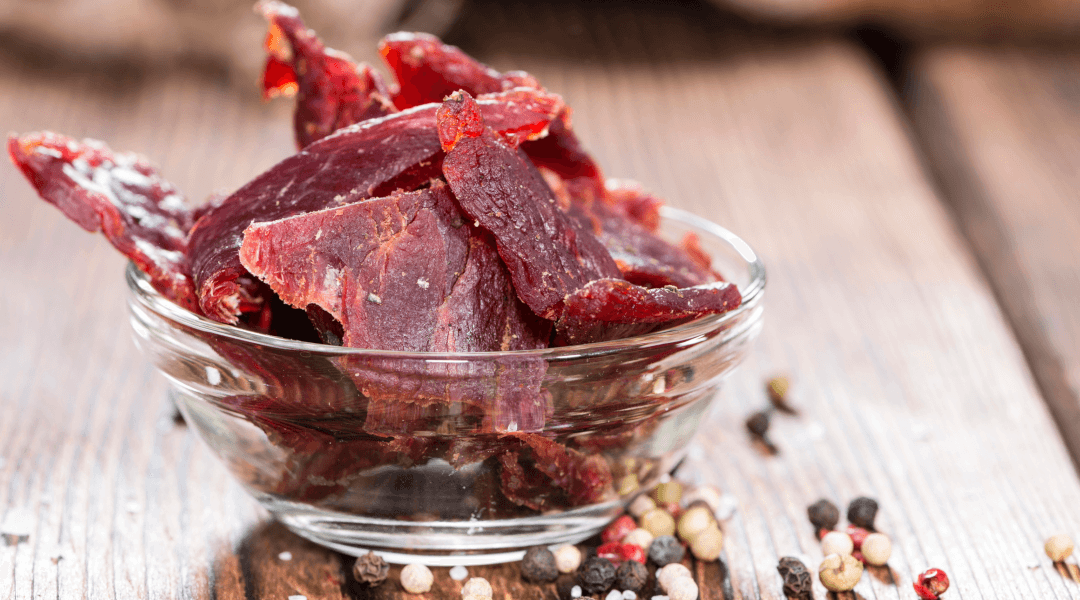
A couple of seasons ago, I tried venison jerky for the first time, thanks to one of my hunting mentors I met during college. Fast forward to today, and I’ve…
A couple of seasons ago, I tried venison jerky for the first time, thanks to one of my hunting mentors I met during college. Fast forward to today, and I’ve made dozens of batches—each one somehow better than the last. Sure, there are plenty of straightforward recipes online, but as someone who loves experimenting in the kitchen, I couldn’t resist tweaking marinades and playing around with seasonings to make each batch uniquely mine.
In this article, I’ll walk you through everything you need to know to make top-notch venison jerky: the best cuts of meat to use, how to prep the venison for drying, tips for crafting a killer marinade, what to look for in a dehydrator, and the best ways to store your jerky. Let’s dive in!
**Homemade Venison Jerky
I’ve heard of just about every part of the deer being used for jerky. Some folks claim that backstrap makes the best jerky, but honestly, I’d much prefer to turn my backstraps into a hearty steak and egg breakfast than a chewy snack. I prefer to use the deer roasts from the front and hindquarters for the job. When cutting the roast into jerky slices, there are a few things to keep in mind:
- Cut against the grain: Jerky can take on a couple of different consistencies, but for a chewy yet tender texture, cut the meat against the grain.
- Thin or thick strips: I’ve cut jerky strips as thin as 3/16” and as thick as ½ inch. The thinner strips can be ready in a couple of hours at 160°F, while thicker pieces can take upwards of seven hours. The jerky should bend and start to break but not snap completely.
- No silver skin or fat: It takes extra time, but removing the silver skin and trimming all the fat is crucial. These parts can be unpleasant to chew and spoil faster.
**Best Venison Marinade
Most jerky marinades include soy sauce, Worcestershire sauce, brown sugar, garlic, and onion powder. This is a great starting base, but I enjoy experimenting with unique flavors. For example, adding chilis for heat or liquid smoke for a smoky flavor can take your jerky in exciting new directions. Grocery store marinade sections are gold mines for inspiration—check the ingredient lists and let your creativity flow.
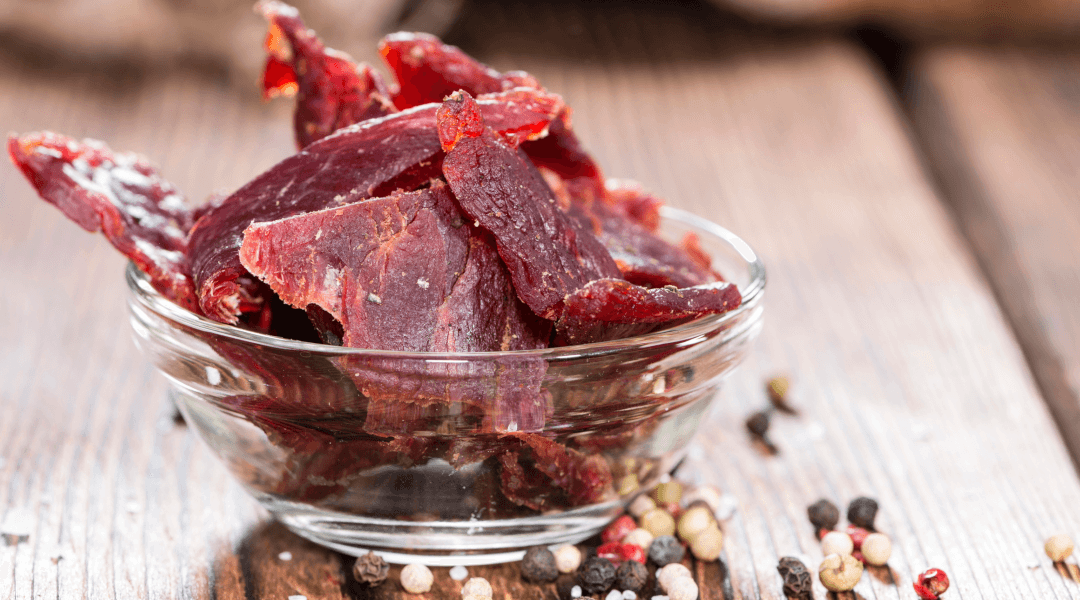
Here’s my most recent recipe, which was a hit with family and friends who polished off 10 pounds in a week:
- 2 cups low-sodium soy sauce
- 1 cup Worcestershire sauce
- 1 cup brown sugar
- 4 oz liquid smoke
- 10 oz Walkerswood Mild Traditional Jamaican Jerk Seasoning
- A few heaping scoops of chili crisp
- 1 tsp curing salt (optional but recommended for longer storage)
- 2 tsp garlic powder
- 2 tsp onion powder
**How Long It Takes to Make Venison Jerky
The drying time depends on the thickness of your slices. For my latest batch, I cut 5 pounds of venison into ¼-inch slices. At 160°F, it took about 5.5 hours to achieve the desired texture. If you’re using an oven, where the lowest temperature might be 200°F or higher, keep a close eye on the jerky to ensure it doesn’t dry out.
**Storing Venison Jerky
While jerky doesn’t last long in my household, making large quantities can lead to leftovers. Here are some storage tips:
- Ziploc Bags: They are convenient but short-term; jerky stored in these will only last about a week in the refrigerator due to trapped air.
- Airtight Containers: Vacuum-sealed bags or containers can extend freshness for up to five weeks in the fridge.
- Freezing: For long-term storage, freezing is best. Ensure there’s no moisture in the bag or container to prevent spoilage.
**Important Tip:
When you finish dehydrating your jerky, MAKE SURE to let it come down to room temperature before storing it anywhere. Putting the jerky into a bag or container while it is still warm will cause it to steam and allow water to condense, which will significantly decrease the amount of time that the jerky will last.
**Curing Your Jerky
Curing extends the shelf life of jerky, especially when it’s not refrigerated. Commercial curing agents are widely available, but natural alternatives like celery juice powder—rich in nitrites and nitrates—work well too. Research curing methods to find one that suits your needs.
**How to Choose a Dehydrator
One of the most crucial tools for making jerky is the dehydrator. With so many options on the market, it’s hard to go wrong—but there’s one thing I can’t stress enough: ARE THE COMPONENTS EASY TO CLEAN?? Seriously, this might seem obvious, but dehydrating can get messy fast. Marinade drippings and meat juices have a way of gluing themselves to drying racks, turning cleanup into an Olympic event.
Let me tell you, an inconvenient appliance will end up collecting dust in the corner of your kitchen. Do yourself a favor and invest a little extra in a dehydrator with easy-to-clean features, like thinner wire racks. Those old-school Nesco dehydrators can crank out great jerky (trust me, I’ve used them plenty), but cleaning them is a chore you won’t look forward to.
I recently upgraded to the Magic Mills 10-Tray Dehydrator, and let me tell you—it’s a game changer. I packed 6 POUNDS of jerky into it at once, and not only did it handle the job like a champ, but the cleanup was relatively painless. Sure, it’s not the cheapest option out there, but the convenience and capacity mean it’s earning its keep in my kitchen.
**Final Thoughts on Venison Jerky
Jerky is a universally cherished snack and being able to make your own from your harvest makes it that much better and rewarding. You don’t have to make a bunch at once, but sharing the fruits of your labor with family and friends is yet another great way for hunters to create positive associations with hunting across the non-hunter community.

Written by
Cory Gurman
Cory Gurman is a land management technician at the Appalachian Conservation Institute in Tennessee. An avid hunter, fisherman, and amateur wild game chef, he enjoys writing about his experiences in a number of outdoor publications. Follow him on Instagram @cory.gurman.
Comments
No comments yet. Be the first to share your thoughts.
More in hunting
Pre-Rut Whitetail Guide: How to Hunt Bucks Right as They Go On Their Feet
A complete pre-rut whitetail guide covering scrape lines, rub lines, scent-checking behavior, rattling tactics, and how to adjust your setup as bucks shift off food and onto their feet in October.

Early Season Whitetail Guide: What Deer Are Doing Right Now (And How to Cash In Before the Rut)
A complete early season whitetail guide covering deer behavior, food source patterns, buck sighting tactics, and the best time to harvest a doe before the rut kicks in.
What to Look for When Walking Hunting Land for the First Time
On the first walk of hunting land, look past acreage. Judge food, water, cover, and neighboring properties the way deer actually use the landscape.

Best Trail Camera Deals This Week: Cellular Cameras, Feeders & Bows Worth Buying
This week's Academy Sports hot deals—cellular trail cameras, feeders, and archery gear worth buying, plus a few we'd skip.