
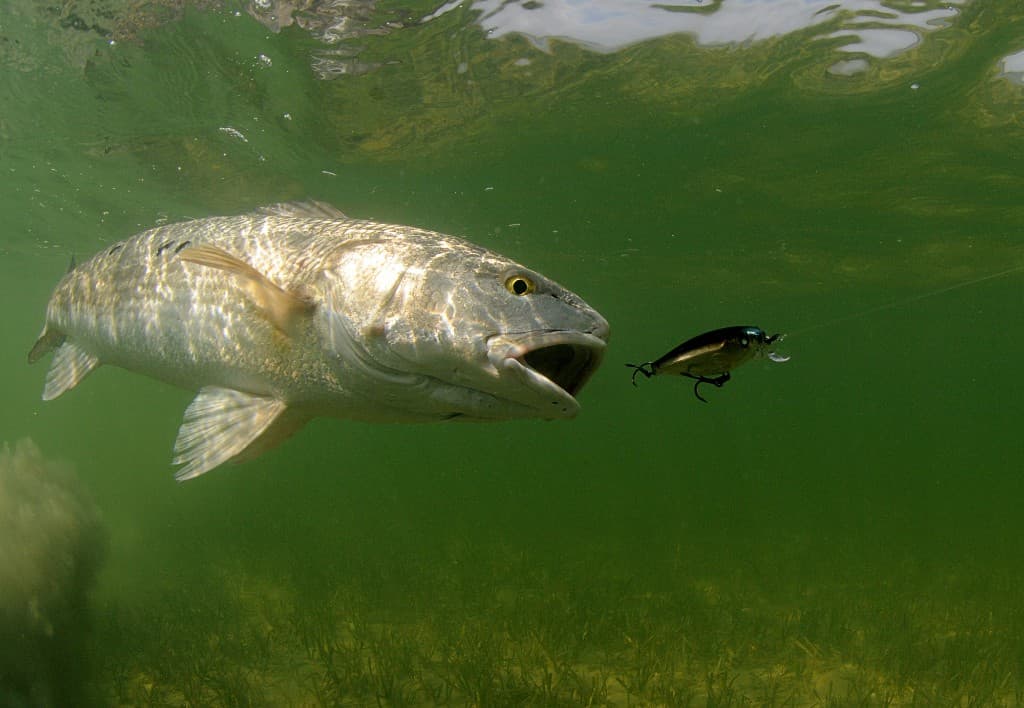
Delaware fishing 2026—license options, DNREC tidal and inland regulations, trout-stamp checks, reciprocity notes, and official rule links.
2026 seasons & limits
Verify rules with Delaware fish & wildlife
- Confirm open seasons, daily bag, and possession limits for each species and water you fish.
- Check length and slot rules—many lakes, rivers, and bays have special tables beyond statewide defaults.
- Review 2026 summaries and any emergency orders (closures, health notices, gear rules) before you go.
The Inside Spread orients you for trip planning only. Conservation officers enforce the official published regulations—not articles or forum posts.
Need a Delaware fishing license, the current tidal or inland regulations, or the right reciprocity guidance before your trip? Start with DNREC Fishing and decide whether you are fishing tidal water, inland freshwater, or a trout water. That first choice usually clears up most of the license and harvest-rule confusion.
Delaware is small enough to cross in an afternoon, but its fisheries still feel like different systems stitched together. The Inland Bays, Delaware Bay, millponds, and stocked trout water do not share the same planning assumptions, and neighboring-state reciprocity can add another layer. Once you name the exact water first, the rules become much easier to read.
2026 Seasons, Limits, and Rule Changes
This article is not the law. Your state's fish and wildlife agency publishes the official rules—online digests, mobile apps, and emergency notices—and those sources control what you can keep, when you can fish, and where.
Delaware layers freshwater and saltwater rules differently; named lakes, rivers, and bays often have special regulations beyond statewide defaults; border waters and stocks shared with neighboring states or federal waters can add more rules. Always match the species, water body, and date you plan to fish to the correct table.
What to verify before every trip
- Seasons and closures for each species you target (game fish, panfish, trout, salmon, steelhead, or saltwater species)
- Daily and possession limits (creel limits) and whether aggregate caps apply across similar species
- Minimum and maximum length and slot limits, plus how length is measured (total length vs. fork length)
- Gear restrictions (bait, hooks, tackle) where they apply
- Special rules for WMAs, community fishing waters, trophy waters, and border waters
2026 updates and mid-season changes
Agencies publish annual summaries and sometimes emergency orders (water quality, fish health, stock changes, or temporary closures). Before you plan 2026 trips:
- open the current regulations for the license year that covers your dates
- check your agency's news or rule change page for new limits, stamps, or reporting rules
- read invasive species and bait movement notices if you move boats or gear between waters
If a forum or social post disagrees with the agency PDF, trust the agency and walk away from edge cases.
Popular species: what to look up in the digest
Use the index or online tools to find limits for the fish you actually plan to catch—black bass (largemouth, smallmouth, spotted), panfish (crappie, bluegill, perch, sunfish), catfish, trout and salmon (including steelhead where present), walleye and sauger, muskies and pike, and—if your trip includes coastal or estuary water—saltwater species such as red drum, spotted seatrout, snapper, groupers, striped bass, and flounder. Do not keep fish until you match the species to the exact rule line for that water body and date.
| Topic | Verify in the official digest |
|---|---|
| Daily bag | Per-day harvest limit per species or aggregate groups |
| Possession | Fish you may have in camp, cooler, or vehicle combined |
| Length / slot | Minimum, maximum, or protected length bands |
| Season | Opening and closing dates, catch-and-release-only windows, closures |
Delaware official source: Delaware Department of Natural Resources and Environmental Control — Fishing
Species-specific guides (2026)
Deeper dives on Delaware’s top game fish—history, where they live, 2026 regulations, and how to fish for them:
Tidal Delaware: bays, inlets, and shared coastwide fisheries
Delaware’s tidal fisheries punch above the state’s size because they sit at the mouth of a major estuary system. Delaware Bay and the Inland Bays connect anglers to migratory species, seasonal changes in forage, and weather that can shift faster than a tide chart updates on your phone. Indian River Inlet and similar access points are popular because they concentrate fish and people—plan for courtesy, especially when boats are stacked on a good bite.
Striped bass management is a coastwide conversation, and Delaware anglers must stay current with season windows, slot rules, and gear restrictions that can change. Bluefish runs can be explosive, but they are not a license to ignore size and bag tables. Weakfish and flounder fisheries reward anglers who learn local structure and who keep careful measurements when the bite is fast. Black sea bass, scup, and tautog are seasonal staples for many boats; each species has its own chapter in the marine guide—read them individually rather than assuming one rule fits “bottom fish.”
Inland ponds, streams, and the trout-stamp layer
Delaware’s freshwater scene is often described as pond-rich: millponds, community waters, and smaller impoundments offer bass, crappie, pickerel, and catfish opportunities close to population centers. Trout anglers focus on designated streams and stocked waters where a trout stamp may apply—confirm stamp requirements and open-water lists before you fish. White Clay Creek and similar coldwater reaches attract wading anglers; rock footing can be slick, and summer flows can change safety margins quickly after storms.
Warmwater anglers should learn to identify juvenile snakeheads and other invasive predators if they appear; report unusual catches through official pathways rather than moving live fish between waters. Panfish trips are ideal for introducing kids, but keep an eye on sun exposure and hooks—small ponds can feel safe until someone trips on bank brush.
Catfish, carp, and alternative fisheries
Night fishing for channel catfish is popular on some tidal and inland waters. Carry lights where required, avoid shining bright beams at other boats, and be considerate near residential neighborhoods. Carp anglers may fish specialized methods; verify gear rules for the water body. Bowfishing and other specialized methods can have separate constraints—if you are experimenting with a new technique, read the gear chapter before you launch.
Delaware Bay weather, safety, and seamanship
Wind against tide builds steep chop in the bay; fog can hide channel markers; summer thunderstorms can develop fast. Wear life jackets when conditions warrant, carry a VHF or reliable communications, and file a float plan for longer runs. Kayak anglers should stay visible in shipping lanes and understand that large vessels cannot always maneuver around a small craft hugging a channel edge. Surf and jetty anglers should respect wave sets and never turn your back on the ocean.
Boat ramps, parking, and crowded weekends
Delaware’s popular ramps fill early on holiday weekends. Rig at home when possible, stage tackle before you block the lane, and help newcomers when it is safe—everyone gets faster launches when the culture stays calm. At pay stations and parking areas, read posted hours and fees; towing fees can ruin a trip if you park in the wrong lot. If you trailer out of state, inspect for invasive hitchhikers before you leave the ramp.
Bait, forage, and legal collection
Bait rules can be surprisingly specific about species, collection areas, and importation. If you buy bait from a shop, keep receipts when required. If you seine or trap minnows, verify open areas and seasons—misunderstanding forage rules can create enforcement headaches even when your intentions are clean. After a trip, dispose of unused bait responsibly; do not dump exotic species into new water.
Invasive species and aquatic health
Hydrilla, zebra mussels, and other invaders move with boats, bilges, and plant fragments. Clean, drain, and dry every time. If you see a new weed mat or odd fish in a pond where it does not belong, report it to DNREC rather than guessing. Fish health events—unusual kills after heat or storms—may trigger temporary closures; check agency news during heat waves.
Youth fishing, family programs, and access
Delaware hosts youth events and fishing rodeos that help new anglers learn knots, safety, and ethics. If you mentor kids, emphasize life jackets near water, safe casting zones, and gentle release. Public access varies by site; some ponds have excellent bank fishing while others favor small boats.
Night fishing, lights, and courtesy
Night trips can be productive for catfish and tidal species, but navigation lights and common sense matter. Avoid loud music at ramps, and keep headlights pointed away from other anglers when launching in darkness. Identify fish carefully before they go to a cooler—mistakes are harder to undo at night.
Reading DNREC tables without missing a line
Build a habit: name the water body, list target species, then read seasons, bag, size, and gear restrictions in that order. Screenshot pages for your trip; cell service is not guaranteed at every ramp. If you fish border waters with Maryland or New Jersey, verify boundary rules and license reciprocity—border fishing is where assumptions fail most often.
Documentation and law enforcement
Keep license proof in a waterproof wallet or phone case. If an officer asks questions, stay calm and show compliance. If you receive a citation, handle it through proper channels—arguments on the dock rarely improve outcomes.
Ethics, catch-and-release, and crowded water
Pick up trash, including soft plastics and broken line. Give other anglers space when they are working a school or a drift. Treat catch-and-release fish with wet hands, minimal air exposure, and quick recovery. Good fisheries depend on habitat, science, and community behavior—regulations alone cannot replace stewardship.
What Delaware Fishing License Do I Need?
Purchase licenses through DNREC or authorized agents. Most recreational anglers need valid Delaware fishing credentials for the waters they fish, and many situations require you to think in two lanes: tidal versus inland. Trout stamps apply on designated trout waters—read the current list each year. Non-residents should compare short-term licenses against annual options if they will fish multiple seasons.
Surf and pier anglers still need proper credentials where required; being on foot does not automatically exempt you from licensing rules. Seniors and youth categories may change fees; verify eligibility on the official fee schedule. If you fish from a private boat, keep printed or digital proof onboard alongside registration and safety gear.
Where Are Delaware’s Best Tidal and Freshwater Fisheries?
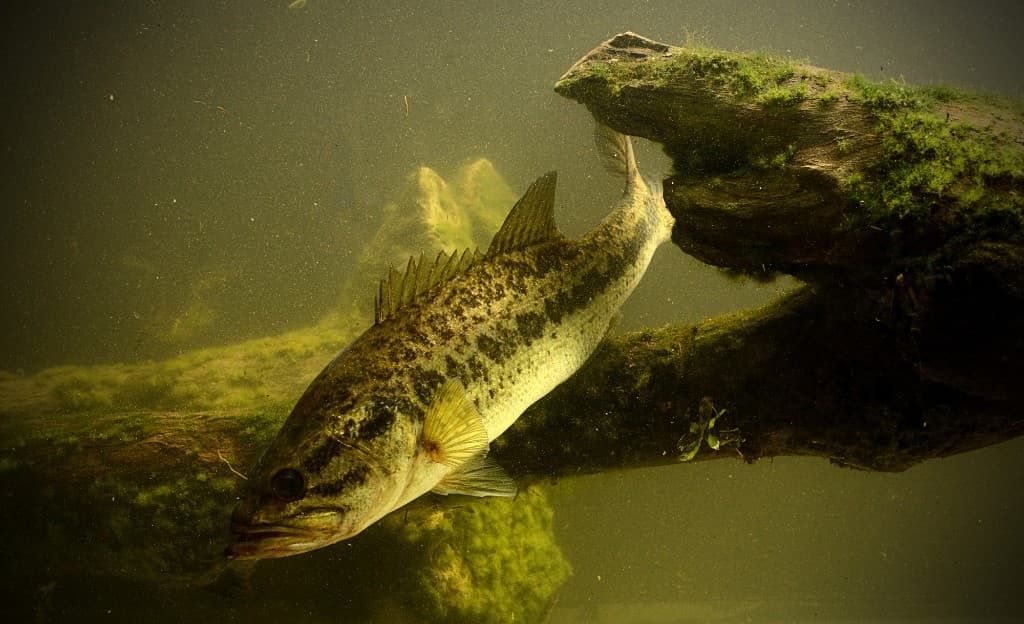
- Delaware Bay: Striped bass, weakfish, and bluefish anchor many saltwater plans; watch wind, tide, and seasonal closures before you run offshore. Identify fish carefully and measure with the method defined in marine regulations.
- Indian River Inlet and Inland Bays: Flounder, bluefish, and tautog are seasonal favorites; crowded channels mean patience and seamanship. Kayak anglers should stay visible and avoid crossing busy boat lanes.
- Nanticoke River and tidal tributaries: Offers a mix of tidal freshwater and estuary species depending on salinity and season—verify rules for the reach you fish and respect private docks.
- Lums Pond and Garrisons Lake: Popular bass and panfish destinations with family-friendly shore access; weekends bring crowds—arrive early and pack shade for kids.
- White Clay Creek: Trout-focused planning for many anglers; match your reach to posted trout rules and wade safely on slick rocks.
Plan Your Delaware Fishing Trip
Use our Delaware outdoors guide with the Delaware fishing hub. More: fishing articles. Build buffer time for beach-area traffic during summer weekends, and reserve boat launches near Rehoboth and Lewes early on holiday mornings. Pack rain layers and sun protection; tidal mud flats and open bay runs can both dehydrate you faster than you expect.
Bring two tackle systems if you split time between tidal and freshwater: corrosion-resistant hooks and pliers for salt, and finesse tools for inland ponds. Keep a first-aid kit, spare trailer bearings if you tow long distances, and drinking water for shore trips. End the day by rinsing reels and inspecting line—salt spray destroys gear when ignored.
Frequently Asked Questions
Do I need a Delaware fishing license?
Most anglers need a Delaware fishing license or reciprocal privileges as described by DNREC; trout stamps apply on designated trout waters—check current freshwater and tidal rules before you fish.
How does Delaware treat tidal versus inland fishing?
DNREC publishes separate guidance for tidal finfish and inland waters; Delaware Bay and Inland Bays follow marine-style tables, while millponds and streams follow inland regulations—verify species rules for the exact water body and date.
Where can I find Delaware fishing regulations?
Use DNREC fishing pages for the Delaware Fishing Guide, tidal finfish regulations, and pond stocking schedules; save the pages you rely on because emergency orders can update mid-season.
What should striped bass anglers know in Delaware waters?
Striped bass are managed coastwide; seasons, slots, and modes of fishing can change with conservation—read the marine regulations for Delaware state waters and confirm measurement rules before harvest.
What are Delaware’s best-known fisheries?
Delaware Bay and the Inland Bays support striped bass, weakfish, and flounder; millponds offer bass and panfish; White Clay Creek is popular for trout.
How can I reduce invasive species risk when moving boats in Delaware?
Clean, drain, and dry boats and gear, follow bait movement rules, and inspect trailers for plant fragments; read DNREC notices on aquatic invasive species before you move between watersheds.
Sources
- Delaware Department of Natural Resources and Environmental Control. "Fishing." DNREC, dnrec.delaware.gov/fw/fishing. Accessed 16 Apr. 2026.
Official state agency
Delaware Department of Natural Resources and Environmental Control — FishingVerify season openings, daily bag, possession, and length or slot rules for each water and species you target—plus any 2026 rule changes or emergency orders—before you fish.
Written by
The Inside Spread Team
The Inside Spread team covers fishing regulations and access across all 50 states. We tie every guide to official agency sources so you can verify seasons, bag limits, and license rules before you launch.
Comments
No comments yet. Be the first to share your thoughts.
More in state-guides
Arkansas Duck Hunting 2026: Season Dates, WMA Permits, License Costs & Complete Guide
Arkansas duck hunting 2026-27—three-segment season dates, nonresident WMA waterfowl permits, Black River and Bayou Meto access changes, and Delta license costs.
Georgia Whitetail Deer Hunting 2026: Season Dates, Extended Counties, License Costs & Nonresident Guide
Georgia whitetail deer hunting 2026-27—archery, primitive weapons, and firearms dates, 29-county extended archery, 12-deer bag, Game Check, and the nonresident guide.
Kentucky Whitetail Deer Hunting 2026: Season Dates, Zone Changes, License Costs & Nonresident Guide
Kentucky whitetail deer hunting 2026-27—archery, crossbow, and modern gun dates, the 2026 zone map, license and deer permit costs, Telecheck, and the nonresident guide.
Michigan Whitetail Deer Hunting 2026: Season Dates, License Costs, UP vs LP & Nonresident Guide
Michigan whitetail deer hunting 2026—archery, firearm, and three-day December dates, DNR license fees, Upper vs Lower Peninsula rules, baiting, and the nonresident guide.