
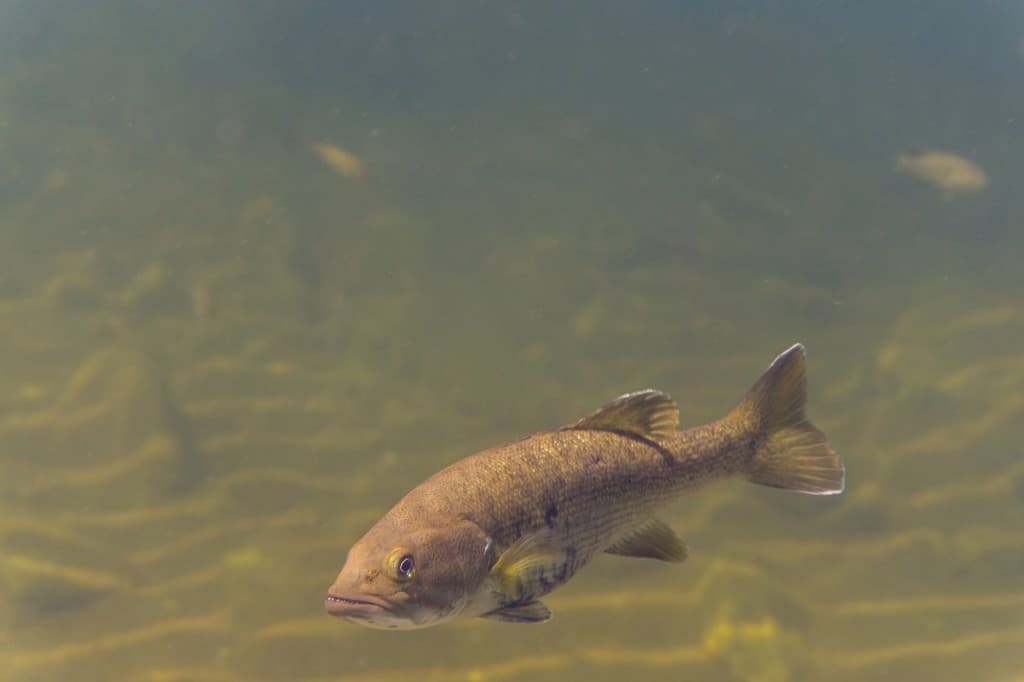
Missouri Fishing 2026: Licenses, Ozark Streams, and Big Reservoirs
Missouri fishing 2026—permit options, official MDC regulations, trout permit checks, Ozark stream planning, reservoir rules, and border-water guidance.
2026 seasons & limits
Verify rules with Missouri fish & wildlife
- Confirm open seasons, daily bag, and possession limits for each species and water you fish.
- Check length and slot rules—many lakes, rivers, and bays have special tables beyond statewide defaults.
- Review 2026 summaries and any emergency orders (closures, health notices, gear rules) before you go.
The Inside Spread orients you for trip planning only. Conservation officers enforce the official published regulations—not articles or forum posts.
Need a Missouri fishing permit, trout permit details, or the current MDC regulations before your trip? Start with MDC Fishing and decide whether you are planning an Ozark stream float, a trout park day, a big-reservoir trip, or a border-water outing. That first choice changes the rules, access questions, and expectations fast.
Missouri is a state of separate but connected fisheries: clear Ozark reservoirs, rocky smallmouth streams, major rivers, warm-water community lakes, and some of the best-known trout destinations in the central United States. Bennett Spring does not plan like Lake of the Ozarks, and Bull Shoals does not behave like the Current River. Once you define the exact fishery first, the permit and regulations questions get much easier to sort.
2026 Seasons, Limits, and Rule Changes
This article is not the law. Your state's fish and wildlife agency publishes the official rules—online digests, mobile apps, and emergency notices—and those sources control what you can keep, when you can fish, and where.
Missouri manages freshwater fisheries only—rivers, reservoirs, lakes, and streams. Named waters often carry special regulations beyond statewide defaults; border waters and interstate coordination may apply on shared rivers. Always match the species, water body, and date you plan to fish to the correct table.
What to verify before every trip
- Seasons and closures for each species you target (game fish, panfish, trout, salmon, and steelhead where present)
- Daily and possession limits (creel limits) and whether aggregate caps apply across similar species
- Minimum and maximum length and slot limits, plus how length is measured (total length vs. fork length)
- Gear restrictions (bait, hooks, tackle) where they apply
- Special rules for WMAs, community fishing waters, trophy waters, and border waters
2026 updates and mid-season changes
Agencies publish annual summaries and sometimes emergency orders (water quality, fish health, stock changes, or temporary closures). Before you plan 2026 trips:
- open the current regulations for the license year that covers your dates
- check your agency's news or rule change page for new limits, stamps, or reporting rules
- read invasive species and bait movement notices if you move boats or gear between waters
If a forum or social post disagrees with the agency PDF, trust the agency and walk away from edge cases.
Popular species: what to look up in the digest
Use the index or online tools to find limits for the fish you actually plan to catch—black bass (largemouth, smallmouth, spotted), panfish (crappie, bluegill, perch, sunfish), catfish, trout and salmon (including steelhead where present), walleye and sauger, muskies and pike, and other species listed for your water in the official guide. Do not keep fish until you match the species to the exact rule line for that water body and date.
| Topic | Verify in the official digest |
|---|---|
| Daily bag | Per-day harvest limit per species or aggregate groups |
| Possession | Fish you may have in camp, cooler, or vehicle combined |
| Length / slot | Minimum, maximum, or protected length bands |
| Season | Opening and closing dates, catch-and-release-only windows, closures |
Missouri official source: Missouri Department of Conservation — Fishing
Species-specific guides (2026)
Deeper dives on Missouri’s top game fish—history, where they live, 2026 regulations, and how to fish for them:
What Missouri Fishing Permit Do I Need?
Most anglers need a Missouri fishing permit unless they qualify for an exemption under current MDC rules. Residents and nonresidents have different permit options, and some trout fisheries require additional permit attention. The simplest way to stay organized is to buy through the official MDC permit system, keep proof in a format you can access reliably, and then read the current summary for any special rules tied to your target species or destination water.
Missouri is usually straightforward at the permit counter. Where problems show up is later, when anglers assume the basic permit answers every question. That may be true for a simple farm-pond or local-lake outing, but it is not a safe assumption for trout parks, managed trout streams, special regulation waters, or border reservoirs. If your trip involves a famous destination, treat permit purchase as step one rather than the last step.
A strong Missouri permit routine includes:
- Confirming whether you need a resident or nonresident permit.
- Buying permits before the trip so you are not depending on service at the ramp or stream access.
- Checking trout requirements if you are headed to a trout park, tailwater, or managed trout stream.
- Reading the current regulations summary again if the trip involves a border lake, a major river, or federal access lands.
Trout is where many anglers need to slow down. Missouri's trout culture is a major part of the state's fishing identity, but those waters are managed with more detail than a general bass trip. Limits, methods, and area-specific expectations may differ. If the destination includes Bennett Spring, Roaring River, Montauk, or another managed trout area, review the current MDC trout guidance before the trip instead of relying on what someone at work remembers from last year.
Seasonal Fishing Across Missouri
Spring is the season that introduces many people to how broad Missouri fishing really is. Bass anglers watch prespawn and spawning movements across reservoirs of very different clarity. Crappie anglers track fish around brush, docks, and creek channels. Stream anglers start paying closer attention to float conditions and river levels. Trout remains a steady option, especially for travelers who want a destination with clear structure and predictable access. The only catch is that spring in Missouri is not one thing. Cold rains, rising water, muddy inflows, and windy reservoir days can change a plan fast.
Summer pushes Missouri into specialized patterns. On big lakes, early and late windows become more important, offshore structure gets more attention, and night fishing earns its place. On rivers and streams, shade, current, and water temperature shape both fish behavior and angler comfort. Trout parks remain popular because they give families and casual anglers a more defined experience. Summer can fish very well, but it also adds recreational boat traffic, dock congestion, and warm-water fish care concerns, especially on heavily used reservoirs.
Fall is arguably the easiest time to recommend to a visiting angler. Temperatures are better, recreational pressure often drops, and multiple species set up in ways that can be easier to pattern. Bait movement drives a lot of reservoir decisions. Stream trips become attractive again. Catfish remains in play. If you want scenic miles, manageable weather, and the flexibility to pivot between lakes and rivers, fall is an excellent Missouri season.
Winter narrows the choices but does not shut them down. Trout remains important, tailwaters still matter, and experienced warm-water anglers keep catching fish by slowing down and fishing the conditions. What changes is the margin for error. Cold water, short daylight, fog, and long idle runs on major lakes make safety more central to the day.
Where Are Missouri’s Best Bass and Trout Fisheries?
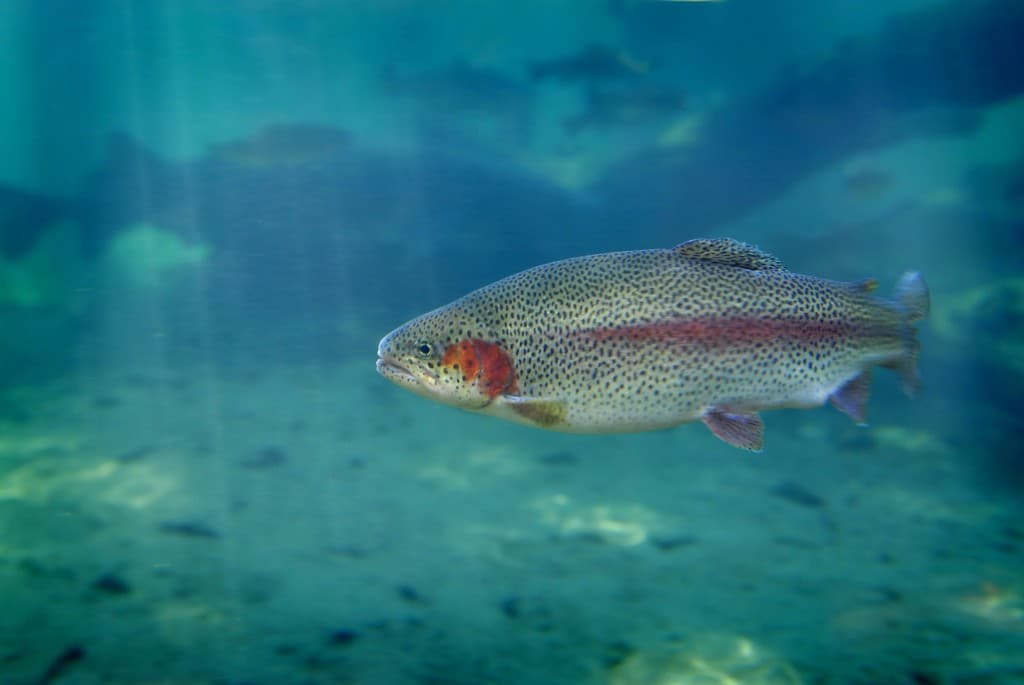
Missouri's flagship fisheries are famous because they each have a distinct personality. Table Rock Lake is the classic clear-water Ozark reservoir, with bass fishing that rewards structure, seasonal movement, and confidence in deeper presentations. Lake of the Ozarks combines fishing quality with intense shoreline development, dock abundance, and some of the heaviest recreational traffic in the state. Bull Shoals carries the appeal of a highland border reservoir with interstate planning layered on top. Stockton and Truman offer strong alternatives for anglers who want productive warm-water trips without copying the exact Table Rock or Lake of the Ozarks playbook.
The stream side of Missouri is just as important. Current River and Jacks Fork are smallmouth names that mean more than just fish numbers. They mean floats, current seams, gravel bars, and a style of fishing built around movement through a landscape rather than spot-to-spot reservoir runs. Trout parks such as Bennett Spring, Roaring River, and Montauk add another branch entirely, with more structured access, more obvious management, and very different expectations about methods and daily rhythm.
Key destination waters include:
- Table Rock Lake for clear-water bass and major tournament relevance.
- Lake of the Ozarks for dock fishing, crappie, bass, and high-traffic planning.
- Bull Shoals Lake for border-water bass opportunity and highland reservoir structure.
- Stockton Lake for bass, crappie, and multi-species reservoir fishing.
- Current River and Jacks Fork for scenic float-fishing and smallmouth identity.
- Bennett Spring, Roaring River, and Montauk for classic Missouri trout experiences.
Table Rock and Bull Shoals often get mentioned together, but they should not be treated as interchangeable. Both are Ozark reservoirs, yet local access, lake shape, fishing pressure, and border-water logistics create different experiences. Lake of the Ozarks is even more distinct. It can be outstanding, but it asks anglers to think about docks, traffic, timing, and safe movement around heavy recreational use. That does not make it a bad destination. It just means trip planning matters.
Ozark Streams and River Fishing
Missouri's river and stream fishing is one of the clearest reasons the state stands apart from a simple reservoir map. Ozark streams are scenic, technical enough to stay interesting, and often best enjoyed at a pace that has more in common with travel than competition. Smallmouth bass is the headline for many float anglers, but the deeper appeal is the whole experience: reading current, choosing gravel-bar stops, deciding when to wade, and understanding how recent rain has changed the river.
Ozark stream fishing asks for a different mindset than reservoir fishing. Boat electronics matter less. Access and shuttle planning matter more. Lure choice often gets simpler while positioning and presentation get more precise. Light tackle, current awareness, and careful fish handling go a long way. Stream anglers also need to respect the fact that not every float condition is a safe float condition. Recent rain can turn a comfortable trip into a pushy, off-color river that is no longer ideal for casual travel.
River anglers should also remember that some Missouri waters pass through different management contexts. Federal lands, national scenic riverways, state conservation areas, and local access sites can all affect how a trip is organized. That does not usually make the fishing complicated, but it does mean access, shuttle, and parking research are part of the trip, not optional extras.
Trout Parks, Tailwaters, and Coldwater Planning
Missouri's trout identity reaches well beyond a simple stocking note in the regulations. Trout parks are core destinations for many anglers, and they bring a more managed, more structured kind of fishing to the state. Bennett Spring, Roaring River, and Montauk are the best-known examples. They attract families, dedicated trout anglers, and traveling visitors who want a dependable coldwater option.
Those fisheries deserve close reading because the experience is shaped by more than just the presence of trout. Area rules, methods, limits, seasonal patterns, and crowd levels all matter. Some anglers love the social side and accessibility of trout parks. Others prefer tailwaters or managed streams with a different pace. Either way, the lesson is the same: treat Missouri trout fishing as its own category, not a side note attached to a bass permit.
Tailwaters and managed coldwater streams add even more variation. Water release schedules, temperature, and access conditions can shape the day as much as fly or lure choice. If you plan to wade, check the latest information before you arrive and again when you reach the access point.
Border Waters and Bull Shoals Planning
Missouri anglers should pay special attention to border waters, and Bull Shoals is the obvious example for this guide. Shared reservoirs are appealing because they expand access and offer classic highland fishing, but they also require more careful reading of current rules. Where you launch, what portion of the lake you intend to fish, and whether you cross into another jurisdiction can all matter. Border-water trips are exactly where anglers benefit from reading both sides of the line instead of relying on old dock talk.
A practical border-water checklist looks like this:
- Read current Missouri guidance before the trip.
- If the lake or route touches Arkansas water, review applicable Arkansas information too.
- Decide in advance where you expect to launch and fish.
- Treat reciprocal privileges as something to verify, not assume.
This cautious approach is not about making the trip harder. It is about preventing avoidable surprises and protecting the quality of the day. Nothing slows a good fishing trip faster than realizing you planned the fun part and skipped the legal part.
Major Rivers, Catfish, and Multi-Species Opportunity
Missouri's large rivers deserve more respect than they often get in casual travel roundups. The Mississippi and Missouri rivers, along with connected systems and tributaries, offer catfish opportunity, seasonal runs, and a kind of fishing that feels different from both lakes and Ozark floats. Blue catfish, flatheads, and channel cats create serious potential for anglers who understand current, bait, and location.
Big-river fishing is not casual water, though. Commercial traffic, changing current, wing dikes, mud lines, and variable access all matter. Bank anglers need to think about footing, legal access, and changing water. Boat anglers need to think about navigation and river reading first, fishing second. The reward is a fishery with real size potential and a strong identity that broadens Missouri well beyond bass and trout.
Missouri is also a strong crappie and panfish state. That matters for trip planning because not every outing needs to chase the biggest headline species. Family trips, shoulder-season weekends, and shorter local outings can be better built around accessible crappie, bluegill, or mixed-bag fishing than around a heroic all-day run. Good planning means matching the trip to the people going, not just the species you like most.
Safety, Access, and Boating Pressure
Missouri safety looks different depending on where you fish. On big reservoirs, the major concerns are boat traffic, wake, changing weather, floating debris, and long runs through developed or open-water sections. Lake of the Ozarks is the clearest example because peak-season traffic can be intense. On streams, the risks shift toward unstable footing, changing current, weather-driven rises, and access logistics. On tailwaters and coldwater streams, water release information may be the most important safety item of the day.
A reliable Missouri safety routine includes:
- Wearing a life jacket during runs and anytime conditions justify it.
- Checking weather, wind, and if relevant water release conditions before you leave home.
- Respecting no-wake zones, dock areas, and congested marina traffic.
- Using public access areas clearly and legally instead of improvising around private property.
- Telling someone your access point and return plan when floating or fishing remote stretches.
Access matters just as much as safety. Missouri has many strong public opportunities through MDC areas, public ramps, parks, and river accesses, but appealing shoreline is not automatically public shoreline. Parking where you should not, dragging boats across private ground, or blocking accesses turns an easy fishing day into a preventable problem.
Tournaments, Fishing Pressure, and Fish Care
Tournament culture is central to parts of Missouri, especially on major bass lakes. Even if you never fish competitively, events shape traffic, ramp use, and fish pressure. A lake that feels manageable on Thursday can feel much tighter on Saturday morning. Knowing the event calendar or at least anticipating heavy use on famous reservoirs helps you choose better launch times, backup ramps, or even a different lake.
Fish care matters as pressure rises, especially in summer. Warm water, long livewell periods, careless handling, and extended photo sessions all increase stress. If you release fish, do it efficiently and thoughtfully. If you keep fish, stay within current limits and keep only what you plan to use. Missouri's best fisheries are sustained by a mix of management and angler behavior, and the behavior side is not optional.
Invasives, Ethics, and Stewardship
Missouri anglers move between lakes, rivers, and parks often, which makes invasive-species prevention an everyday responsibility. Boats, trailers, livewells, anchors, and wading gear can all move unwanted plants and organisms from one fishery to another. One of the simplest habits in fishing is also one of the most valuable: inspect gear, drain water where appropriate, and let equipment dry before moving between waters whenever possible.
Ethics also shows up in the small moments. Give stream anglers room on a float. Do not crowd a bank spot that someone reached before daylight. Pack out line and soft plastics. Respect posted access rules even when no one is standing there to enforce them in person. The quality of Missouri fishing depends on regulation, habitat, and stocking, but it also depends on how anglers behave when they think no one is watching.
Plan Your Missouri Fishing Trip
The easiest way to build a good Missouri trip is to choose one identity for the weekend. Make it a clear-water reservoir trip, an Ozark float trip, a trout-focused trip, or a broad family fishing trip with simpler access. Trying to do all four in two days usually means too much driving and not enough fishing.
If you want classic bass water, Table Rock, Bull Shoals, Stockton, and Lake of the Ozarks all make sense for different reasons. If you want scenery and movement, plan around an Ozark stream with the right shuttle and water conditions. If you want a coldwater destination with structure and easy planning, focus on a trout park or a well-researched tailwater. Once you pick the identity, add one weather-proof backup option and one access-friendly fallback.
See Missouri outdoors and Missouri fishing hub. More: fishing articles.
Frequently Asked Questions
Do I need a fishing permit in Missouri?
Most anglers need a Missouri fishing permit unless they qualify for an exemption. Residents and nonresidents should verify the correct permit type through MDC before they travel.
Where can I find Missouri fishing regulations?
Use MDC's fishing section and current regulations summary. That is where you will find statewide rules, area-specific details, and trout information.
What are Missouri's top bass lakes?
Table Rock, Lake of the Ozarks, Bull Shoals, and Stockton are among the best-known names. They are not interchangeable, so choose based on season, traffic tolerance, and the style of fishing you enjoy.
Do I need a trout permit in Missouri?
Missouri trout waters can involve additional permit requirements and area-specific methods. Review the current MDC trout information before fishing parks, tailwaters, or managed streams.
How should I plan for Bull Shoals border waters?
Start by reading current Missouri guidance, then verify what applies if your route or fishing area crosses into Arkansas water. Border-water trips go best when you decide your launch and fishing zone before the boat hits the water.
What makes Ozark stream fishing different from reservoir fishing?
Ozark streams ask for more attention to current, access, float logistics, and wading than reservoir trips do. Large-lake fishing often leans more on boat control and structure, while stream fishing rewards pace, positioning, and reading moving water.
Sources
- Missouri Department of Conservation. "Fishing." MDC, https://mdc.mo.gov/fishing. Accessed 7 Apr. 2026.
- Missouri Department of Conservation. "Buy Permits." MDC, https://mdc.mo.gov/buypermits. Accessed 7 Apr. 2026.
- Missouri Department of Conservation. "Trout Fishing." MDC, https://mdc.mo.gov/fishing/species/trout. Accessed 7 Apr. 2026.
Official state agency
Missouri Department of Conservation — FishingVerify season openings, daily bag, possession, and length or slot rules for each water and species you target—plus any 2026 rule changes or emergency orders—before you fish.
Written by
The Inside Spread Team
The Inside Spread team covers fishing regulations and access across all 50 states. We tie every guide to official agency sources so you can verify seasons, bag limits, and license rules before you launch.
Comments
No comments yet. Be the first to share your thoughts.
More in state-guides
Arkansas Duck Hunting 2026: Season Dates, WMA Permits, License Costs & Complete Guide
Arkansas duck hunting 2026-27—three-segment season dates, nonresident WMA waterfowl permits, Black River and Bayou Meto access changes, and Delta license costs.
Georgia Whitetail Deer Hunting 2026: Season Dates, Extended Counties, License Costs & Nonresident Guide
Georgia whitetail deer hunting 2026-27—archery, primitive weapons, and firearms dates, 29-county extended archery, 12-deer bag, Game Check, and the nonresident guide.
Kentucky Whitetail Deer Hunting 2026: Season Dates, Zone Changes, License Costs & Nonresident Guide
Kentucky whitetail deer hunting 2026-27—archery, crossbow, and modern gun dates, the 2026 zone map, license and deer permit costs, Telecheck, and the nonresident guide.
Michigan Whitetail Deer Hunting 2026: Season Dates, License Costs, UP vs LP & Nonresident Guide
Michigan whitetail deer hunting 2026—archery, firearm, and three-day December dates, DNR license fees, Upper vs Lower Peninsula rules, baiting, and the nonresident guide.