
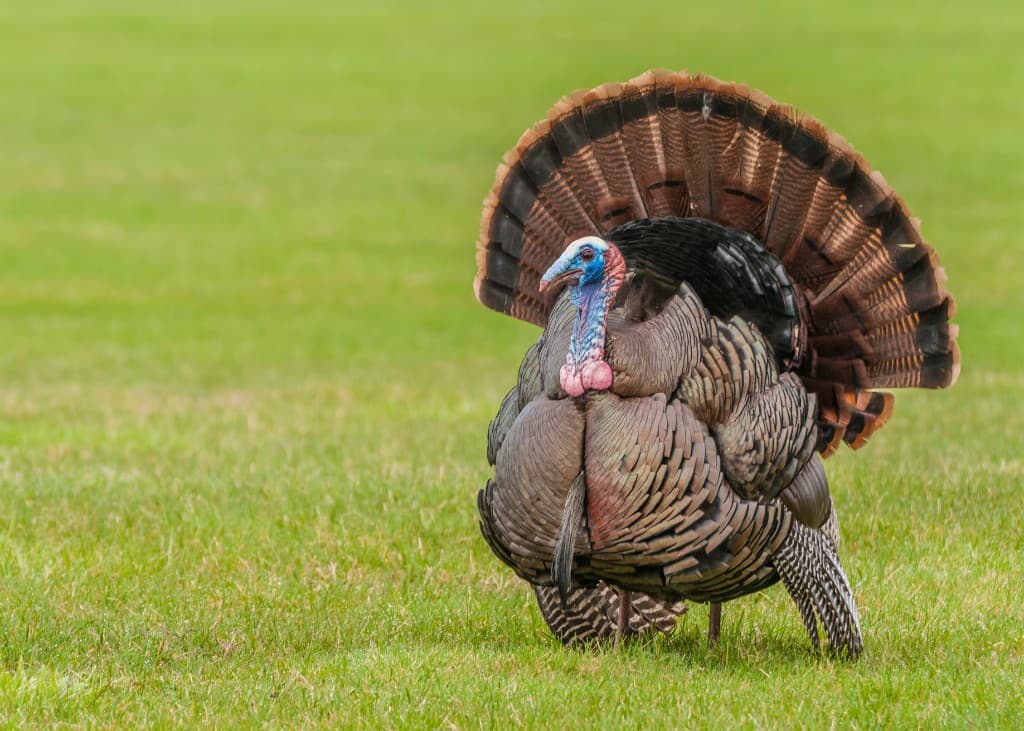
South Carolina Turkey Hunting 2025: Season, Licenses & Where to Hunt
South Carolina turkey hunting 2025—season dates, license fees, new reaping and jake rules, and best public land WMAs. Plan your spring gobbler hunt.

South Carolina Turkey Hunting 2025: Season, Licenses & Where to Hunt
South Carolina's 2025 spring turkey season runs April 3 through May 3 on private land and WMAs, with youth weekends March 29–30 and May 10–11. New rules this year: reaping is banned on private land statewide, and jakes are off-limits. Tags cost $25 (residents) or $125 (non-residents) for a set of two. Here's everything you need to plan your hunt.
- Season: April 3 – May 3 (statewide); youth March 29–30, May 10–11
- Bag limit: 2 gobblers per season, 1 per day; no more than 1 before April 10
- Reaping and jake harvest are now illegal statewide
When Is South Carolina Turkey Season?
The 2025 spring turkey season opens April 3 and closes May 3 on both private land and Wildlife Management Areas. Youth hunters get two dedicated weekends—March 29–30 and May 10–11—when no license or tags are required for the youth or their adult companion.
- General season: April 3 – May 3
- Youth weekend 1: March 29–30
- Youth weekend 2: May 10–11
- Some WMAs are Thursday–Saturday only; check SCDNR WMA regulations for details
Season dates and regulations are subject to change. Verify with South Carolina DNR before your hunt.
What Do South Carolina Turkey Tags Cost?
Residents pay $25 for a set of two turkey tags; non-residents pay $125. You also need a valid hunting license and big game permit. Youth under 16, lifetime license holders, seniors, and gratis/disability licensees can request free turkey tags.
- Residents: $25 for 2 tags (plus license and permit)
- Non-residents: $125 for 2 tags (plus license and permit)
- Free tags: Youth under 16, lifetime/senior/gratis/disability (by request)
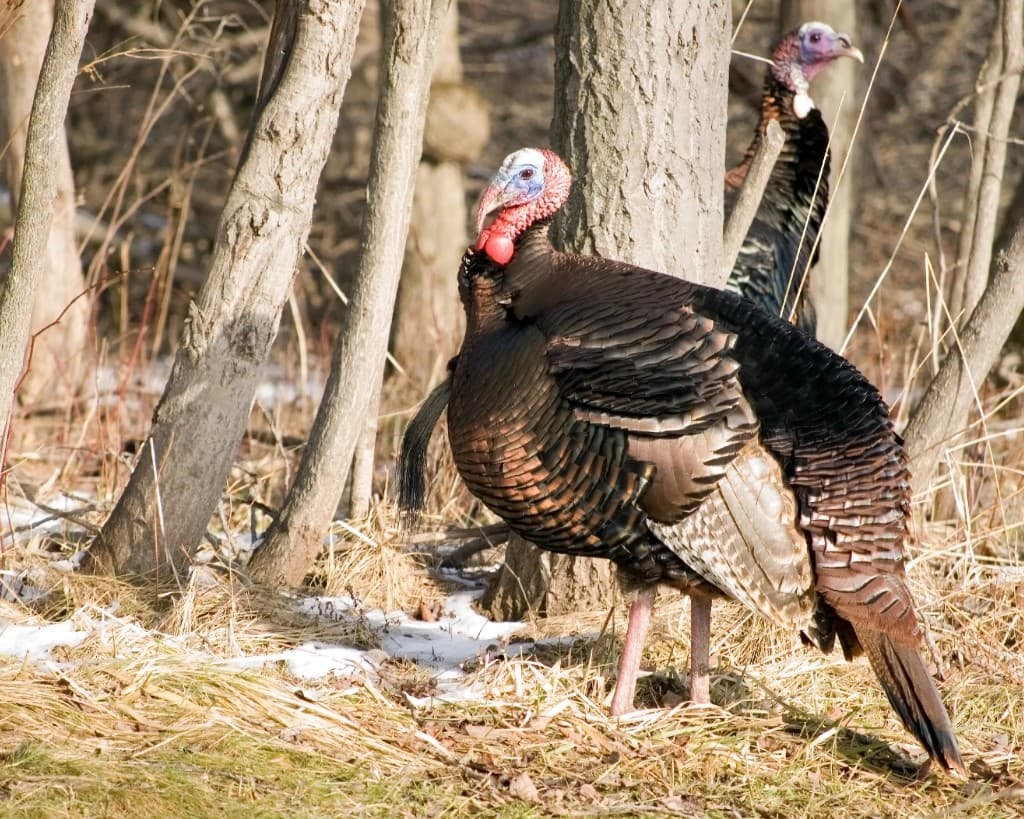
Tags are mailed beginning late February and available over the counter at SCDNR regional offices starting mid-March. Order online at SCDNR Turkey Tags.
What Changed for South Carolina Turkey Hunting?
South Carolina banned reaping on private land and made jake harvest illegal statewide to address declining turkey populations. Reaping—stalking turkeys while hiding behind a decoy or tail fan—is now unlawful on private and public land. Fanning from a stationary position remains legal on private land. Jakes (males with a beard under 6 inches or an undeveloped tail fan) may not be harvested by any hunter.
- Reaping banned on private land (already banned on public since 2020)
- Jake harvest unlawful statewide; no youth exemption
- Fanning from a stationary position still legal on private land
- Electronic calls and baiting remain illegal
Where to Hunt Turkeys on South Carolina Public Land
Fant's Grove WMA and Keowee WMA are two of the best public turkey options, both in Game Zone 2 near Lake Hartwell. Fant's Grove offers 8,540 acres open to gun hunting; Keowee has 4,100 acres with archery-only sections that see less pressure. Other WMAs with spring turkey include Belfast, Bluefield, Hickory Top, Liberty Hill, Manchester State Forest, and Sand Hills State Forest.
- Fant's Grove WMA: 8,540 acres; access via Twin Lakes, 18-Mile Creek, or Oconee Point
- Keowee WMA: 4,100 acres; archery-only sections reduce pressure; shotguns north of Highway 123
- Additional WMAs: Belfast, Bluefield, Hickory Top, Liberty Hill, Manchester, Sand Hills
Check SCDNR WMA maps for access points and any special schedules. Many WMAs are Thursday–Saturday only during spring turkey.
A Morning in the South Carolina Woods
The first gobble cut through the fog at 6:42—close, maybe 150 yards. I'd set up on a hardwood ridge above a creek bottom where I'd seen scratchings and droppings two days earlier. A few soft yelps on the slate, then silence. Ten minutes later he gobbled again, closer. I put the call down and waited.
He came in from the left, strutting through the pines, full fan. I let him clear the last oak, then squeezed. The bird dropped at 22 yards. Not the biggest gobbler I've taken, but the hunt was textbook: scouting paid off, the call did its job, and patience closed the deal. That's South Carolina turkey hunting when it all lines up—thick woods, vocal birds, and enough public land that you can still find a ridge to yourself if you're willing to walk.
Key Regulations
Legal weapons include shotguns, muzzleloading shotguns, bows, and crossbows. Hunting hours run from 30 minutes before sunrise to 30 minutes after sunset. You must report your harvest via SC Game Check by midnight the day of harvest.
- Legal weapons: shotguns, muzzleloading shotguns, bows, crossbows
- Hunting hours: 30 min before sunrise to 30 min after sunset
- Harvest reporting: SC Game Check by midnight day of harvest
- No electronic calls; no baiting
For full regulations, see South Carolina Turkey Regulations and the SCDNR turkey page.
Plan Your South Carolina Turkey Hunt
South Carolina offers a long spring season, straightforward tag system, and solid public land options from the Lowcountry to the Upstate. With the new reaping and jake rules in place, the focus is on traditional calling and patience—which, for many of us, is exactly what turkey hunting should be.
Check the South Carolina hunting guide for more on seasons, licenses, and public land across the state. For gear tips, see our best turkey hunting camo and gear for 2025 and budget turkey gun guide.
Sources
- South Carolina Department of Natural Resources. "Wild Turkey." SCDNR Wildlife, dnr.sc.gov/wildlife/turkey. Accessed 10 Mar. 2025.
- eRegulations. "South Carolina Turkey Regulations." eRegulations, eregulations.com/southcarolina/hunting/turkey-regulations. Accessed 10 Mar. 2025.
- South Carolina Department of Natural Resources. "Order Your Wild Turkey Tags Online." SCDNR, dnr.sc.gov/turkeytags. Accessed 10 Mar. 2025.
- Carolina Sportsman. "Fant's Grove, Keowee WMAs offer great public turkey hunting opportunities." Carolina Sportsman, carolinasportsman.com. Accessed 10 Mar. 2025.
Official state agency
South Carolina Department of Natural ResourcesVerify seasons, bag limits, and license rules with the agency before you hunt.
Written by
The Inside Spread Team
The Inside Spread team includes hunters with decades of combined experience across the Southeast. Our writers have chased gobblers from the Lowcountry to the Upstate and follow SCDNR turkey regulations and harvest reporting each season.
Comments
No comments yet. Be the first to share your thoughts.
More in state-guides
Illinois Spring Turkey Hunting 2026: Zones, Permits & Season Dates
Illinois spring turkey 2026—North and South zone seasons, youth hunt weekends, permit lotteries, 1 p.m. hunting hours, and IDNR harvest check-in.
Indiana Spring Turkey Hunting 2026: Season, Licenses & Where to Hunt
Indiana spring turkey 2026—youth weekend, 18-day regular season opening the first Wednesday after April 20, Game Bird Habitat stamp, and DNR property rules.
Iowa Spring Turkey Hunting 2026: Seasons, Tags & Public Land
Iowa spring turkey 2026—youth season, four shotgun seasons plus archery, two-tag rules, Go Outdoors Iowa, and where to hunt public ground.
Kentucky Spring Turkey Hunting 2026: Season, Licenses & Where to Hunt
Kentucky spring turkey 2026—youth weekend April 4–5, general season April 18–May 10, permits, Telecheck, and WMA opportunities for Eastern wild turkeys.