
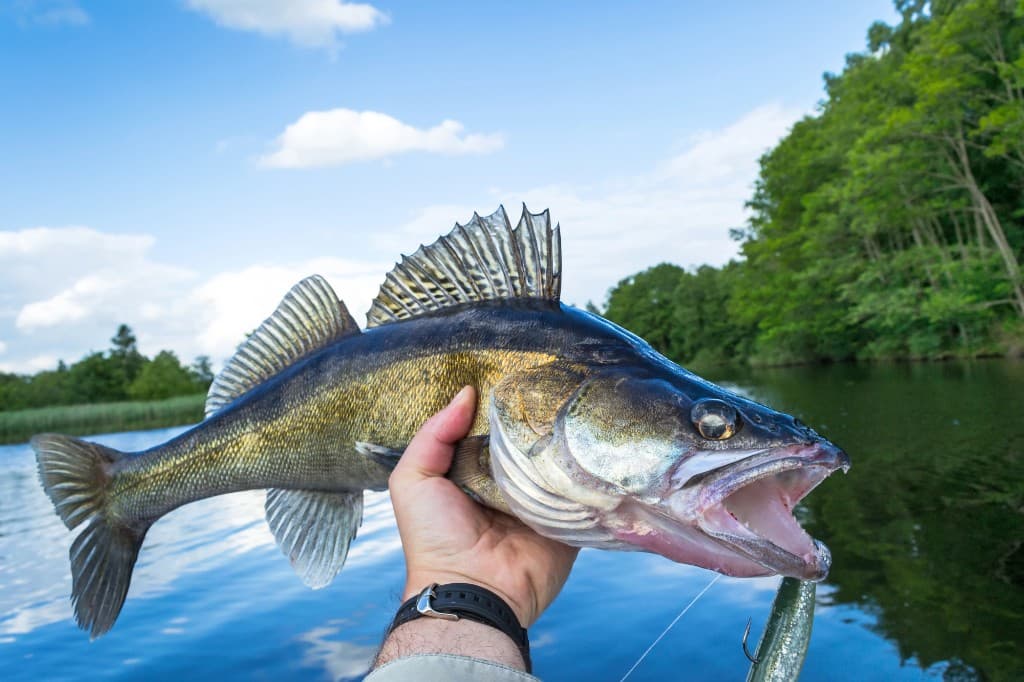
Washington fishing 2026—license options, catch-record-card checks, WDFW marine and inland regulations, Columbia planning, and official emergency updates.
2026 seasons & limits
Verify rules with Washington fish & wildlife
- Confirm open seasons, daily bag, and possession limits for each species and water you fish.
- Check length and slot rules—many lakes, rivers, and bays have special tables beyond statewide defaults.
- Review 2026 summaries and any emergency orders (closures, health notices, gear rules) before you go.
The Inside Spread orients you for trip planning only. Conservation officers enforce the official published regulations—not articles or forum posts.
Need a Washington fishing license, a catch record card, or the current marine-area or Columbia rules before your trip? Start with WDFW Fishing and decide whether your day is Puget Sound, coastal, Columbia, or inland freshwater. That first choice usually tells you which pamphlet, catch-record-card rule, and emergency update matters.
Washington is a study in contrasts: Puget Sound, the Columbia, coastal salmon rivers, and east-side walleye or trout water do not share the same planning assumptions. Because salmon, steelhead, halibut, and some marine fisheries can change in-season, anglers do best when they define the exact fishery first and then read the matching WDFW tables before they leave home.
2026 Seasons, Limits, and Rule Changes
This article is not the law. Your state's fish and wildlife agency publishes the official rules—online digests, mobile apps, and emergency notices—and those sources control what you can keep, when you can fish, and where.
Washington layers freshwater and saltwater rules differently; named lakes, rivers, and bays often have special regulations beyond statewide defaults; border waters and stocks shared with neighboring states or federal waters can add more rules. Always match the species, water body, and date you plan to fish to the correct table.
What to verify before every trip
- Seasons and closures for each species you target (game fish, panfish, trout, salmon, steelhead, or saltwater species)
- Daily and possession limits (creel limits) and whether aggregate caps apply across similar species
- Minimum and maximum length and slot limits, plus how length is measured (total length vs. fork length)
- Gear restrictions (bait, hooks, tackle) where they apply
- Special rules for WMAs, community fishing waters, trophy waters, and border waters
2026 updates and mid-season changes
Agencies publish annual summaries and sometimes emergency orders (water quality, fish health, stock changes, or temporary closures). Before you plan 2026 trips:
- open the current regulations for the license year that covers your dates
- check your agency's news or rule change page for new limits, stamps, or reporting rules
- read invasive species and bait movement notices if you move boats or gear between waters
If a forum or social post disagrees with the agency PDF, trust the agency and walk away from edge cases.
Popular species: what to look up in the digest
Use the index or online tools to find limits for the fish you actually plan to catch—black bass (largemouth, smallmouth, spotted), panfish (crappie, bluegill, perch, sunfish), catfish, trout and salmon (including steelhead where present), walleye and sauger, muskies and pike, and—if your trip includes coastal or estuary water—saltwater species such as red drum, spotted seatrout, snapper, groupers, striped bass, and flounder. Do not keep fish until you match the species to the exact rule line for that water body and date.
| Topic | Verify in the official digest |
|---|---|
| Daily bag | Per-day harvest limit per species or aggregate groups |
| Possession | Fish you may have in camp, cooler, or vehicle combined |
| Length / slot | Minimum, maximum, or protected length bands |
| Season | Opening and closing dates, catch-and-release-only windows, closures |
Washington official source: Washington Department of Fish and Wildlife — Fishing
Species-specific guides (2026)
Deeper dives on Washington’s top game fish—history, where they live, 2026 regulations, and how to fish for them:
What Washington Fishing License Do I Need?
Most anglers 15 and older need a valid Washington fishing license unless a current exemption applies. WDFW directs anglers to official licensing vendors and online systems for purchases. Begin with the base license question, then add catch record cards and validations required for your target fisheries. If you intend to use two poles where permitted, purchase the two-pole permit if it applies to your plan. If your trip includes shellfish harvest, review whether a separate shellfish license is required for the activities you want.
Youth and senior categories can change with rule updates; verify ages and residency requirements annually. Nonresident anglers should expect questions at ramps and access points; keep licenses and catch record cards organized and protected from water damage. A zip-seal bag is a small investment that prevents a big headache.
Catch Record Cards, Reporting, and Salmon Fisheries
Washington salmon fisheries are culturally huge and management-intensive. Marine areas can have different Chinook and coho opportunities, different closures, and different gear expectations. Anglers should learn how to identify species reliably, especially when release is required. The catch record card system exists because seasons are built around accountability; treat reporting as part of the sport, not paperwork for someone else.
If you fish Puget Sound, learn the marine area boundaries as practical navigation knowledge, not trivia. The boundary lines on a chart correspond to regulation tables. Misunderstanding which area you are in can turn a good day into a serious mistake. Carry a reliable marine chart app or paper backup appropriate to your vessel.
Puget Sound Marine Fisheries: Bottomfish, Salmon, and Forage Awareness
Puget Sound offers remarkable access near major cities, but it is still a serious marine environment. Tides move fast, weather changes quickly, and commercial traffic exists in shipping lanes. Bottomfish opportunities can be excellent, yet depth rules and rockfish conservation measures matter. Some fisheries emphasize selective harvest and careful release practices to protect long-lived species.
Forage fish and baitfish ecology shape bigger fisheries more than casual anglers realize. Part of ethical fishing in Washington is avoiding waste, minimizing deep-hook mortality, and learning release techniques appropriate to the species. That mindset pairs naturally with regulations designed to keep fisheries stable across decades, not just seasons.
Columbia River: Joint Rules, Walleye, and Salmon and Steelhead
The Columbia is a continent-scale river, and Washington anglers interact with it from the coast through famous eastern pools. Joint management with Oregon means you must verify which state’s rules apply to your location and activity. Walleye fisheries attract dedicated anglers who understand that success is often a function of time on the water and adapting to flows. Salmon and steelhead fisheries can be phenomenal but are also sensitive to season changes; check emergency rules frequently during peak periods.
Boating safety on the Columbia includes understanding current seams, debris during high water, and commercial navigation. Life jackets are not optional for thoughtful anglers, especially when fishing from smaller craft in cold water.
Coastal Rivers and Washington Ocean Fisheries
Washington’s outer coast and coastal rivers offer steelhead and salmon traditions that define regional identity. Winter steelhead fishing can mean cold rain and hypothermia risk even when air temperatures feel mild. Summer and fall fisheries bring different crowds and different access stresses. Ocean fishing from Westport, Ilwaco, and other ports can be outstanding when conditions allow, but bar crossings and swell deserve respect.
Eastern Washington Lakes, Trout, and High-Country Stillwaters
East of the Cascades, Washington opens into a dry-side world of reservoirs, pothole lakes, and trout fisheries that can feel more “interior West” than “Pacific Northwest rainforest.” Walleye, bass, and panfish fisheries attract local specialists and traveling anglers alike. Selective fisheries and gear rules appear on many trout waters; read the pamphlet lines for each lake. High lakes hiking adds altitude, weather risk, and isolation; prepare accordingly.
Family anglers often appreciate east-side stillwaters for simpler shore access compared with some west-side timbered lakes, but “simpler” does not mean rule-free. Community lakes and urban ponds may have special rules designed to keep harvest fair and fisheries durable. If you are traveling with beginners, pair a stocked lake day with clear catch-and-release coaching so new anglers learn identification and handling before retention enters the conversation. That habit pays off later when regulations tighten for certain species or when wild fish require release.
Seasonal Planning: Rain Shadow vs. Rain Belt
Western Washington’s lowland fisheries track a different weather rhythm than eastern Washington’s sun and wind. Spring snowmelt changes rivers; summer draws crowds; fall can be prime for salmonids and cool-water species depending on the system. Build clothing and safety plans around water temperature, not calendar optimism.
Invasive Species, Mussel-Free Certification, and Boating Pathways
Washington participates in the broader Pacific Northwest fight against invasive mussels and other aquatic hitchhikers. Boat inspections and clean-drain-dry expectations are part of modern access. If you trailer between regions, build time for inspections into the day. If you fish multiple watersheds in a week, deep-clean gear between trips.
Safety: Cold Water, Hypothermia, and Marine Weather
Washington’s fishing deaths in public data often cluster around immersion and rough marine conditions. Wear a life jacket when conditions warrant it, avoid alcohol when boating, and teach children clear boundaries near cold, fast water. On Puget Sound, monitor marine forecasts and understand that afternoon wind is not “surprising”—it is normal.
Where Are Washington’s Top Marine and Inland Fisheries?
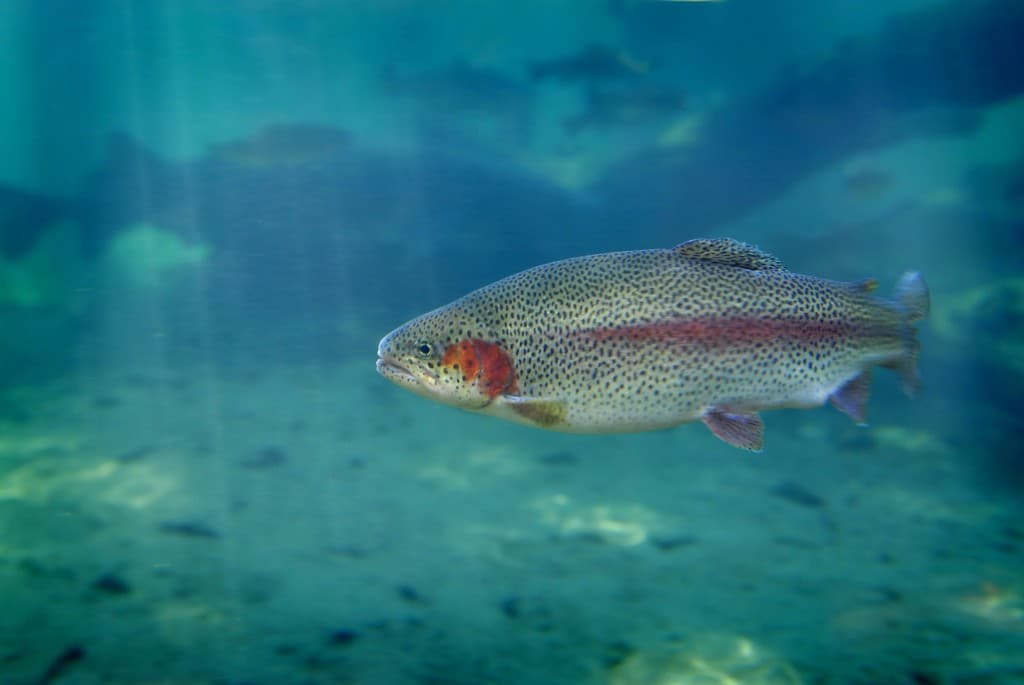
Washington’s top marine fisheries include Puget Sound’s mixed salmon and bottomfish opportunities and the outer coast’s ocean and nearshore fisheries when conditions allow. Inland and river highlights include Columbia River walleye and salmonid fisheries, coastal steelhead and salmon rivers, and east-side lakes that support trout, kokanee, bass, and panfish under diverse rule sets.
Choose a region, learn its emergency rule patterns, and fish it twice before judging it harshly. Washington rewards anglers who return with better timing.
Plan Your Washington Fishing Trip
Anchor your trip plan to WDFW’s official pamphlets and in-season updates. Confirm ramp parking, discover passes if fishing tribal-adjacent or federal lands, and build a backup day when marine wind spikes. Mixing Puget Sound and Columbia trips in one vacation requires separate mental models for marine areas and joint river rules—keep notes in two sections of your trip folder.
Use our Washington outdoors guide with the Washington fishing hub. More: fishing articles.
Frequently Asked Questions
Do I need a Washington fishing license?
Most anglers 15 and older need a valid Washington fishing license; catch record cards are required for salmon, steelhead, sturgeon, and halibut in many fisheries—check WDFW for current requirements.
Where can I find Washington fishing regulations?
Use WDFW sport fishing pamphlets and emergency rules for Puget Sound, coastal, and inland waters, including Columbia River joint rules with Oregon.
What are Washington’s best-known fisheries?
Puget Sound offers salmon and bottomfish; the Columbia supports salmon, steelhead, and walleye; east-side lakes and high-country trout fisheries draw statewide anglers.
What is a catch record card and when is it required?
Washington uses catch record cards for certain fisheries such as salmon, steelhead, sturgeon, and halibut; rules can change by year and fishery—verify current card requirements and reporting steps on WDFW before you fish.
How does Puget Sound fishing differ from coastal Washington fishing?
Marine area rules, seasons, and depth or area restrictions can differ by basin; treat each marine area as its own set of tables rather than assuming one sound-wide rule.
What safety issues are common on Washington’s large waters?
Cold water, sudden wind on Puget Sound and lakes, and Columbia River currents and navigation hazards mean life jackets, weather monitoring, and conservative decisions matter on almost every serious trip.
Sources
- Washington Department of Fish and Wildlife. "Fishing." WDFW, wdfw.wa.gov/fishing. Accessed 16 Apr. 2026.
- Washington Department of Fish and Wildlife. "Licenses." WDFW, wdfw.wa.gov/licenses/fishing. Accessed 16 Apr. 2026.
- Washington State Parks. "Discover Pass." Washington State Parks, parks.wa.gov/discover-pass. Accessed 16 Apr. 2026.
Official state agency
Washington Department of Fish and Wildlife — FishingVerify season openings, daily bag, possession, and length or slot rules for each water and species you target—plus any 2026 rule changes or emergency orders—before you fish.
Written by
The Inside Spread Team
The Inside Spread team covers fishing regulations and access across all 50 states. We tie every guide to official agency sources so you can verify seasons, bag limits, and license rules before you launch.
Comments
No comments yet. Be the first to share your thoughts.
More in state-guides
Arkansas Duck Hunting 2026: Season Dates, WMA Permits, License Costs & Complete Guide
Arkansas duck hunting 2026-27—three-segment season dates, nonresident WMA waterfowl permits, Black River and Bayou Meto access changes, and Delta license costs.
Georgia Whitetail Deer Hunting 2026: Season Dates, Extended Counties, License Costs & Nonresident Guide
Georgia whitetail deer hunting 2026-27—archery, primitive weapons, and firearms dates, 29-county extended archery, 12-deer bag, Game Check, and the nonresident guide.
Kentucky Whitetail Deer Hunting 2026: Season Dates, Zone Changes, License Costs & Nonresident Guide
Kentucky whitetail deer hunting 2026-27—archery, crossbow, and modern gun dates, the 2026 zone map, license and deer permit costs, Telecheck, and the nonresident guide.
Michigan Whitetail Deer Hunting 2026: Season Dates, License Costs, UP vs LP & Nonresident Guide
Michigan whitetail deer hunting 2026—archery, firearm, and three-day December dates, DNR license fees, Upper vs Lower Peninsula rules, baiting, and the nonresident guide.