
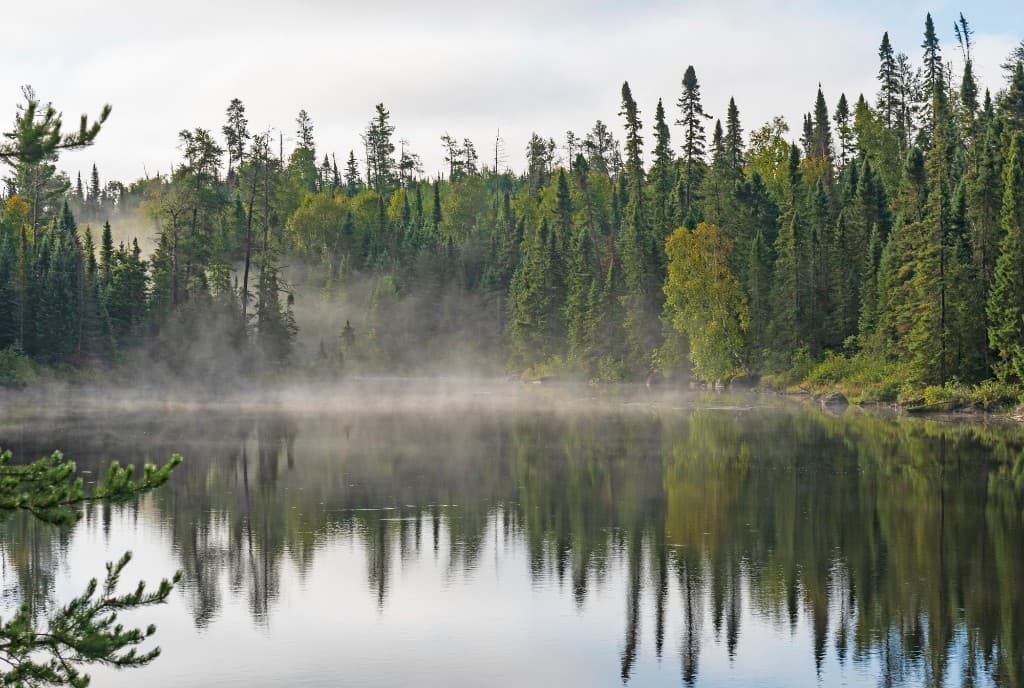
Boundary Waters Protections Stripped Away: Hunters and Anglers Need to Fight Back
Congress rolled back Boundary Waters protections in 2026. Here is what hunters and anglers stand to lose, why the vote matters, and what to do next.
There are bad conservation votes, and then there are votes that tell you exactly who a politician is when the pressure is on. The Senate vote on H.J. Res. 140 was one of those moments.
On April 16, the U.S. Senate voted 50-49 to strip away the 20-year mineral withdrawal protecting roughly 225,000 acres in the Rainy River watershed upstream of the Boundary Waters Canoe Area Wilderness. That move did not instantly put shovels in the ground, but it did remove one of the strongest federal protections standing between one of America’s greatest hunting-and-fishing landscapes and a copper-nickel mine proposal tied to Twin Metals and its Chilean parent company, Antofagasta. Hunters and anglers should not pretend this is abstract. It is not. It is a direct hit on clean water, fish habitat, wildlife security, and the principle that public lands should be managed for long-term public benefit instead of short-term political theater.
What makes this vote especially infuriating is not just the outcome. It is that lawmakers had the facts. They had years of scientific review. They had overwhelming public input. They had organized opposition from hunting and fishing groups that do not agree on everything, but agreed on this. And after hearing all of that, most Senate Republicans still chose party discipline and mining politics over stewardship.
That deserves to be said plainly.
If you are a Republican senator who campaigns as a defender of sportsmen, public lands, or American resources, and you still voted yes on this resolution, you do not get to wave the conservation flag after the fact. You heard the warnings. You heard Sen. Tina Smith hold the floor for hours. You heard hunters and anglers from across the country. You heard the case that this mine threatens a water-rich wilderness with world-class fisheries and hunting opportunities. And you voted yes anyway.
Two Republicans, Susan Collins of Maine and Thom Tillis of North Carolina, broke ranks and voted no. They are proof that party-line obedience was not mandatory. Everyone else in the GOP conference who voted for the resolution made a choice. Hunters and anglers should remember that choice.
What Was Actually Lost?
The resolution targeted Public Land Order 7917, the 2023 withdrawal that blocked new federal mineral and geothermal leasing on the affected National Forest System acres for 20 years—the sulfide-ore / copper-nickel prospect the coverage often shortens to “hardrock” mining in this part of Minnesota. That withdrawal covered about 225,504 acres of Superior National Forest lands in Cook, Lake, and Saint Louis counties, withdrawn for 20 years from new federal mineral and geothermal leasing to protect the Rainy River watershed and the Boundary Waters Canoe Area Wilderness (and related values the order names, including the mining protection area and 1854 Ceded Territory). It did not place Voyageurs National Park inside that withdrawal; the order applies to the described National Forest System acres. [Federal Register, PLO 7917] It existed because federal review had already pointed to serious, long-term water-quality risk from sulfide-ore mining in one of the most hydrologically connected landscapes in the country.
How Congress did it (statutory form vs. on-the-ground effect): H.J. Res. 140 is not a one-line bill that says only “repeal Public Land Order 7917.” It is a Congressional Review Act resolution of disapproval of a Bureau of Land Management rule “relating to” PLO 7917—the procedural hook the CRA required. The outcome for the land and water is the same as “lifting the moratorium” in news shorthand: the 20-year mineral and geothermal withdrawal established by that order is undone and cannot simply be reissued in substantively the same form without a new Congressional action (CRA § 801 bars the agency from issuing a new rule in “substantially the same” form after disapproval).
That protection mattered because the Boundary Waters is not just a line on a map or a favorite canoe destination for tourists. It is a massive, connected freshwater system and one of the most important sporting landscapes in the Upper Midwest. As the Theodore Roosevelt Conservation Partnership put it when the 2023 withdrawal was finalized, the Boundary Waters is a world-class place to fish for lake trout, chase grouse, and camp in a true backcountry wilderness. As Trout Unlimited noted after the Senate vote, this 1.1 million-acre hunting and fishing paradise holds more than 1,100 lakes, cold connected streams, and sensitive fish and wildlife habitat that cannot simply be rebuilt after contamination [TRCP, Trout Unlimited].
The key point here is simple: this was not some random administrative speed bump that got swept aside. This was a protection created because the place is uniquely vulnerable and uniquely valuable.
Why Hunters and Anglers Opposed This
The opposition to this rollback was not driven only by generic environmental messaging. It came from hunting and fishing organizations that understand habitat, water, and access as practical realities, not slogans.
Sportsmen for the Boundary Waters called the vote “incredibly disappointing” and said Congress chose to side with private interests over the outdoor community after months of organized outreach. The group singled out the fact that only two Republicans voted no and said it was especially disappointing that some of the yes votes came from members of sporting and stewardship caucuses [Sportsmen for the Boundary Waters, Sportsmen for the Boundary Waters].
Backcountry Hunters & Anglers said the Congressional Review Act was never intended to bypass public input, sound science, and long-term stewardship decisions. BHA also warned that using it this way creates a dangerous precedent for public lands and waters across the country. That is not activist hyperbole. It is a serious warning from one of the biggest hunting-and-angling public-land organizations in North America [Backcountry Hunters & Anglers].
Trout Unlimited made the fisheries case even more bluntly. Corey Fisher of TU called the Boundary Waters a hunting-and-fishing paradise and said the vote put that legacy at risk by opening the door to sulfide-ore mining where science is clear that acid mine drainage poses a long-term threat. Minnesota TU’s John Lenczewski added the critical point many politicians want to avoid: domestic mining questions are real, but not every place is a responsible place to mine, and this is one of the worst places to gamble with permanent pollution [Trout Unlimited].
Even outside direct organizational statements, the sporting press has been remarkably consistent. MeatEater framed the vote as a major blow to the Boundary Waters and explained how it advances a mine proposal backed by a foreign-owned company while setting a precedent for future rollback of public-land protections [MeatEater]. Outdoor Life called it a dark day for the Boundary Waters and for the future of public lands more broadly, emphasizing the years of science, public comment, and hydrological reality behind the original protections [Outdoor Life].
That alignment matters. Hunters, anglers, wilderness advocates, and conservation media do not always line up this cleanly. When they do, lawmakers should pay attention.
Why This Vote Was So Reckless
The basic conservation case against sulfide-ore copper mining in this watershed is not complicated. The Boundary Waters is a water-rich, interconnected system. In dry country, some mine pollution risks can at least be partially contained and managed. In a place like the BWCA watershed, where surface water, wetlands, and groundwater all talk to one another, contamination does not politely stay where it starts.
Outdoor Life’s reporting laid that out through former U.S. Forest Service chief Tom Tidwell, who said there is simply no way to run a copper-sulfide mine in that location without degrading water. Tidwell had approved other mining projects in other landscapes during his career. His point was not “mining is always evil.” His point was “this is the wrong place” [Outdoor Life].
That distinction matters for readers who do not want this reduced to cartoon politics. America needs minerals. Hunters and anglers know modern life runs on extraction somewhere. But adults are supposed to be able to tell the difference between “we need minerals” and “therefore this exact watershed should be sacrificed.” Those are not the same argument.
The Boundary Waters question has always been about location, hydrology, and consequence. TU made the same point by noting that the watershed contains cold connected streams, native lake trout habitat, and a recreation economy dependent on clean water. TRCP has repeatedly described the Boundary Waters as a special place of national significance to hunting and fishing and argued that when development presents a high likelihood of irreversible harm, long-term stewardship is the prudent course [Trout Unlimited, TRCP].
That is why the Senate vote feels so shameless. This was not a case of uncertain evidence. It was a case of lawmakers hearing the evidence and voting the other way anyway.
The Republican Failure Here Is Not Just Policy. It Is Character
Let’s get to the part too many outdoor brands tiptoe around.
Republicans who voted for this resolution deserve public backlash from hunters and anglers. Not because they are Republicans, but because they chose a vote that was hostile to the best arguments of the sporting community while still expecting to wear the camouflage of public-land credibility.
Some of them surely knew the sporting case against this bill. Some belong to caucuses or coalitions built around stewardship and access. Some will go home and tell sportsmen they support hunting heritage. Some will shake hands at sportsmen’s banquets and talk about Theodore Roosevelt, conservation, or “our great outdoors.” But when the vote actually mattered, they sided with a rollback that hunting and fishing organizations spent months trying to stop.
That is the point readers should hold onto.
It is one thing to disagree after making a clear argument grounded in public benefit. It is another thing entirely to hear that:
- the Congressional Review Act had never been used in this way for a mineral withdrawal
- the sporting community opposed the move
- the watershed is unusually vulnerable
- the protections had broad public support
- the mine beneficiary is tied to foreign ownership and overseas processing
and still vote yes.
At that point, the issue stops being lack of information. It becomes willingness to ignore it.
And yes, the contrast with Collins and Tillis matters. They were not suddenly transformed into anti-mining radicals. They simply declined to go along with a bad vote. That makes the rest of the Republican yes votes look even worse. If two Republicans could see the problem, why couldn’t the others? The hard answer is that many of them probably could. They just chose politics over place.
What Happens Next?
The situation is serious, but this was not the final permit. That is important.
Sportsmen for the Boundary Waters has emphasized that the Senate vote does not mean Twin Metals can break ground tomorrow. The federal rollback opens the door to lease restoration and future federal review, but state-level decisions still matter. Minnesota agencies, especially the Minnesota Department of Natural Resources, remain critical gatekeepers. Additional approvals involving water, wetlands, air, dam safety, and related permits would still have to happen before a mine could move forward [Sportsmen for the Boundary Waters].
Save the Boundary Waters has also pointed to three major paths forward after the Senate vote:
- state regulatory authority, especially through the Minnesota DNR
- state legislation for permanent protection
- litigation that could delay or stop the project and challenge the legality of how protections were stripped away [Save the Boundary Waters]
That means hunters and anglers still have leverage, but only if they act like they understand time matters.
What Hunters and Anglers Should Do Right Now
If you care about public lands, fisheries, clean water, or the idea that elected officials should not be able to steamroll science and public input, this is not the moment to sulk online and move on.
Here is the practical next-step list:
- Call your U.S. senators and representative. Use the Capitol switchboard at (202) 224-3121. If your senator voted no, thank them. If your senator voted yes, tell them exactly what they sold out and why sportsmen are paying attention.
- Minnesota residents should contact state legislators immediately. Push for permanent state-level protections for the Boundary Waters watershed and oppose any effort to ease mining approvals.
- Contact the Minnesota DNR. State permitting authority still matters. Hunters and anglers should say clearly that clean water, fisheries, and wildlife habitat are not acceptable collateral damage.
- Support sportsmen-led conservation groups doing this work. Sportsmen for the Boundary Waters, Backcountry Hunters & Anglers, Trout Unlimited, and TRCP have all carried real weight in this fight. If you want the next round fought harder, fund the people doing it.
- Write letters to the editor and show up publicly. Politicians count on sportsmen grumbling privately and disappearing by next week. Prove them wrong.
If you want the blunt version, here it is: make this vote politically uncomfortable. The people who voted yes need to hear that hunters and anglers are not props for campaign brochures. We are constituents, and we are paying attention.
The Boundary Waters Is Bigger Than One Vote
This story is about more than a mine and more than one wilderness. It is about whether public lands and waters can be handed over piece by piece when the right political pressure shows up. BHA is right to warn that this kind of CRA maneuver threatens future public-land protections. If lawmakers can use the same playbook elsewhere, then every sportsman who loves a watershed, migration corridor, elk winter range, trout headwater, duck marsh, or backcountry hunting unit should take this personally [Backcountry Hunters & Anglers].
The Boundary Waters matters because it is iconic. But it also matters because iconic places shape what the rest of the country is willing to defend. If Congress can shrug at a landscape this famous, this valuable, and this broadly loved, they will absolutely test the limits somewhere quieter next time.
That is why the response to this vote cannot be limited to Minnesota. Hunters and anglers nationwide should see this for what it is: a warning shot.
Final Word
The Senate vote on H.J. Res. 140 was a disgrace. It ignored science, brushed aside public input, insulted the sporting community, and weakened protections for one of the greatest hunting-and-fishing landscapes in America. Most of the Republicans who voted yes had enough information to know better. They did it anyway.
Hunters and anglers should answer accordingly.
Call. Write. Donate. Show up. Support the groups still fighting. Pressure state officials. Remember the names of the people who voted to roll back these protections, and do not let them hide behind generic public-land rhetoric the next time they need your vote.
The fight is not over. But if sportsmen treat this like just another bad headline, then the people who pushed this through will have learned the worst possible lesson: that they can sell out wild places and still count on our silence.
Sources
- Sportsmen for the Boundary Waters. “What Comes Next In The Fight To Protect The Boundary Waters.” sportsmenbwca.org.
- Sportsmen for the Boundary Waters. “Senate Votes To Overturn Boundary Waters Protections.” sportsmenbwca.org.
- MeatEater. “Senate Votes Against Protecting Boundary Waters.” themeateater.com.
- Outdoor Life. “It’s a Dark Day for the Boundary Waters and the Future of Public Lands. Here’s How We Got Here.” outdoorlife.com.
- Backcountry Hunters & Anglers. “Congress Undoes Boundary Waters Protections Despite Nationwide Public Opposition.” backcountryhunters.org.
- Trout Unlimited. “Congress Reopens Door To Mining Near Boundary Waters, Risking Clean Water And Outdoor Recreation Economy.” tu.org.
- Theodore Roosevelt Conservation Partnership. “Why TRCP Works to Conserve America’s Special Places.” trcp.org.
- Theodore Roosevelt Conservation Partnership. “Historic Protections Announced for Boundary Waters.” trcp.org.
- Save the Boundary Waters. “H.J. Res. 140 Passes in the Senate - Here’s What You Need to Know.” savetheboundarywaters.org.
- Federal Register, Department of the Interior. “Public Land Order No. 7917 for Withdrawal of Federal Lands; Cook, Lake, and Saint Louis Counties, MN” (2023-01969, 88 FR 6308). federalregister.gov.
- U.S. Congress, Library of Congress. H.J. Res. 140, 119th Congress — “Providing for congressional disapproval … of the rule submitted by the Bureau of Land Management relating to Public Land Order No. 7917.” congress.gov.

Written by
Kenny Flermoen
Kenny Flermoen is the owner and CEO of The Inside Spread. Growing up in the Upper Midwest he spent most of his childhood outside—rain, snow, or shine. He writes about hunting, fishing, and conservation with a focus on public-land access, habitat, and the decisions that shape the future of America’s outdoor heritage.
Comments
No comments yet. Be the first to share your thoughts.
More in conservation
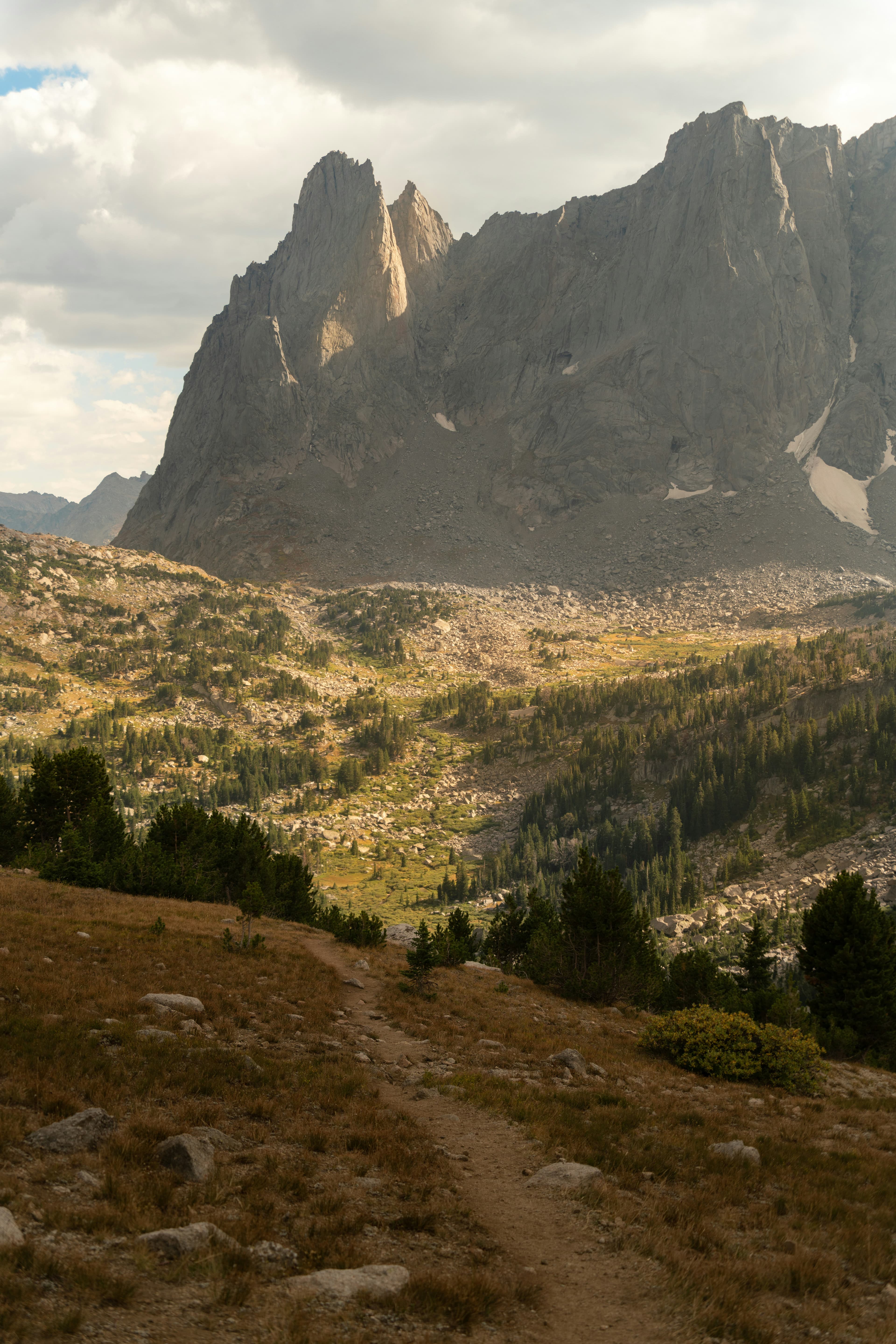
BREAKING: The Forest Service Just Moved to Kill the Roadless Rule for Good. 58 Million Acres of the Best Hunting and Fishing Left in America Are on the Table.
The Forest Service proposed rescinding the 2001 Roadless Rule, putting 58 million acres of backcountry hunting and fishing habitat at risk. Comment by Sept. 21.

IP28 Is Dead — For Now. Oregon's Hunting and Fishing Ban Fell 13,000 Signatures Short. Here's What Happens Next.
Oregon IP28 failed to qualify for the November 2026 ballot after falling about 13,000 valid signatures short. Here is what happened—and why hunters say the fight is not over.
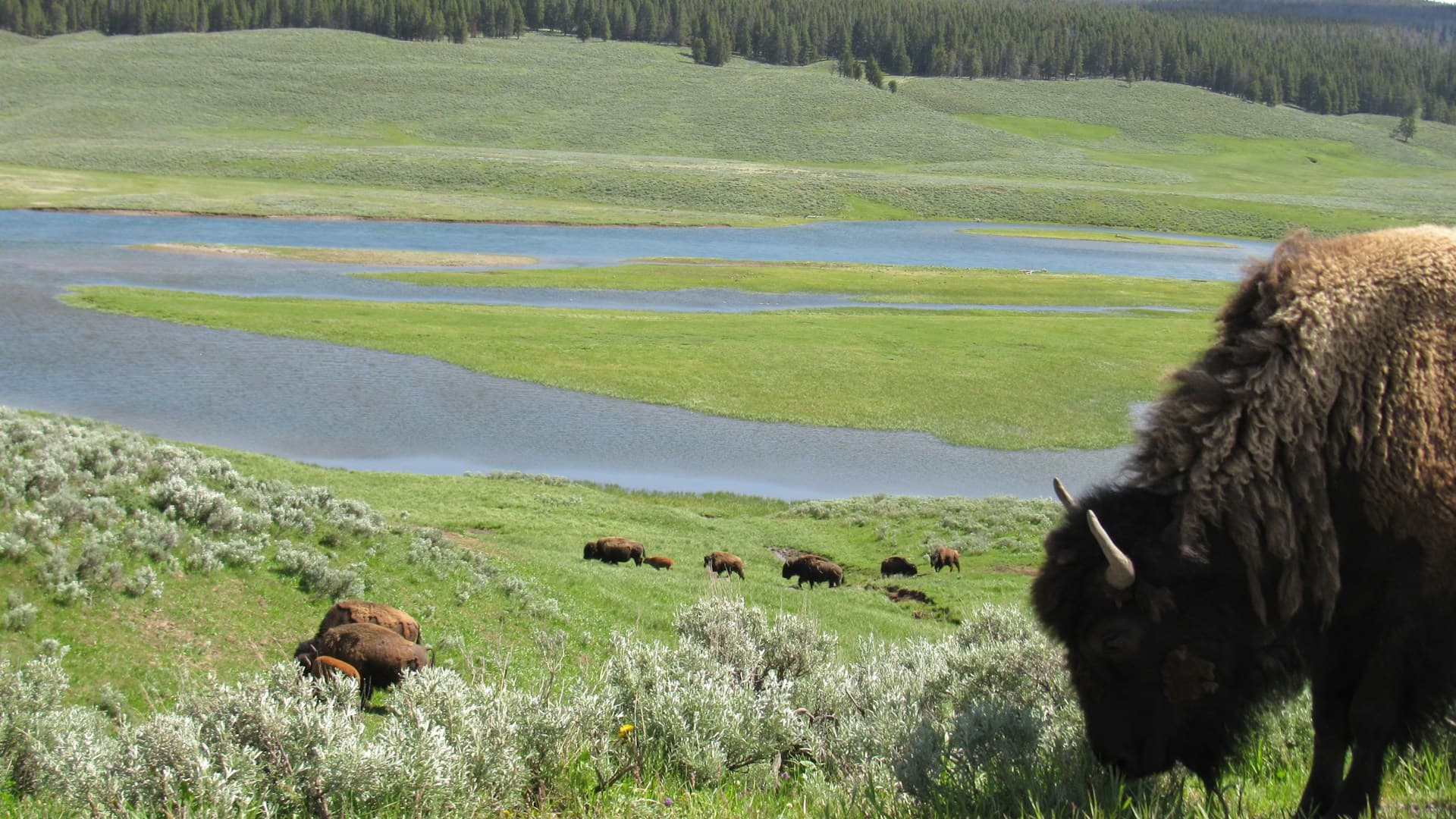
The History of Hunting in America, Part 2: Hunting and Conservation Efforts and Success
How hunters turned crisis into recovery—fair chase, the Lacey Act, Duck Stamp, Pittman-Robertson, and the species comebacks that prove regulated hunting funds conservation.
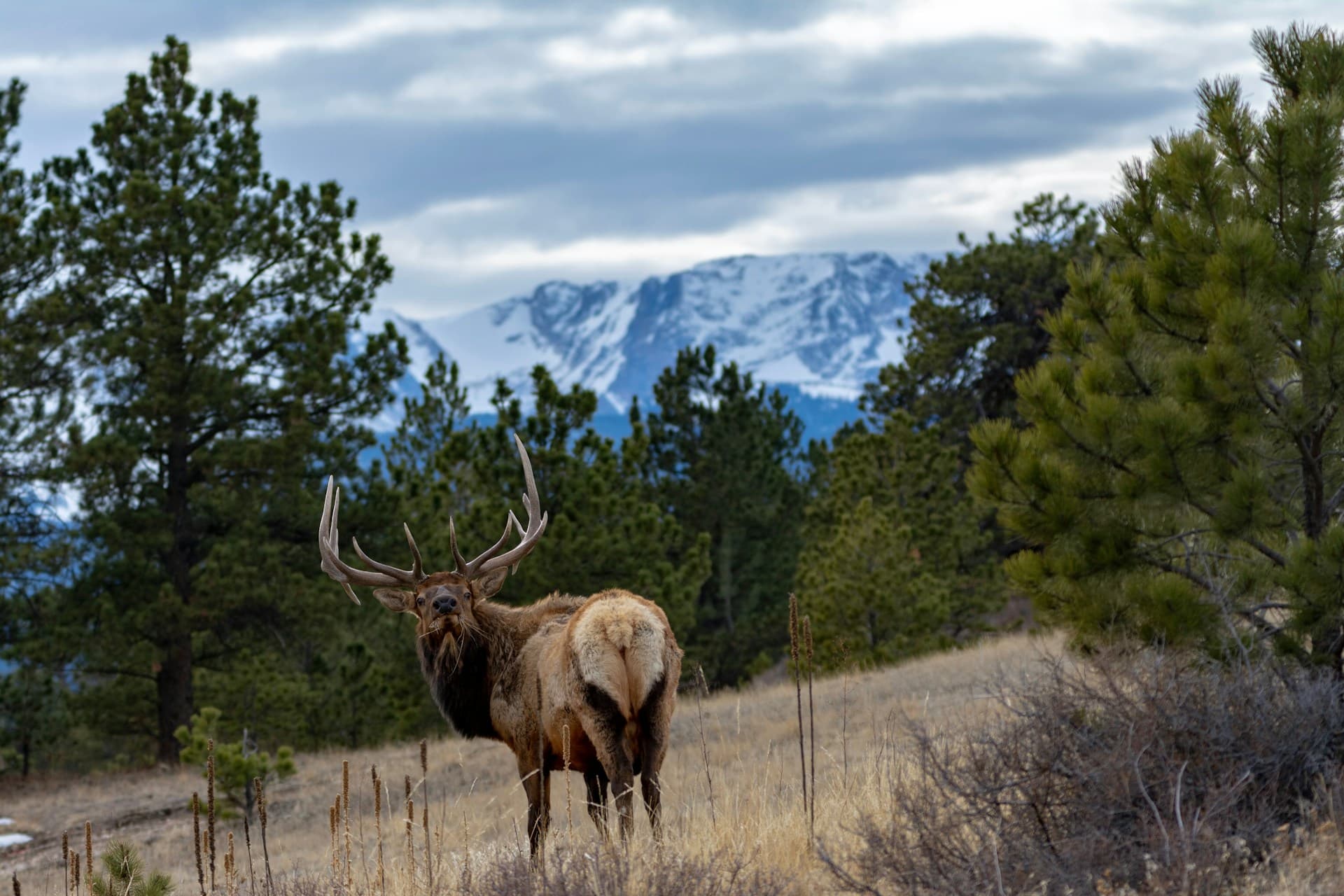
Pittman-Robertson, Licenses, and the Funding Cliff Nobody Wants to Talk About
Pittman-Robertson wildlife funding fell nearly 15% from FY2024 to FY2026. Here is how licenses and excise taxes fund state conservation—and how to strengthen the system without erasing hunters and anglers.