
BREAKING: The Forest Service Just Moved to Kill the Roadless Rule for Good. 58 Million Acres of the Best Hunting and Fishing Left in America Are on the Table.
The Forest Service proposed rescinding the 2001 Roadless Rule, putting 58 million acres of backcountry hunting and fishing habitat at risk. Comment by Sept. 21.
Today, the U.S. Forest Service filed a formal proposed rule to rescind the 2001 Roadless Area Conservation Rule in its entirety — the regulation that has kept nearly 59 million acres of National Forest System land free from new road construction and large-scale commercial logging for a quarter century. If this goes through, it will be the single largest rollback of backcountry protection in the history of American public land management.
Additional detail will be posted to the Forest Service's website beginning August 19. The formal public comment period opens Thursday, August 20, and runs through midnight on September 21. This is not a proposal in the early conceptual stage. This is the actual regulatory text, moving through the formal federal rulemaking process, on a defined 32-day clock.
If you hunt elk in the Bitterroot backcountry, chase mule deer in Utah's high country, fish for native cutthroat in a Montana headwater stream that doesn't have a road within five miles, or simply value knowing that some of the wildest ground left in the Lower 48 stays that way — this is the moment to pay attention, and the window to act is short.
Here's exactly what's happening, what's actually at stake for hunters and anglers specifically, and what you can do about it before September 21.
What the Roadless Rule actually does, and why it exists
Signed in the final days of the Clinton administration in January 2001, the Roadless Area Conservation Rule designated roughly 58.5 million acres of National Forest System land across 39 states as "inventoried roadless areas" — large, undeveloped blocks of national forest that had never been fragmented by road construction. The rule prohibits new road building, road reconstruction, and most commercial-scale timber harvest within those areas, with exceptions built in for wildfire response, forest health projects, and other specific circumstances.
It is not wilderness designation. Hunting, fishing, camping, hiking, horse packing, and most other traditional backcountry uses remain fully legal and unaffected in roadless areas. What the rule actually restricts is industrial-scale development: the kind of road building that opens previously inaccessible forest to heavy machinery, commercial logging operations, and the traffic and fragmentation that follow.
That distinction matters enormously for understanding what's actually at risk. This isn't a fight over whether hunters and anglers can access these 58 million acres — they always have been able to, and rescinding the rule doesn't change that on its own. The fight is over whether that access continues to mean genuine backcountry, or whether large portions of it get carved up by new roads and commercial logging that fundamentally change the character of the land and the wildlife that depends on it.
Roughly 30 percent of the entire National Forest System — nearly one in every three acres the Forest Service manages — falls under Roadless Rule protection. The National Forest System already contains more than twice as many miles of road as the entire U.S. interstate highway system. The areas the Roadless Rule protects are, by definition, the last major blocks of national forest that haven't already been carved up that way.
The timeline: how we got to today
This didn't come out of nowhere, and understanding the sequence matters for understanding how serious this latest step is.
On June 23, 2025, Agriculture Secretary Brooke Rollins announced at a Western Governors' Association meeting in New Mexico that USDA intended to rescind the Roadless Rule entirely, framing it as an obstacle to wildfire prevention and responsible forest management under President Trump's Executive Order 14192 on deregulation. On August 29, 2025, USDA published a formal notice of intent in the Federal Register, opening an initial scoping-phase comment period that ran just three weeks — a notably compressed timeline compared to the roughly year-long process and more than 400 public meetings the Forest Service held when it originally developed the rule in 1999 and 2000.
That first comment period drew an extraordinary public response. More than 625,000 comments were submitted in 21 days, and according to an analysis by the Center for Western Priorities, 99.2 percent of those comments opposed rescinding the rule. A draft environmental impact statement was expected by March 2026, with a final rule and record of decision projected for late 2026.
Today's action is that next formal step. The Forest Service has now filed the actual proposed rule — not a notice of intent to study the question, but the substantive regulatory text that would carry out the full rescission. The public comment period opening August 20 and running through September 21 is the formal comment period tied to this specific proposed rule, and it is the public's primary remaining opportunity to weigh in before the Forest Service moves toward a final decision.
It's worth noting one geographic wrinkle: Idaho and Colorado each maintain their own state-specific roadless area conservation rules, negotiated separately with the federal government in the 2000s. Those state rules are legally distinct from the national 2001 Roadless Rule and would not automatically be affected by this federal rescission — though hunters in both states should watch closely for any subsequent action targeting those state-level protections.
Why this specifically matters for hunters: the elk and mule deer science
Here is the part of this story that general news coverage will miss entirely, and it's the part that should matter most to The Inside Spread's readers.
Roadless areas are not incidental to good big game hunting in the West. They are, according to a growing body of research, disproportionately responsible for it. A recent study highlighted by Outdoor Life found that harvest density — the concentration of animals successfully taken by hunters — runs roughly 10 times higher in roadless areas compared to heavily roaded forest of similar habitat type. That's not a small effect. That's the difference between a unit that produces trophy bulls generation after generation and a unit that's been hunted out and pushed thin by traffic and access.
The mechanism behind that gap is well documented in wildlife biology. Elk and mule deer are highly sensitive to human disturbance and road density specifically. Multiple studies tracking GPS-collared animals have shown that these species systematically avoid areas near roads, shifting their core ranges away from road corridors even when the surrounding habitat quality is otherwise similar. Roads don't just bring hunters and other recreators into new country — they change how and where animals live, pushing them into smaller and more marginal blocks of undisturbed habitat, and making the animals that remain in roaded country warier, more nocturnal, and harder to hunt.
The state-level numbers illustrate how much is riding on this in some of the country's premier big game destinations. In Montana, more than 6.3 million acres of inventoried roadless area provide some of the best mule deer and elk hunting in the West. In Utah, roughly 80 percent of the state's 4 million roadless acres are classified as crucial mule deer habitat. Across the Northern Rockies and Intermountain West more broadly, roadless country consistently overlaps with the secure, unfragmented habitat that supports the healthiest big game herds and the best backcountry hunting opportunities left in the Lower 48.
For anglers, the stakes are just as concrete. Undeveloped, unroaded watersheds are disproportionately responsible for producing the cold, clean, sediment-free water that native and wild trout, salmon, and steelhead need to spawn and survive. Road construction increases sediment runoff into streams, degrades spawning gravel, and raises water temperatures by removing streamside vegetation — all of which directly threaten the cold-water fisheries that define backcountry fly fishing across the Rocky Mountain West, the Pacific Northwest, and Alaska's Tongass National Forest, which alone contains more than 9 million roadless acres within its 17-million-acre footprint and represents one of the last great intact salmon strongholds in North America.
The wildfire argument — and why it's more contested than the administration suggests
The Forest Service and USDA's central public justification for rescinding the Roadless Rule is wildfire risk. It's worth engaging with that argument honestly, because it's the crux of the entire policy debate and it deserves more than a dismissive treatment from either side.
The administration's case, articulated repeatedly by Secretary Rollins and Forest Service Chief Tom Schultz, is straightforward: roadless designation has prevented the Forest Service from building the access roads needed to move firefighting crews and equipment into remote forest, conduct proactive thinning and fuel-reduction work, and respond quickly when fires ignite in areas that are otherwise difficult to reach. Schultz has testified that the rule's unmanaged roadless areas have "definitely increased catastrophic wildfire risk." USDA has cited figures showing that of the 58.5 million roadless acres nationally, roughly 28 million are currently rated at high or very high wildfire risk, and that more than 36 million acres of National Forest System land have burned since the rule's adoption 25 years ago — including approximately 8 million acres that were themselves classified as roadless.
That is a real and serious argument, and 2026 has been a genuinely brutal wildfire year — as of mid-August, the country had burned through roughly 195 percent of its 10-year average acreage lost, across more than 30,000 fires, with 62 percent of the nation in drought.
But the wildfire case for rescission is more contested among fire scientists and former Forest Service personnel than the administration's framing suggests, and hunters deserve to hear the counterargument in full.
Backcountry Hunters & Anglers and other conservation groups point to data showing that approximately 85 percent of wildfires nationally are human-caused, and that on average 90 percent of human-caused ignitions occur within half a mile of an existing road. Under that data, building more roads into currently roadless country doesn't reduce fire risk in those areas — it increases the exposure to human-caused ignition in exactly the places that have historically burned least. Former Forest Service employees, including several who spoke at a February 2026 event hosted by Montana Trout Unlimited and BHA's Montana chapter at the edge of the Silver King Roadless Area near Missoula, have made the same point directly: more roads generally means more people, and more people in previously remote forest generally means more human-caused ignitions, not fewer.
There's also a practical firefighting counterpoint. The Roadless Rule already contains exceptions allowing road construction for wildfire suppression and forest health work when genuinely needed — meaning the rule has not, in practice, prevented emergency access during active fire response. Critics of rescission argue the administration's framing conflates a hypothetical access problem with a real fire-behavior tradeoff: opening currently unroaded, unfragmented forest to permanent road networks and commercial logging changes fire dynamics and human presence in that landscape permanently, in exchange for an access benefit that existing rule exceptions may already largely provide.
This is a legitimate, complicated scientific and policy debate, and readers should weigh both sides rather than take either the administration's framing or the conservation groups' framing as settled fact. What's not in serious dispute is the scale of what's being decided: whether 58 million acres of the country's most intact remaining national forest gets a fundamentally different management regime going forward.
What the hunting and fishing conservation community is saying
The response from hunting and fishing-focused conservation organizations has been swift, organized, and largely unified in opposition — a notable contrast to some public land fights where the hook-and-bullet community splits from broader environmental groups.
Backcountry Hunters & Anglers has been the most vocal, describing the Roadless Rule as "one of the best tools we have to conserve intact habitat and clean water while still giving the Forest Service the ability to reduce wildfire risk and improve forest health." BHA's policy director Devin O'Dea has specifically urged USDA to consider targeted reforms to the existing rule rather than wholesale rescission, arguing that walking away from the framework entirely "likely enhances fire risk, degrades habitat, and erodes the backcountry character that is essential to our outdoor heritage." BHA has mobilized its grassroots network ahead of the new comment period and is calling on Congress to permanently codify roadless protections through the proposed Roadless Area Conservation Act, which would remove the question from executive branch discretion entirely.
The Theodore Roosevelt Conservation Partnership has taken a similar position specifically in the context of ongoing forest planning processes, arguing that "active management and cold-water conservation should reinforce one another" and pushing for forest plans that retain core roadless protections while still allowing for targeted habitat restoration, prescribed fire, and temporary project access where genuinely needed for forest health. TRCP has flagged that current draft forest plans in several national forests already assume the national Roadless Rule will be rescinded and do not carry forward comparable protections on their own — meaning the loss of the federal rule would not simply return management to a prior baseline, but could leave some forests with meaningfully less protection than existed before 2001.
The American Forest Resource Council and the BlueRibbon Coalition, representing timber industry and motorized/multiple-use recreation interests respectively, have taken the opposite position, framing rescission as a 59-million-acre "win for access to our public lands" and arguing that permanently locking up this much forest through administrative rule rather than congressional action has denied local land managers the tools needed to address genuinely deteriorating forest health conditions.
That split is worth understanding clearly: this is not simply a hunters-versus-environmentalists fight. It's a fight, in significant part, within the broader outdoor recreation and public land access community itself, between hunting and angling organizations who see intact roadless backcountry as irreplaceable habitat, and multiple-use and motorized access advocates who see the same acreage as unnecessarily restricted opportunity.
What happens next, and how to make your comment count
The formal comment period opens Thursday, August 20, 2026, and closes at midnight on September 21, 2026. That is a hard, 32-day window.
Based on the prior scoping-phase comment period, submissions from hunters and anglers who cite specific, personal experience with roadless country carry real weight in this kind of federal rulemaking process, and are treated differently under the Administrative Procedure Act than generic form-letter opposition. If you've hunted elk in a specific roadless unit, if you've caught native cutthroat in a specific unroaded drainage, if you outfit or guide in roadless country for a living — that specific, documented experience is exactly the kind of substantive comment that federal agencies are legally required to meaningfully consider and respond to.
When the formal comment portal goes live alongside the additional detail the Forest Service is posting beginning August 19, The Inside Spread will publish the direct link and specific instructions for submitting an effective comment. In the meantime, conservation organizations including Backcountry Hunters & Anglers and the Theodore Roosevelt Conservation Partnership maintain active comment portals and talking-point resources at their respective websites, and have indicated they will update those resources as soon as the formal comment period opens.
A draft environmental impact statement is expected to follow this comment period, with a final rule and record of decision projected by the end of 2026. That means the coming five weeks are very likely the single most consequential public input window remaining in this entire process.
Why this is worth your attention even if you don't hunt roadless country
It's worth being honest about something: most hunters and anglers, most of the time, are not deep in a roadless area. Most hunting happens closer to roads, on more accessible ground, because that's where most hunters can realistically get to.
But that's precisely why roadless areas matter disproportionately to the overall health of Western big game herds and native fisheries. They function as secure core habitat — the undisturbed ground where animals can escape pressure, where herds can maintain genetic health and population stability, and where the cleanest, coldest water in a watershed originates before it flows downstream into the more accessible rivers and reservoirs where most anglers actually fish. Degrade that core habitat, and the effects ripple outward into the hunting and fishing that happens on the roaded, accessible land most people use most of the time.
The North American Model of Wildlife Conservation has always depended on maintaining enough intact habitat to sustain healthy, huntable wildlife populations over the long term — the same principle behind Pittman-Robertson funding, the Duck Stamp, and a century of hunter-funded habitat acquisition. Fifty-eight million acres of the country's most intact remaining national forest is, by any reasonable measure, a core piece of that habitat base. What happens to it over the next several months will shape hunting and fishing opportunity across the American West for generations.
The Inside Spread will be publishing regular updates as the Forest Service posts additional detail, as the comment portal goes live, and as this process moves toward a final decision. This is a story worth following closely between now and September 21.
Frequently Asked Questions About the Roadless Rule Rescission
What is the Roadless Rule, and what does it actually protect?
The 2001 Roadless Area Conservation Rule designates roughly 58.5 million acres of National Forest System land across 39 states as inventoried roadless areas, prohibiting new road construction, road reconstruction, and most commercial-scale timber harvest within them. It does not restrict hunting, fishing, camping, or other traditional recreational access, which remain fully legal in roadless areas.
What did the Forest Service announce today?
On August 18, 2026, the U.S. Forest Service filed a formal proposed rule to rescind the 2001 Roadless Rule in its entirety. Additional detail will be posted to the Forest Service's website beginning August 19, and the formal public comment period opens August 20 and runs through midnight on September 21, 2026.
Does rescinding the Roadless Rule mean hunters and anglers lose access to these lands?
Not directly. Recreational access including hunting and fishing remains legal on National Forest System land regardless of roadless status. What changes is the potential for new road construction and large-scale commercial logging within these areas, which can fragment habitat, disturb elk and mule deer movement patterns, and affect water quality in ways that indirectly degrade the hunting and fishing experience and opportunity, even without formally closing access.
Why does the administration want to rescind the Roadless Rule?
USDA and Forest Service leadership argue the rule has prevented land managers from building the roads needed for effective wildfire suppression, proactive fuels reduction, and forest health management, citing that 28 million of the 58.5 million roadless acres are rated at high or very high wildfire risk and that more than 36 million acres of National Forest System land have burned since 2001.
What do hunting and conservation organizations say about the wildfire argument?
Groups including Backcountry Hunters & Anglers and the Theodore Roosevelt Conservation Partnership argue that approximately 85 percent of wildfires are human-caused and that roughly 90 percent of human-caused ignitions occur within half a mile of an existing road, suggesting new road construction in currently roadless country could increase, rather than decrease, fire risk in those specific areas. They also note the existing rule already contains exceptions allowing road construction for wildfire response and forest health work when needed.
How much of Colorado and Idaho's roadless land is affected by this federal rescission?
Idaho and Colorado each maintain separate, state-specific roadless area conservation rules negotiated independently in the 2000s. These state-level rules are legally distinct from the national 2001 Roadless Rule and are not automatically affected by this federal rescission, though hunters in both states should watch for any related state-level action.
How does the Roadless Rule affect elk and mule deer hunting specifically?
Research cited by Outdoor Life found harvest density in roadless areas runs roughly 10 times higher than in comparably habited but heavily roaded forest. Elk and mule deer are well-documented to avoid areas near roads, and roadless country provides the large, unfragmented secure habitat blocks that support healthier, more huntable big game populations across much of the West.
How can I submit a public comment on the Roadless Rule rescission?
The formal comment period opens August 20, 2026 and closes at midnight on September 21, 2026. The Forest Service will post the official comment portal and additional proposal detail to its website beginning August 19. Conservation organizations including Backcountry Hunters & Anglers and the Theodore Roosevelt Conservation Partnership also maintain comment portals and guidance for submitting effective, substantive comments. The Inside Spread will publish direct links and instructions once the official portal is live.
When will a final decision be made?
A draft environmental impact statement was expected in early-to-mid 2026, with a final rule and record of decision on the Roadless Rule rescission projected by the end of 2026, following the current comment period and further agency review.
Sources
- USDA press release
- U.S. Forest Service
- Federal Register
- Reuters (WKZO)
- Outdoor Life
- Field & Stream
- Backcountry Hunters & Anglers
- Theodore Roosevelt Conservation Partnership
- Colorado Newsline
- Daily Montanan
- Street Roots
- Center for Western Priorities
- BlueRibbon Coalition
- American Forest Resource Council
- University of Wyoming College of Law Center for Land and Water Law
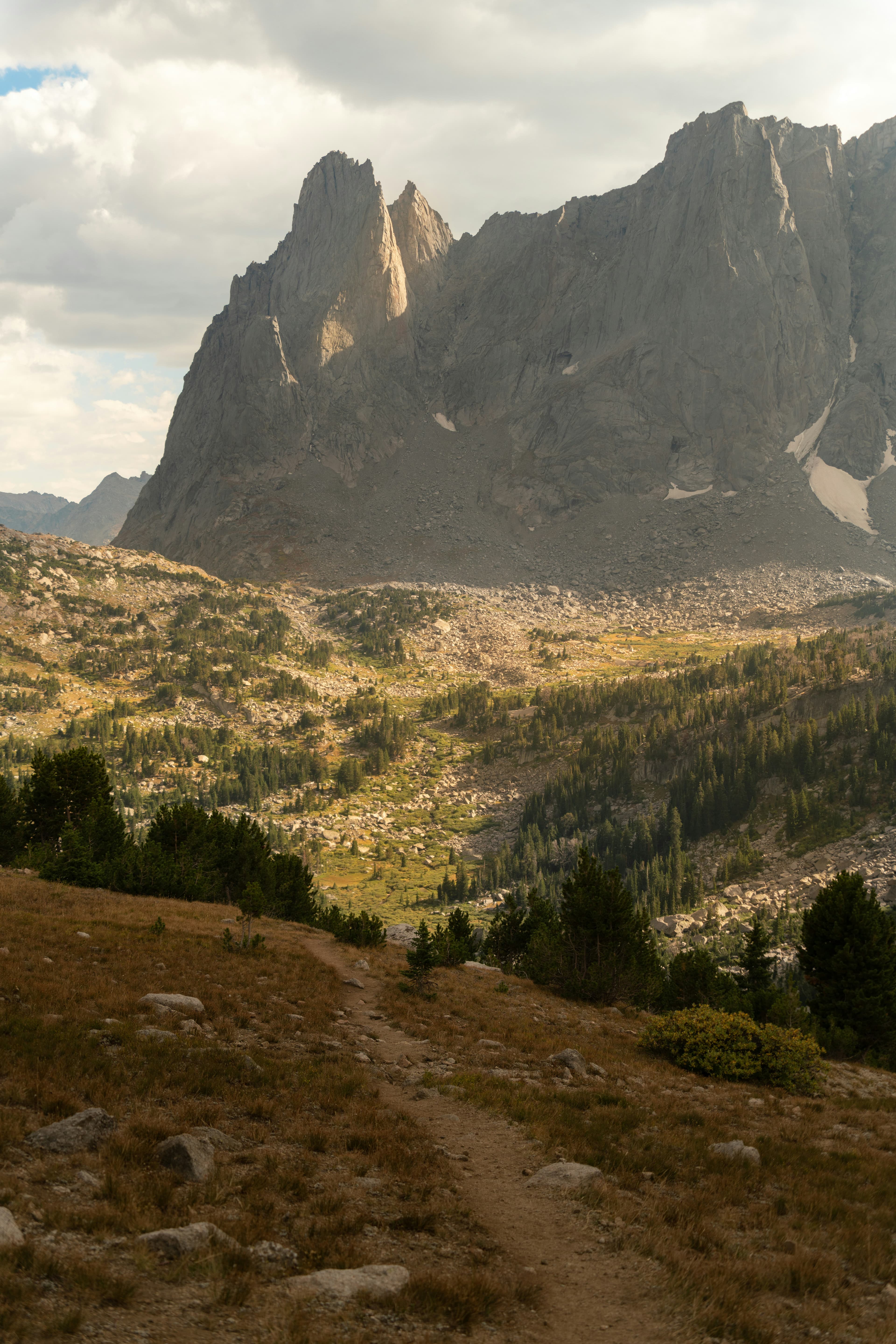
- Unsplash: Rugged mountain peaks with a winding trail below, Wind River Range, Wyoming (Alex Moliski)
The Inside Spread covers hunting, fishing, shooting, and conservation. We will continue tracking this story as new information is released. Learn more at theinsidespread.com/conservation.

Written by
Kenny Flermoen
Kenny Flermoen is the owner and CEO of The Inside Spread. Growing up in the Upper Midwest he spent most of his childhood outside—rain, snow, or shine. He writes about hunting, fishing, and conservation with a focus on public-land access, habitat, and the decisions that shape the future of America's outdoor heritage.
Comments
No comments yet. Be the first to share your thoughts.
More in conservation

NOAA Closed the Commercial Atlantic Bluefin General Category Through November 30
NMFS closed the Atlantic bluefin General category from Oct. 17 through Nov. 30, 2026. It reopens Dec. 1. Recreational angling quota is separate.
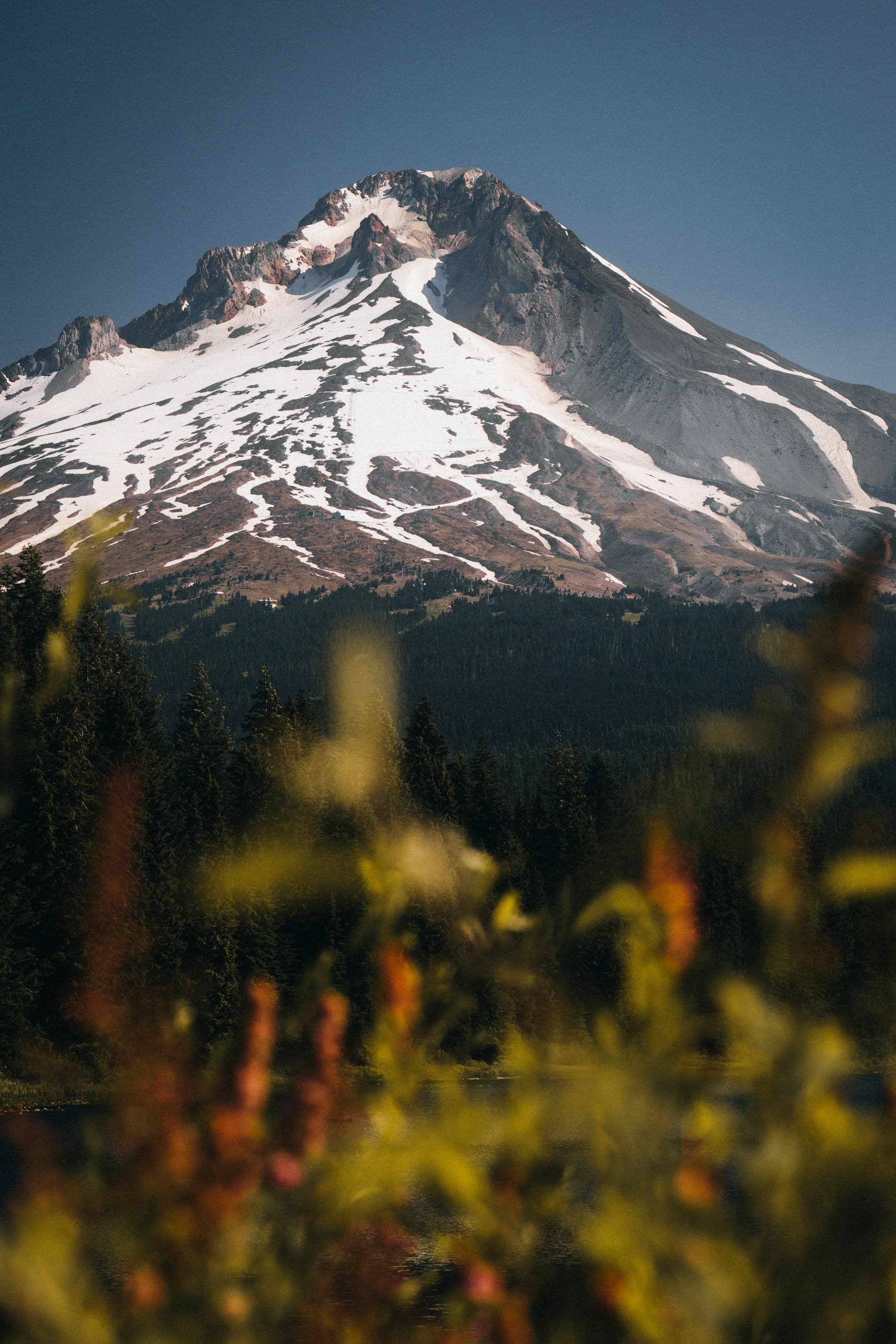
IP28 Is Dead — For Now. Oregon's Hunting and Fishing Ban Fell 13,000 Signatures Short. Here's What Happens Next.
Oregon IP28 failed to qualify for the November 2026 ballot after falling about 13,000 valid signatures short. Here is what happened—and why hunters say the fight is not over.
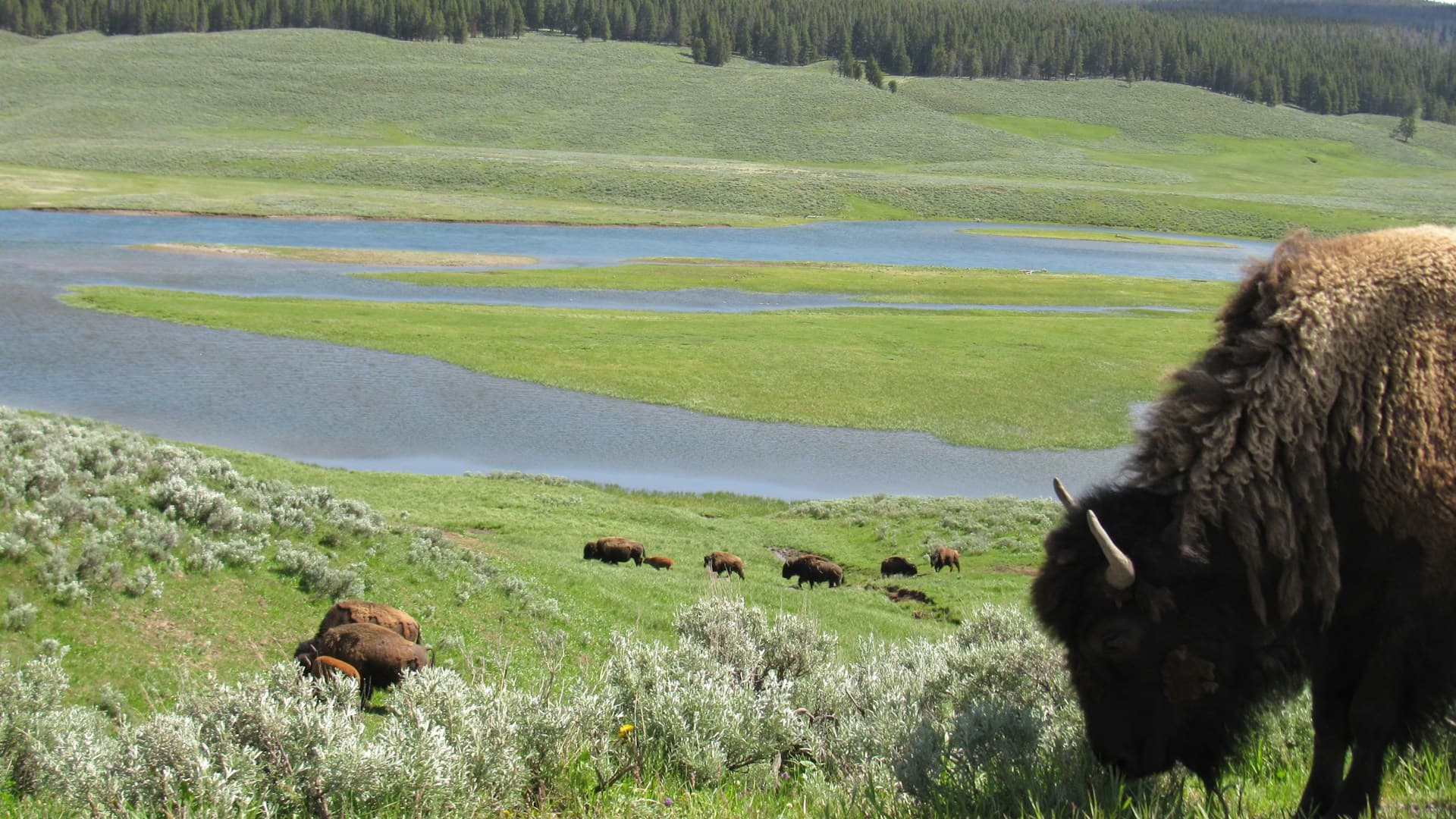
The History of Hunting in America, Part 2: Hunting and Conservation Efforts and Success
How hunters turned crisis into recovery—fair chase, the Lacey Act, Duck Stamp, Pittman-Robertson, and the species comebacks that prove regulated hunting funds conservation.
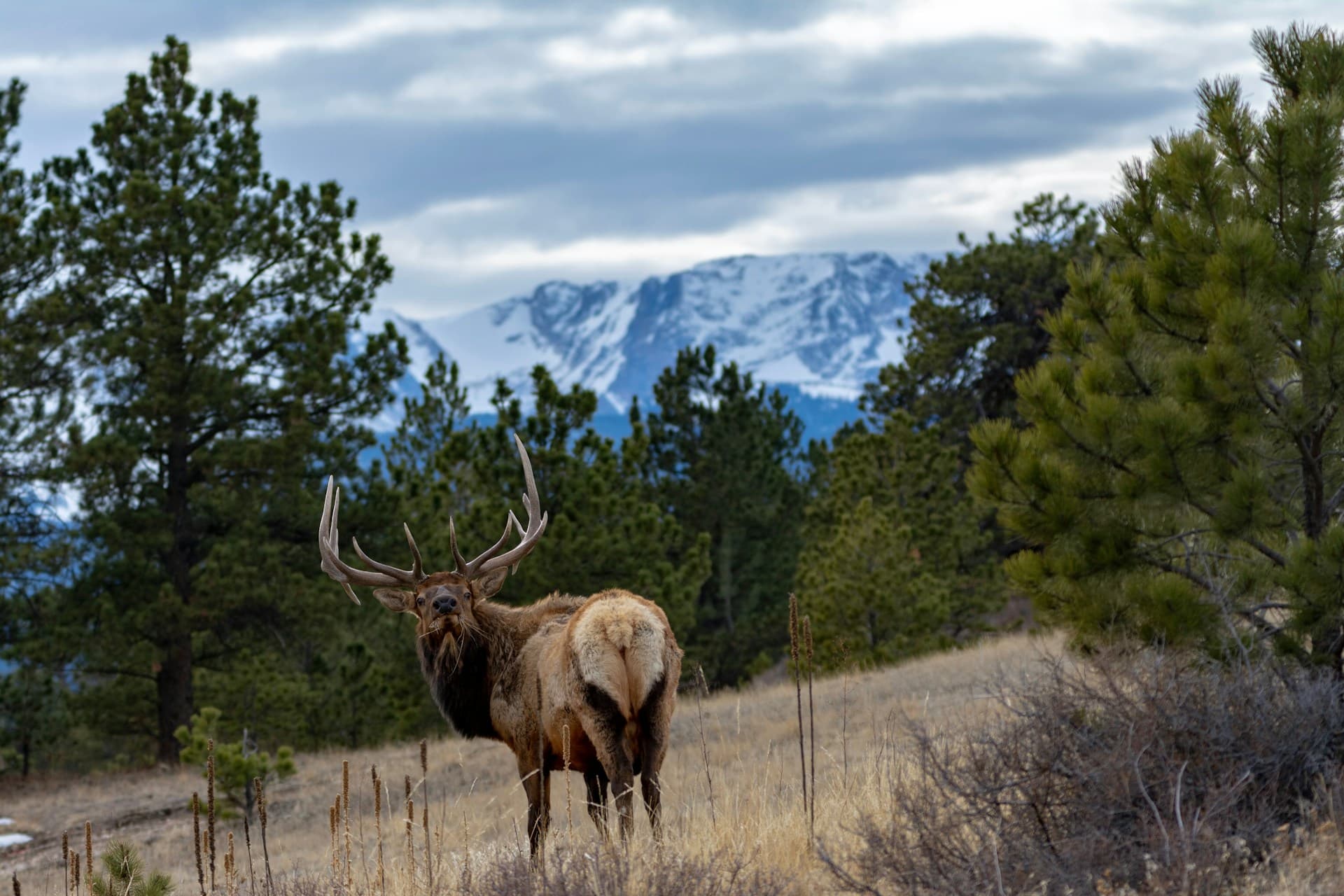
Pittman-Robertson, Licenses, and the Funding Cliff Nobody Wants to Talk About
Pittman-Robertson wildlife funding fell nearly 15% from FY2024 to FY2026. Here is how licenses and excise taxes fund state conservation—and how to strengthen the system without erasing hunters and anglers.