
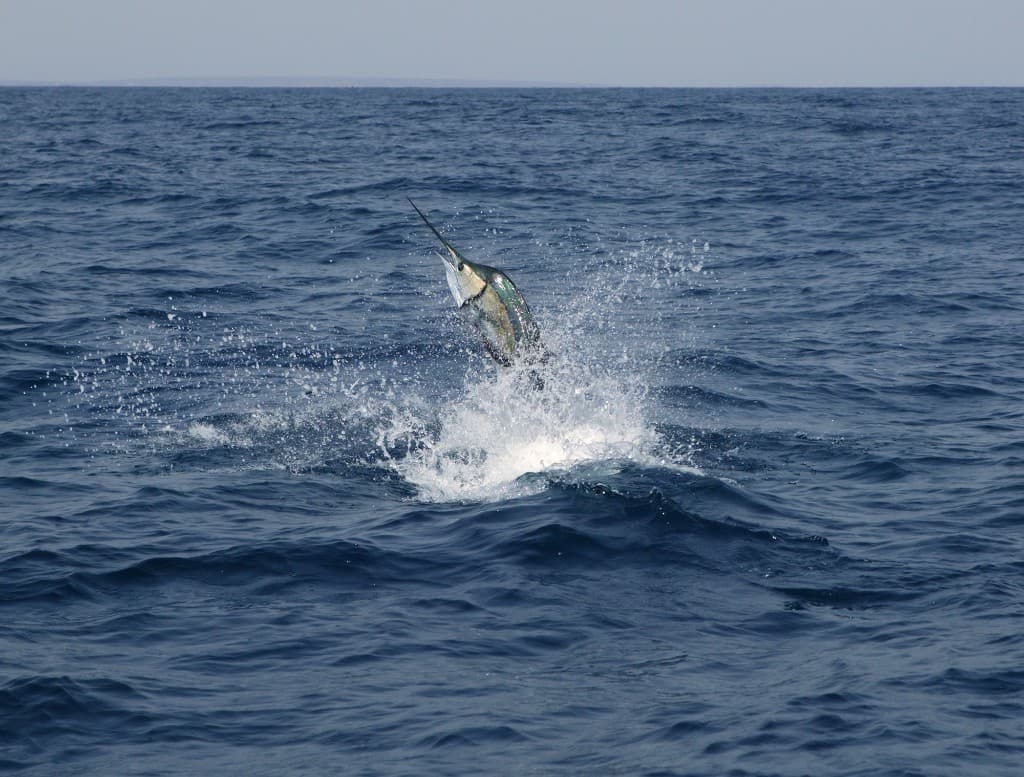
They Caught a $6.5 Million Marlin. Then They Gave It to Science. Here's What Was Found Inside.
Marlin Fever's 919.9-pound Big Rock record marlin held a sailfish and wahoo in its stomach—findings NC State CMAST researchers call unprecedented in 24 years.…
Editor's note: This is a follow-up to our earlier coverage of the 68th Annual Big Rock Blue Marlin Tournament. Read the original story here: Big Rock 2026: An 18-Year-Old Just Caught a 919-Pound Marlin and Could Walk Away With $6.2 Million.
The fish that made Connor Daniel famous took him two hours and twenty-nine minutes to land. It took NC State University researchers about that long to understand why it was the most scientifically interesting blue marlin they had ever put on a dissection table.
Inside the stomach of the 919.9-pound blue marlin that won the 68th Annual Big Rock Blue Marlin Tournament — the fish that set a tournament record, earned an 18-year-old from Wilson County a $6.5 million payout, and drew thousands to the docks at Morehead City — researchers found something they had never seen in more than two decades of doing this.
A sailfish.
A blue marlin that weighed nearly half a ton had eaten another billfish. Not a mackerel, not a mahi, not the squid or puffer fish that show up in marlin stomachs at the Big Rock year after year. A sailfish — a species built for speed, capable of bursts approaching 70 miles per hour, and itself one of the most prized gamefish in the ocean. And in the same fish, in a separate discovery, researchers found a wahoo. Two species that anglers spend entire careers chasing, found inside the stomach of one world-class predator.
"We've seen a sailfish in the biggest fish," said Jeff Buckel, Professor of Applied Ecology at NC State University. "A blue marlin eating another billfish. One of the fish also had a wahoo in its stomach. Those are two unique things that we haven't seen in the last 24 years of looking at Big Rock blue marlin."
Twenty-four years. That's how long NC State has been doing this — stationed at a tent next to Big Rock Landing every June, waiting for the weighmaster to finish, then getting to work on the fish that a few minutes earlier were hanging tail-up over screaming docks. The $6.5 million fish just gave them the most unusual data point of the entire run.
What happens to the fish after the weigh-in — the science partnership nobody talks about
Most people watching the Big Rock weigh-ins see the moment the scale settles, the crowd erupts, the check gets floated. What happens in the hour after that is a different story entirely.
The Big Rock Blue Marlin Tournament has partnered with NC State's Center for Marine Sciences and Technology — CMAST, based in Morehead City — for more than 20 years. Every blue marlin, mahi-mahi, wahoo, and yellowfin tuna brought to the scales is donated to science after the weigh-in. The fish are transferred to a CMAST tent set up directly adjacent to Big Rock Landing, where graduate students and researchers do an immediate field processing — pulling stomachs, collecting tissue samples, taking measurements — before the fish is transported to the lab for deeper analysis.
The partnership has produced a 20-plus-year longitudinal data set on Atlantic blue marlin that doesn't exist anywhere else in the world. Not from tag-and-release programs, not from commercial fisheries data, not from observer programs. The Big Rock's combination of scale — close to 300 game fish processed annually, with blue marlin weighing in annually at competition weights — and geography, sitting at the edge of the Gulf Stream off North Carolina's Crystal Coast, creates a research opportunity that simply cannot be replicated.
"There's no replacement for being in the field and collecting data yourself," said Paul Rudershausen, an applied ecologist at CMAST who leads the dockside research effort alongside Buckel and doctoral candidates including Ryan Tharp. "Our goal is to share our data among other researchers at various geographically disparate institutions to form a powerful, composite picture of how the stocks of any one of these species might be doing."
The tournament's fish — including the record-setting Marlin Fever catch — goes directly into that picture. Every marlin processed at the Big Rock adds a data point to a time series that now spans two decades, tracking diet, size, mercury levels, reproductive biology, and dozens of other biological indicators in one of the Atlantic's most important apex predator species.
What a 919-pound blue marlin's stomach tells you about the ocean
The sailfish discovery is remarkable on multiple levels, and it's worth understanding why.
Blue marlin are apex predators. They are at the top of the open ocean food chain, and their diet reflects it — the standard fare in a marlin stomach at the Big Rock runs to mackerel, squid, small tunas, and other baitfish that school in the Gulf Stream. Puffer fish show up occasionally. Baby swordfish have appeared. These are the kinds of finds that get researchers excited at a normal weigh-in.
A sailfish is something different. Sailfish are not prey species in any conventional sense. They are themselves apex predators — fast, aggressive, built for pursuit. The fact that a blue marlin large enough to nearly touch half a ton was eating a sailfish suggests either an ambush of unusual opportunity or something more deliberate about the predator hierarchy in the waters off North Carolina's shelf edge.
The wahoo in the same fish compounds the picture. Wahoo are themselves fast, toothy predators — the kind of fish that cuts through trolling lures and breaks light leaders. Finding a wahoo inside the same marlin that contained a sailfish paints a portrait of an animal at the absolute pinnacle of the food chain doing exactly what an animal at that pinnacle does.
The scientific value of a 919.9-pound specimen with those specific stomach contents is significant. Most of what researchers know about blue marlin diet comes from smaller individuals — fish in the 200 to 500-pound range that make up the bulk of the Big Rock's weigh-ins. A fish nearly twice the size of a typical Big Rock marlin, with atypical prey species in its stomach, raises questions about whether feeding behavior changes at extreme size that the existing data set has never had a specimen large enough to address.
The 2026 Marlin Fever catch may represent the most scientifically valuable individual specimen the Big Rock has ever produced.
Twenty-four years of data: what researchers have already learned from Big Rock fish
The sailfish discovery is the headline, but the CMAST partnership has been quietly generating scientific value for two decades that goes well beyond any single fish.
Mercury. The finding that probably matters most to anglers who eat their catches: a 2022 study by Rudershausen, Buckel, and their collaborators examined muscle tissue from Big Rock blue marlin collected between 1998 and 2021 and compared it to historical samples from 1975-1978. The study found that mercury concentrations in Atlantic blue marlin, while genuinely high — these are apex predators accumulating contaminants up the food chain — have actually decreased over time compared to the 1970s baseline. It also found that selenium concentrations in blue marlin tissue may substantially offset mercury toxicity in human consumers. For anglers wondering whether a blue marlin steak is safe to eat, this research represents the most rigorous answer available.
Diet and ecosystem health. Stomach content analysis from 20-plus years of Big Rock fish has documented long-term shifts in what blue marlin are eating in the western Atlantic — changes that function as a biological signal about what's happening to bait populations, prey species distribution, and the broader ecosystem downstream of Gulf Stream dynamics. The 2026 stomach contents, with their sailfish and wahoo, become the most extreme data point in that ongoing record.
Size trends. CMAST researchers have tracked changes in the size distribution of Big Rock blue marlin over time. This data has documented whether the average fish weighing in has grown larger, smaller, or held steady — information that informs population health assessments for a species that is genuinely difficult to count through conventional stock assessment methods.
Eye lens research. In the lab at CMAST, researchers study the eye lenses of Big Rock marlin to understand how these fish see — what water temperatures and light levels they hunt most effectively in, how that affects their feeding behavior, and what it tells us about where in the water column they spend their time. It's the kind of research that sounds esoteric until you realize it directly informs the trolling depths, lure colors, and sea surface temperature windows that serious offshore captains use to find fish.
Distribution to other labs. The Big Rock data set doesn't stay at CMAST. Tissue samples from ovaries, liver, stomachs, and muscle go to researchers at institutions in Texas, Florida, and beyond who are working on different aspects of the same species. The Big Rock's geographic position — at the western edge of the Gulf Stream on the Atlantic seaboard — provides samples from a population that complements what researchers in the Gulf of Mexico or the Caribbean are seeing, helping build a composite picture of a species that migrates thousands of miles and crosses multiple management jurisdictions.
The dynasty detail nobody covered: Petrilli father and son
The science story and the tournament story connect through the people on the boat, and there is one crew detail that deserves its own paragraph.
Marlin Fever's mate is Justin Petrilli. He was on the boat when Connor Daniel fought the 919.9-pound fish for two and a half hours. He helped work the fish to the gaff, helped bring it aboard, helped make the run back to Big Rock Landing. And then, after the weigh-in, he helped transfer the fish to the CMAST researchers who would spend the next several days learning more from it than anyone expected.
Justin Petrilli's father, Ed Petrilli, won the Big Rock in 2010 aboard his boat Carnivore.
Two generations. Two Big Rock wins, sixteen years apart. One of them for a tournament record and $6.5 million. The other for the work that goes on after the cameras leave.
The official final results — what the leaderboard settled to
Marlin Fever's 919.9-pound blue marlin proved untouchable through six fishing days. No blue marlin reached the scales on Thursday or Friday as crews burned mandatory lay days and battled heat and wind offshore. Haphazard made the most dramatic late run — fighting a fish for nearly seven hours on the final day of the tournament, bringing it to the scales at 635.6 pounds — but it wasn't close to the record.
The official final payout board for the 68th Annual Big Rock Blue Marlin Tournament:
- Marlin Fever — $6,513,187.50 (heaviest blue marlin + Fabulous Fisherman's Prize)
- Doc Fees — $584,500 (heaviest dolphin, 66.1 lbs)
- Fender Bender — $467,962.50 (second heaviest blue marlin, 644.1 lbs)
- Haphazard — $311,975 (third heaviest blue marlin, 635.6 lbs)
- Wave Paver — $218,987.50
The tournament drew 278 boats, recorded 331 total catches, and paid out 47 money winners from a $9,038,225 total purse — the largest in the event's history. Doc Fees, a 60-foot Ritchie Howell captained by Taylor Pleasant, won the heaviest dolphin division with its 66.1-pound mahi and collected $584,500, including the winner-take-all dolphin jackpot. Watertight, a 57-foot Jarrett Bay captained by Zack Gallaher, took heaviest tuna with a 70.8-pound fish for $15,000. Magic Moment claimed heaviest wahoo with a 53.4-pounder for $15,000.
The results are unofficial pending final certification by tournament officials, per standard Big Rock procedure. As of publication, no discrepancies have been reported from the Reel Time payout board.
Connor Daniel — the 18-year-old who graduated from Greenfield School the week before the tournament and put his name in Big Rock history by spending two hours and twenty-nine minutes in the fighting chair chasing a record that had stood since 2019 — is probably fine with that.
His dad still owes him a hot tub.
Sources
- WCTI12. Big Rock tournament and CMAST research coverage. wcti12.com.
- Wilson Times. Marlin Fever record catch and payout reporting. wilsontimes.com.
- Marlin magazine. Big Rock tournament and billfish coverage. marlinmag.com.
- Reel Time. Official tournament payout board. tournament.thebigrock.com.
- NC State College of Agriculture and Life Sciences. CMAST Big Rock research partnership. cals.ncsu.edu.
- Carolina Coast Online. Crystal Coast fishing and tournament news. carolinacoastonline.com.
- Science of Fishing. 2026 Big Rock tournament recap. scienceoffishing.com.
The Inside Spread covers hunting, fishing, shooting, and conservation. Read our original Big Rock 2026 coverage at theinsidespread.com/fishing/big-rock-919-pound-marlin-connor-daniel-2026.

Written by
Kenny Flermoen
Kenny Flermoen is the owner and CEO of The Inside Spread. Growing up in the Upper Midwest he spent most of his childhood outside—rain, snow, or shine. He writes about hunting, fishing, and conservation with a focus on public-land access, habitat, and the decisions that shape the future of America's outdoor heritage.
Comments
No comments yet. Be the first to share your thoughts.
More in fishing
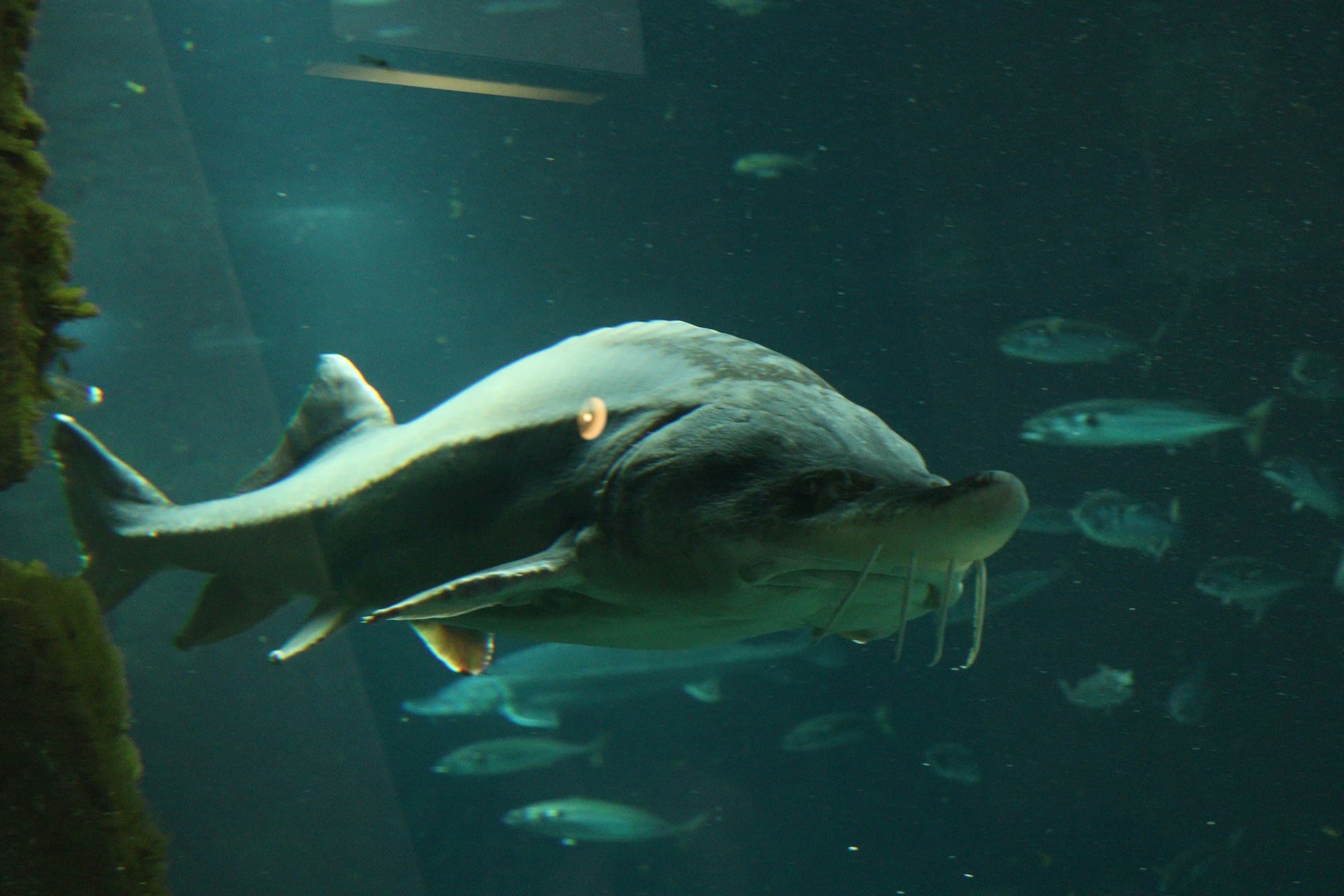
These Idaho Sturgeon Are Older Than the Anglers Chasing Them. Sixteen Just Died, and Fish and Game Had to Act.
Idaho closed sturgeon fishing on part of CJ Strike after 16 white sturgeon died. Closure dates, water-quality causes, and why the population matters.
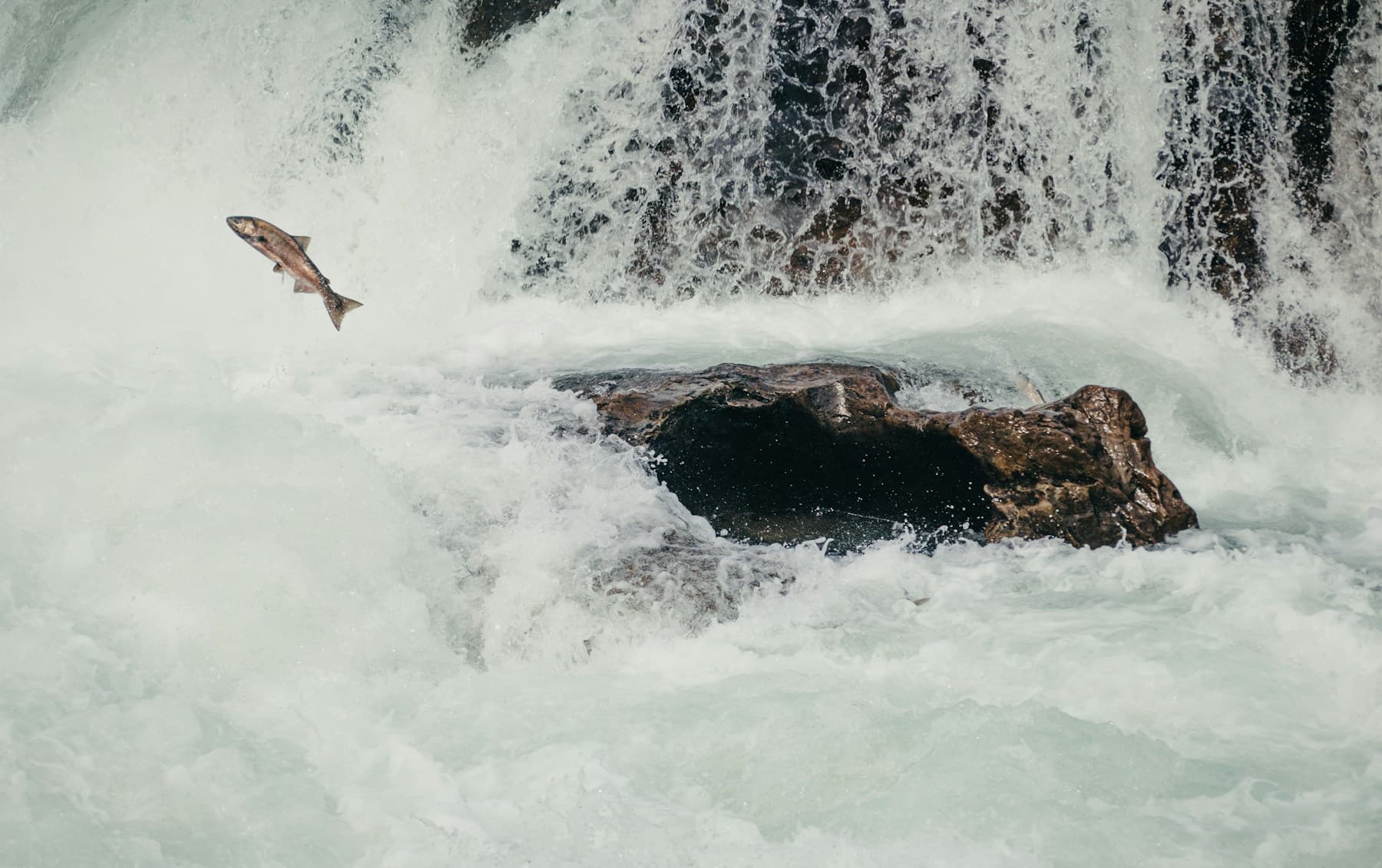
California Salmon Came Back After Three Years Gone. Then Anglers Caught the Season Shut in Weeks.
California salmon fishing returned in 2026, but fast Chinook catches closed the Klamath zone and shortened Fort Bragg. Here is what anglers need to know.
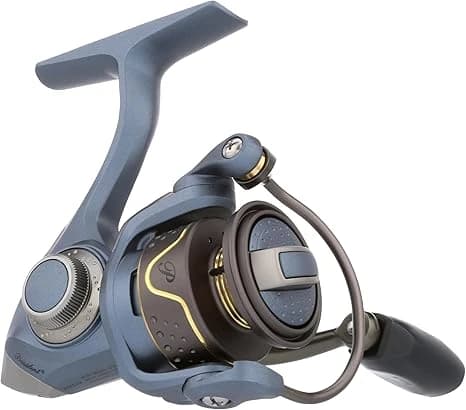
Best Spinning Reels Under $100: Top Budget Picks for 2026
Best spinning reels under $100 for 2026—Daiwa Exceler LT, Pflueger President XT, Penn Pursuit IV, Shimano Sedona FJ, and Daiwa Crossfire LT for bass, trout, and light salt.
An 18-Year-Old Just Caught a 919-Pound Marlin and Could Walk Away With $6.2 Million. Here's the Full Story.
Connor Daniel hooked a 919.9-pound blue marlin aboard Marlin Fever at the 2026 Big Rock Tournament—breaking the 68-year record and chasing a projected $6.2M payout. Full story, leaderboard, and FAQ.