
You've scouted your stand locations, tuned your bow, and zeroed your rifle. But here's the million-dollar question every whitetail hunter asks: when should…
You've scouted your stand locations, tuned your bow, and zeroed your rifle. But here's the million-dollar question every whitetail hunter asks: when should you actually be in the woods?
Why Timing Matters More Than You Think
However, weather and moon phases influence daytime movement, which is what matters most to hunters. A buck might be in peak breeding mode, but if he's only moving at 2 AM, you're not filling your tag.
The 2025 Whitetail Rut Calendar: When Bucks Are Most Active
Pre-Rut (October 21-November 5, 2025)
What's happening: Bucks are establishing dominance, making scrapes, and starting to seek does. Testosterone levels are rising, but does aren't receptive yet.
Best days to hunt: October 25-27 and November 1-4
Why these dates: The final week of October and first few days of November mark the transition phase when bucks dramatically increase daytime movement. They're checking scrape lines, sparring with rivals, and covering ground looking for the first receptive does.
Where to hunt: Focus on scrape lines, rub corridors, and transition zones between bedding and feeding areas. Bucks are cruising these areas throughout the day.
How to hunt: Aggressive calling and rattling work well during this phase. Bucks are looking for fights and receptive does. Set up near fresh scrapes and be ready all day—mid-day movement increases significantly. Make sure you have your essential hunting gear dialed in before these critical days arrive.
Peak Rut (November 6-16, 2025)
What's happening: Does are entering estrus, and bucks are in full breeding mode. This is the most intense period of whitetail activity all year.
Best days to hunt: November 7-11 (absolute prime window)
Why these dates: According to Deer & Deer Hunting magazine's research across multiple states, the peak breeding typically occurs November 8-12 in most northern and midwestern states. During this window, mature bucks throw caution to the wind, moving at all hours searching for or tending does.
Where to hunt: Doe bedding areas, funnels between bedding zones, and any pinch points where deer must travel. Bucks are covering massive amounts of ground and will show up anywhere does are located.
How to hunt: All-day sits are critical during peak rut. Bucks can appear at any time. Use doe estrus scents and soft doe bleats. Rattling becomes less effective as bucks are focused on does, not fighting. Your bow hunting equipment needs to be field-ready—you won't have time for adjustments when a mature buck appears.
Who should hunt: This is the window for trophy hunters targeting mature bucks. Even the oldest, most cautious bucks make mistakes during this phase.
Post-Rut (November 17-30, 2025)
What's happening: Most does have been bred, and bucks are exhausted. Activity drops significantly, but bucks are still searching for any remaining unbred does.
Best days to hunt: November 20-23 and November 27-29
Why these dates: These windows coincide with potential cold fronts (see weather section below) and represent the tail end of breeding activity. Bucks need to feed heavily to recover body condition lost during the rut.
Where to hunt: Food sources become critical again. Focus on standing crops, oak flats with acorns, and high-energy food plots. If you've been implementing food plot strategies, this is when your preparation pays off. Bucks will visit these areas to rebuild fat reserves.
How to hunt: Morning and evening hunts near food sources. Mid-day activity drops off significantly. Calling is less effective; focus on ambush hunting near preferred food sources.
Late Season/Second Rut (December 1-15, 2025)
What's happening: A secondary rut occurs as doe fawns reach breeding age and any unbred adult does cycle back into estrus. Activity is less intense than peak rut but can produce excellent hunting.
Best days to hunt: December 5-9
Why these dates: This represents the peak of the secondary rut, typically occurring 28 days after the primary peak. According to research from Mississippi State University Deer Lab, this cycle is predictable and often overlooked by hunters.
Where to hunt: Food sources in cold weather, especially during afternoon hunts. Your high-energy food sources become magnets during this period. Bucks are patternable again as they focus on feeding and conserving energy.
How to hunt: Bundle up and hunt food sources during the warmest part of the day (10 AM – 3 PM). Deer movement in extreme cold often peaks mid-day when temperatures rise slightly.

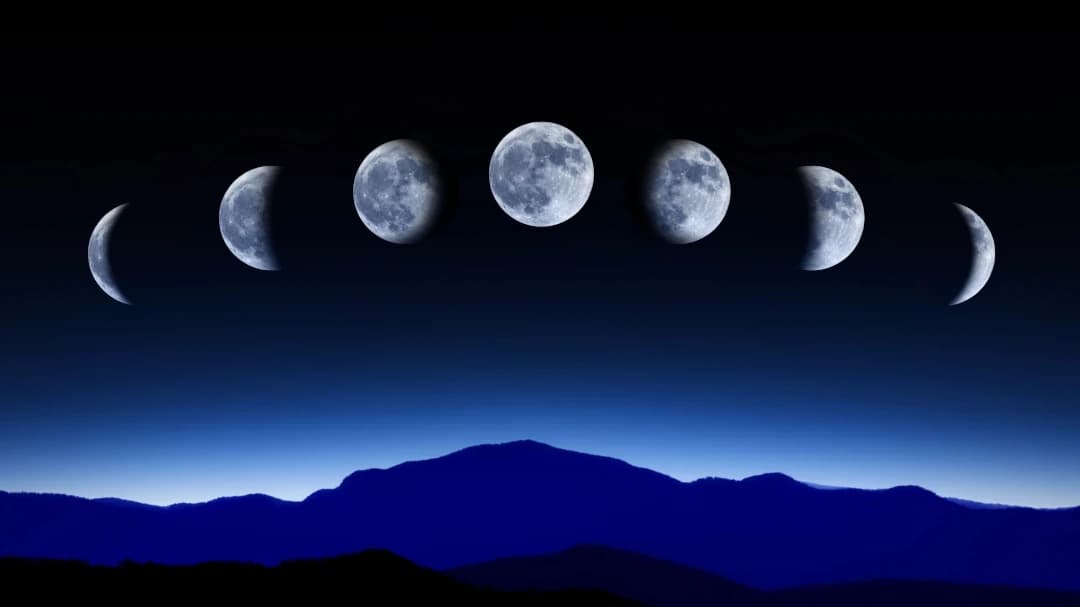
Moon Phases and Deer Movement in 2025
The moon phase debate is endless in hunting camps, but here's what the data actually shows: moon phases don't trigger the rut, but they do influence movement timing.
Key Moon Dates for Late 2025:
- New Moon: November 1, 2025
- Full Moon: November 15, 2025
- New Moon: December 1, 2025
- Full Moon: December 15, 2025
The hunting strategy: Many hunters report better daytime movement during new moon phases and the days immediately following. The theory is that reduced nighttime visibility causes deer to extend feeding and movement into daylight hours.
The November 1 new moon coincides perfectly with the late pre-rut, potentially increasing daytime buck movement during an already active period. However, the November 15 full moon falls during peak rut when bucks are moving regardless of moon phase.
Bottom line: Don't skip a hunt because of moon phase, but if you can only hunt a few days, target the new moon periods in early November and early December.
Weather Patterns: The Real Game-Changer
If you want to predict the absolute best hunting days, watch the weather forecast more than the calendar. Here's what triggers increased deer movement:
Temperature Drops
The trigger: A sudden temperature drop of 10-15 degrees, especially if it brings the high temperature into the 40s or below.
Why it works: Cooler temperatures increase deer comfort during daylight hours and trigger increased feeding activity. Bucks are more willing to move during daylight when they're not overheated.
Best scenario for late 2025: Watch for cold fronts in early November (pre-rut) and late November (post-rut recovery feeding). These fronts can create 2-3 day windows of exceptional hunting.
Barometric Pressure
The trigger: Rising or high barometric pressure (30.00+ inches) following a front.
Why it works: Deer sense pressure changes and often increase feeding before and immediately after fronts pass. The 24-48 hours following a cold front with high, stable pressure are prime time.
Wind Conditions
The sweet spot: 5-15 mph winds from a consistent direction.
Why it works: Light to moderate winds provide deer with security (they can't hear as well, so they rely more on sight and smell, making them move more to check their surroundings). Avoid hunting in winds over 20 mph—deer movement drops significantly.
Precipitation
The pattern: Light rain or snow can be excellent; heavy precipitation shuts down movement.
Why it works: Light precipitation provides cover noise and scent control advantages for deer, making them more comfortable moving. However, the day immediately after a storm system passes often produces the best hunting as deer emerge hungry.
Regional Variations: Where You Hunt Matters
The dates above apply primarily to the northern and midwestern United States (roughly the 40th parallel and north). If you're hunting in different regions, adjust accordingly:
Northern States (Minnesota, Wisconsin, Michigan, Maine)
- Peak rut: November 7-12, 2025
- Best overall days: November 8-11 (peak rut window)
Midwest (Iowa, Illinois, Missouri, Kansas, Ohio)
- Peak rut: November 8-14, 2025
- Best overall days: November 9-13 (peak rut window)
Mid-South (Tennessee, Kentucky, Arkansas, Oklahoma)

- Peak rut: November 10-18, 2025
- Best overall days: November 12-16 (slightly later peak)
Deep South (Alabama, Mississippi, Louisiana, Georgia)
- Peak rut: December 15-January 15, 2026
- Best days remaining in 2025: December 20-31 (entering peak southern rut)
Texas
- Peak rut: Highly variable by region; South Texas peaks in December, North Texas in November
- Best approach: Consult local biologists or experienced hunters for your specific county
The Absolute Best Days to Hunt in 2025 (Summary)
If you can only hunt a handful of days this season, here are your top choices based on rut timing, moon phases, and typical weather patterns:
- November 7-11, 2025 – Peak rut window, maximum buck movement
- November 1-4, 2025 – Late pre-rut, new moon, bucks cruising hard
- December 5-9, 2025 – Second rut peak, often overlooked by other hunters
- November 20-23, 2025 – Post-rut feeding, potential cold front
- October 25-27, 2025 – Pre-rut transition, bucks establishing dominance
Frequently Asked Questions
What time of day should I hunt during the rut?
During peak rut (November 7-16), hunt all day if possible. Bucks are moving at all hours. During pre-rut and post-rut, focus on first and last light, but don't discount mid-morning (9-11 AM) when bucks are returning to bedding areas.
Does the rut happen at the same time every year?
Yes, within a few days. The rut is triggered by photoperiod (day length), which is consistent year to year. In most northern states, peak breeding occurs November 8-14 regardless of weather or moon phase.
Should I hunt during a full moon?
Yes, especially during the rut. While some hunters believe full moons decrease daytime movement, bucks in breeding mode will move regardless of moon phase. Don't skip a hunt during peak rut because of a full moon.
What's the best weather for deer hunting?
Cold, calm mornings following a cold front, with temperatures in the 30s-40s and barometric pressure above 30.00 inches. Light winds (5-10 mph) from a consistent direction are ideal.
How do I know when the rut is happening in my area?
Contact your state wildlife agency or check with local deer biologists. Many states publish rut timing data. You can also monitor trail cameras for increased buck movement and scraping activity as indicators.
Is the second rut worth hunting?
Absolutely. While less intense than the primary rut, the second rut (early December) can produce excellent hunting, especially in areas with healthy doe fawn populations. Hunting pressure is typically much lower, and mature bucks are still searching for receptive does.
Your Action Plan for the Rest of 2025
Here's how to make the most of the remaining season:
This week (Late October): Hunt scrape lines and transition areas. Bucks are ramping up activity. Use aggressive calling and rattling. If you haven't already, review our guide on how to prepare for deer season to ensure you're ready for the intense weeks ahead.
November 7-16: Clear your calendar. This is your best opportunity all year. Hunt all day, focus on doe bedding areas and funnels, and be ready for anything.
Late November: Target food sources during cold weather. Morning and evening hunts near high-energy foods.
Early December: Don't give up. The second rut can be excellent, especially December 5-9. Hunt food sources during the warmest part of the day.
Remember: the best day to hunt is the day you can actually be in the woods. These dates give you the highest probability of success, but whitetails can surprise you any day of the season. Stay persistent, hunt smart, and trust your preparation.
Now get out there and make it happen. Your best buck is waiting.
Written by
The Inside Spread Team
Contributing writer at The Inside Spread. Passionate about sharing hunting knowledge and conservation efforts.
Comments
No comments yet. Be the first to share your thoughts.
More in hunting
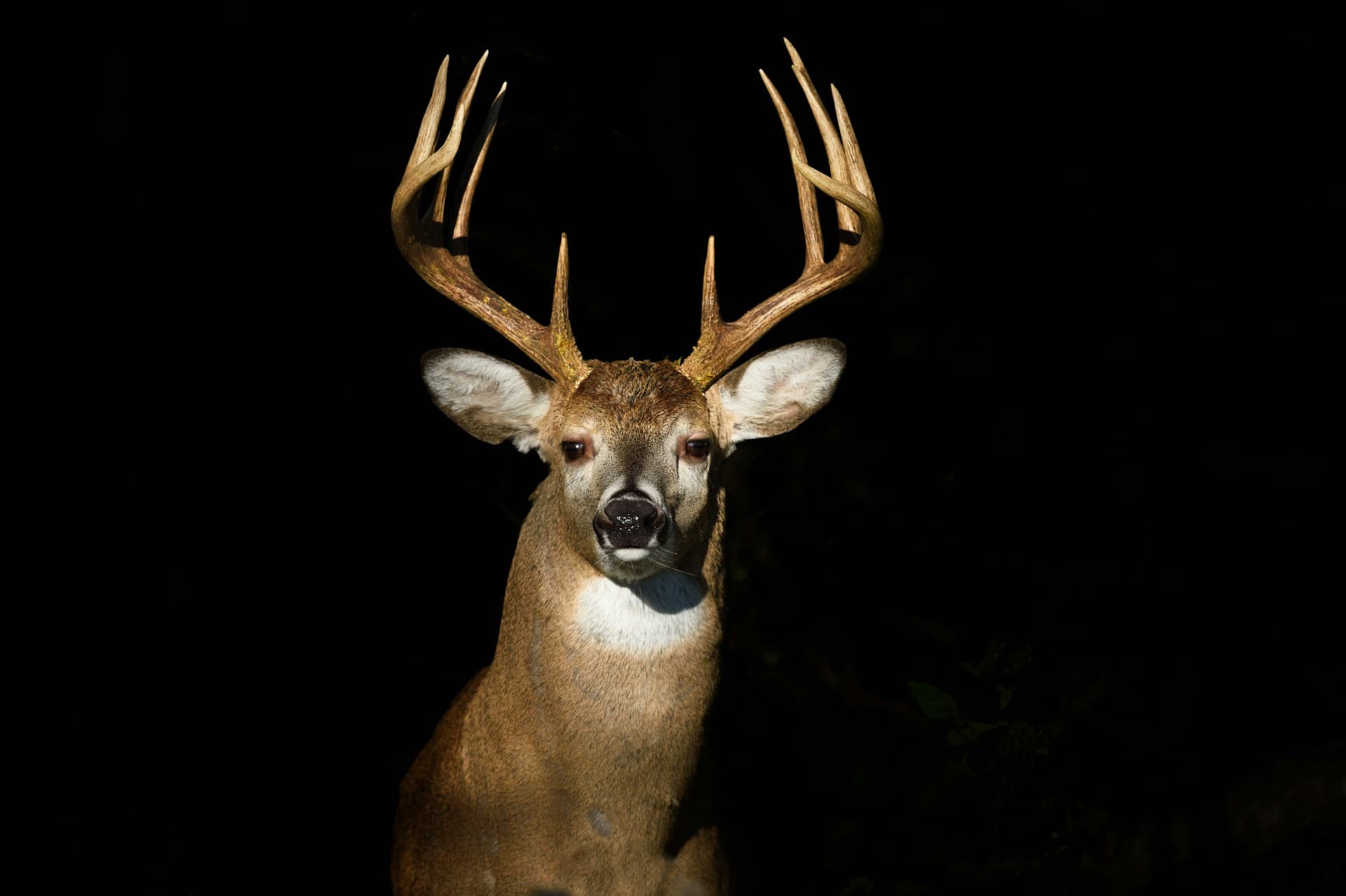
Pre-Rut Whitetail Guide: How to Hunt Bucks Right as They Go On Their Feet
A complete pre-rut whitetail guide covering scrape lines, rub lines, scent-checking behavior, rattling tactics, and how to adjust your setup as bucks shift off food and onto their feet in October.
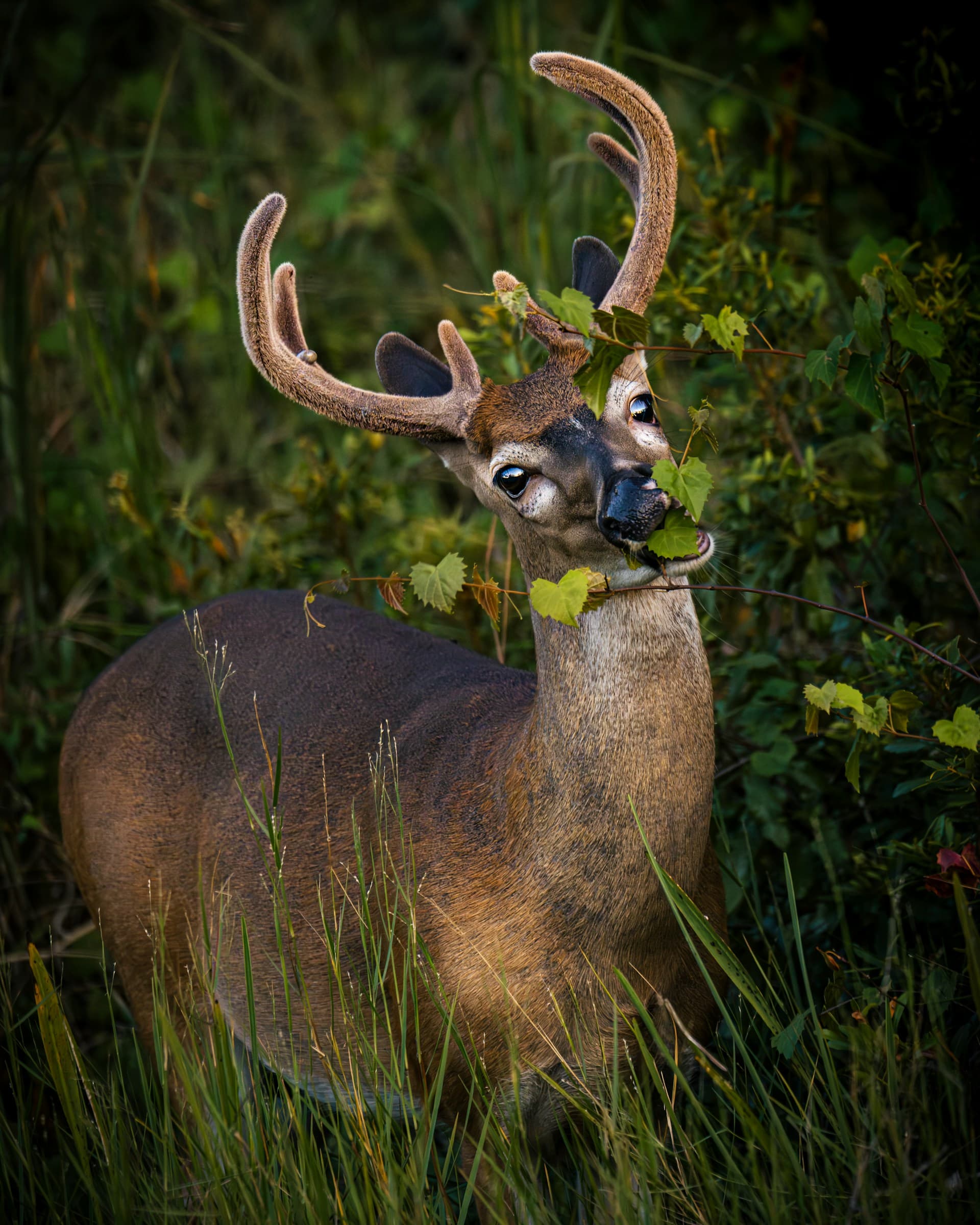
Early Season Whitetail Guide: What Deer Are Doing Right Now (And How to Cash In Before the Rut)
A complete early season whitetail guide covering deer behavior, food source patterns, buck sighting tactics, and the best time to harvest a doe before the rut kicks in.
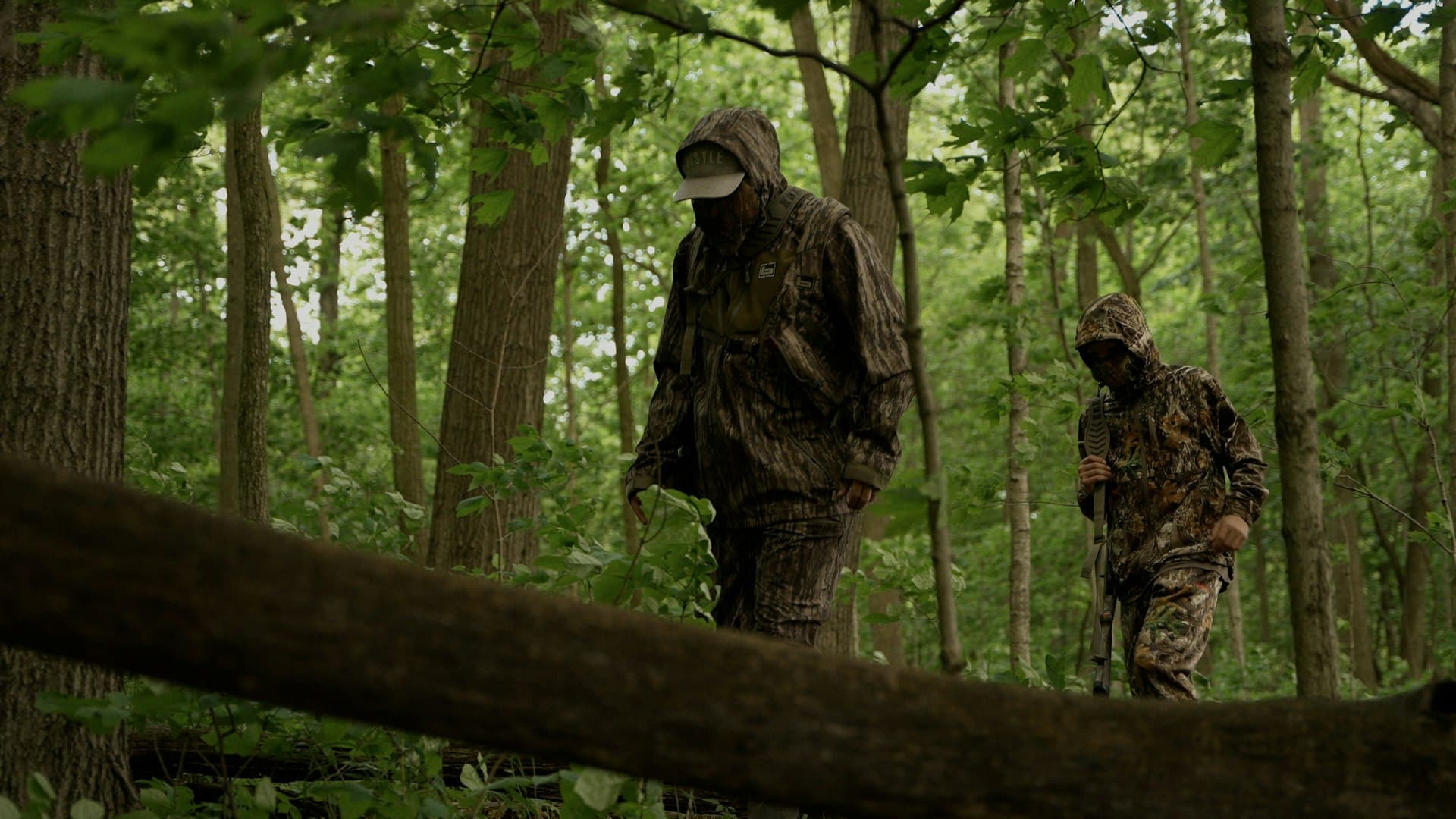
What to Look for When Walking Hunting Land for the First Time
On the first walk of hunting land, look past acreage. Judge food, water, cover, and neighboring properties the way deer actually use the landscape.
Best Trail Camera Deals This Week: Cellular Cameras, Feeders & Bows Worth Buying
This week's Academy Sports hot deals—cellular trail cameras, feeders, and archery gear worth buying, plus a few we'd skip.