
Early Season Whitetail Guide: What Deer Are Doing Right Now (And How to Cash In Before the Rut)
A complete early season whitetail guide covering deer behavior, food source patterns, buck sighting tactics, and the best time to harvest a doe before the rut…
This is Part 1 of The Whitetail Almanac, our season-long series tracking deer behavior and hunting strategy from early season through post-rut. Part 2 (Pre-Rut) publishes in mid-October.
Elk bow season is wrapping up across the Rockies, hunters are packing out of backcountry camps out West, and by now most of the country has already had at least a week or two of deer season under its belt. This is the calm before the storm — the stretch of hunting season most hunters either overlook completely or badly misplay, and it's costing them opportunities they won't get back once November chaos sets in.
Right now, whitetails across most of the country are still living on a summer clock. They haven't panicked yet. They're predictable in a way they will never be again once October ends. If you know what they're actually doing this time of year, this is one of the easiest windows all season to put a tag on a deer — buck or doe.
Here's exactly what's happening in the woods right now, and how to use it.
What deer are actually doing in late September and early October
Whitetail behavior right now is governed by one thing above all else: food. Bucks are wrapping up antler growth, does are finishing out summer in good body condition, and neither sex has any real reason to move far from a tight, predictable circuit of bedding, water, and feed.
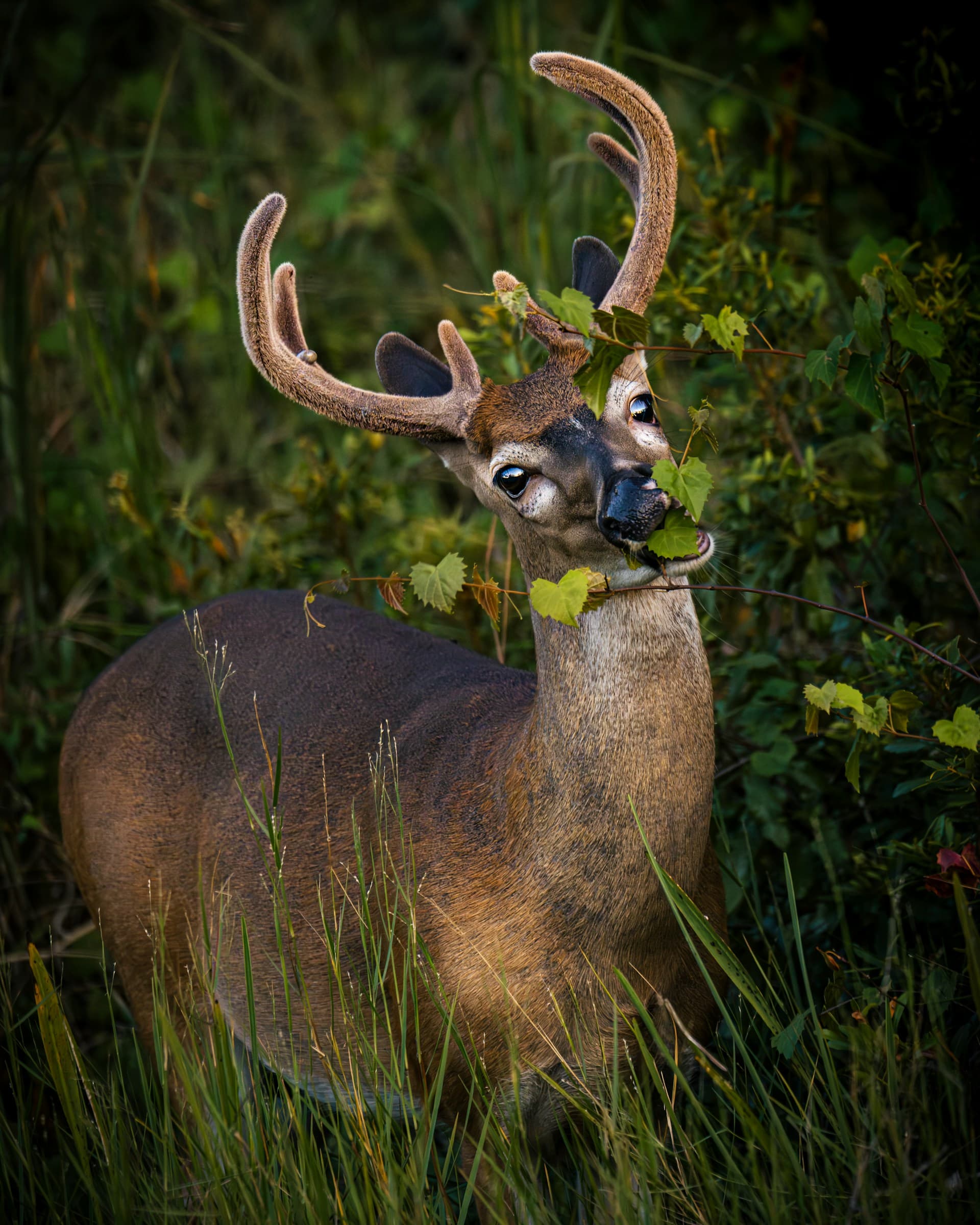
Bucks are typically still traveling in bachelor groups this time of year, or are just beginning to break apart from them. It's not unusual to see several bucks — sometimes five, six, even seven — feeding together in the same field at last light. That group dynamic disappears completely once the rut arrives, so this is a limited window to pattern more than one shooter buck off the same food source at the same time.
Deer activity overall is running at a relatively low ebb compared to what's coming. Warm early-fall temperatures keep whitetails bedded during the heat of the day, and movement compresses hard into the first and last hour of daylight. Evening sits generally outproduce mornings during this stretch, because deer that fed at dusk the night before don't have far to travel back to the same food source the following evening — and because the deer educated by an early morning encounter often go nocturnal for days afterward.
Bucks are also actively rebuilding body mass right now, adding as much as 25 percent of their body weight during September and October alone. That single fact should shape everything about how you hunt this period: food source, food source, food source.
Reading the food source shift: your single biggest advantage right now
This early in the season, deer are on the most reliable, predictable pattern they will run all year — and it's built entirely around whatever food is most calorie-dense and most available.
In most of the country, that means agricultural fields (soybeans, corn, alfalfa, winter wheat) and the first mast crops of the year — acorns and soft mast like persimmons and crabapples where they're available. Whichever of these food sources is most abundant and accessible in your area right now is very likely the single best piece of real estate you can hunt.
This is also the stretch of the season where the so-called "October lull" starts to build, and it's worth understanding now so it doesn't blindside you in a few weeks. The lull isn't deer going nocturnal for no reason — it's deer keying in on a new mast crop, usually white oak acorns, and abandoning the agricultural fields and green plots they'd been hammering in September almost overnight. Hunters who don't notice the shift keep sitting the same field stand for days, wondering where all the deer went, while the herd has quietly relocated a few hundred yards into a ridge full of dropping acorns.
The fix is simple but requires actual boots-on-the-ground scouting: check for fresh acorns on the ground under white oaks in your area starting now, and be ready to shift stands the moment you find a hot mast crop. Deer will abandon a bean field for a good acorn flat almost every time.
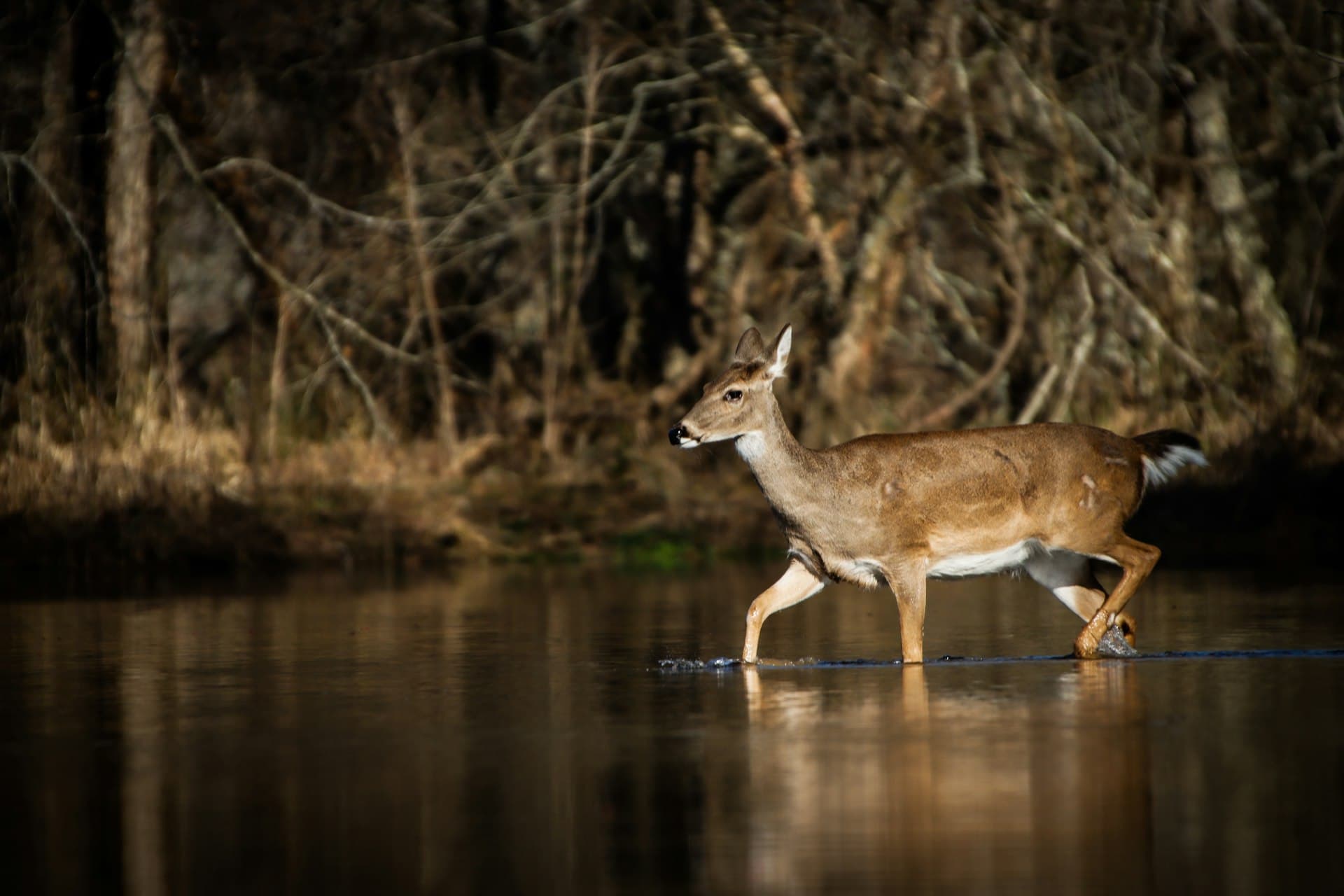
Water matters more right now than it will most of the rest of the season, too. In warm early-fall weather, deer are watering more frequently, especially in the morning and evening. A stand near a pond, stream, or seep that also has good bedding nearby is a genuinely underrated early-season setup.
How to actually increase your odds of seeing a buck right now
A few specific, high-leverage tactics for this stretch of the season:
Hunt evenings over mornings. Deer activity is heavily weighted toward the last two hours of daylight during this period, driven largely by warm temperatures keeping deer bedded through the heat of the day. If you can only hunt a handful of sits before things get busy at home or work, prioritize evenings right now.
Scout from a distance, not from the stand. The single fastest way to blow up an early-season pattern is walking into a bedding area or a hot food source to "check things out." Glass fields from the truck or a distant ridge with binoculars, and lean hard on trail camera data rather than boots-on-the-ground scouting in the areas you actually intend to hunt.
Enter and exit clean. Bachelor group bucks and unpressured does in September and early October are more tolerant of minor mistakes than they will be in three weeks, but a single bad encounter — busting deer on your way in, leaving scent across a trail — can still push a mature buck nocturnal for the rest of the season. Treat every sit like it's your only shot at that specific deer, because in a lot of cases, it is.
Track the mast crop, not just the ag fields. As covered above, the hunter who notices the acorn shift first gets a week or two of essentially unpressured deer on a brand-new food source, while everyone else keeps beating a dead field.
Don't sleep on midday sits near bedding-to-water routes. With temperatures still warm in most of the country, deer are making short daytime movements to water that a lot of hunters completely ignore because they're not "prime time" sits. A stand tucked between a bedding area and a water source can produce midday movement other hunters are missing entirely.
When to harvest a doe: why right now might be the best window of the whole season
If venison in the freezer is part of your goal this year — and for most hunters, it is — the early season deserves serious consideration as your best window to fill a doe tag, for two completely different reasons: deer behavior and meat quality.
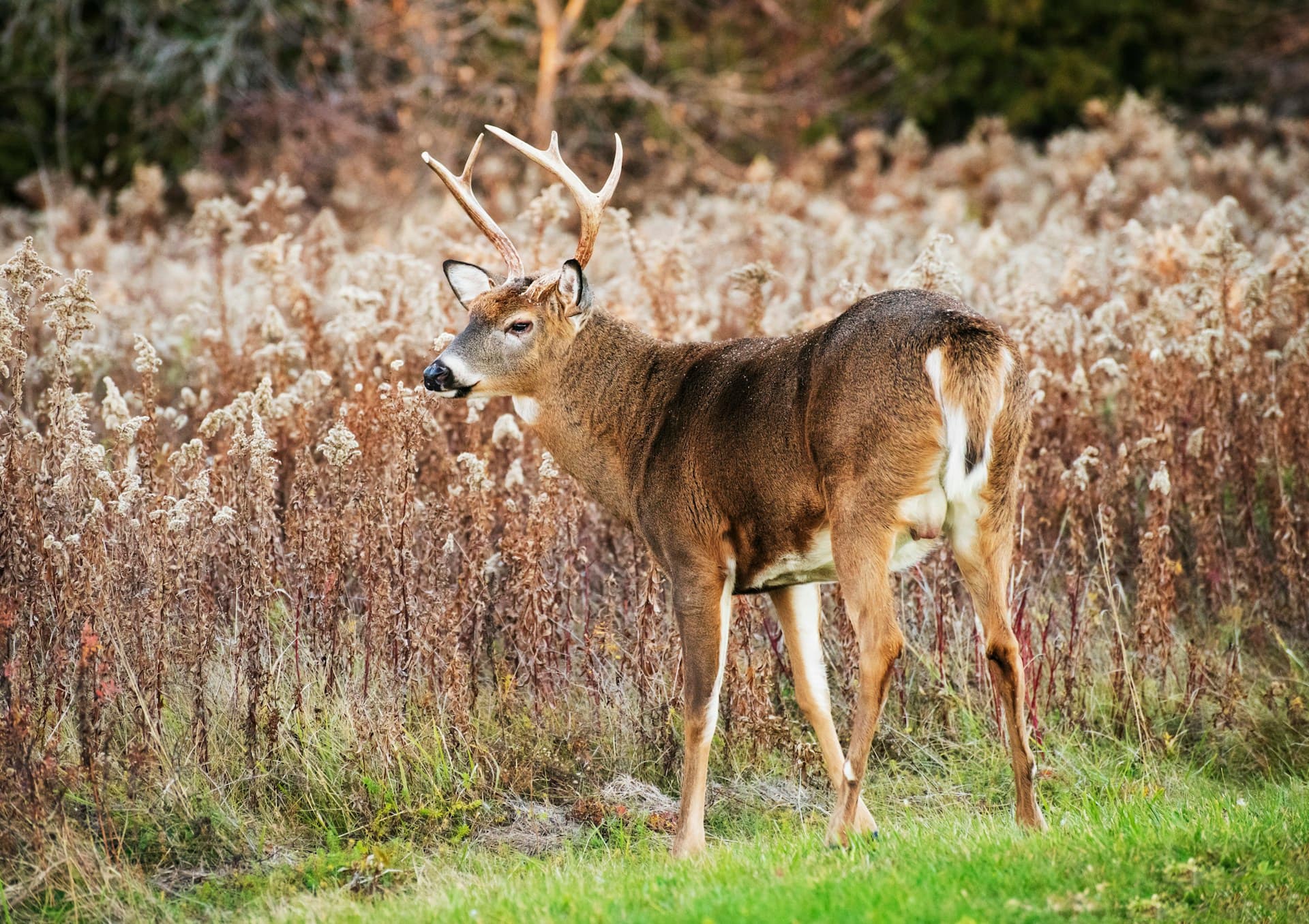
The behavioral case for an early doe. Right now, does are relatively relaxed, moving on predictable patterns, and haven't been pushed around by hunting pressure yet. That combination makes them considerably easier to pattern and harvest cleanly than they will be in a month, once increased hunting pressure and the first stirrings of pre-rut activity put every deer on higher alert. If your goal is simply putting meat in the freezer with the least amount of complication, an early-season sit over a hot food source is about as good as it gets all year.
There's also a herd management case for taking does early rather than waiting. Button bucks are still noticeably small relative to adult does in September, which makes them much easier to correctly identify and avoid at a distance — a real practical advantage for hunters who want to be certain of what they're shooting before they release an arrow or squeeze a trigger. That identification gets harder as fawns grow through October and November.
The meat quality case is even stronger. This is the argument serious venison hunters make every year, and it holds up: deer taken in the early season simply eat better than deer taken during or after the rut. During September and early October, deer have spent the summer on a stable, high-quality diet and haven't yet burned through their fat reserves chasing or evading breeding activity. The result is meat carrying less of the bitter tallow that builds up later in the season, with a milder, cleaner flavor overall.
Deer harvested during the rut, by contrast, are running hot on stress hormones and adrenaline, particularly bucks that have been actively chasing, fighting, or being chased for days at a time — and hunters and processors alike widely report a stronger, gamier flavor in rut-taken deer as a result. A mature buck taken at the peak of the chase phase, worn down and full of stress hormones, is simply not going to eat as well as the same animal would have in September, regardless of how skilled the person handling and processing the meat.
None of this means you shouldn't take a doe later in the season if that's when your best opportunity comes — deer harvested any time of year with clean shot placement and prompt field care can still make excellent table fare, and plenty of hunters successfully fill their freezer in November and December every year. But if you're deciding when to prioritize a doe tag and have flexibility in your schedule, the case for doing it now — both for ease of harvest and for the quality of what ends up in your freezer — is a strong one.
One tactical note on timing your doe harvest within a hunt: if you're bowhunting a field edge in the evening hoping a buck might also show, consider taking your doe early in the sit rather than waiting until last light. A doe herd hanging in a field for the last twenty minutes of shooting light can be exactly what pulls a cruising buck into range — take her too late, and you may spook the whole group before a buck ever commits.
What's coming next: the pre-rut shift
Everything described above has a shelf life. Starting in mid-to-late October across most of the country, this predictable, food-driven pattern begins to break down as bucks shift into pre-rut behavior — increased daylight movement, the first serious scrape lines and rub lines of the season, and the start of scent-checking doe bedding areas. Bachelor groups that have been feeding together for months will split apart for good.
That's a different hunt requiring a different strategy, and we'll cover it in full in Part 2 of this series. For now, the window you're in is short and genuinely productive if you play it right: find the food, minimize your intrusion, hunt evenings, and don't be afraid to fill a doe tag while the getting's easy and the meat is at its best.
Frequently Asked Questions About Early Season Whitetail Hunting
What are deer doing in late September and early October? Whitetails are still on a summer pattern driven almost entirely by food. Bucks are in or just breaking out of bachelor groups, both sexes are bedding through the heat of the day, and movement is concentrated in the first and last hour of daylight. Bucks are also actively adding body weight, gaining up to 25 percent of their mass during September and October as they build reserves ahead of the rut.
Should I hunt mornings or evenings during the early season? Evenings generally outproduce mornings during this period. Warm early-fall temperatures keep deer bedded through the day, and deer movement is heavily concentrated in the last two hours of daylight as animals move from bedding to feed.
What is the "October lull" and when does it happen? The October lull refers to a period, usually in mid-October across the northern half of the country and later in the South, when deer sightings on agricultural fields and food plots appear to drop off suddenly. It isn't deer disappearing — it's deer shifting onto a newly available mast crop, most commonly white oak acorns, and abandoning the food sources they'd been using through September almost overnight.
When is the best time to harvest a doe for meat quality? Many experienced hunters and processors consider the early season — roughly mid-September through mid-October — the best window for doe harvest from a meat quality standpoint. Deer taken during this period have spent the summer on a stable diet and haven't burned through fat reserves or been affected by the stress hormones associated with rut activity, generally producing a milder-tasting, less gamey final product than deer taken during or immediately after the rut.
Does rut-harvested venison really taste different? Many hunters and processors report that deer taken during the rut, particularly bucks that have been actively chasing or fighting, carry a stronger, gamier flavor due to elevated stress hormones and depleted fat reserves. This isn't universally agreed upon — some hunters report little to no difference and attribute taste variation more to diet, age, and field-dressing practices than to timing alone — but it's a widely held view among hunters who prioritize table fare.
Why are bucks traveling in groups right now, and when does that change? Bachelor groups — loose associations of bucks feeding and traveling together, tolerating each other with minimal conflict — are a late-summer and early-fall phenomenon. They typically begin breaking apart in October as testosterone rises and bucks become increasingly territorial and solitary heading into the pre-rut and rut.
What food sources should I be scouting right now? Agricultural fields (soybeans, corn, alfalfa, winter wheat) and early mast crops, particularly acorns, are the primary drivers of deer movement right now. Whichever is most abundant and accessible in your specific area is likely your best early-season location. Watch for the shift from ag fields to mast crops as fall progresses, and be ready to move your stand location when it happens.
How much scouting pressure can deer tolerate right now versus later in the season? Deer are generally more tolerant of minor scouting mistakes during the early season than they will be later, but this margin shrinks fast. A single bad encounter — busting deer on the way into a stand, leaving heavy scent across a bedding area — can still push a mature buck nocturnal for the remainder of the season. Scout from a distance with optics and rely on trail camera data wherever possible rather than walking core areas directly.
Next in The Whitetail Almanac: Part 2 covers the pre-rut — scrape lines, rub lines, scent-checking behavior, and how to adjust your setup as bucks start moving off the food and onto their feet.
Sources: Deer & Deer Hunting, Mossy Oak, Field & Stream, HuntWise, Whitetail Properties, Tasting Table
The Inside Spread covers hunting, fishing, shooting, and conservation. Learn more at theinsidespread.com.

Written by
Kenny Flermoen
Kenny Flermoen is the owner and CEO of The Inside Spread. Growing up in the Upper Midwest he spent most of his childhood outside—rain, snow, or shine. He writes about hunting, fishing, and conservation with a focus on public-land access, habitat, and the decisions that shape the future of America's outdoor heritage.
Comments
No comments yet. Be the first to share your thoughts.
More in hunting
Pre-Rut Whitetail Guide: How to Hunt Bucks Right as They Go On Their Feet
A complete pre-rut whitetail guide covering scrape lines, rub lines, scent-checking behavior, rattling tactics, and how to adjust your setup as bucks shift off food and onto their feet in October.
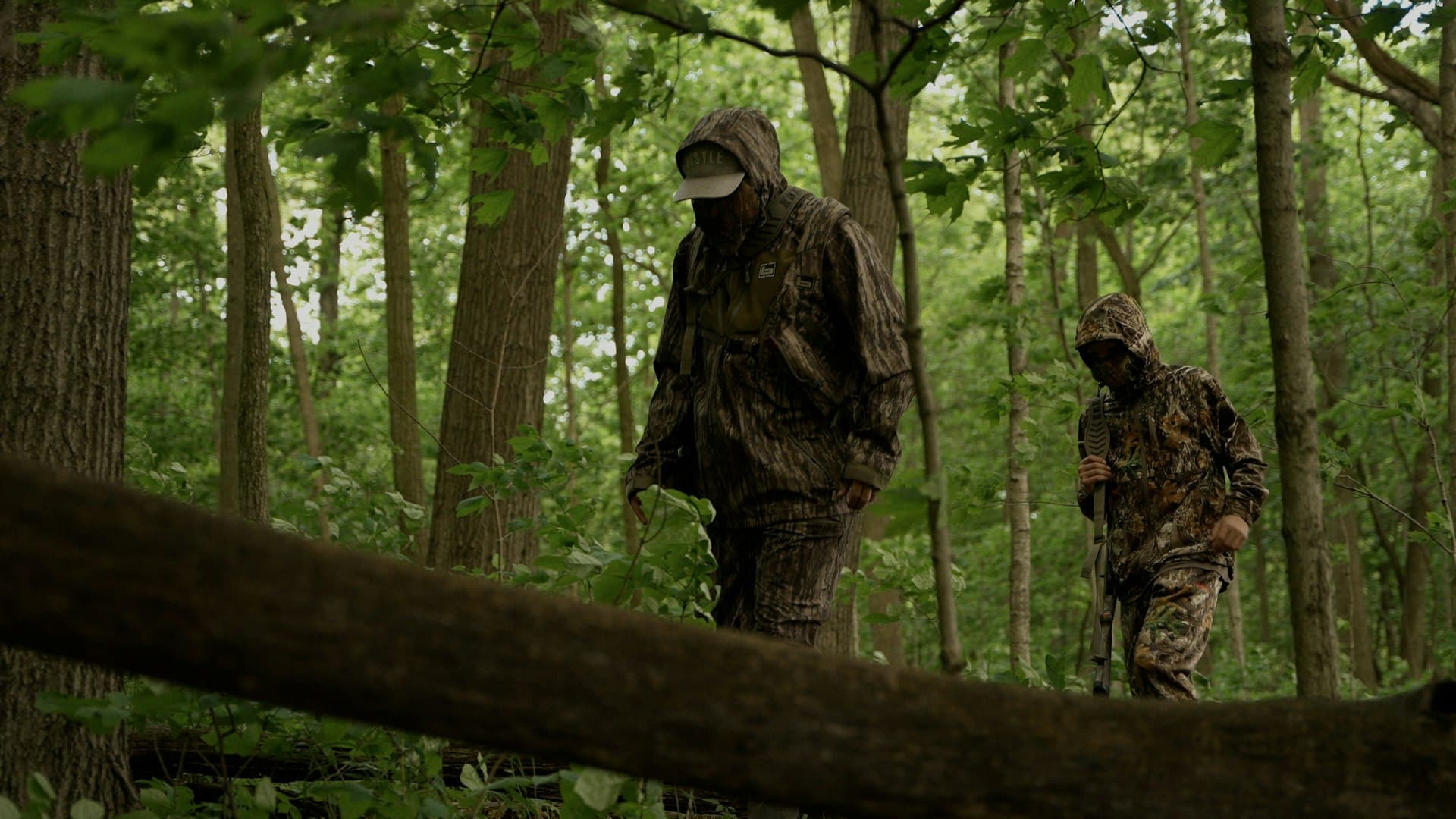
What to Look for When Walking Hunting Land for the First Time
On the first walk of hunting land, look past acreage. Judge food, water, cover, and neighboring properties the way deer actually use the landscape.
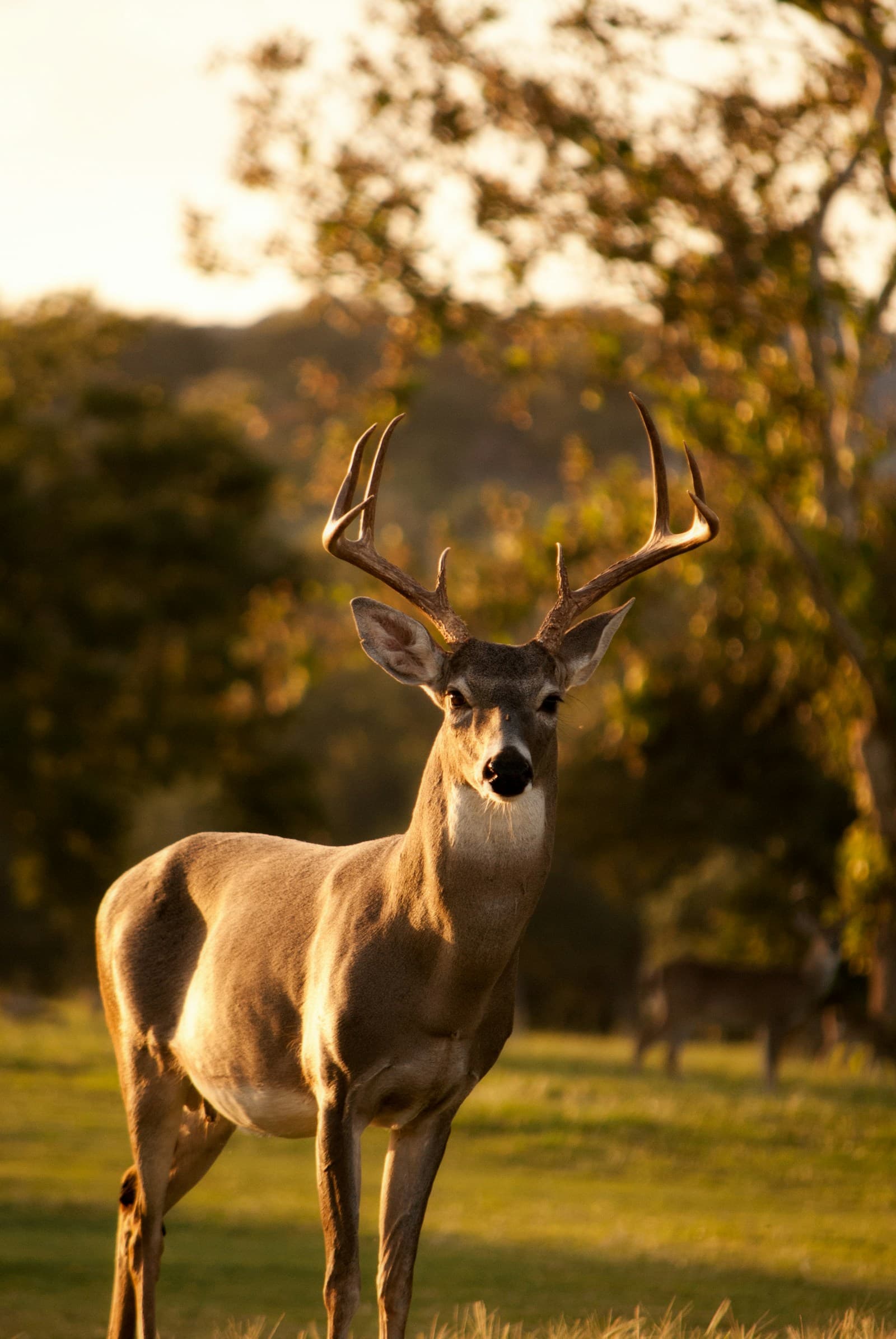
Best Trail Camera Deals This Week: Cellular Cameras, Feeders & Bows Worth Buying
This week's Academy Sports hot deals—cellular trail cameras, feeders, and archery gear worth buying, plus a few we'd skip.
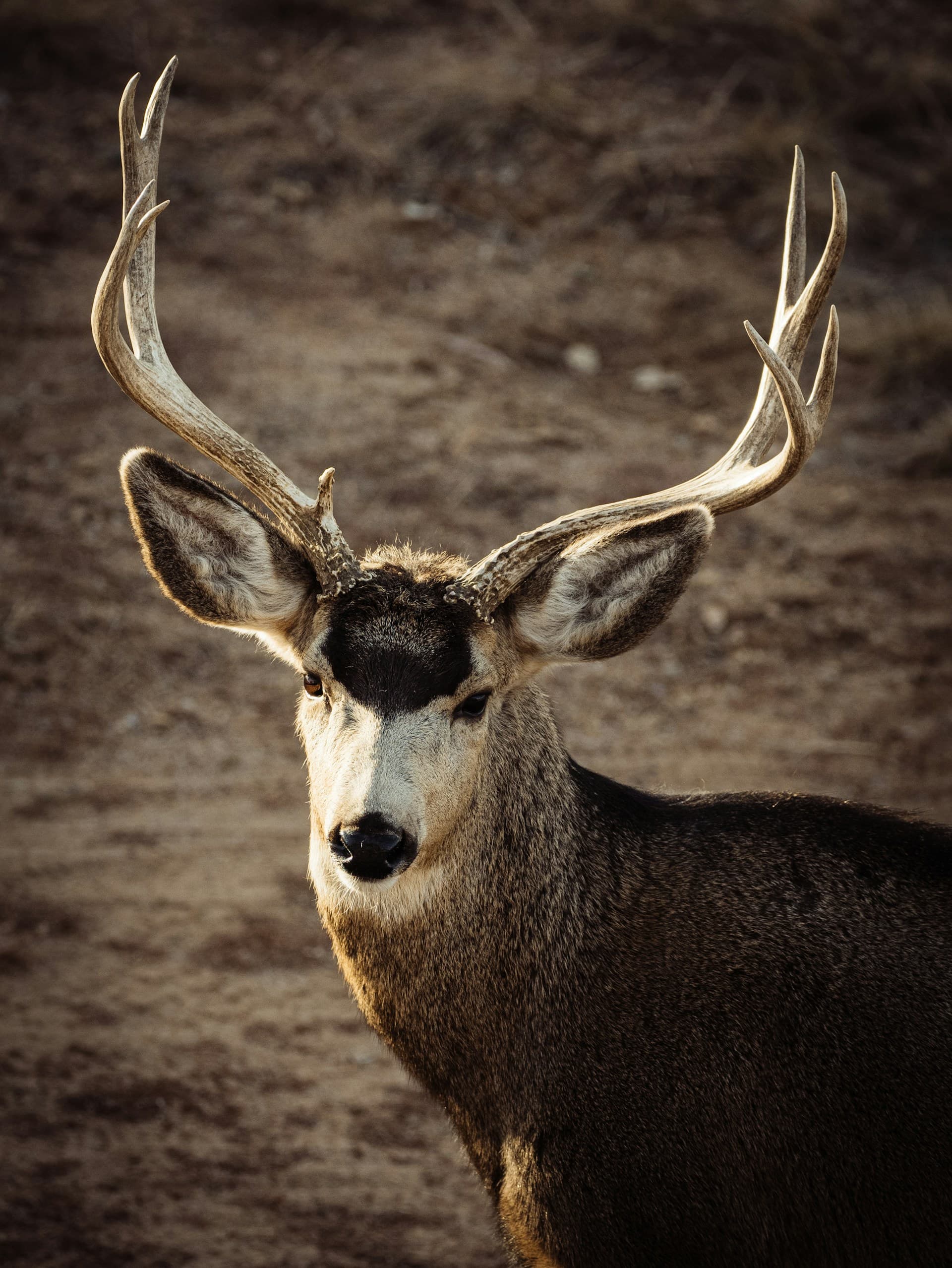
A Corrections Officer Spent Years Poaching Oregon's Big Game. It Cost Him His Career, $114,000, and Every Hunting Right He Had for Life.
Oregon banned Christopher Matson from hunting for life and fined him $114,000 after a multi-county poaching case. Sentence, charges, and why it matters.