
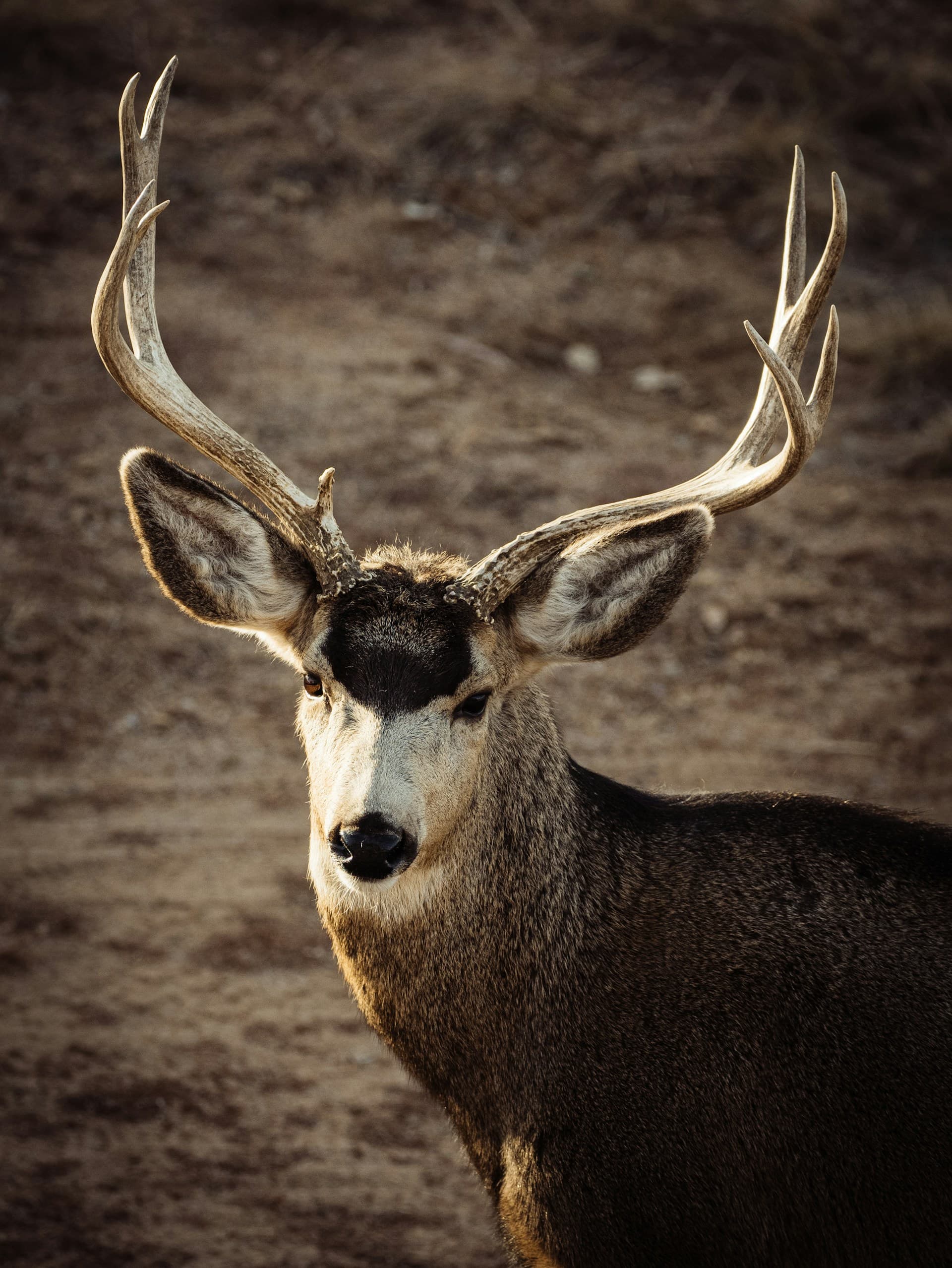
A Corrections Officer Spent Years Poaching Oregon's Big Game. It Cost Him His Career, $114,000, and Every Hunting Right He Had for Life.
Oregon banned Christopher Matson from hunting for life and fined him $114,000 after a multi-county poaching case. Sentence, charges, and why it matters.
A former Oregon Department of Corrections officer from Umatilla was sentenced in June 2026 to a lifetime hunting ban, more than $114,000 in fines payable to the Oregon Department of Fish and Wildlife, forfeiture of seized firearms and property, 300 hours of community service, and two years of probation after a multi-county poaching investigation.
Christopher George Matson spent his career enforcing the law inside Oregon's prison system. Outside of it, according to state investigators, he spent years breaking a different set of laws — the ones that protect the deer, elk, and black bear that Oregon's hunters spend a lifetime pursuing legally, ethically, and within a strict system of tags, seasons, and limits.
That system exists because wildlife belongs to everyone, not to whoever's willing to break the rules to take more than their share. Matson broke it repeatedly, across multiple counties, for years — and this summer, Oregon made him pay for it in full.
The 48-year-old former corrections officer was sentenced across two separate court cases in June 2026. Oregon's Department of Justice Wildlife Anti-Poaching Resource Prosecutor didn't mince words about the scale of what Matson did.
"This is another example of serial poaching which rises to the level of felony conduct based solely on the repeated poaching conduct and impact of one individual on Oregon's game mammals," said Jay Hall. "The conduct across the several counties amounts to one of the highest damage amounts done to Oregon wildlife by any singular actor."
That's not hyperbole from a prosecutor trying to make a case sound bigger than it was. This is one of the most extensive single-actor poaching investigations in recent Oregon history, and the story behind how it came together is worth telling in full.
How the investigation started and what it uncovered
The case began in 2024, when Oregon State Police received information that Matson had been illegally taking big game animals. That tip set off an investigation by OSP's Fish and Wildlife Division, the unit responsible for enforcing the state's hunting and wildlife regulations and pursuing the poaching cases that threaten Oregon's game populations.
In February 2025, OSP investigators served a search warrant tied to that investigation. What they found and seized was substantial: multiple illegally taken big game animals and firearms, collected as evidence across what would ultimately become a multi-county case. Investigators referred a total of 67 criminal charges for prosecution — a number that reflects not an isolated bad decision but a sustained pattern of conduct across years and jurisdictions.
The scope of those 67 charges tells the story of how thoroughly Matson had been operating outside the law. The charges included unlawful take and possession of black bear with the aid of bait, unlawful take of buck deer, unlawful take of antlerless elk, unlawful take of mule deer, and unlawful take and possession of a game bird — a comprehensive list spanning multiple species and multiple types of illegal harvest. Beyond the game violations, charges included falsely applying for a hunting license or tag, loaning or borrowing big game tags, hunting during prohibited hours, and failing to validate a big game tag — the kind of licensing and tag-fraud violations that indicate deliberate circumvention of the tag and quota system that keeps Oregon's big game populations sustainably managed.
And then there were the firearms charges: unlawful possession of a silencer and unlawful possession of a short-barreled rifle, both felony offenses under Oregon law, layered on top of the wildlife violations.
Given the scope of the case, the charges spanned multiple counties, and the Oregon Department of Justice's Wildlife Anti-Poaching Resource Prosecutor took on the case rather than leaving it to a single county district attorney's office — a signal of how seriously the state treated the scale and severity of the conduct involved. Oregon State Police also thanked the Washington Department of Fish and Wildlife for assistance with interviews and evidence collection in Washington, and credited witnesses who came forward during the investigation.
The two guilty pleas and what Matson was actually sentenced to
Matson's case resolved through two separate guilty pleas in two separate counties, 11 days apart, and the combined sentencing reflects the full weight of what investigators found.
Grant County Circuit Court — June 18, 2026
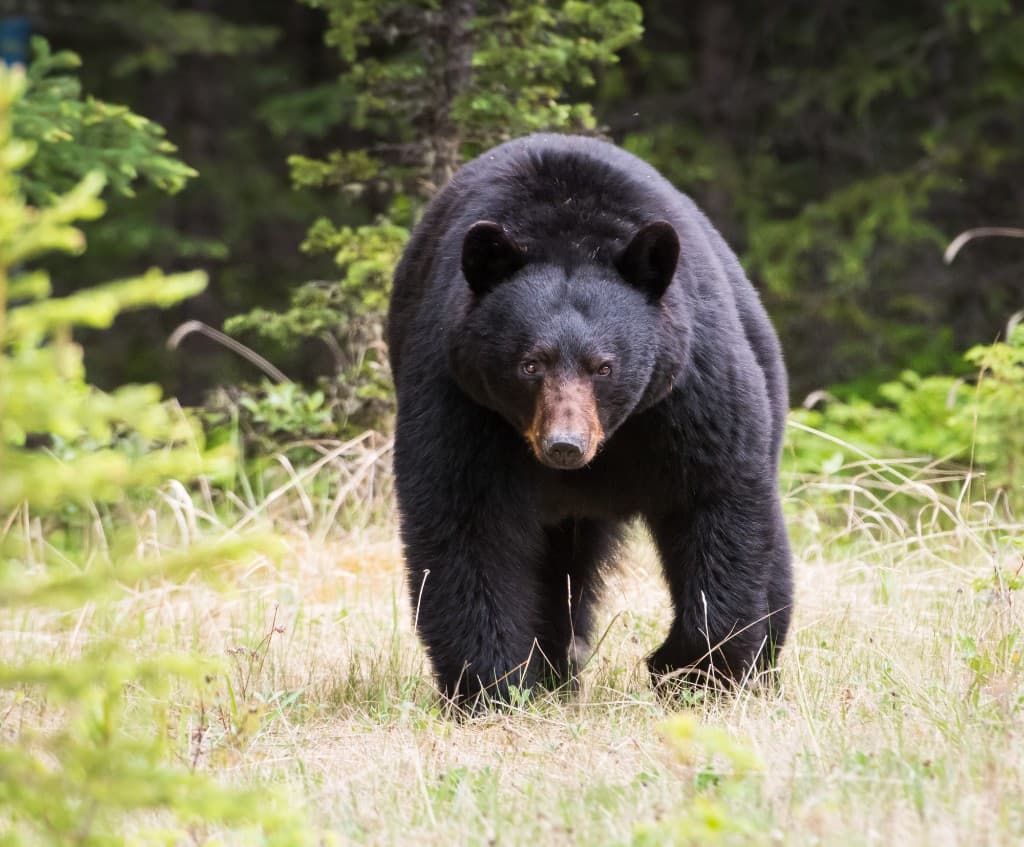
Matson pleaded guilty to four counts of unlawful take of buck deer (a combination of felony and misdemeanor charges) and three counts of unlawful take of black bear (also a combination of felony and misdemeanor charges). For these offenses, he was sentenced to 18 months of probation, a lifetime revocation of his hunting license, 300 hours of community service, forfeiture of all firearms and property that had been seized as evidence, and a $52,500 fine payable directly to the Oregon Department of Fish and Wildlife.
Umatilla County Circuit Court — June 29, 2026
Eleven days later, Matson pleaded guilty in a second case to unlawful possession of a short-barreled rifle (felony), unlawful possession of a silencer (felony), unlawful possession of multiple wildlife (misdemeanor), and unlawful take of mule deer (felony). This second sentencing added 24 months of probation, a second lifetime hunting license revocation, an additional 300 hours of community service (running concurrently with the first case's community service requirement), forfeiture of all additional property seized, and a further $62,000 fine payable to ODFW.
Combined across both cases, Matson's total financial penalty exceeds $114,000, all of it directed to the Oregon Department of Fish and Wildlife — meaning the fines flow directly back into the agency responsible for managing and protecting the wildlife populations Matson's conduct damaged. His hunting privileges in Oregon are gone permanently. He forfeited every firearm and piece of property investigators seized. And he'll spend the next two years completing 300 hours of community service and reporting under active probation supervision.
For a former law enforcement officer, the professional and personal weight of that outcome is its own kind of consequence — a career built around enforcing the law, undone by years of deliberately breaking a different set of laws designed to protect a public resource he had no right to take more of than anyone else.
Why this case matters beyond one man's sentence
It would be easy to read this as an isolated crime story — a bad actor caught and punished, case closed. That undersells what this case actually represents for Oregon's hunting community and for the broader system of wildlife management that legal hunters fund and depend on.
Every legal hunter in Oregon operates within a tightly regulated system: license fees, tag purchases, species-specific seasons, bag limits, and reporting requirements that exist for one reason — to keep harvest within levels that Oregon's big game populations can sustain year over year. That system is the backbone of the North American Model of Wildlife Conservation, and it only works if the vast majority of hunters follow it. Poaching on the scale investigators describe in this case — years of illegal takes across multiple species and multiple counties — doesn't just violate the law. It directly undermines the population data, harvest projections, and management decisions that Oregon Department of Fish and Wildlife biologists rely on to set responsible seasons and limits for everyone else.
The black bear violations specifically — unlawful take and possession of black bear with the aid of bait — deserve particular attention. Baiting regulations for black bear exist because unregulated baiting can lead to unsustainable take and disrupts natural bear behavior and distribution. Oregon's rules around bear baiting are specific and limited for exactly this reason. Circumventing them isn't a technical violation; it's a direct assault on how the state manages a species that requires careful oversight to prevent localized depletion.
The tag fraud charges — falsely applying for a license, loaning or borrowing big game tags — point to a second layer of harm. Oregon's tag system, including its limited-entry controlled hunts for certain species and units, exists specifically to control harvest pressure in areas where unlimited hunting would be unsustainable. Every fraudulently obtained or misused tag represents an animal taken outside the system's carefully calculated limits — an animal that should have gone to a hunter who followed the rules, drew a legitimate tag, and hunted within the season.
This is why Jay Hall's characterization of the case as "one of the highest damage amounts done to Oregon wildlife by any singular actor" matters. It's not just a statement about the number of animals involved. It's a statement about the scale of disruption to a management system that every ethical hunter in Oregon relies on and pays into.
Eastern Oregon has seen this movie before. See our earlier coverage of elk and deer poaching in Eastern Oregon and why fair chase is the ethic that keeps public wildlife a public trust.
How Oregon caught him — and why that matters for future cases
This case is also worth highlighting because of how it came together. It didn't start with a game warden catching Matson in the field. It started with a tip — someone with knowledge of what Matson was doing came forward to Oregon State Police in 2024, which triggered the investigation that eventually produced a search warrant, seized evidence, and 67 referred charges.
Oregon State Police's Fish and Wildlife Division depends heavily on exactly this kind of public reporting to identify and build cases against poachers operating below the radar of routine patrol enforcement. Oregon maintains a Turn In Poachers (TIP) program specifically for this purpose, allowing hunters and the public to report suspected wildlife crimes, in many cases anonymously, and in many cases eligible for a reward if the report leads to a citation or conviction. Report suspected violations at 1-800-452-7888, by dialing *OSP (*677) from a mobile phone, or by emailing TIP@osp.oregon.gov.
Cases like Matson's — a sustained, multi-year, multi-county pattern of poaching that produced 67 referred charges and more than $114,000 in fines — don't happen without someone in the community deciding that protecting Oregon's wildlife mattered more than staying quiet. That's a detail worth remembering for any hunter who's ever suspected something wasn't right in the field and wondered whether reporting it was worth the trouble. In this case, it clearly was.
What this means going forward
Matson's sentencing closes out this specific case, but it sets a marker for how seriously Oregon is willing to pursue and punish large-scale poaching conduct — a marker that matters at a moment when Oregon's hunting community has spent this entire year defending its right to hunt at all, from the IP28 ballot initiative fight to ongoing pressure on public land access.
That context is worth sitting with. Oregon's sportsmen spent 2026 mobilizing an entire statewide campaign to defeat a ballot measure that would have criminalized hunting outright — arguing, correctly, that regulated hunting is not just legal but a foundational part of how Oregon's wildlife populations are managed and funded. IP28 failed to qualify for the November ballot. Cases like Matson's are the uncomfortable other half of that argument. The credibility of that defense depends partly on the hunting community's own willingness to police bad actors within its ranks and support aggressive prosecution when someone abuses the privilege the rest of the community fought to protect.
Oregon's Department of Justice made a point of using its dedicated Wildlife Anti-Poaching Resource Prosecutor for this case rather than routing it through standard county prosecution — a structural commitment to taking large-scale wildlife crime seriously that predates this specific case and will presumably continue to be tested by future ones.
For now, the consequence is clear and total. Christopher Matson will never legally hunt in Oregon again. The animals he's accused of taking outside the law can't be returned. But the $114,000 he owes goes directly back into managing the resource he damaged, and the case stands as a marker of exactly how far Oregon is willing to go to protect it.
For seasons, tags, and public-land context, see the Oregon hunting guide.
Frequently Asked Questions About the Matson Oregon Poaching Case
Who is Christopher Matson and what was he charged with?
Christopher George Matson, 48, of Umatilla, Oregon, is a former Oregon Department of Corrections officer. Following an Oregon State Police investigation that began in 2024, 67 criminal charges were referred for prosecution, including unlawful take and possession of black bear with the aid of bait, unlawful take of buck deer, mule deer, and antlerless elk, falsely applying for a hunting license or tag, loaning or borrowing big game tags, unlawful possession of a silencer, unlawful possession of a short-barreled rifle, and hunting during prohibited hours.
What was Christopher Matson's final sentence?
Across two guilty pleas in Grant County (June 18, 2026) and Umatilla County (June 29, 2026), Matson was sentenced to 24 months of probation, 300 hours of community service (concurrent across the two cases), forfeiture of all firearms and property seized as evidence, more than $114,000 in fines payable to the Oregon Department of Fish and Wildlife, and a lifetime revocation of his Oregon hunting privileges.
How did Oregon State Police catch Matson?
The investigation began in 2024 after Oregon State Police received information that Matson had been illegally taking big game animals. Investigators served a search warrant in February 2025, seizing multiple illegally taken big game animals and firearms as evidence, which formed the basis for the 67 criminal charges ultimately referred for prosecution.
Why was this case handled by a special prosecutor rather than a local district attorney?
Because the case spanned multiple counties and involved an unusually large scope of wildlife crime, it was handled by the Oregon Department of Justice's Wildlife Anti-Poaching Resource Prosecutor, Jay Hall, rather than a single county district attorney's office. This reflects the scale and severity that Oregon officials assigned to the case.
What does a lifetime hunting license revocation mean in Oregon?
A lifetime revocation permanently bars an individual from legally purchasing a hunting license or tag in Oregon for the rest of their life. It is one of the most severe administrative penalties available for wildlife crime in the state and is typically reserved for the most serious or repeated poaching violations.
Why do the fines go to the Oregon Department of Fish and Wildlife specifically?
The sentences ordered Matson's fines payable to ODFW because the agency is responsible for wildlife management, habitat, and the resource damaged by the illegal conduct. Unlike generic court fines, these payments are specifically directed to that agency.
How can hunters report suspected poaching in Oregon?
Oregon maintains a Turn In Poachers (TIP) program that allows the public to report suspected wildlife violations, in many cases anonymously, with potential rewards for information that leads to a citation or conviction. Call 1-800-452-7888, dial *OSP (*677) from a mobile phone, or email TIP@osp.oregon.gov. Public tips, including the one that initiated the Matson investigation in 2024, are a critical tool for identifying large-scale poaching activity that routine patrol enforcement might not catch.
Why does a case like this matter for legal hunters?
Large-scale poaching directly undermines the harvest data, population estimates, and tag/quota systems that wildlife agencies use to set sustainable hunting seasons and limits. Every animal taken illegally, and every tag obtained fraudulently, distorts the management system that legal, licensed hunters depend on and fund through their license fees and taxes. Aggressive prosecution of cases like this one is part of what keeps that system credible and sustainable for everyone who hunts legally.
Sources
- Oregon State Police: OSP Fish & Wildlife investigation results in lifetime hunting revocation and over $114,000 in fines
- Oregon State Police: Turn In Poachers (TIP) program
- Hermiston Herald / East Oregonian: Former E. Oregon prison guard pleads guilty in poaching cases
- KTVZ: Former corrections officer sentenced in major Oregon poaching case spanning multiple counties
- KPTV: OSP Fish & Wildlife investigation results in lifetime hunting ban and over $114,000 in fines
- Unsplash: Mule deer buck, Danny Shives
The Inside Spread covers hunting, fishing, shooting, and conservation. If you suspect wildlife crime in Oregon, contact the Turn In Poachers program. We donate 10% of profits to wildlife conservation.

Written by
Kenny Flermoen
Kenny Flermoen is the owner and CEO of The Inside Spread. Growing up in the Upper Midwest he spent most of his childhood outside—rain, snow, or shine. He writes about hunting, fishing, and conservation with a focus on public-land access, habitat, and the decisions that shape the future of America's outdoor heritage.
Comments
No comments yet. Be the first to share your thoughts.
More in hunting
Pre-Rut Whitetail Guide: How to Hunt Bucks Right as They Go On Their Feet
A complete pre-rut whitetail guide covering scrape lines, rub lines, scent-checking behavior, rattling tactics, and how to adjust your setup as bucks shift off food and onto their feet in October.
Early Season Whitetail Guide: What Deer Are Doing Right Now (And How to Cash In Before the Rut)
A complete early season whitetail guide covering deer behavior, food source patterns, buck sighting tactics, and the best time to harvest a doe before the rut kicks in.
What to Look for When Walking Hunting Land for the First Time
On the first walk of hunting land, look past acreage. Judge food, water, cover, and neighboring properties the way deer actually use the landscape.

Best Trail Camera Deals This Week: Cellular Cameras, Feeders & Bows Worth Buying
This week's Academy Sports hot deals—cellular trail cameras, feeders, and archery gear worth buying, plus a few we'd skip.