
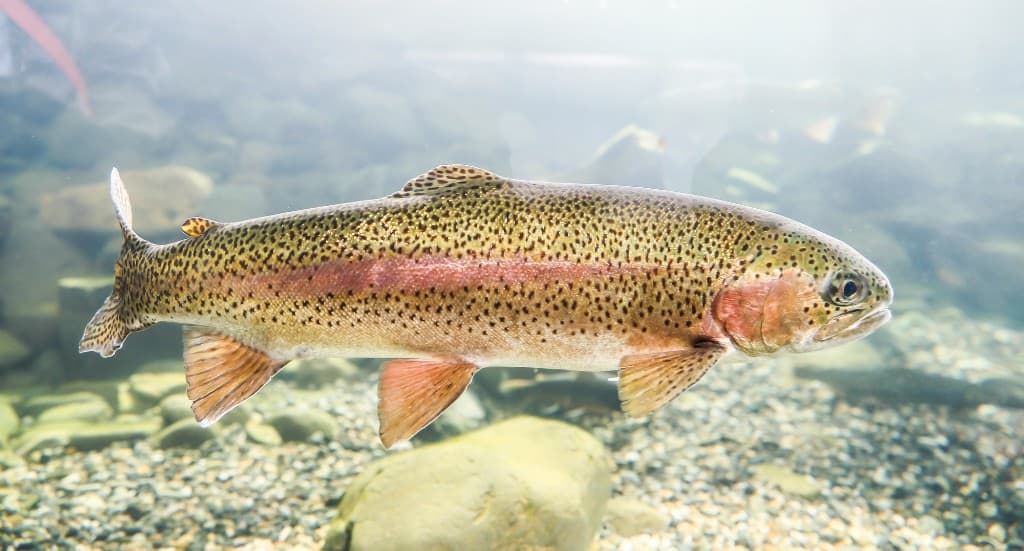
Colorado brown trout in 2026—wild and stocked populations, CPW regulations by water, best regional habitats, and strategies for stream and tailwater fishing.
2026 seasons & limits
Verify rules with Colorado fish & wildlife
- Confirm open seasons, daily bag, and possession limits for each species and water you fish.
- Check length and slot rules—many lakes, rivers, and bays have special tables beyond statewide defaults.
- Review 2026 summaries and any emergency orders (closures, health notices, gear rules) before you go.
The Inside Spread orients you for trip planning only. Conservation officers enforce the official published regulations—not articles or forum posts.
Brown trout (Salmo trutta) bring a European lineage to Rocky Mountain rivers, and in Colorado they are often the fish anglers remember: a big-shouldered hold in a tailout, a cautious rise in skinny water, or a reservoir cruiser that fell for a streamer. CPW manages browns alongside rainbows and cutthroats with water-specific rules that can change harvest, methods, and seasons mile by mile. Use this guide with our Colorado fishing overview for 2026 and always verify 2026 rules before you fish.
Short history and management overview
Brown trout were introduced to North America in the 1800s and spread through western fisheries programs. In Colorado they occupy cold, clean water from small mountain creeks to large western reservoirs. Managers balance brown trout as high-value sport fish with broader conservation goals for native cutthroats and other species in some watersheds. On many public waters, browns are part of the expected mix; on others, regulations reflect native-fish recovery or specialized trophy management.
Main locations in Colorado
- Tailwater reaches — Below major dams where cold, stable flows support year-round growth and challenging fishing.
- Freestone rivers — Classic riffle-pool water where browns hold behind structure and along undercut banks.
- Stillwaters — Western reservoirs and mountain lakes where browns cruise structure, weed edges, and drop-offs.
- High-country streams — Smaller water with spooky fish and short growing seasons; access may follow snowmelt.
Because brown trout can be long-lived and territorial, the best fish are often associated with stable habitat and lower angler pressure—not always the same as the most famous names on social media.
Population and trends
CPW uses surveys, electrofishing, and angler reports to track fisheries. Brown trout numbers fluctuate with drought, flood, temperature, competition with other salmonids, and angler harvest. Statewide “population” is less useful than local trends: a drainage can produce excellent browns while a neighboring system struggles after a harsh winter or habitat event. When biologists publish creel or population data for a water, use it; when they do not, avoid inventing statistics.
2026 regulations and bag limits
Regulations are water-specific. CPW’s fishing regulations and brochure are controlling. Brown trout are frequently grouped under trout or combined trout rules with rainbows and sometimes cutthroats or other salmonids. Look for:
- Daily bag and possession limits that may apply to all trout combined.
- Length limits and slots designed to protect spawning fish or improve size structure.
- Method restrictions such as artificial flies or lures only on quality stretches.
- Seasonal closures or voluntary ethics in spawning areas—read signs and brochures even when the law allows fishing.
How to fish for brown trout in Colorado (strategies and tactics)
- Think like a predator — Browns often reward precise presentations: smaller dry flies on flat water, dead-drifted nymphs in seams, or slow strip-and-pause streamers when water temperatures favor aggression.
- Low light and weather — Cloud cover and morning or evening windows can outfish bright midday sun on clear, shallow rivers.
- Stillwater search patterns — Use sonar where legal, watch for rises, and work parallel to weed lines and rocky points.
- Pressure and etiquette — On famous public water, give other anglers space, avoid wading through redds during spawn, and know whether bait is legal on that reach.
- Safety — Cold water and slick rocks are universal; wading staffs and conservative crossings reduce rescues.
More Colorado species guides (2026)
Sources
- Colorado Parks and Wildlife. "Fishing." CPW, cpw.state.co.us/thingstodo/Pages/Fishing.aspx. Accessed 11 Apr. 2026.
- Colorado Parks and Wildlife. "CPW Quality Waters." CPW, cpw.state.co.us/fishing/quality-waters. Accessed 11 Apr. 2026.
- U.S. Fish and Wildlife Service. "Fish and Aquatic Species." USFWS, fws.gov/library/categories/fish-and-aquatic-species. Accessed 11 Apr. 2026.
- U.S. Geological Survey. "Nonindigenous Aquatic Species Database." USGS, nas.er.usgs.gov. Accessed 11 Apr. 2026.
Official state agency
Colorado Parks and Wildlife — FishingVerify season openings, daily bag, possession, and length or slot rules for each water and species you target—plus any 2026 rule changes or emergency orders—before you fish.
Written by
The Inside Spread Team
The Inside Spread team covers fishing regulations and access across all 50 states. We tie every guide to official agency sources so you can verify seasons, bag limits, and license rules before you launch.
Comments
No comments yet. Be the first to share your thoughts.
More in state-guides
Arkansas Duck Hunting 2026: Season Dates, WMA Permits, License Costs & Complete Guide
Arkansas duck hunting 2026-27—three-segment season dates, nonresident WMA waterfowl permits, Black River and Bayou Meto access changes, and Delta license costs.
Georgia Whitetail Deer Hunting 2026: Season Dates, Extended Counties, License Costs & Nonresident Guide
Georgia whitetail deer hunting 2026-27—archery, primitive weapons, and firearms dates, 29-county extended archery, 12-deer bag, Game Check, and the nonresident guide.
Kentucky Whitetail Deer Hunting 2026: Season Dates, Zone Changes, License Costs & Nonresident Guide
Kentucky whitetail deer hunting 2026-27—archery, crossbow, and modern gun dates, the 2026 zone map, license and deer permit costs, Telecheck, and the nonresident guide.
Michigan Whitetail Deer Hunting 2026: Season Dates, License Costs, UP vs LP & Nonresident Guide
Michigan whitetail deer hunting 2026—archery, firearm, and three-day December dates, DNR license fees, Upper vs Lower Peninsula rules, baiting, and the nonresident guide.