
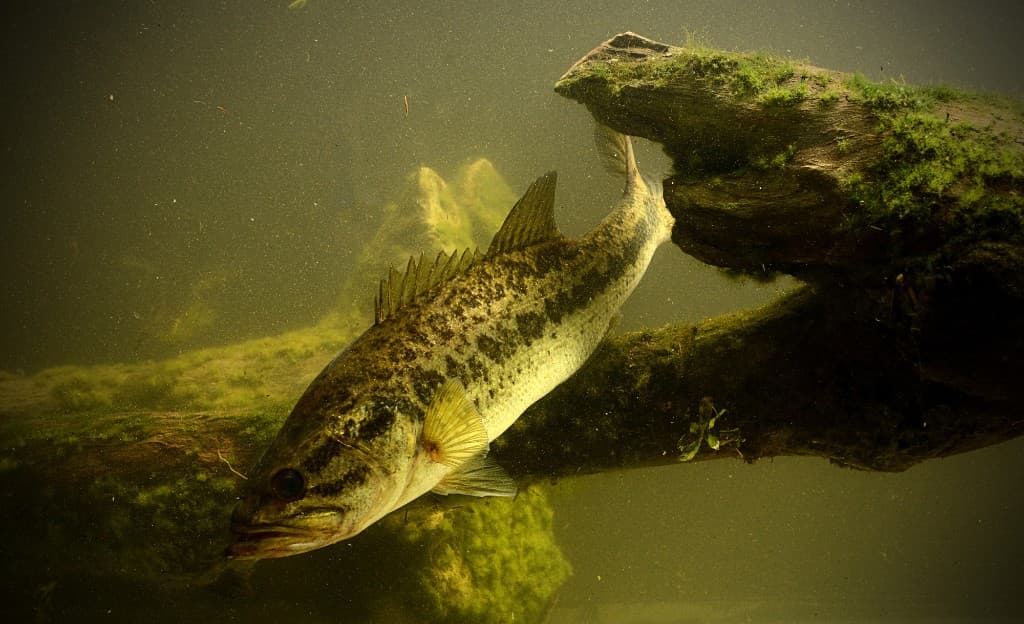
Georgia fishing 2026—license options, saltwater SIP permit checks, official DNR regulations, reservoir planning, and coastal rule links.
2026 seasons & limits
Verify rules with Georgia fish & wildlife
- Confirm open seasons, daily bag, and possession limits for each species and water you fish.
- Check length and slot rules—many lakes, rivers, and bays have special tables beyond statewide defaults.
- Review 2026 summaries and any emergency orders (closures, health notices, gear rules) before you go.
The Inside Spread orients you for trip planning only. Conservation officers enforce the official published regulations—not articles or forum posts.
Need a Georgia fishing license, the free saltwater SIP permit, or the current regulations before your trip? Start with Georgia Wildlife — Fishing and decide whether your day is freshwater inland or coastal saltwater. That one split handles most of the licensing and rule confusion, especially on reservoirs, estuaries, and shared waters.
Georgia pairs Piedmont reservoirs, mountain trout streams, and Atlantic estuaries under one state map, but Lanier, Hartwell, Clarks Hill, and the Georgia coast do not share the same planning assumptions. Inland anglers need WRD regulations and water-specific rules; coastal anglers also need the SIP permit and, for offshore or federally managed species, sometimes NOAA season tables. Define the fishery first and the paperwork gets much easier.
2026 Seasons, Limits, and Rule Changes
This article is not the law. Your state's fish and wildlife agency publishes the official rules—online digests, mobile apps, and emergency notices—and those sources control what you can keep, when you can fish, and where.
Georgia layers freshwater and saltwater rules differently; named lakes, rivers, and bays often have special regulations beyond statewide defaults; border waters and stocks shared with neighboring states or federal waters can add more rules. Always match the species, water body, and date you plan to fish to the correct table.
What to verify before every trip
- Seasons and closures for each species you target (game fish, panfish, trout, salmon, steelhead, or saltwater species)
- Daily and possession limits (creel limits) and whether aggregate caps apply across similar species
- Minimum and maximum length and slot limits, plus how length is measured (total length vs. fork length)
- Gear restrictions (bait, hooks, tackle) where they apply
- Special rules for WMAs, community fishing waters, trophy waters, and border waters
2026 updates and mid-season changes
Agencies publish annual summaries and sometimes emergency orders (water quality, fish health, stock changes, or temporary closures). Before you plan 2026 trips:
- open the current regulations for the license year that covers your dates
- check your agency's news or rule change page for new limits, stamps, or reporting rules
- read invasive species and bait movement notices if you move boats or gear between waters
If a forum or social post disagrees with the agency PDF, trust the agency and walk away from edge cases.
Popular species: what to look up in the digest
Use the index or online tools to find limits for the fish you actually plan to catch—black bass (largemouth, smallmouth, spotted), panfish (crappie, bluegill, perch, sunfish), catfish, trout and salmon (including steelhead where present), walleye and sauger, muskies and pike, and—if your trip includes coastal or estuary water—saltwater species such as red drum, spotted seatrout, snapper, groupers, striped bass, and flounder. Do not keep fish until you match the species to the exact rule line for that water body and date.
| Topic | Verify in the official digest |
|---|---|
| Daily bag | Per-day harvest limit per species or aggregate groups |
| Possession | Fish you may have in camp, cooler, or vehicle combined |
| Length / slot | Minimum, maximum, or protected length bands |
| Season | Opening and closing dates, catch-and-release-only windows, closures |
Georgia official source: Georgia DNR — Wildlife Resources Division, Fishing
Species-specific guides (2026)
Deeper dives on Georgia’s top game fish—history, where they live, 2026 regulations, and how to fish for them:
How WRD Structures Freshwater and Saltwater Rules
Georgia’s inland rules cover reservoirs, rivers, public fishing areas, and trout streams with classifications that can include artificial-only reaches, delayed harvest, and special regulations on named lakes. Coastal and estuarine rules fall under a different rhythm: salinity, tides, and federal overlap matter as much as county lines. The angler question that prevents mistakes is: Am I fishing inland waters under WRD freshwater tables, or estuarine and marine waters where saltwater regulations and the SIP permit apply? If your weekend includes Lake Lanier and St. Simons sound, you need both mindsets and the right credentials.
WRD often publishes statewide defaults with exceptions listed by water body. Two ramps on the same lake can still surprise you if one cove falls under a special black bass provision or live bait restriction. Build a habit: identify the exact water, open the current regulations summary, and screenshot or print the pages you need. Cell service fails at many north Georgia ramps and coastal landings.
What Georgia Fishing License Do I Need?
Most anglers 16 and older need a valid Georgia fishing license unless an exemption applies. Georgia offers resident and non-resident packages, including short-term options that suit vacation trips—compare one-day versus annual pricing if you will fish multiple weekends. Purchase online or at retail through Georgia Wildlife — Licenses. Save receipts, screenshot credentials, and carry proof where required.
Saltwater: anglers 16 and older fishing in Georgia’s marine and estuarine waters need a valid fishing license and the annual free Saltwater Information Program (SIP) permit issued by the Coastal Resources Division. The SIP is separate from your license and must be renewed on its own schedule—do not assume your fishing license renewal covers SIP. Re-check inshore rules for red drum, spotted seatrout, flounder, and other species every year; temporary closures and slot adjustments appear in official summaries.
Youth, senior, disability, and military categories may change eligibility—read the current exemption list rather than forum posts. If you fish paying charters, ask how licenses and permits should read for clients versus operators.
Where Are Georgia’s Signature Freshwater Fisheries?
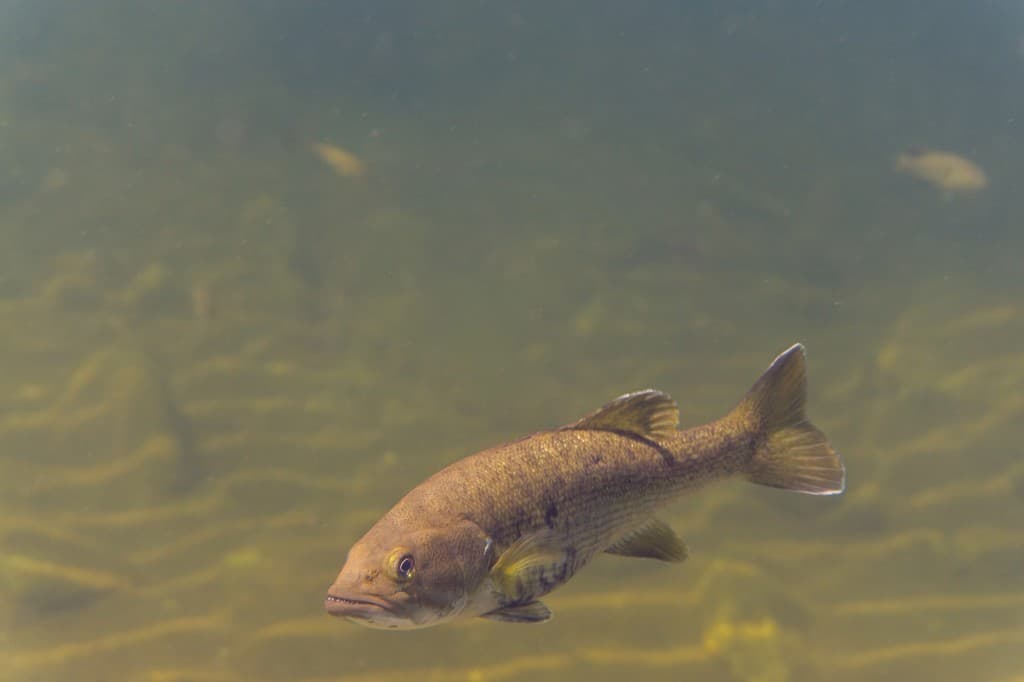
- Lake Lanier: Spotted bass and striped bass fisheries with national attention; watch hazard buoys, winter drawdowns, and heavy recreational boat traffic on summer weekends.
- Clarks Hill (J. Strom Thurmond) and Lake Hartwell: Largemouth, spotted bass, and crappie opportunities on large border impoundments—confirm license and creel expectations when you fish near state lines.
- Lake Oconee and Lake Sinclair: Crappie and bass within reach of Atlanta commuters—expect busy ramps and tournament fields on spring mornings.
- Blue Ridge tailwater and Chattahoochee tailrace fisheries: Trout when generation schedules allow—wade with life jackets and wading staff where currents run strong.
- North Georgia trout streams: Wild, stocked, and delayed-harvest designations drive gear and creel differences—match your tackle to the regulation class before you step in.
Spring moves bass shallow for spawning phases across Piedmont impoundments; crappie concentrate on brush and channel swings. Summer pushes many bass anglers toward dawn, dusk, and offshore structure. Fall can reopen shallow feeding windows as bait moves. Winter still rewards patient trout anglers and vertical crappie specialists who dress for cold rain and wind.
Rivers: Savannah, Altamaha, Flint, and Chattahoochee
Savannah, Ogeechee, Altamaha, Satilla, and Flint rivers each blend shad runs, bream banks, catfish holes, and—downstream—brackish transitions where saltwater rules may apply. Salinity moves with drought and tide; the same GPS waypoint can change regulatory context after flood or drought. Carry both freshwater and saltwater summaries if you run long trips through estuaries. Dams and locks add safety concerns: know generation notices, warning horns, and no-wake zones.
Georgia’s Atlantic Coast and Inshore Fisheries
Tybee Island, St. Simons, Jekyll, and Cumberland access offer surf, pier, and marsh creek fishing for redfish, spotted seatrout, flounder, sheepshead, and seasonal visitors. Kayak anglers should run bright flags, wear PFDs, and study tide charts—moving water stacks bait on points and oyster bars. Nearshore trips for spanish mackerel and king mackerel add variety; offshore reef trips cross into federal snapper and grouper seasons—carry NOAA handouts and confirm circle-hook and descending-device expectations for reef fish.
Beach and pier anglers share space with swimmers and tourists—cast with awareness, pack out trash, and follow local ordinances where sharks or rays draw crowds. Charter clients should ask how federal permits and HMS documentation apply before booking pelagic trips.
A Practical Seasonal Calendar
January–February: Cold trout water in the mountains rewards slow nymph and streamer anglers who watch generation schedules; Piedmont crappie begin staging toward pre-spawn patterns on some reservoirs. Coastal sight-fishing can be windy and cold—dress in layers and watch tide windows.
March–April: Bass move shallow across Piedmont lakes; shad runs draw crowds to rivers. Trout delayed-harvest waters see heavy pressure on weekends—weekday trips reduce conflict.
May–June: School stripers and spotted bass chase bait on Lanier and Hartwell; saltwater trout and redfish feed aggressively in warming estuaries. Thunderstorms arrive with little warning—monitor radar and cut trips short when cells build.
July–August: Heat pushes bass to low-light windows and deep structure; night catfish and hybrid striper trips increase. Coastal kayak anglers should hydrate and avoid midday heat stroke on flats.
September–October: Cooling water can reopen shallow feeding for bass; surf and pier action often improves as bait moves. Hurricane season demands flexible plans—never fish closed waters or debris fields after storms.
November–December: Crappie trolling and vertical jigging improve on many reservoirs; trout anglers enjoy quieter streams after leaf fall. Holiday boat traffic spikes—courtesy at ramps keeps tempers down.
Wildlife Management Areas and Public Fishing Areas
Georgia’s PFAs and WMAs expand bank and boat access but may impose seasons, permits, method restrictions, or closures tied to hunting schedules. Read area-specific rules before you hike in with waders or launch a jon boat. Some trout waters require park passes or special stamps—verify in the current regulations.
Invasive Species and Boater Responsibility
Clean, drain, dry boats and trailers when moving between watersheds. Invasive plants and animals alter habitat and access. Do not release bait into unmanaged streams; illegal stocking creates enforcement headaches and ecological damage.
Reading Size and Bag Tables Before You Ice Fish
Georgia anglers lose fish—and sometimes licenses—when they measure the wrong way or confuse species that look similar at a glance. Learn identification for black bass species, sunfish, crappie, and coastal drum and snapper before you harvest. Total length versus fork length methods matter; officers enforce the published standard. If you are near a creel limit, stop harvesting and switch to catch-and-release photography.
Possession limits on boats and trailers can combine angler limits in ways that surprise groups—organize coolers and count fish before you leave the ramp. Tournament anglers should carry measuring boards that match WRD definitions and trail rules.
Catfish, Bowfishing, and Gear-Specific Chapters
Channel, blue, and flathead catfish fisheries reward anglers who read gear chapters. Jug fishing, trotlines, limb lines, and bowfishing can carry water-body restrictions, tag requirements, or seasonal windows. Alligator gar and other primitive fish may have special rules—identify fish carefully and treat oversized fish as conservation priorities.
Tournaments, Ramp Etiquette, and Crowded Water
Bass and crappie tournaments concentrate traffic at Lanier, Hartwell, and Clarks Hill ramps. Stage trailers out of the launch lane, idle where posted, and give room to non-tournament families. Prop scars on spawning shallows last longer than bragging rights. If you film content, avoid identifying private docks without permission.
Emergency Orders and In-Season Updates
Drought, floods, and fish kills can trigger temporary closures or rule changes. Hurricanes rearrange inshore access and scatter debris. Check WRD news the week of your trip, not only when you bought your license. Screenshots help when cell towers fail; paper still works when batteries die.
Documentation and Enforcement
Keep proof of license, SIP, and any permits in a dry bag. If you receive a warning or citation, remain calm—disputes belong in court, not at the ramp.
Safety: Lightning, Dams, and Traffic
Thunderstorms build fast in Georgia summers. If you hear thunder, treat lightning as imminent and get off open water. Fog on reservoirs and bays hides navigation hazards—slow down and use GPS and compass backups. Atlanta traffic and coastal bridge construction eat daylight—build buffer time for ramp arrival.
Ethics and Catch-and-Release
Tournament anglers should minimize air exposure and culling stress when rules allow release. Sight-fishing redfish on flats means long casts and quiet approaches—pressure educates fish quickly. Pick up monofilament at piers and launches.
Family trips succeed when expectations match attention spans—shore fishing at PFAs with bream and stocked trout (where allowed) beats eight hours of offshore rolling for young kids. Teach identification before celebration photos so slot mistakes do not become learning moments at the cleaning table.
Connecting With Georgia’s Fisheries Community
Local clubs and conservation groups often run stream cleanups and habitat work days. Report tagged fish when instructions ask for data. Strong public access depends on polite anglers, accurate information sharing, and support for agency science when regulations tighten to protect spawning fish.
Plan Your Georgia Fishing Trip
Pair this pillar with our Georgia outdoors guide and Georgia fishing hub. Browse fishing articles for techniques that complement regulations. Book lodging with trailer parking if you haul a bass boat, and pack sun protection, hydration, and insect repellent for Lowcountry marsh mornings.
If you split a road trip between mountains and coast, build gear systems that avoid cross-contamination of invasive species—wash waders and boats between drainages when practical. Non-residents flying in should confirm TSA rules for rods and tackle boxes to reduce airport surprises.
Frequently Asked Questions
Do I need a fishing license in Georgia?
Most anglers ages 16 and older need a Georgia fishing license unless an exemption applies; verify current age rules and short-term license options on Georgia Wildlife.
What is the Georgia saltwater SIP permit?
Anglers 16 and older fishing saltwater also need the free annual Saltwater Information Program (SIP) permit from the Coastal Resources Division in addition to a fishing license—see the official SIP page for how to obtain and renew it.
Where can I read Georgia fishing regulations?
Use the Georgia DNR Wildlife Resources Division fishing pages and the published regulations summaries for freshwater and saltwater rules.
What species are popular on the Georgia coast?
Redfish, spotted seatrout, and flounder are common inshore targets; offshore trips may target snapper and grouper subject to federal seasons.
How do border lakes like Hartwell work for licenses?
Shared reservoirs and river borders can require you to know which state’s water you are fishing and which regulations apply; read WRD border-water guidance and carry proof of the correct license before you fish boundary waters.
Where can I buy a Georgia fishing license?
Purchase online through Georgia Wildlife or at authorized license agents; save digital or printed proof and confirm SIP renewal separately for saltwater trips.
Sources
- Georgia Department of Natural Resources, Wildlife Resources Division. "Fishing." Georgia Wildlife, georgiawildlife.com/fishing. Accessed 31 Mar. 2026.
- Georgia Department of Natural Resources, Coastal Resources Division. "Saltwater Information Program (SIP)." Coastal Georgia DNR, coastalgadnr.org/SIP. Accessed 31 Mar. 2026.
- National Oceanic and Atmospheric Administration. "Southeast Fisheries." NOAA Fisheries, fisheries.noaa.gov/region/southeast-science-center. Accessed 31 Mar. 2026.
Official state agency
Georgia DNR — Wildlife Resources Division, FishingVerify season openings, daily bag, possession, and length or slot rules for each water and species you target—plus any 2026 rule changes or emergency orders—before you fish.
Written by
The Inside Spread Team
The Inside Spread team covers fishing regulations and access across all 50 states. We tie every guide to official agency sources so you can verify seasons, bag limits, and license rules before you launch.
Comments
No comments yet. Be the first to share your thoughts.
More in state-guides
Arkansas Duck Hunting 2026: Season Dates, WMA Permits, License Costs & Complete Guide
Arkansas duck hunting 2026-27—three-segment season dates, nonresident WMA waterfowl permits, Black River and Bayou Meto access changes, and Delta license costs.
Georgia Whitetail Deer Hunting 2026: Season Dates, Extended Counties, License Costs & Nonresident Guide
Georgia whitetail deer hunting 2026-27—archery, primitive weapons, and firearms dates, 29-county extended archery, 12-deer bag, Game Check, and the nonresident guide.
Kentucky Whitetail Deer Hunting 2026: Season Dates, Zone Changes, License Costs & Nonresident Guide
Kentucky whitetail deer hunting 2026-27—archery, crossbow, and modern gun dates, the 2026 zone map, license and deer permit costs, Telecheck, and the nonresident guide.
Michigan Whitetail Deer Hunting 2026: Season Dates, License Costs, UP vs LP & Nonresident Guide
Michigan whitetail deer hunting 2026—archery, firearm, and three-day December dates, DNR license fees, Upper vs Lower Peninsula rules, baiting, and the nonresident guide.