
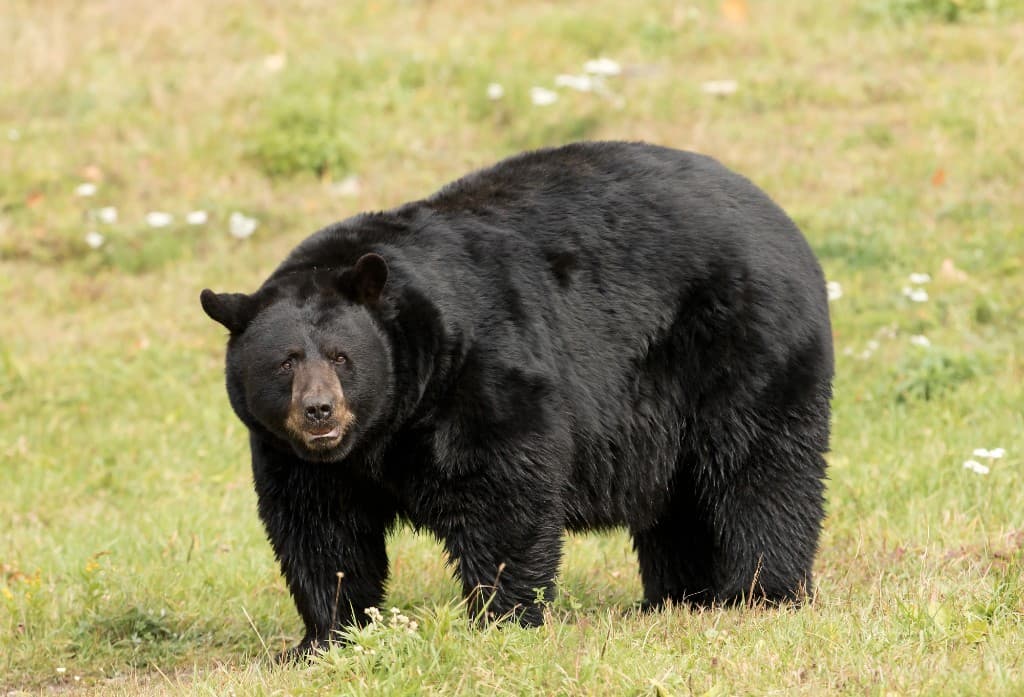
Montana Spring Black Bear Hunting 2026: Early Season, Safety & Where to Hunt
Montana spring bear 2026—bears emerging early due to mild winter. Season dates, license requirements, grizzly country safety, and best hunting districts.
Montana's spring black bear season is one of the most accessible in the northern Rockies—no draw required for most districts, strong bear populations across western Montana, and public land that stretches from the Cabinet Mountains to the Absaroka-Beartooth Wilderness. Season dates close by district—use fwp.mt.gov for the current regulations. Grizzly country demands identification and safety discipline.
- Spring season: often opens April 15 in many districts (confirm for your district)
- License: no draw required for most districts
- Grizzly range overlaps much of the best black bear habitat—plan accordingly
When Is Montana Spring Bear Season 2026?
Montana's spring black bear season generally opens April 15 in most hunting districts, with some districts remaining open through the end of May or into June depending on the region. Season structure and closing dates vary by district, so checking the specific regulations for your target area is critical.
- Spring season opener: April 15 in most districts
- Season closing: varies by district; some close May 31, others extend through June 15
- Shooting hours: 30 minutes before sunrise to 30 minutes after sunset
- Verify dates and district details at fwp.mt.gov
Montana does not split its spring bear season into controlled and general segments the way Idaho does. In most districts, you simply purchase a black bear license and hunt during the open season. Some districts have harvest quotas that close the season early when reached—monitor FWP's harvest tracking reports if you're hunting a quota district.
Spring Bear Activity and Safety
Den emergence and movement vary with weather, elevation, and food. In mild years, some black bears may be active in valleys well before the spring season opens; grizzlies can also be out early in overlap range. Treat any early-season scouting as bear country: carry bear spray, make noise in thick cover, and read FWP safety guidance. If you're shed hunting early season, assume bears could be active.
- Carcass sites (winter-killed ungulates) can concentrate bears—approach with caution in grizzly range
- Wind and thermals matter for both spot-and-stalk and surprise avoidance
License Requirements
Montana's black bear license is available over the counter for both residents and nonresidents. No draw or application is required for most districts, making Montana one of the most straightforward states for spring bear access.
- Resident black bear license: check current FWP fee schedule at fwp.mt.gov
- Nonresident black bear license: check current FWP fee schedule (significantly higher than resident)
- Conservation license: required for all hunters in addition to the bear license
- No draw required: most districts are OTC
- Bag limit: one black bear per license year
- Youth hunters: reduced license fees; same season dates and regulations
Purchase licenses online at fwp.mt.gov or from any FWP regional office or license agent. Nonresidents should purchase well in advance—while there's no tag cap in most districts, having your license in hand before traveling avoids any last-minute issues.
Montana's license structure funds the state's wildlife management directly. Every bear license purchased supports population monitoring, habitat conservation, and conflict management programs. The connection between hunter-funded conservation and wildlife management is nowhere more visible than in bear country, where license revenue pays for the research that keeps both bear populations and hunting opportunities healthy.
Grizzly Country Safety
This is the most important section in this article. Much of Montana's best spring black bear habitat overlaps with occupied grizzly bear range. Western Montana, the Northern Continental Divide Ecosystem, and the Greater Yellowstone Ecosystem all hold grizzly populations. Misidentification and surprise encounters are real risks.
- Carry bear spray: mandatory in practice, even if not always legally required; keep it accessible, not buried in a pack
- Know the difference: grizzly bears have a prominent shoulder hump, dished facial profile, and shorter rounded ears; black bears have a straight facial profile, taller pointed ears, and no shoulder hump
- Color is not reliable: black bears can be brown, cinnamon, or blonde; grizzlies can appear dark; body shape and facial profile are the primary identifiers
- Game carcass management: if you harvest a black bear or are field dressing any game, work quickly and move the carcass away from the kill site; grizzlies are attracted to gut piles and carcasses
- Camp hygiene: hang food and game bags at least 10 feet high and 4 feet from the trunk; cook and store food at least 100 yards from your sleeping area
- Hunt with a partner: solo hunting in grizzly country increases risk; a second set of eyes and a second can of bear spray matter
If you're uncertain about bear identification in the field, do not shoot. The penalty for killing a grizzly bear is severe—federal fines, loss of hunting privileges, and potential criminal charges. Montana FWP offers free bear identification resources online, and Idaho's mandatory bear ID test is worth taking even if you're only hunting Montana, as the identification skills are identical.
Understanding how to read terrain and animal behavior in the backcountry is a transferable skill. Our guide to improving your elk hunting covers mountain awareness, wind reading, and movement strategies that apply directly to spring bear in Montana's high country.
Where to Hunt Spring Bears in Montana
Western Montana holds the state's highest black bear densities. The combination of dense timber, berry-producing burns, and proximity to river corridors creates ideal bear habitat. Several regions stand out for spring hunting.
- Bitterroot Valley (Districts 250, 261, 270): high bear density along the Bitterroot and Sapphire Mountains; south-facing slopes green up early; good road access to trailheads
- Flathead Valley / Swan Range (Districts 130, 140, 150): bears concentrated in avalanche chutes and old burns; excellent glassing terrain; heavy grizzly overlap—exercise caution
- Blackfoot Valley (Districts 281, 282, 283): mix of public and private land; bears key in on irrigated pastures and adjacent timber; accessible terrain
- Cabinet Mountains (Districts 100, 101, 104): remote, low-pressure country; bears on steep, timbered slopes; limited road access creates quality hunting
- Gallatin / Madison Ranges (Districts 301, 310, 311): southwestern Montana; bears in the transition zone between high mountains and agricultural valleys; grizzly overlap in portions
Public land access in western Montana is exceptional. National Forest, BLM, and state trust lands provide millions of huntable acres. Use Montana's FWP Hunt Planner to research district boundaries, land ownership, and access points.
Spring bear hunting in Montana is primarily spot-and-stalk. Glass south-facing slopes, avalanche chutes, and meadow edges at dawn and dusk. Bears emerging from dens feed on green grasses, forbs, and carrion before berry crops develop in summer. The first two weeks after the season opens—when bears are still concentrated on early food sources—are typically the most productive.
The gear and equipment for elk hunting transfers directly to Montana spring bear. Quality binoculars and a spotting scope are essential for identifying bears at distance, and a solid layering system handles Montana's unpredictable spring weather.
Key Regulations
Montana allows rifles, shotguns, muzzleloaders, bows, and crossbows for spring bear. Weapon restrictions may apply in specific districts or near populated areas—check district-level regulations.
- Legal weapons: rifles, shotguns, muzzleloaders, bows, crossbows (district-specific restrictions may apply)
- Bag limit: one black bear per license year
- Cubs and sows: unlawful to harvest cubs or female bears accompanied by cubs
- Mandatory reporting: report harvest within 48 hours via FWP's online reporting system or at a regional office
- Skull and hide: must be presented to FWP for inspection; a premolar tooth is pulled for aging
- Baiting: prohibited in most districts; check district-specific rules
- Hound hunting: allowed in some districts during spring season; verify district regulations
- Grizzly bears: fully protected; killing a grizzly carries federal and state penalties
Montana's reporting and check-in requirements are essential for population management. FWP uses harvest data, age structure from tooth samples, and hunter effort surveys to set season dates and quotas. Compliance with reporting directly supports the data that keeps spring bear seasons open.
Plan Your Montana Spring Bear Hunt
Montana offers what few states can match: over-the-counter bear tags in many districts, vast public land, and strong bear habitat in much of the northern Rockies. Spring weather and access still dictate success—plan for snow, mud, and changing conditions.
Check the Montana hunting guide for more on seasons, licenses, and public land across the state. If you're planning a western hunting trip that combines bear with other species, Montana and Idaho share similar backcountry terrain and season timing—see our Idaho spring bear guide for a side-by-side comparison. Carry bear spray, know your target, and hunt smart in grizzly country. Spring bear in Montana is a hunt worth making.
Sources
- Montana Fish, Wildlife & Parks. "Black Bear Hunting." FWP, fwp.mt.gov. Accessed 18 Mar. 2026.
- Montana Fish, Wildlife & Parks. "2026 Spring Bear Season Regulations." FWP, fwp.mt.gov. Accessed 18 Mar. 2026.
Official state agency
Montana Fish, Wildlife & ParksVerify seasons, bag limits, and license rules with the agency before you hunt.
Written by
The Inside Spread Team
The Inside Spread team includes hunters with years of experience in Montana's bear country. Our writers have pursued spring black bears in the Bitterroot, Flathead, and Gallatin ranges and hold current certifications in bear identification and backcountry safety.
Comments
No comments yet. Be the first to share your thoughts.
More in state-guides
Arkansas Duck Hunting 2026: Season Dates, WMA Permits, License Costs & Complete Guide
Arkansas duck hunting 2026-27—three-segment season dates, nonresident WMA waterfowl permits, Black River and Bayou Meto access changes, and Delta license costs.
Georgia Whitetail Deer Hunting 2026: Season Dates, Extended Counties, License Costs & Nonresident Guide
Georgia whitetail deer hunting 2026-27—archery, primitive weapons, and firearms dates, 29-county extended archery, 12-deer bag, Game Check, and the nonresident guide.
Kentucky Whitetail Deer Hunting 2026: Season Dates, Zone Changes, License Costs & Nonresident Guide
Kentucky whitetail deer hunting 2026-27—archery, crossbow, and modern gun dates, the 2026 zone map, license and deer permit costs, Telecheck, and the nonresident guide.
Michigan Whitetail Deer Hunting 2026: Season Dates, License Costs, UP vs LP & Nonresident Guide
Michigan whitetail deer hunting 2026—archery, firearm, and three-day December dates, DNR license fees, Upper vs Lower Peninsula rules, baiting, and the nonresident guide.