
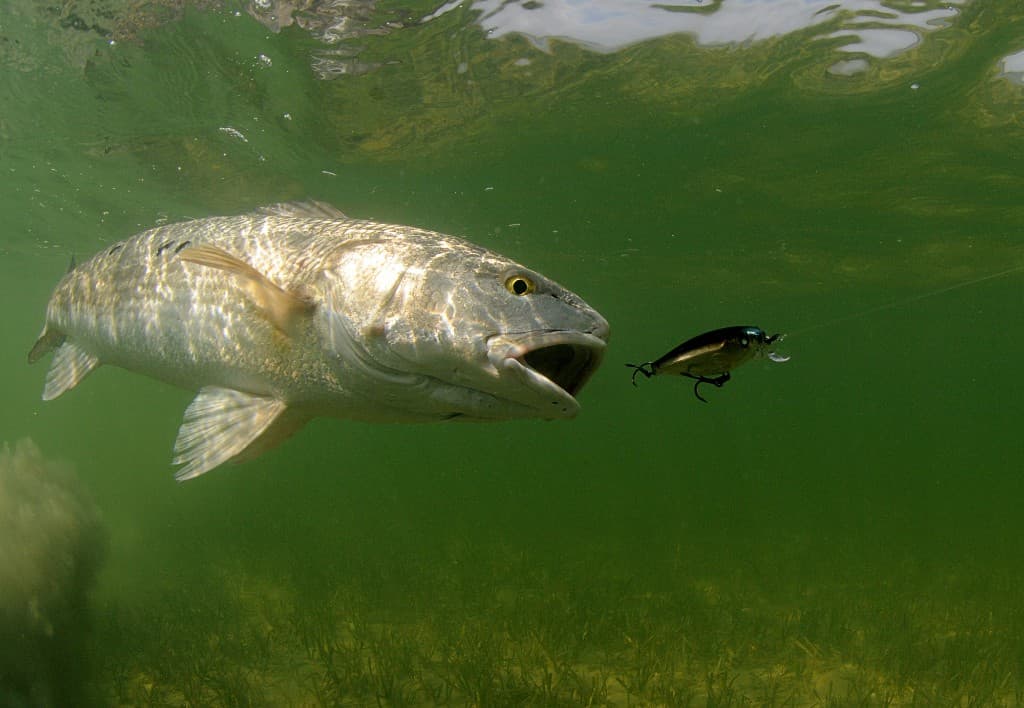
Texas fishing 2026—freshwater and saltwater license options, TPWD Outdoor Annual links, endorsement checks, and official regulations by fishery.
2026 seasons & limits
Verify rules with Texas fish & wildlife
- Confirm open seasons, daily bag, and possession limits for each species and water you fish.
- Check length and slot rules—many lakes, rivers, and bays have special tables beyond statewide defaults.
- Review 2026 summaries and any emergency orders (closures, health notices, gear rules) before you go.
The Inside Spread orients you for trip planning only. Conservation officers enforce the official published regulations—not articles or forum posts.
Need a Texas fishing license, the right endorsement, or the current Outdoor Annual before your trip? Start with TPWD Fishing and the Outdoor Annual and decide whether your day is freshwater, saltwater, or a federal Gulf trip. That one split usually answers most of the license and regulation questions.
Texas is big enough to hold several fishing cultures under one state map. East Texas reservoirs, Hill Country impoundments, the Laguna Madre, and offshore Gulf runs do not share the same planning assumptions, and some trips add stamps, endorsements, or federal rules. If you define the exact fishery first, the paperwork gets much easier to sort before you drive to the ramp.
2026 Seasons, Limits, and Rule Changes
This article is not the law. Your state's fish and wildlife agency publishes the official rules—online digests, mobile apps, and emergency notices—and those sources control what you can keep, when you can fish, and where.
Texas layers freshwater and saltwater rules differently; named lakes, rivers, and bays often have special regulations beyond statewide defaults; border waters and stocks shared with neighboring states or federal waters can add more rules. Always match the species, water body, and date you plan to fish to the correct table.
What to verify before every trip
- Seasons and closures for each species you target (game fish, panfish, trout, salmon, steelhead, or saltwater species)
- Daily and possession limits (creel limits) and whether aggregate caps apply across similar species
- Minimum and maximum length and slot limits, plus how length is measured (total length vs. fork length)
- Gear restrictions (bait, hooks, tackle) where they apply
- Special rules for WMAs, community fishing waters, trophy waters, and border waters
2026 updates and mid-season changes
Agencies publish annual summaries and sometimes emergency orders (water quality, fish health, stock changes, or temporary closures). Before you plan 2026 trips:
- open the current regulations for the license year that covers your dates
- check your agency's news or rule change page for new limits, stamps, or reporting rules
- read invasive species and bait movement notices if you move boats or gear between waters
If a forum or social post disagrees with the agency PDF, trust the agency and walk away from edge cases.
Popular species: what to look up in the digest
Use the index or online tools to find limits for the fish you actually plan to catch—black bass (largemouth, smallmouth, spotted), panfish (crappie, bluegill, perch, sunfish), catfish, trout and salmon (including steelhead where present), walleye and sauger, muskies and pike, and—if your trip includes coastal or estuary water—saltwater species such as red drum, spotted seatrout, snapper, groupers, striped bass, and flounder. Do not keep fish until you match the species to the exact rule line for that water body and date.
| Topic | Verify in the official digest |
|---|---|
| Daily bag | Per-day harvest limit per species or aggregate groups |
| Possession | Fish you may have in camp, cooler, or vehicle combined |
| Length / slot | Minimum, maximum, or protected length bands |
| Season | Opening and closing dates, catch-and-release-only windows, closures |
Texas official source: Texas Parks & Wildlife Department — Fishing
Species-specific guides (2026)
Deeper dives on Texas’s top game fish—history, where they live, 2026 regulations, and how to fish for them:
How to Read the Outdoor Annual Without Getting Lost
The Outdoor Annual is organized for quick lookup once you understand its rhythm: statewide rules first, then special rules for individual water bodies, then regional saltwater chapters. For tournaments, also read special conditions for possession, culling, and transport if your event crosses county lines or WMA boundaries. Screenshot the pages you need; ramp Wi-Fi is not a plan.
Bookmark the fish identification pages. Misidentification is a common mistake when fish look similar at a glance—especially drum, snapper, and groupers for newer offshore anglers. When you keep a fish, measure it with the method defined in regulations—total length and fork length are not interchangeable terms. If you are near a limit, stop harvesting and switch to catch-and-release photography.
Seasonal Patterns Across Texas Waters
Spring pushes bass shallow for spawning phases across many reservoirs; crappie anglers target timber and brush piles as water temperatures rise. Summer concentrates bass fishing in low-light windows and deep structure; offshore runs require attention to thunderstorm buildups. Fall can bring some of the best shallow feeding as bait moves; winter slows metabolism but can produce trophy catfish for patient anglers. Cold fronts on the coast can shift salinity and fish location overnight—local bait shops often provide timely updates, but regulations are still your responsibility.
Freshwater: East Texas, Hill Country, and Border Rivers
East Texas lakes like Sam Rayburn and Toledo Bend anchor national bass and crappie attention. Expect heavy boat traffic on tournament weekends, floating debris after floods, and slot limits that can differ from one reservoir to another. Hill Country waters can run clearer and more rocky; finesse presentations and light line matter more than power fishing wide grass flats. Border rivers require awareness of flow, access, and neighbor-state rules when you are near boundaries.
Gulf Bays and Estuaries: Trout, Redfish, and Seasonal Closures
Texas coastal bays produce world-class spotted seatrout and red drum fisheries, but they also face temporary closures and spawning-season protections that change with science and weather events. Before you keep fish, verify bag, size, and season for your exact bay system. Wind and drought shift salinity; fish move with bait. Wade anglers should watch stingrays and boat wakes; kayak anglers should run lights and flags for visibility.
Offshore: Federal Seasons, Reef Fish, and Safety
When you run offshore for snapper, groupers, amberjack, or pelagics, state rules are only the beginning. Circle hooks, descending devices, and venting requirements can apply depending on species and depth. Charter clients should ask captains how federal permits and HMS authorizations work for the trip. Carry safety gear appropriate for distance offshore, monitor weather, and file a float plan with someone on shore.
Wildlife Management Areas and Public Access
Many WMAs allow fishing on schedules that differ from statewide seasons. Some require permits, check-in, or have weapon and tackle restrictions tied to hunting seasons. Read the Public Hunting booklet entries for each area before you trailer a boat. State parks may offer family-friendly bank fishing with predictable access—great for introducing kids if you follow park-specific rules.
Invasive Species: Giant Salvinia, Zebra Mussels, and Boater Responsibility
Invasive plants can choke boat lanes; invasive mussels can colonize infrastructure. Clean, drain, dry is not a slogan—it is how you avoid spreading problems between watersheds. If you buy used boats, verify inspection expectations and title issues on border waters.
Heat, Hydration, and Ramp Courtesy
Texas heat kills people every year. Carry more water than you think you need, wear sun protection, and watch for heat exhaustion symptoms in your crew. At ramps, rig efficiently, do not block lanes, and keep tempers in check—everyone wants to fish.
Tournaments, Culling, and Possession Rules
Bass tournaments are a major part of Texas reservoir culture. If you compete, know how culling interacts with possession limits on the water you fish. If you are a recreational angler near a tournament takeoff, give wide berth at ramps and avoid cutting off anglers working visible structure. For youth events, prioritize safety and mentorship—the next generation of anglers learns from how adults handle limits and release.
Border Waters and Neighboring Jurisdictions
Fishing the Rio Grande or large reservoirs that touch other states can create confusion about licenses and access. When in doubt, carry proof of Texas credentials and verify access points that are legally open. Do not cross private land to reach public water without permission.
Emergency Orders and Drought
Drought and flood reshape Texas fisheries overnight. Low water exposes hazards and closes some ramps; high water moves fish into newly flooded cover but can make navigation dangerous. TPWD and local authorities may issue temporary closures for public safety or fish kills after extreme events—check announcements during heat waves and freezes.
Night Fishing, Lights, and Noise
Night fishing for catfish and hybrid stripers is popular on many reservoirs. Use navigation lights where required, avoid shining bright lights at other boats, and be considerate near residential shorelines. Alligator gar and other species have specialized rules—identify fish carefully before harvest.
Catfish, Gar, and Underappreciated Fisheries
Texas supports strong blue, channel, and flathead catfish fisheries in rivers and reservoirs. Gear rules can include jugline, trotline, and bowfishing restrictions depending on water body—read the gear chapter carefully. Alligator gar management emphasizes identification and reporting in many systems; treat these fish as conservation priorities, not unlimited targets. Sunfish and crappie provide excellent table fare where regulations allow; learn fillet skills and size rules before you keep a mess of fish.
Kayaks, Wade Fishing, and Small-Boat Safety
Kayak fishing exploded on Texas bays and lakes. Wear a PFD, carry a whistle, and understand how wind and boat wakes affect small craft. Wade anglers should shuffle feet to alert stingrays and watch for drop-offs near channels. Always tell someone where you launch and when you plan to return.
Documentation and Law Enforcement Contacts
Keep digital or paper proof of license and endorsements. Organize photos of regulations pages for the waters you fish—officers appreciate anglers who can show they tried to comply. If you receive a warning or citation, handle it calmly; disputes belong in court, not at the ramp.
Where Are the Best-Known Texas Fisheries?
- Lakes & rivers: Largemouth bass fisheries headline Sam Rayburn, Fork, Toledo Bend, and Hill Country reservoirs; trout opportunities exist in the Guadalupe tailrace below Canyon Dam when flows cooperate.
- Coastal bays: Trout and redfish dominate Baffin Bay, Corpus Christi, Galveston, and Lower Laguna Madre—watch temporary closures and spawning closures in the digest.
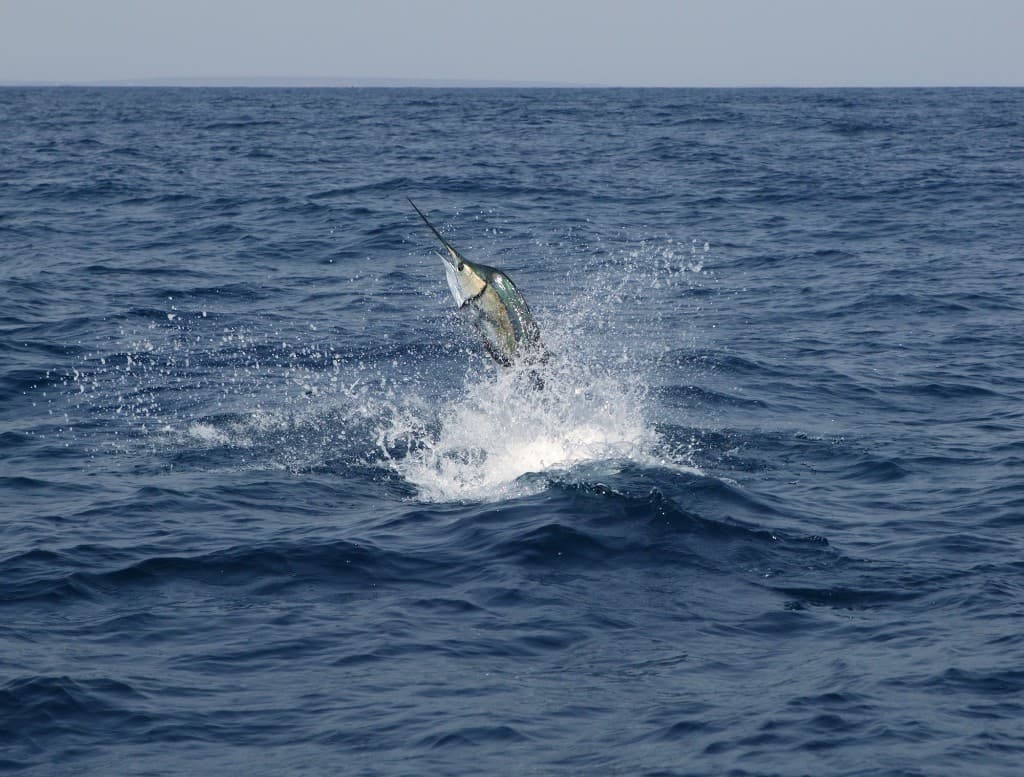
- Offshore: Pelagic and reef trips require captains who track federal seasons; verify HMS permits and circle-hook rules when targeting tunas and billfish.
What Regulations Should I Read Before I Go?
- Length and bag limits are listed by species and water body in the Outdoor Annual.
- Catch-and-release best practices matter for bass tournaments and trout—handle fish with wet hands and minimize air exposure.
- Invasive species: Giant salvinia, zebra mussels, and Asian carp protocols protect Texas waters—clean, drain, and dry every boat.
How Do I Find Public Fishing Access?
Start with Texas Fishing maps for boat ramps and family fishing locations. Pair that with Public Hunting / Fishing booklets for WMA opportunities where fishing is allowed. Respect leases, tribal waters, and border-flow rules when you fish the Rio Grande.
Plan Your Texas Fishing Trip
Anchor travel planning with our Texas hunting and outdoors guide and the Texas fishing hub. Browse more how-to and gear stories in our fishing category. Reserve lodging near your primary water if you plan dawn patrols, and build buffer time for traffic and ramp lines on holiday weekends. Pack a first-aid kit, spare trailer parts, and tools for common breakdowns—rural ramps are not always near parts stores. If you are splitting time between freshwater and saltwater on one trip, stage two tackle bags so you do not mix lead and terminal tackle in a rush at the ramp.
Ethics, Catch-and-Release, and the Next Generation
Texas anglers share crowded water. Don’t crowd another boat working a school unless you are invited. Do pick up trash, including monofilament and soft-plastic debris. Teach kids to identify fish before they celebrate a keep, and show them how to release fish quickly and respectfully. Strong fisheries depend on habitat, science, and angler behavior—regulations alone cannot replace stewardship.
Frequently Asked Questions
Do I need a fishing license to fish in Texas?
Most anglers need a valid Texas fishing license with any required endorsements or stamps for the water body and species; exemptions apply for certain youth dates, free fishing days, and specific situations listed in TPWD’s Outdoor Annual.
What is the difference between freshwater and saltwater fishing licenses in Texas?
Texas issues separate recreational freshwater and saltwater fishing privileges; saltwater anglers typically need a saltwater fishing endorsement in addition to a base license, and some species require additional federal or state permits—always confirm in the current Outdoor Annual.
Where can I buy a Texas fishing license?
Purchase online through TPWD, at participating retailers, or via the Texas Outdoor Annual mobile tools; keep proof of license with you while fishing.
When does a Texas annual fishing license expire?
Many annual fishing licenses expire on August 31 of each license year; always read the effective dates printed on your license and confirm current rules on TPWD’s license pages before you fish.
What should I know about invasive species when moving boats in Texas?
Clean, drain, and dry boats and gear to reduce spread of giant salvinia, zebra mussels, and other invasive species; follow TPWD signage at ramps and border water inspections where required.
Where can I find public fishing access and boat ramps?
Use TPWD fishing maps and public hunting and fishing resources for boat ramps, piers, and wildlife management areas where fishing is allowed; respect posted rules and seasonal closures.
Sources
- Texas Parks & Wildlife Department. "Fishing." TPWD, tpwd.texas.gov/fishing. Accessed 31 Mar. 2026.
- Texas Parks & Wildlife Department. "Outdoor Annual — Regulations." TPWD, tpwd.texas.gov/regulations/outdoor-annual. Accessed 31 Mar. 2026.
- Texas Parks & Wildlife Department. "Fishing Licenses and Packages." TPWD, tpwd.texas.gov/regulations/outdoor-annual/licenses/fishing-licenses-stamps-tags-packages/fishing-licenses-and-packages. Accessed 31 Mar. 2026.
Official state agency
Texas Parks & Wildlife Department — FishingVerify season openings, daily bag, possession, and length or slot rules for each water and species you target—plus any 2026 rule changes or emergency orders—before you fish.
Written by
The Inside Spread Team
The Inside Spread team covers fishing regulations and access across all 50 states. We tie every guide to official agency sources so you can verify seasons, bag limits, and license rules before you launch.
Comments
No comments yet. Be the first to share your thoughts.
More in state-guides
Arkansas Duck Hunting 2026: Season Dates, WMA Permits, License Costs & Complete Guide
Arkansas duck hunting 2026-27—three-segment season dates, nonresident WMA waterfowl permits, Black River and Bayou Meto access changes, and Delta license costs.
Georgia Whitetail Deer Hunting 2026: Season Dates, Extended Counties, License Costs & Nonresident Guide
Georgia whitetail deer hunting 2026-27—archery, primitive weapons, and firearms dates, 29-county extended archery, 12-deer bag, Game Check, and the nonresident guide.
Kentucky Whitetail Deer Hunting 2026: Season Dates, Zone Changes, License Costs & Nonresident Guide
Kentucky whitetail deer hunting 2026-27—archery, crossbow, and modern gun dates, the 2026 zone map, license and deer permit costs, Telecheck, and the nonresident guide.
Michigan Whitetail Deer Hunting 2026: Season Dates, License Costs, UP vs LP & Nonresident Guide
Michigan whitetail deer hunting 2026—archery, firearm, and three-day December dates, DNR license fees, Upper vs Lower Peninsula rules, baiting, and the nonresident guide.