
While invasive species pose a significant threat to the environment, and many people are not fond of them, for people who enjoy fishing and hunting, it is…
While invasive species pose a significant threat to the environment, and many people are not fond of them, for people who enjoy fishing and hunting, it is truly a win-win situation. These hunters and anglers can enjoy the benefits of helping our environment and ecosystems, while preventing further damage, while simultaneously engaging in an activity that they enjoy. Often, they even have an outcome of obtaining a delicious food source.
Can you hunt and eat invasive species?
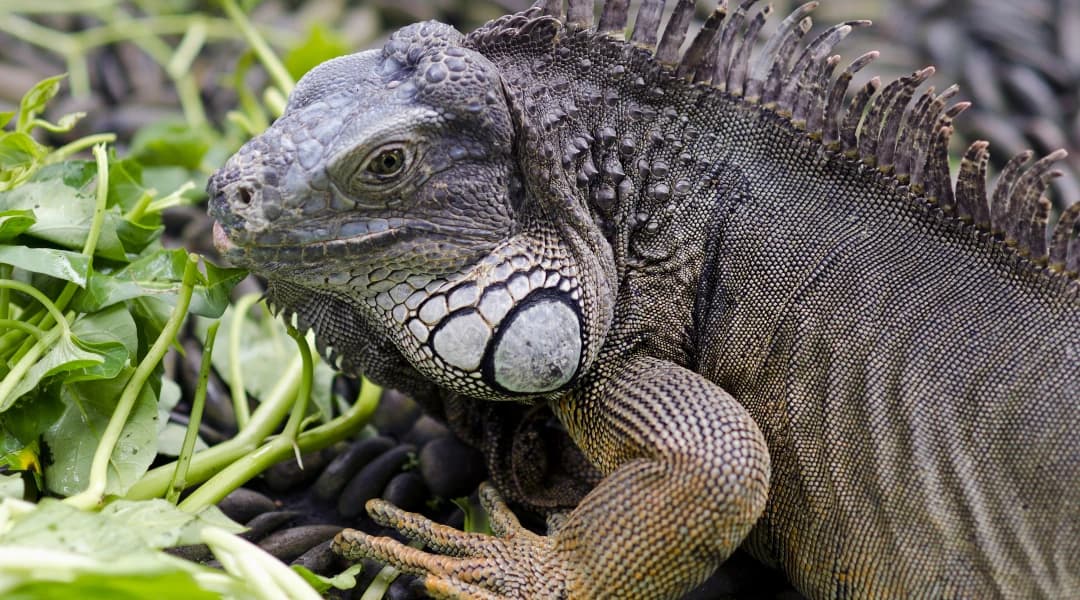
** **“You’re eating what?” “Ew those have salmonella!” Those are just a couple of the many reactions I’ve got when explaining to friends and family members that my family and I were going to be eating iguana stew or iguana nachos for dinner.
To much of society, this practice, as well as consuming some other invasive species, may be considered taboo. However, to others, iguana, lionfish, wild hog, and other invasive species can be a great source of nutrients when handled and cooked properly. There are tons of creative recipes that include an invasive species as the main ingredient. Some examples are cornmeal-crusted blue catfish, iguana nachos, hog stew, and grilled lionfish.
What is an example of an invasive species?
Iguanas in South Florida, like many other invasive species, are non-native species that negatively impact ecosystems. Many invasive species are considered to be a nuisance to people, for various reasons.
While tourists sometimes gawk at these interesting-looking creatures, south Florida residents often see green Iguanas as a problem. Iguanas poop on people’s porches and pool decks. They also eat foliage that people have as landscaping or a food source. They also cause a lot of unnecessary excitement for pets (for example, hysterically barking dogs).
According to the Florida Fish and Wildlife Conservation Commission (FWC), iguanas are non-native species and are actually on Florida’s prohibited species list.
Also the FWC states that iguanas can be killed humanely on private property and people don’t need to obtain a hunting license to kill them on some public lands.
History of Invasive Species
According to the NOAA, invasive species “can be introduced to an area by ship ballast water, accidental release, and most often, by people.” As a history teacher, I have always been curious about the details of the origins of many invasive species. How did they get to these places that they are not native to? My first thought is that many invasive species most likely arrived during the Columbian Exchange during the fifteenth and sixteenth centuries. This was the time when the Eastern and Western Hemispheres exchanged goods with each other for the first time, which included both plants and animals.
Animals were brought over to the Americas from Eurasia that had never been here before, and vice-versa. According to the Atlantic, Christopher Colombus brought over hundreds of pigs and other animals to the Americas when he planned to settle there and these pigs and other animals were then released. Rabbits, sheep, goats, cattle, and horses were also eventually brought over to the “New World” from the “Old World”, according to NOAA.
In the case of iguanas, an exotic pet dealer is believed to have released over 300 iguanas into South Florida in 1964 and they were often kept as pets, but later it became difficult to keep iguanas in cages and therefore, they were released into the wild, according to the Department of Wildlife Ecology and Conservation, UF/IFAS.
According to NOAA, in the case of lionfish, which are an invasive fish in the U.S. Atlantic waters, and feed on other fish like snapper and grouper, they are originally from the Indo-Pacific ocean. It is believed that they have been dumped in the ocean from aquariums for the past 25 years or so, according to NOAA.
Every invasive species clearly has its own specific story but these are just a few examples of the invasive species roots and origins. In most cases, they were somehow introduced by humans.
Invasive Species and their Impact on Ecosystems
So, why should we try to control the populations of invasive species?
According to USGS, invasive species “can cause costly economic and ecological damage each year including crop decimation, clogging of water facilities and waterways, wildlife and human disease transmission, threats to fisheries, increased fire vulnerability, and adverse effects for ranchers and farmers.”
Controlling the population of many invasive species can actually preserve biodiversity and save ecosystems.
Importance of controlling invasive species
If kept unchecked, the populations of non-native species, such as iguanas, wild hogs, lionfish, and silver carp, can cause further damage and negative effects. Ultimately, according to the NOAA, this can even cause extinctions of native plants and animals, which would eventually reduce biodiversity and cause competition with native species.
Managing invasive species
According to the Environmental Justice Journalism Initiative, “At the state and national level, laws guide and mandate how agencies, businesses, organizations, and individuals manage invasive species. “
Hunting and fishing invasive species can be a proactive and beneficial way to manage the invasive species populations and decrease their harm to the environment. Some State Fish and Wildlife Agencies do not require licenses for certain invasive species in an effort to encourage hunters and anglers to help address the issue. It is always important to check the regulations and rules in any state in which you are hunting or fishing in.
In most cases hunters, anglers, and Fish and Wildlife Agencies can work cooperatively to address the invasive species issues collectively and collaboratively.
Targeting specific Invasive species
There are many invasive species that affect biodiversity and the ecosystems in the United States, probably too many to count.
Here is a list of just a small fraction of these invasive species throughout the U.S., that can be specifically targeted by hunters and anglers.
Invasive species list:
[wptb id="0" not found ]
Economic Incentives and Job Creation
In addition, some states offer financial incentives and contests in regards to invasive species. For example, in Florida, the Florida Fish and Wildlife Conservation Commission offers financial incentives as part of a Lionfish Challenge between May and September “To encourage and reward recreational and commercial divers to remove lionfish from Florida waters” (FWC).
Best practices when hunting and fishing invasive species
First and foremost it is crucial to know and be familiar with the hunting and fishing rules and regulations set by state entities. Even though invasive species are non-native and often cause environmental issues, there are still laws and regulations that specify seasons, quotas, license requirements etc.
Also, like with all hunting and fishing, it is best practice to make the hunting or fishing process as safe and humane as possible.
Recap on Hunting and Fishing for Invasive Species
Most states encourage and appreciate hunters and anglers helping with the management of invasive species as it is helping limit the competition for food with the native species and allowing ecosystems to continue to thrive.
As hunters and anglers, we can do our part in helping with conservation efforts and engage in more hunting and fishing activities that we enjoy. There are some invasive species that can be harvested year round, which is great for hunters and anglers who get bored or restless during the off season of what they usually hunt for.
Hunters and anglers can work collaboratively with state and federal hunting and fishing agencies to help manage the populations of invasive species that compete with native species for food, and cause harm to ecosystems. In addition, there are loads of recipes that involve invasive species so if you are open to trying new things, you can get pretty creative with cooking these after your hunt or experience out on the water. Good luck!
Sources:
Iguanas:https://iguanacontrol.com/why-are-iguanas-bad-for-florida/.
Release of Iguanas:https://edis.ifas.ufl.edu/publication/UW485
Invasive species impact:https://oceanservice.noaa.gov/facts/invasive.html#:~:text=Invasive%20species%20are%20capable%20of,limited%20resources%2C%20and%20altering%20habitats
Invasive species in the west:https://westgov.org/images/editor/WGA_Top_50_Invasive_Species_List_1.pdf
Helping to control invasive species:https://www.nrahlf.org/articles/2022/3/7/hunt-247-by-helping-to-control-invasive-species/#:~:text=Gaining%20permission%20is%20often%20easy,to%20hunt%20these%20foreign%20invaders
Columbian Exchange:https://www.britannica.com/event/Columbian-exchange
Great Exchange:https://www.vos.noaa.gov/MWL/dec_08/great_exchange.shtml
Managing invasive species:https://www.ejji.org/invasive-species-101-what-are-they-and-how-do-we-manage-them
Lionfish Challenge:https://myfwc.com/fishing/saltwater/recreational/lionfish/challenge/
Python huntshttps://www.naplesnews.com/story/news/2024/08/16/florida-python-meat-mercury-challenge/74780800007/
Hog Huntinghttps://huntwise.com/field-guide/wild-hog/hog-hunting-12-states-where-you-can-year-round
Recipes using invasive specieshttps://www.chesapeakebay.net/news/blog/seven-recipes-using-invasive-species
Bullfrog recipe:https://wildlife.utah.gov/recipes/1116-breaded-bullfrog-legs.html#:~:text=I%20think%20they%20taste%20like,the%20taste%20of%20frog%20legs
Northern Pike:https://invasivespecies.wa.gov/wp-content/uploads/2019/07/Northern-Pike-Brochure.pdf
Eurasian Collared Dovehttps://shootingsportsman.com/eurasian-collared-doves/
https://www.utahwildlife.net/threads/eurasian-collared-doves.188465/

Written by
Robin Ruddy
Contributing writer at The Inside Spread. Passionate about sharing hunting knowledge and conservation efforts.
Comments
No comments yet. Be the first to share your thoughts.
More in conservation
Massachusetts Voters Decide Nov. 3 on a Sporting-Goods Conservation Fund and the 2024 Firearms Law
Massachusetts voters decide Nov. 3 on a sporting-goods conservation fund and whether the 2024 firearms law stays. Early voting runs through Oct. 30.
Okanogan-Wenatchee Opens Objections on Domestic Sheep Standards Aimed at Bighorn Disease Risk
The Forest Service opened objections on Okanogan-Wenatchee standards meant to separate domestic sheep and goats from bighorn sheep.
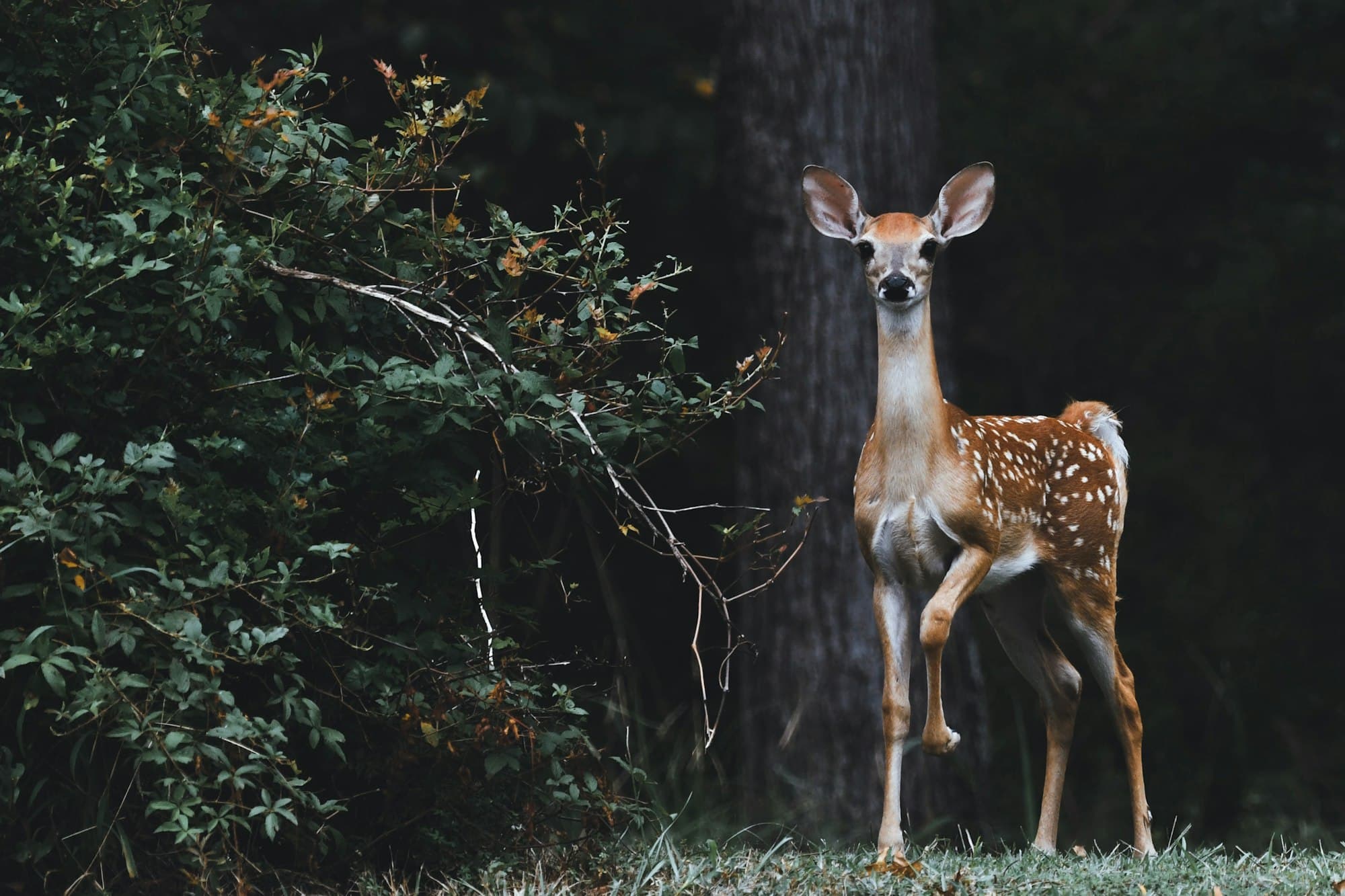
Oklahoma Hunters Can Comment Until Nov. 6 on Rules for Releasing Captive Deer
Oklahoma is taking comment until 4:30 p.m. Nov. 6, 2026, on proposed rules for releasing captive white-tailed deer, including CWD genetic conditions.
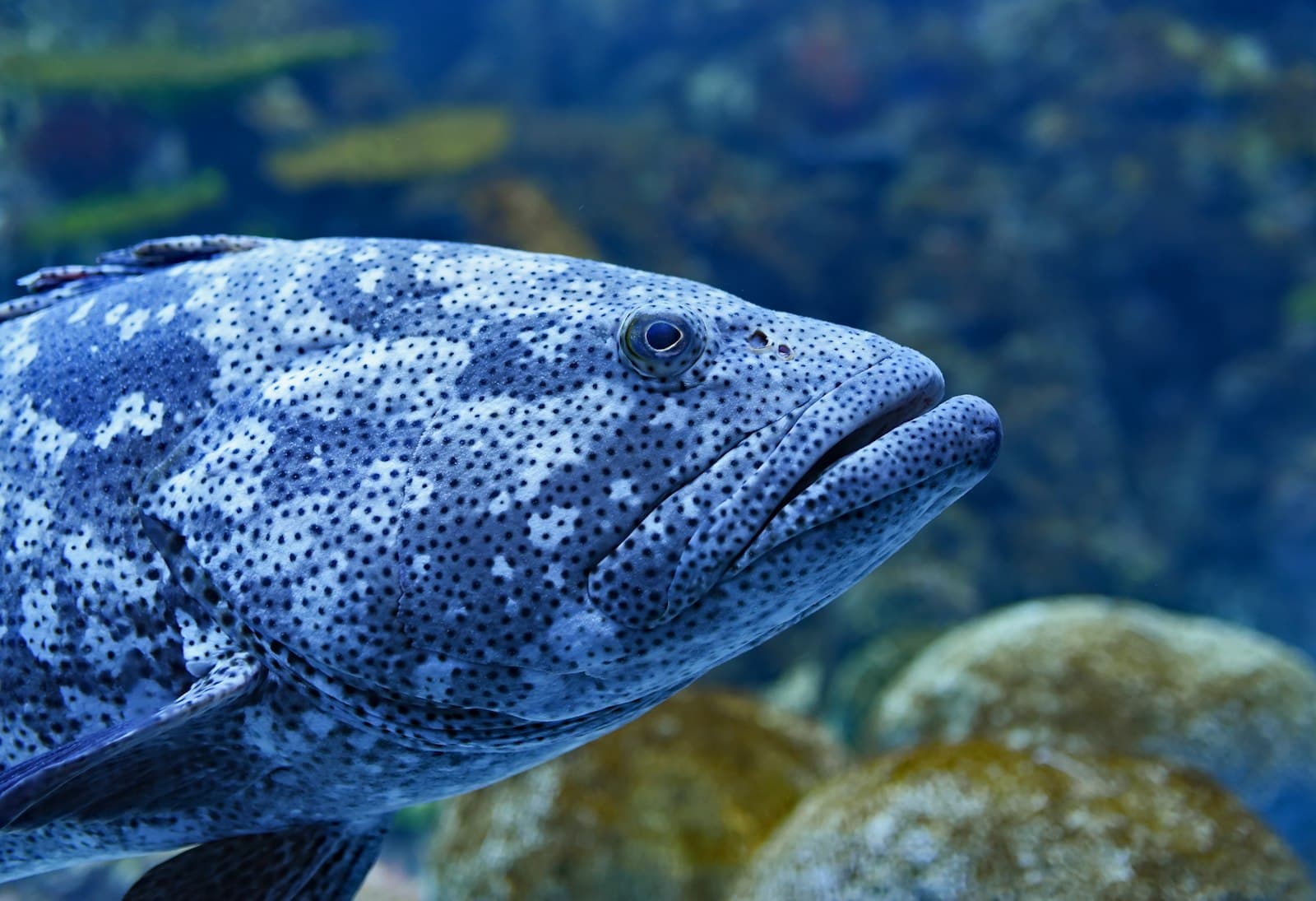
South Atlantic Council Will Hear Comment on Whether Three Grouper Spawning Closures Expire in 2027
The South Atlantic Council will take comment on extending three snapper-grouper spawning closures past Aug. 2, 2027. The hearing is Nov. 9.