
These Idaho Sturgeon Are Older Than the Anglers Chasing Them. Sixteen Just Died, and Fish and Game Had to Act.
Idaho closed sturgeon fishing on part of CJ Strike after 16 white sturgeon died. Closure dates, water-quality causes, and why the population matters.
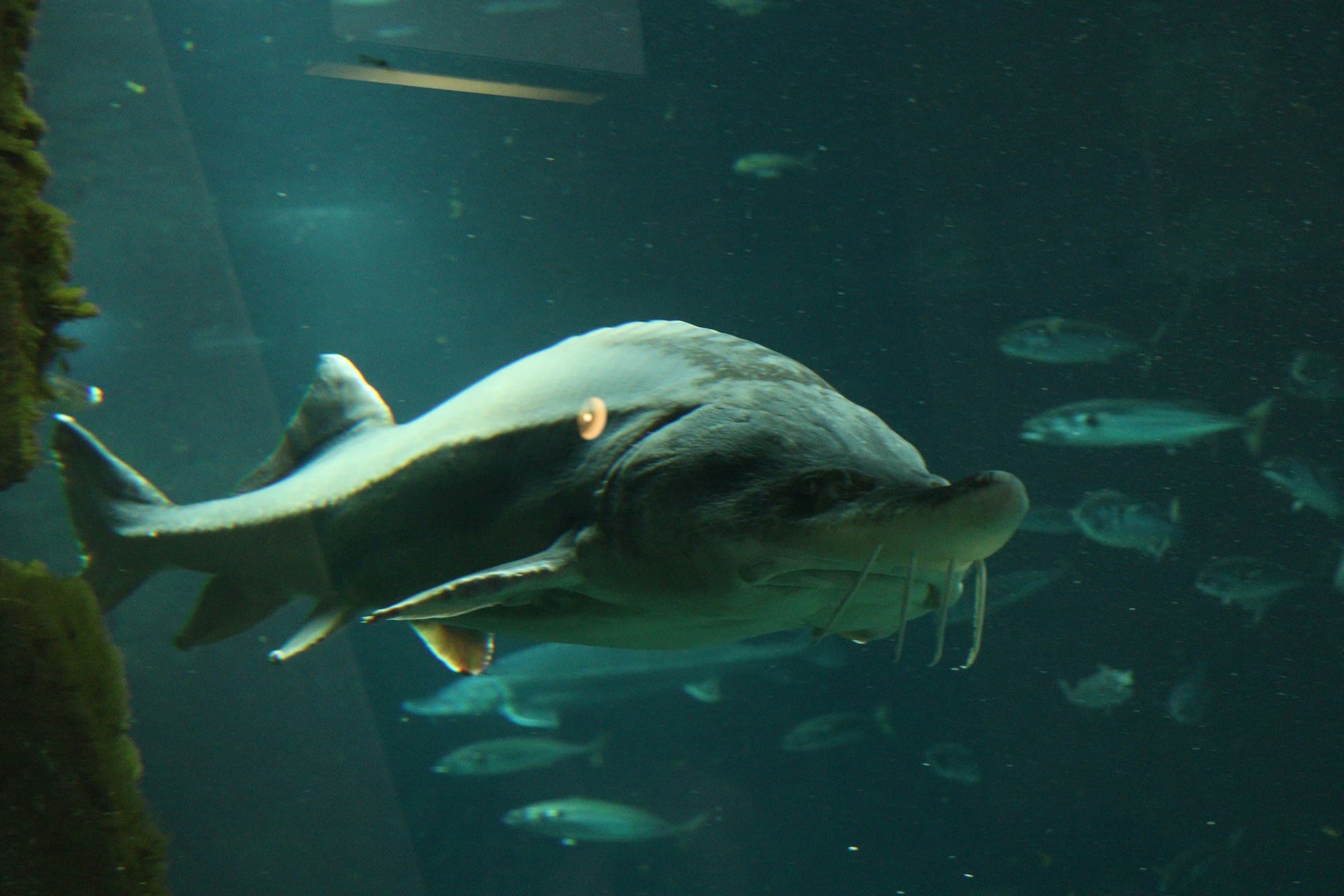
Idaho Fish and Game closed sturgeon fishing on a stretch of the Snake River arm of CJ Strike Reservoir from August 2 through September 25, 2026, after biologists confirmed 16 dead white sturgeon in warm, oxygen-starved water. The rest of the reservoir and its other fisheries remain open.
Tim Parrish has been guiding anglers to white sturgeon on CJ Strike Reservoir for years. He knows the water, he knows the fish, and this summer he's watched something he never wanted to see twice.
"We had 29 fish die in 2022 and we are looking at 16 right now," Parrish, who runs Hammett Valley Fishing Adventures, said of this year's die-off. "Basically, we have bad water quality and not enough water flow and our water temperatures are really high right now."
On July 31, Idaho Fish and Game Director Jim Fredericks signed a conservation closure for a stretch of the Snake River arm of CJ Strike Reservoir — the section between Canyon Creek and Rattlesnake Creek — after biologists confirmed 16 dead white sturgeon in that water, ranging from 5 to 9 feet long. The closure took effect August 2 and runs through September 25. It is only the second time in the fishery's history that conditions have forced managers to shut down angling to protect the population, and the last time it happened was four years ago.
These are not ordinary fish, and this is not an ordinary closure. Understanding why requires understanding exactly what's dying in that reservoir, and why it matters far beyond the anglers who fish it.
Planning a trip? This closure is sturgeon-specific and can change if water conditions improve. Confirm current rules with Idaho Fish and Game before you launch. Pair this coverage with our Idaho sturgeon fishing guide.
What's actually happening in the water
The mechanism killing these sturgeon is straightforward and brutal: the water is too warm on top and too oxygen-starved underneath, and there's nowhere left for the fish to go.
"My wife and I put our thermometers in the water and its over 70 degrees," said Daniel Dane, owner of Idaho Troutfitters in Twin Falls. "You know the fish are poaching basically. There's just no oxygen left in the water. The fish are stressed. They're gasping. They can't get enough air."
White sturgeon are cold-water fish. In a healthy river system, they can retreat to deeper, cooler water when surface temperatures climb in summer. But cooler water needs to come from somewhere, and in the closure area of CJ Strike Reservoir this year, it isn't. Regional Fisheries Manager Art Butts described the trap precisely: the oxygenated water is too hot, and the cooler water has no oxygen. Sturgeon are being squeezed into a narrowing band of habitable water with no safe direction to move.
Parrish traced the cause further upstream, to water management decisions playing out across the entire Snake River system. "With all the different water wars up in eastern Idaho, we are not getting the water down the Snake River like we used to," he said. This year, the river has run around 6,000 cubic feet per second for most of the season, with a brief bump to roughly 10,000 CFS in May — the last time Parrish fished the water that's now closed. Nearly all the water flowing through the Snake River gets diverted for irrigation in the Magic Valley during drought years, which means this stretch of river and reservoir survives largely on contributions from the Malad River and the Thousand Springs area. When drought tightens the broader system, this landlocked stretch between two dams feels it first and worst.
It isn't the first time this has happened. Fish and Game reported that the current conditions closely mirror those of 2022, when water temperatures and dissolved oxygen levels in this same stretch reached or exceeded levels lethal to white sturgeon without any additional stress. That event killed 29 fish before the department closed the fishery and mortality slowed. Prior to 2022, an event of that scale had never been documented in this population. Now it's happened twice in four years.
Why this specific population matters more than the numbers suggest
Sixteen dead fish out of a large reservoir population might not sound catastrophic on its own. It is, for reasons that go well beyond this single die-off.
CJ Strike's white sturgeon population is the second largest in Idaho, and it's one of only two self-sustaining white sturgeon populations left in the entire state. That distinction matters enormously. Most sturgeon fisheries in Idaho depend at least partly on hatchery supplementation to maintain viable numbers. CJ Strike's fish still reproduce naturally in the wild — or at least, they used to.
State Fisheries Manager Joe Kozfkay has previously described this population's significance in stark terms: it's one of the largest in the state, one of just two that are self-sustaining, and it serves as the egg source for Idaho's entire sturgeon hatchery program. In other words, this isn't just a fishery. It's genetic infrastructure for sturgeon conservation across Idaho. If this population collapses, the state loses more than a fishing destination — it loses the wild broodstock that other struggling sturgeon populations may eventually depend on.
And the reproduction side of the ledger is already trending the wrong way independent of this summer's die-off. Fish and Game has stated that natural reproduction in this population has been inconsistent at best in recent years, and nonexistent at worst. Parrish, who fishes the water regularly, put a number on it: "We have the largest concentration of white sturgeon that are still reproducing in Idaho, but we haven't had a reproduction for ten years."
Layer that against the math of sturgeon biology, and the stakes come into focus. A white sturgeon takes between 50 and 70 years to reach roughly 9 feet in length — meaning many of the largest fish in this closure area are older than the anglers fishing for them, and some may be older than the dam that created the reservoir they live in. White sturgeon can live to 100 years old, making them the longest-lived and largest freshwater fish in North America. A population that isn't reliably reproducing, that has already lost 15 percent of its numbers since 2022, and that just suffered its second mass mortality event in four years is a population running out of room for error.
"The population is declining, and we cannot afford additional mortality at this point," Kozfkay said in announcing this year's closure.
Why Fish and Game closed angling — and what that decision actually says
It's worth being direct about something the department itself has acknowledged: Idaho Fish and Game does not believe anglers caused this die-off. The cause is environmental — heat, low flow, and oxygen depletion driven by drought and water management decisions that have nothing to do with hook-and-line pressure.
So why close the fishery at all?
Because catch-and-release angling, however carefully practiced, adds a stress load to a fish that's already fighting for oxygen — and in a population this fragile, even a small additional stressor can be the difference between a sturgeon surviving a rough summer and becoming fish number 17. Butts made the department's reasoning plain: knowing that angling might cause additional stress that could push sturgeon over the edge, closing the fishery removes the one variable managers actually have the power to control. They can't lower the water temperature. They can't force more flow down the Snake River in the middle of a drought year. They can stop adding a fight-and-release stress event on top of conditions that are already lethal on their own.
That framing matters for how anglers should read this closure. It isn't a punishment. It isn't an indictment of outfitters or catch-and-release practices. IDFG has been explicit that this is an extremely rare action, reserved for situations where environmental conditions alone are already pushing a population toward its limits. The department is protecting a resource that took decades to build and that anglers themselves have a direct stake in keeping alive.
That said, local outfitters have pushed back on how the situation has occasionally been framed publicly. One guide, Jones of Jones Sport Fishing, said in a past mortality event that outfitters felt unfairly blamed: "They're basically coming straight out at us outfitters and saying 'this is your guys' fault.' I can assure you that every single guide and active outfitter out there, we go above and beyond on the handling of these fish." That tension — a conservation closure driven by causes outside anyone's fishing practices, landing hardest on the guides and outfitters who depend on the fishery for their livelihood — is a real cost of this closure and deserves acknowledgment alongside the conservation rationale.
What anglers need to know right now
If you had a CJ Strike sturgeon trip planned for this summer, here's exactly what's changed.
The closure applies specifically to the Snake River arm of CJ Strike Reservoir between Canyon Creek and Rattlesnake Creek. It does not close the entire reservoir. Other areas of CJ Strike remain open, and the reservoir's other fisheries — smallmouth bass, largemouth bass, crappie, yellow perch, channel catfish, and rainbow trout — are unaffected by this sturgeon-specific closure.
The closure runs from August 2 through September 25, 2026. Idaho Fish and Game is posting signage at access points in the affected area and working with Idaho Power Company to monitor water conditions weekly. If conditions improve meaningfully before September 25, it's worth checking IDFG's website for updates, though based on the 2022 precedent, the department has generally let these closures run their full stated course.
If you're planning a fall sturgeon trip to CJ Strike after the closure lifts, expect a fishery that guides and biologists alike will be watching closely. Given the population's documented reproduction struggles and the fact that this is now the second mass mortality event in four years, expect continued conservative management, possible additional restrictions in future high-heat, low-flow summers, and an increased emphasis on catch-and-release best practices — proper handling, minimal air exposure, and quick releases — for anglers who do get on the water once it reopens.
For statewide context on licenses, species, and access, see our Idaho fishing overview for 2026 and the Idaho outdoors guide.
The bigger picture: this is a water story wearing a fish story's clothes
It would be easy to file this as a routine seasonal fish closure and move on. That undersells what's actually happening here.
This is fundamentally a water management story. The sturgeon dying in CJ Strike Reservoir are a visible, measurable symptom of a broader allocation problem playing out across the Snake River system every drought year — a system where irrigation demand in the Magic Valley competes directly with the flow needs of a fishery that took millions of years of evolution and decades of protection to sustain. Parrish's phrase for it, "water wars," is not hyperbole. It's the accurate name for a conflict that's been building across the American West for years and shows no sign of resolving.
The uncomfortable truth is that a fishery like this one can be managed perfectly by IDFG — sound science, cautious closures, careful population monitoring — and still decline if the water simply isn't there. Fisheries management can control angling pressure. It has far less control over how much water gets diverted upstream before a drought-strained river ever reaches the fish that depend on it.
For hunters and anglers who care about conservation beyond their own next trip, CJ Strike's sturgeon are worth watching as a bellwether. What happens to a population that is old, slow to reproduce, and dependent on a resource — cold, oxygenated water — that's increasingly allocated to competing uses, is a preview of a pressure that will show up in more fisheries across the drought-prone West as conditions like this summer's become less the exception and more the norm.
The Inside Spread will continue to track this closure and the state of the CJ Strike sturgeon population as new information becomes available.
Frequently Asked Questions About the CJ Strike Sturgeon Closure
Why did Idaho close sturgeon fishing at CJ Strike Reservoir?
Idaho Fish and Game closed a portion of the Snake River arm of CJ Strike Reservoir to sturgeon fishing after confirming 16 dead white sturgeon, ranging from 5 to 9 feet, amid abnormally low dissolved oxygen levels and high water temperatures. The closure is intended to remove angling-related stress from a population already struggling with lethal environmental conditions.
Where exactly is the CJ Strike sturgeon closure, and how long does it last?
The closure covers the Snake River arm of CJ Strike Reservoir between Canyon Creek and Rattlesnake Creek. It took effect August 2, 2026 and runs through September 25, 2026. Other areas of CJ Strike Reservoir and its other fisheries (bass, crappie, perch, catfish, trout) remain open.
Did anglers cause the sturgeon die-off?
No. Idaho Fish and Game has stated that anglers are not believed to be the cause of the mortality event. The deaths are attributed to environmental conditions — low dissolved oxygen and high water temperatures driven by drought and reduced river flows. The closure is a precautionary measure to remove any additional stress on an already vulnerable population, not a response to overfishing.
How significant is the CJ Strike white sturgeon population?
It is the second-largest white sturgeon population in Idaho and one of only two self-sustaining white sturgeon populations remaining in the state. It also serves as the egg source for Idaho's sturgeon hatchery program, making it critical infrastructure for statewide sturgeon conservation beyond its value as a recreational fishery.
Has this happened before at CJ Strike Reservoir?
Yes. A similar mass mortality event occurred in 2022, when 29 sturgeon died under nearly identical conditions — high water temperatures and low dissolved oxygen approaching or exceeding lethal thresholds. That event, like this year's, prompted a temporary conservation closure. Prior to 2022, a mortality event of that magnitude had never been documented in this population. This year's die-off is the second such event in four years.
How old are the sturgeon that have died?
White sturgeon take approximately 50 to 70 years to reach 9 feet in length, and the species can live up to 100 years, making it the longest-lived and largest freshwater fish in North America. Several of the fish found dead in this closure area were likely multiple decades old.
Is the CJ Strike sturgeon population still reproducing naturally?
Reproduction has been highly inconsistent in recent years. Idaho Fish and Game has described natural reproduction in this population as inconsistent at best and nonexistent at worst in recent years. A local fishing guide who works the water regularly stated there has not been a successful reproduction event in this population in roughly ten years, though this has not been independently confirmed by IDFG in current reporting.
What is causing the low water and poor water quality in this stretch of the Snake River?
The affected stretch of CJ Strike Reservoir sits between two dams and receives most of its water from the Malad River and Thousand Springs area rather than the main Snake River channel, because the majority of Snake River water is diverted for irrigation in the Magic Valley during drought years. Reduced flows this year — running around 6,000 cubic feet per second for most of the season, according to local guides — have contributed to the warm, low-oxygen conditions responsible for the die-off.
Sources
- Idaho Fish and Game: Conservation closure for sturgeon fishing on a portion of CJ Strike Reservoir
- Idaho Fish and Game: How environmental conditions and the C.J. Strike sturgeon fishery interact
- Idaho Fish and Game: Fishing
- KIVI-TV: Fish and Game closes sturgeon fishing on part of CJ Strike Reservoir after 16 sturgeon found dead
- Idaho News 6: Conservation closure issued for sturgeon fishing on portion of CJ Strike Reservoir
- Unsplash: Sturgeon swimming in dark water, Fabian Dück
The Inside Spread covers hunting, fishing, shooting, and conservation. We donate 10% of profits to wildlife conservation.

Written by
Kenny Flermoen
Kenny Flermoen is the owner and CEO of The Inside Spread. Growing up in the Upper Midwest he spent most of his childhood outside—rain, snow, or shine. He writes about hunting, fishing, and conservation with a focus on public-land access, habitat, and the decisions that shape the future of America's outdoor heritage.
Comments
No comments yet. Be the first to share your thoughts.
More in fishing
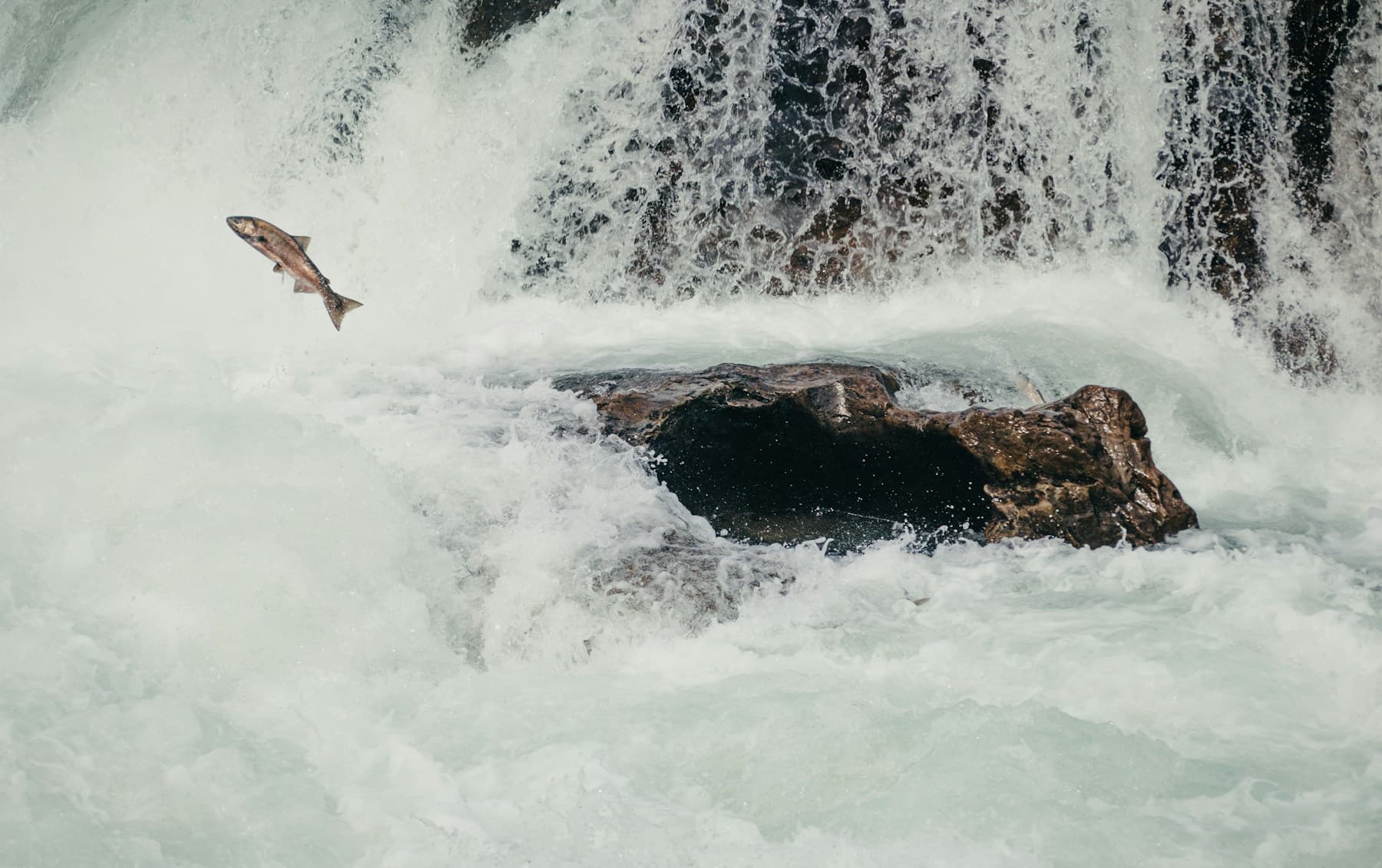
California Salmon Came Back After Three Years Gone. Then Anglers Caught the Season Shut in Weeks.
California salmon fishing returned in 2026, but fast Chinook catches closed the Klamath zone and shortened Fort Bragg. Here is what anglers need to know.
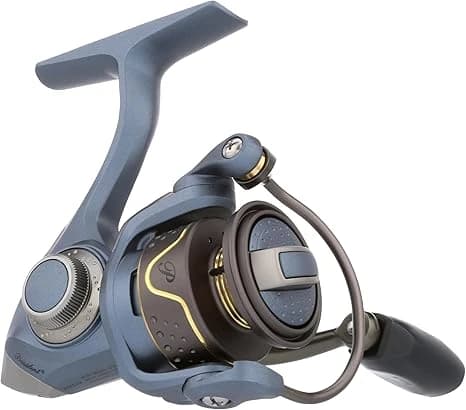
Best Spinning Reels Under $100: Top Budget Picks for 2026
Best spinning reels under $100 for 2026—Daiwa Exceler LT, Pflueger President XT, Penn Pursuit IV, Shimano Sedona FJ, and Daiwa Crossfire LT for bass, trout, and light salt.
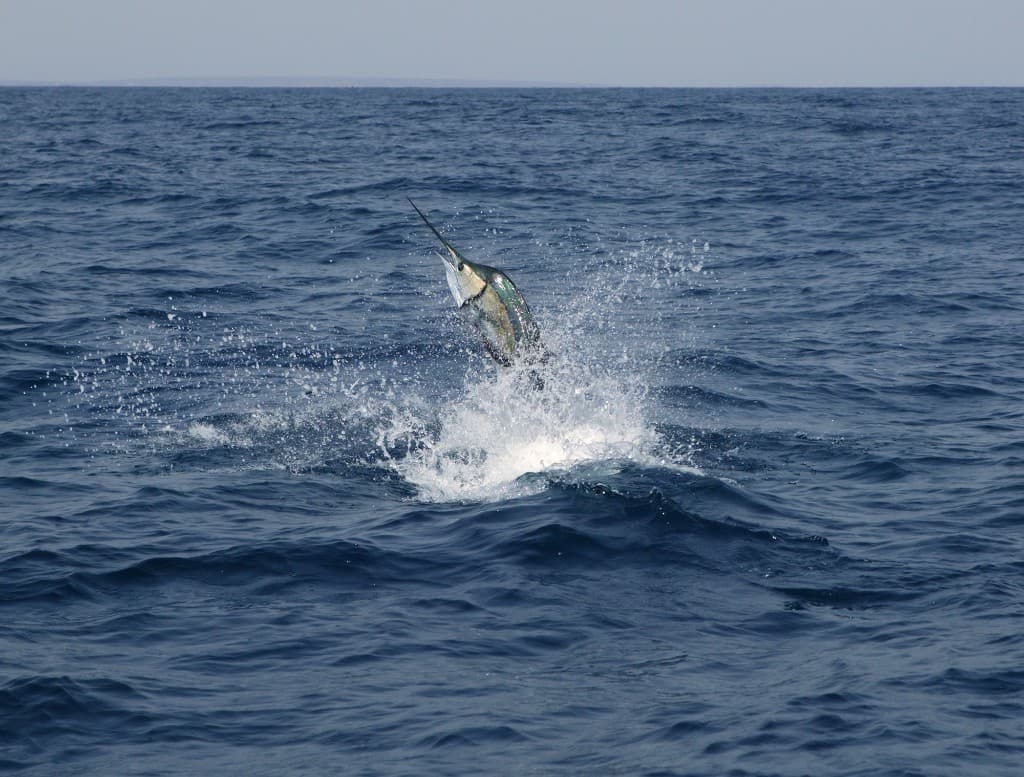
They Caught a $6.5 Million Marlin. Then They Gave It to Science. Here's What Was Found Inside.
Marlin Fever's 919.9-pound Big Rock record marlin held a sailfish and wahoo in its stomach—findings NC State CMAST researchers call unprecedented in 24 years. Final payout, science partnership, and FAQ.
An 18-Year-Old Just Caught a 919-Pound Marlin and Could Walk Away With $6.2 Million. Here's the Full Story.
Connor Daniel hooked a 919.9-pound blue marlin aboard Marlin Fever at the 2026 Big Rock Tournament—breaking the 68-year record and chasing a projected $6.2M payout. Full story, leaderboard, and FAQ.