

Preserving the Right to Hunting, Biden's Admin Actions Adds Large Barriers
In recent years, there has been a growing debate surrounding the role of hunting in modern society. While some argue that hunting is an outdated and cruel…
In recent years, there has been a growing debate surrounding the role of hunting in modern society. While some argue that hunting is an outdated and cruel practice, it is important to recognize the significant contributions hunters make to wildlife conservation and ecosystem management. Unfortunately, the Biden administration's latest regulations seem to undermine the crucial role hunters play in preserving our natural heritage. Today, we will explore the positive aspects of hunting and shed light on the misconceptions surrounding this time-honored tradition.
Hunters are Conservationists
Contrary to popular belief, hunters have long been at the forefront of wildlife conservation efforts. Hunting fees and licenses contribute significantly to funding state wildlife agencies and conservation programs. These funds are utilized to protect and manage habitats, conduct scientific research, reintroduce endangered species, and combat wildlife diseases. By actively participating in hunting, individuals support vital conservation initiatives that benefit entire ecosystems.
Population Management and Wildlife Health
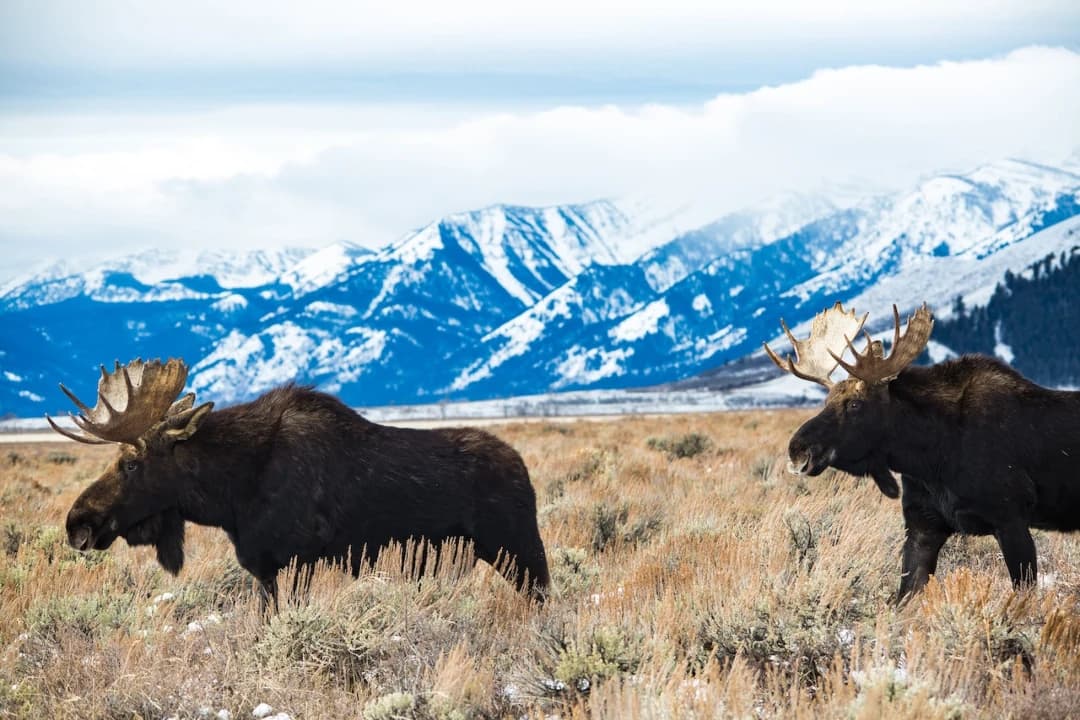
One of the key reasons hunting is essential is its role in population management. Wildlife populations can multiply rapidly, leading to overpopulation and consequent ecological imbalances. Well-regulated hunting programs help maintain stable populations by keeping numbers in check. This ensures a healthy balance between predator and prey species, and reduces the risk of disease outbreaks among animal populations.
Preserving Biodiversity and Habitat
Hunters play a vital role in preserving biodiversity and protecting natural habitats. By hunting certain species, they help prevent the dominance of any single species over others, promoting a healthy and diverse ecosystem. Additionally, hunters often contribute to habitat restoration efforts by participating in programs that aim to enhance wildlife corridors, protect wetlands, and restore degraded areas. Their involvement in these initiatives helps maintain essential habitats for a wide range of flora and fauna.
Ethical and Sustainable Practices
Modern hunting practices are built upon principles of ethics, respect for animals, and sustainable use of natural resources. Hunters undergo rigorous training and education to ensure that they engage in responsible hunting practices. This includes adhering to strict regulations, respecting hunting seasons and bag limits, and employing humane techniques to minimize animal suffering. Furthermore, hunters embrace the concept of fair chase, promoting a sporting approach to hunting that emphasizes the skills and knowledge required to succeed.

Economic Contributions
Cultural Significance and Heritage
Hunting holds deep cultural and historical significance for many families across America. It serves as a way to connect with nature, learn valuable skills, and pass down traditions from one generation to the next. For numerous families, hunting provides an opportunity to bond, create lasting memories, and instill a sense of respect for the natural world. It is important to preserve and respect these cultural practices, as they contribute to the rich tapestry of our diverse society.
Despite recent regulatory actions by the Biden administration that seem to undermine hunting, it is crucial to recognize the positive contributions hunters make to conservation, population management, habitat preservation, and the economy. Through their commitment to ethical and sustainable practices, hunters have proven themselves to be dedicated stewards of the environment. It is essential to foster a constructive dialogue that acknowledges the valuable role hunters play in the delicate balance between humans and nature. By doing so, we can ensure the preservation of wildlife, the sustenance of rural communities, and the continuation of our shared natural heritage for future generations.
Shop
Written by
The Inside Spread Team
Contributing writer at The Inside Spread. Passionate about sharing hunting knowledge and conservation efforts.
Comments
No comments yet. Be the first to share your thoughts.
More in conservation
Massachusetts Voters Decide Nov. 3 on a Sporting-Goods Conservation Fund and the 2024 Firearms Law
Massachusetts voters decide Nov. 3 on a sporting-goods conservation fund and whether the 2024 firearms law stays. Early voting runs through Oct. 30.
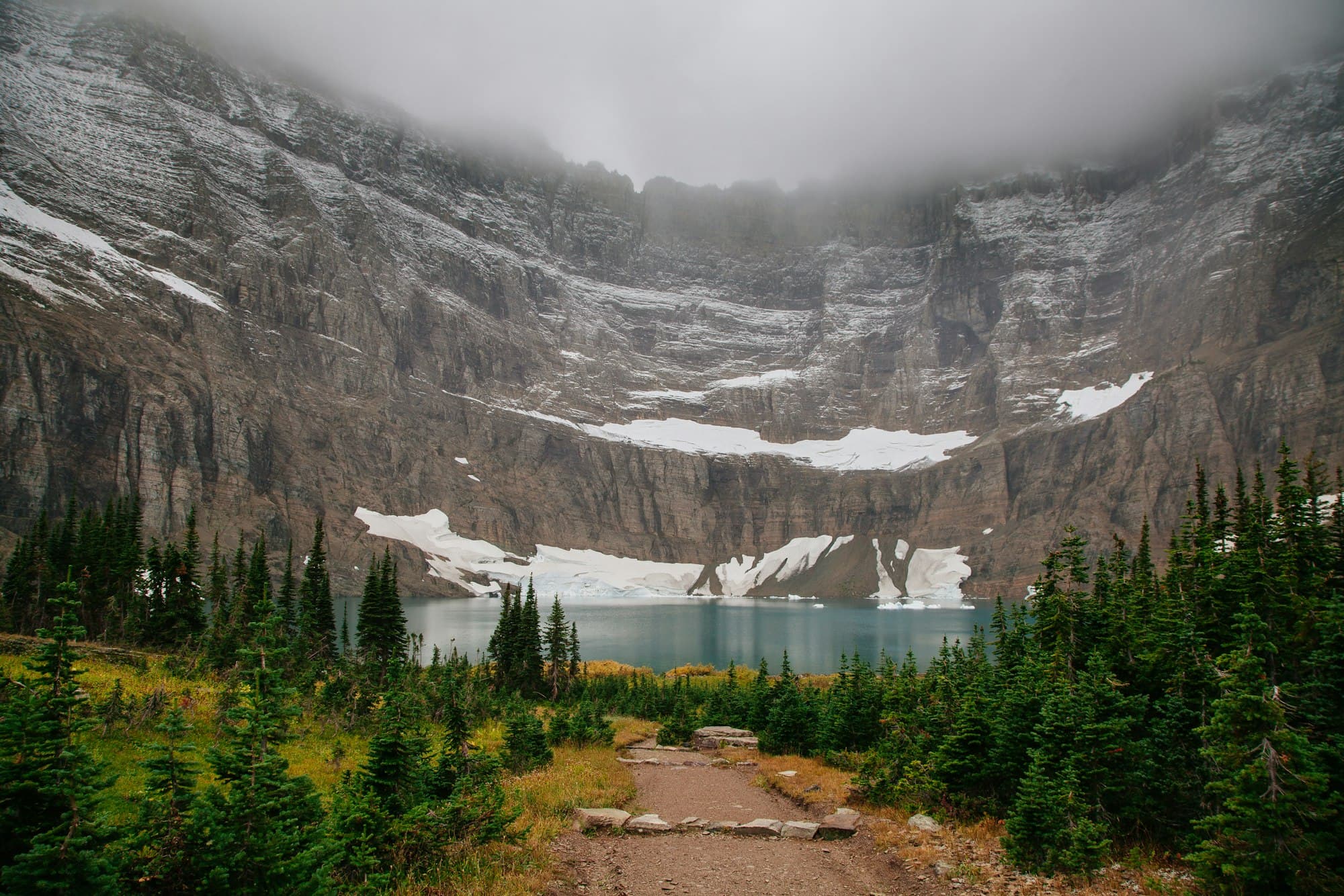
Okanogan-Wenatchee Opens Objections on Domestic Sheep Standards Aimed at Bighorn Disease Risk
The Forest Service opened objections on Okanogan-Wenatchee standards meant to separate domestic sheep and goats from bighorn sheep.
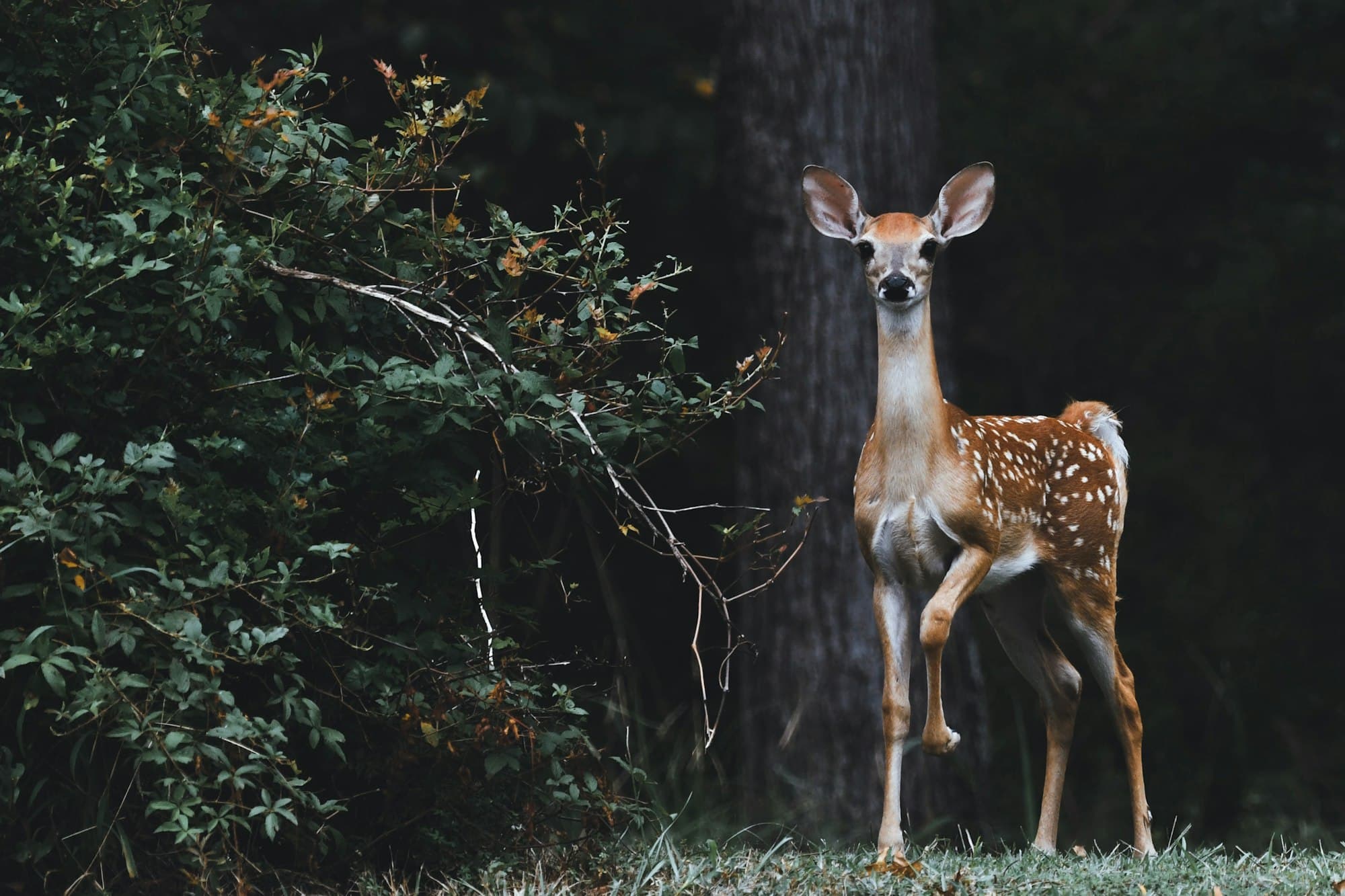
Oklahoma Hunters Can Comment Until Nov. 6 on Rules for Releasing Captive Deer
Oklahoma is taking comment until 4:30 p.m. Nov. 6, 2026, on proposed rules for releasing captive white-tailed deer, including CWD genetic conditions.
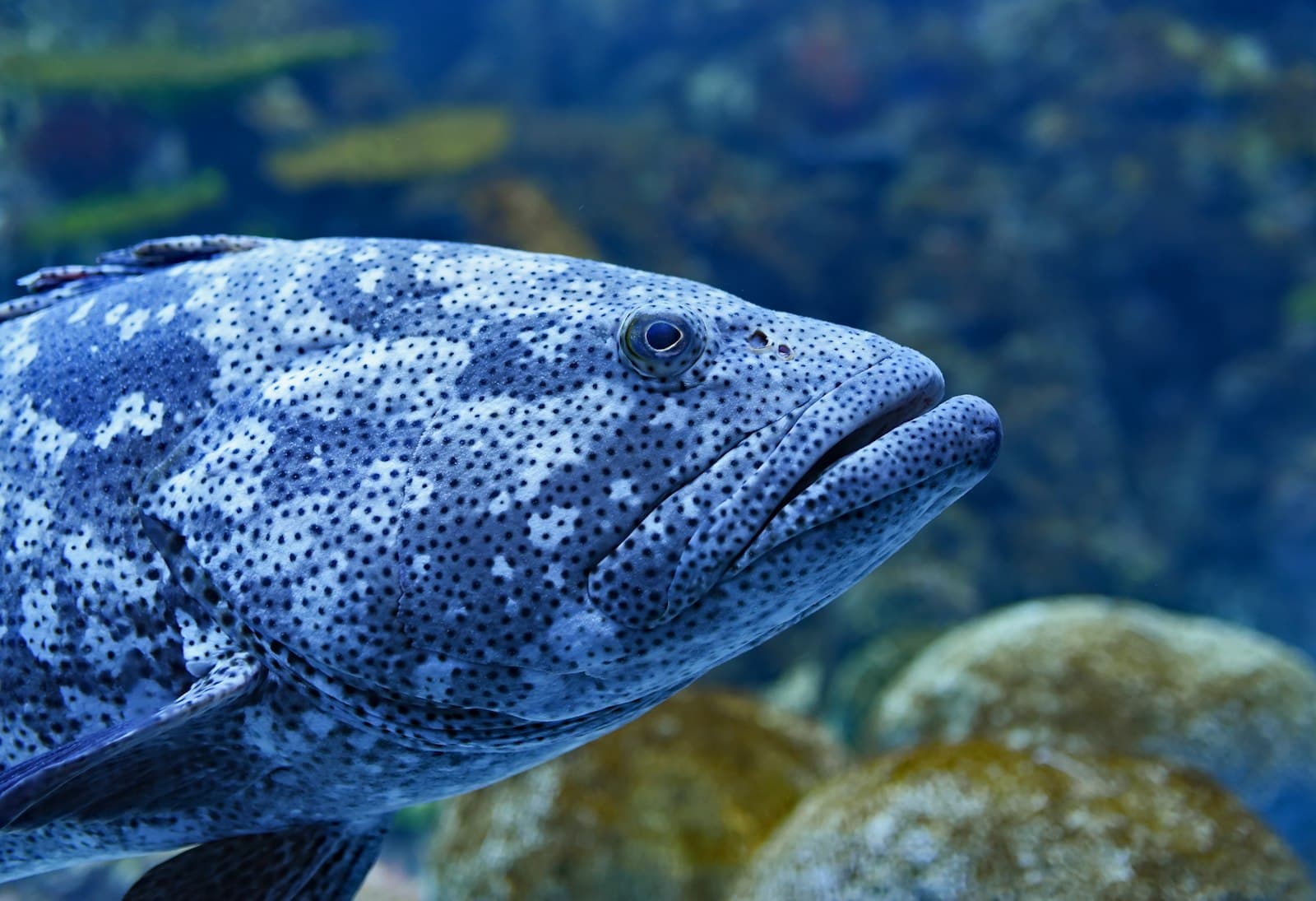
South Atlantic Council Will Hear Comment on Whether Three Grouper Spawning Closures Expire in 2027
The South Atlantic Council will take comment on extending three snapper-grouper spawning closures past Aug. 2, 2027. The hearing is Nov. 9.